
Details for Samos
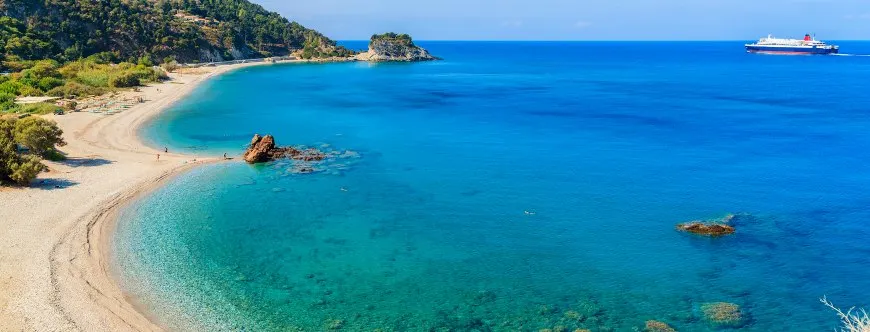

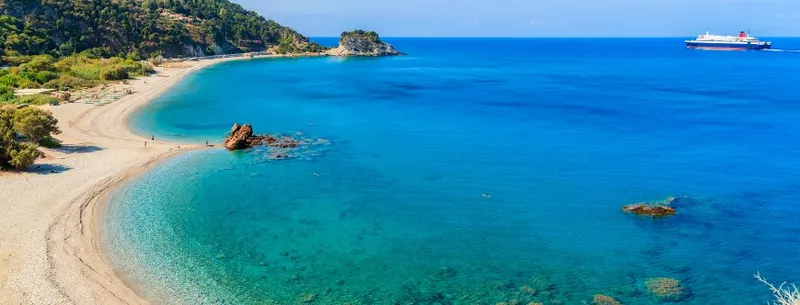
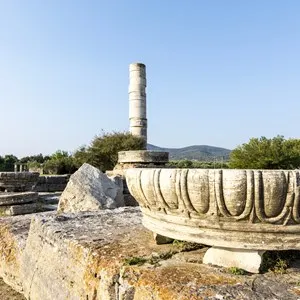
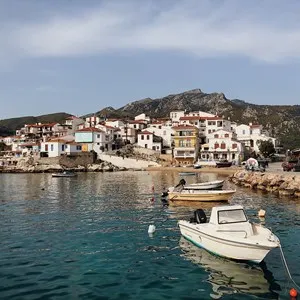
Separated from the Turkish mainland (visible from many parts of the island) by the narrow Strait of Mycale, Samos enjoys an ideal location in the Aegean on the route between Athens and Izmir and is often used as a stopping-off point for travellers between the two countries. It is also one of the greenest islands in the area and boasts a huge number of idyllic little beaches found all along the coast. Samos is rightfully thought of as an ancient centre for scholarship and learning, as it was the home of philosopher and mathematician Pythagoras (the caves where he lived and taught can be visited on Mt. Kerkis), and it is also fabled to be the birthplace of the goddess Hera, and the remains of an ancient temple built in her honour can still be found near the city of Pythagoreio. Other main urban areas include Vathy (Samos Town) and Kokkari, both on the north coast, where much of the island's best dining and nightlife can be found lining the harbour areas of each city. Traditional dishes are complemented by local vintages and unmistakable Greek hospitality.
33,814 (2022)
Euro, €1 = 100 cents
Fire: 119
First aid: 166
Fire department: +30 22730 22199
Forest rangers: +30 22730 27435
Shops generally open from about 9 am to 9-10 pm. Many establishments close for a few hours in the early afternoon for siesta, but most restaurants, bars and cafes stay open late, often past midnight.
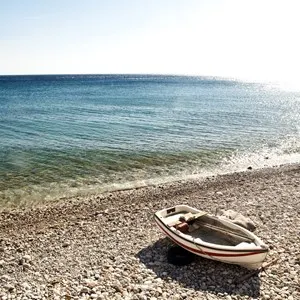
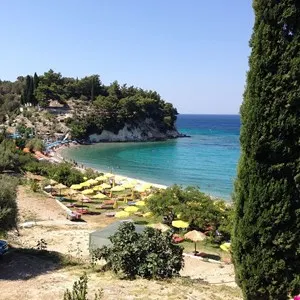
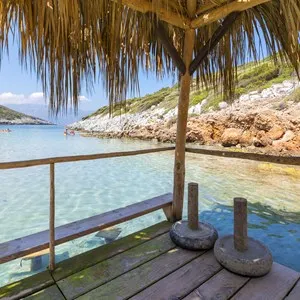
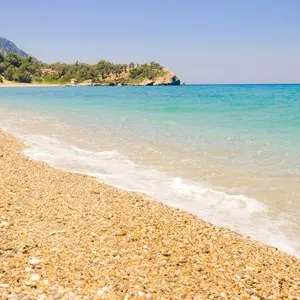
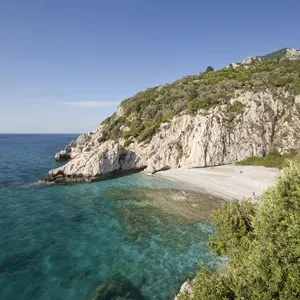
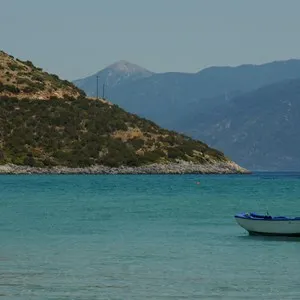
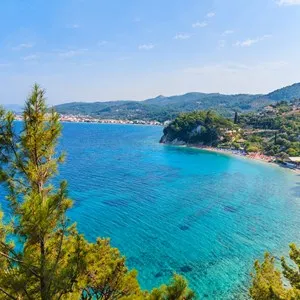





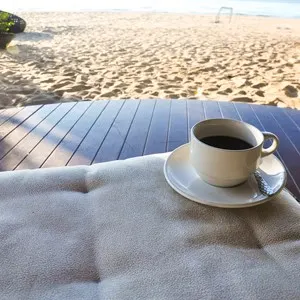










The best time to visit Samos is from late spring to early fall, particularly between May and September. During these months, the weather is warm, ideal for beach activities and exploring the island's natural beauty. July and August are the peak tourist months, offering vibrant nightlife and bustling beaches, while May, June, and September provide a more relaxed atmosphere with fewer crowds.
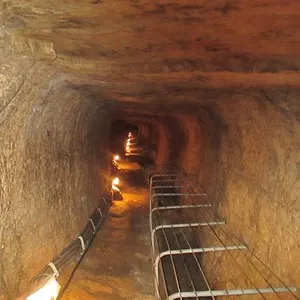
A stay of 3 to 5 days is recommended to fully experience Samos. This allows you to explore the island's beautiful beaches, visit historical sites like the Heraion of Samos and the Tunnel of Eupalinos, and enjoy hiking in the lush landscapes of the interior. Additional days can be spent exploring nearby islands or partaking in local cultural experiences.
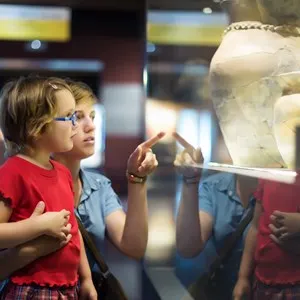
Samos offers a range of attractions, including: - The ancient Heraion of Samos, a UNESCO World Heritage site. - The Tunnel of Eupalinos, an ancient aqueduct. - The picturesque village of Pythagoreio, with its charming harbor and archaeological museum. - The sandy beaches of Tsamadou and Lemonakia. - The lush landscapes and hiking trails of Mount Kerkis.
Samos has a well-connected network of buses that serve major towns and tourist areas. Renting a car or scooter is a popular option for exploring the island at your own pace, especially if you wish to visit more remote areas. Taxis are available but can be more expensive. For those interested in island hopping, ferries connect Samos to other North Aegean islands and mainland Greece.
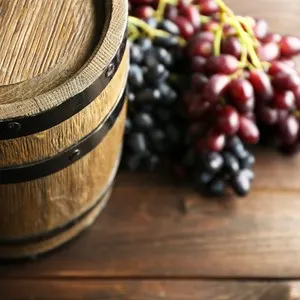
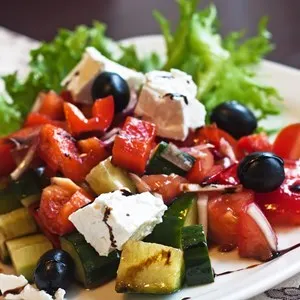
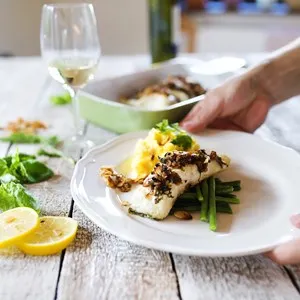
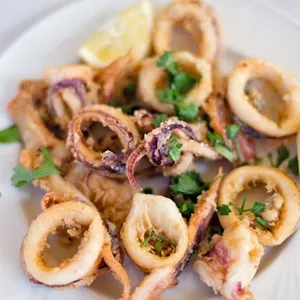
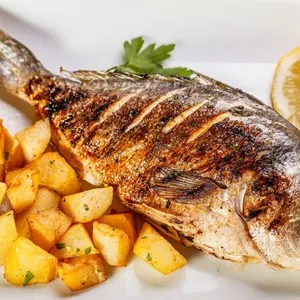
Samos is known for its delicious local cuisine, which includes: - Samian wine, particularly the sweet Muscat variety. - Kakavia, a traditional Greek fish soup. - Revithokeftedes, chickpea fritters often served as an appetizer. - Loukoumades, honey-soaked doughnuts. - Local cheeses and honey, which are staples in many dishes.
Samos hosts several cultural events and festivals throughout the year. The Samos Wine Festival in August celebrates the island's renowned wine production. The Pythagoreion Festival, held in the summer, features music, theater, and dance performances. Additionally, local religious festivals, such as the Panagia Spiliani, offer a glimpse into traditional Greek customs and celebrations.
From Samos, you can take day trips to nearby islands such as Ikaria and Patmos, each offering unique attractions and landscapes. The Turkish coast is also a short ferry ride away, with excursions to the ancient city of Ephesus and the vibrant town of Kusadasi. These trips provide a wonderful opportunity to explore beyond Samos and experience the rich history and culture of the region.