
Details for Santorini
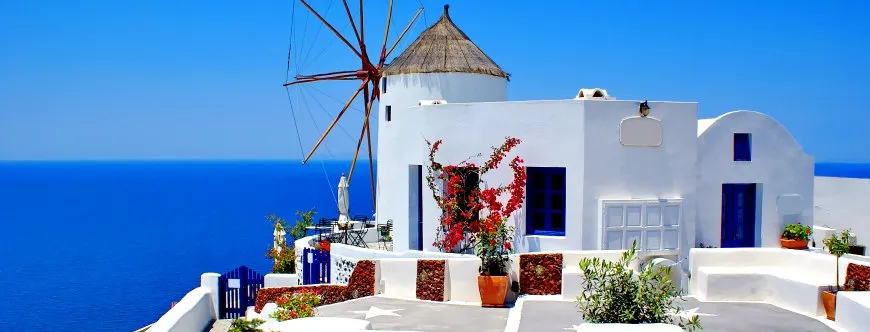


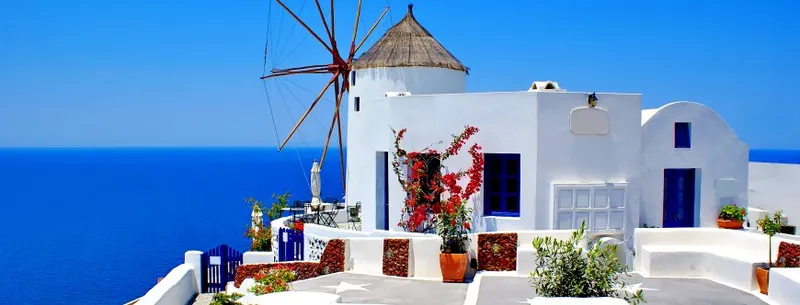
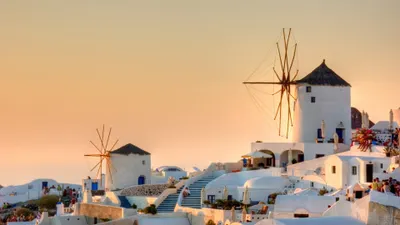
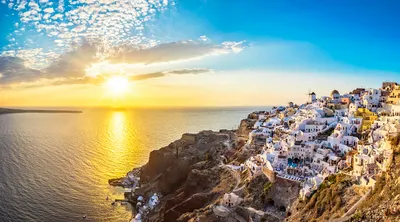
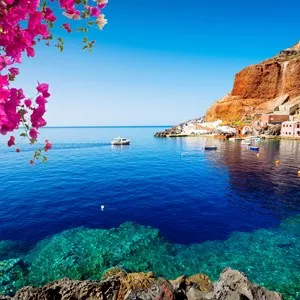
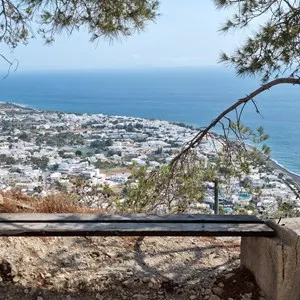
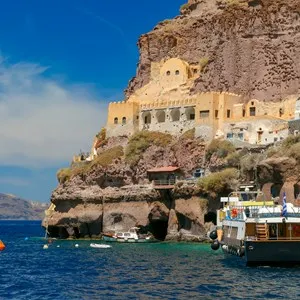
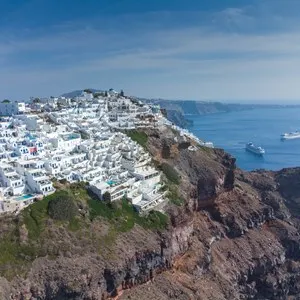
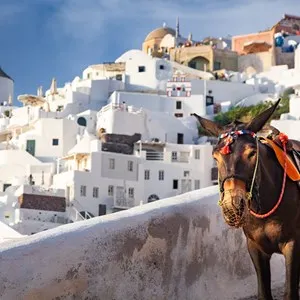
Santorini's beauty has been celebrated for centuries, fully deserving its ancient epithet 'Kalliste' (the most beautiful). Alongside 'Strogili', these were among the former names given to the island throughout its turbulent history — a history marked by battles and conquests, a devastating volcanic eruption, and a remarkable renaissance. These events left their scars, but never diminished Santorini’s enduring charm. Together with the inhabited island of Therasia and three smaller islets, Thera (Santorini’s Greek name) forms part of the eponymous archipelago — the remnants of a volcanic caldera. These islands, renowned for their pristine nature and postcard-perfect views, are accessible by boat and offer a glimpse of the timeless appeal of old Santorini. The main island itself is divided into picturesque villages, expertly adorned in dazzling blue and white hues. These villages reflect the island’s multifaceted personality and extraordinary diversity of landscapes, making Santorini a unique and captivating holiday destination.
15,500 (2025)
Euro (€, EUR)
Fire Emergency: 199
Ambulance: 166
Police: 100
Tourist Police: 171
During the summer months (April to October), most shops open around 10am and stay open until 9pm or later, especially in tourist-heavy areas. Cafés and restaurants usually open by mid-morning and stay open well into the night, particularly in places with sunset views. Many of these establishments close or reduce their hours significantly in the off-season (November to March), with some shutting entirely for winter. Always check ahead if you're visiting outside peak months.




















The best time to visit Santorini is from late April to early November. During this period, the weather is warm and sunny, ideal for enjoying the island's beaches and outdoor activities. July and August are peak tourist months, so consider visiting in the shoulder months of May, June, September, or October for fewer crowds and pleasant temperatures.
A stay of 3 to 5 days in Santorini is recommended to fully experience the island's highlights. This allows time to explore the iconic towns of Fira and Oia, relax on the unique beaches, visit archaeological sites like Akrotiri, and enjoy a sunset cruise.
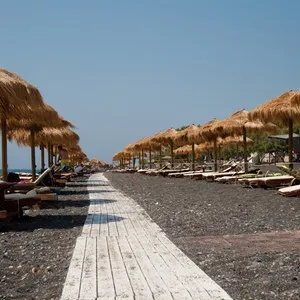
Must-see attractions in Santorini include the stunning caldera views from Fira and Oia, the archaeological site of Akrotiri, and the black sand beaches of Kamari and Perissa. Don't miss a visit to the charming village of Pyrgos and a sunset viewing from the ruins of Oia Castle.
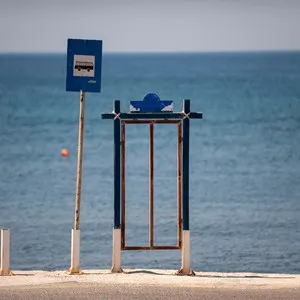
Santorini offers several transportation options, including rental cars, ATVs, and scooters for exploring at your own pace. Public buses connect major towns and are a budget-friendly option. Taxis are available but can be scarce during peak times, so booking in advance is advisable.
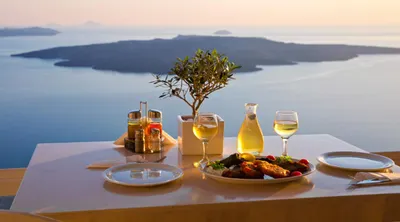
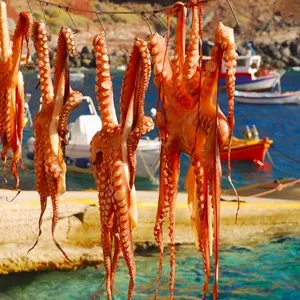
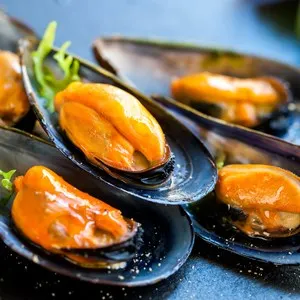
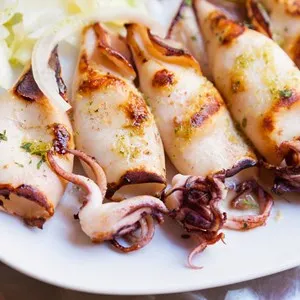
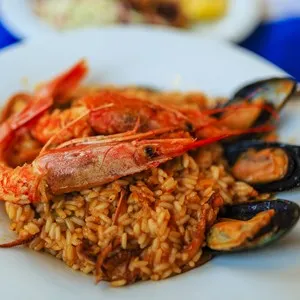
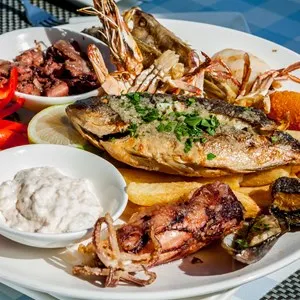
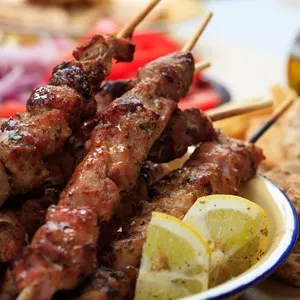
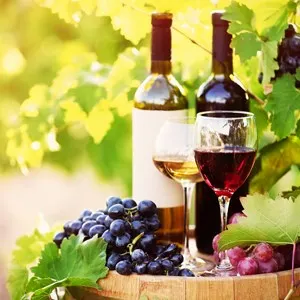
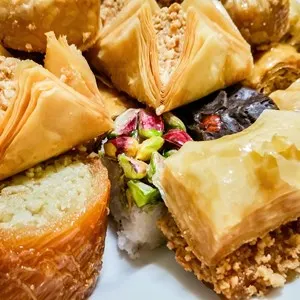
Santorini is known for its unique cuisine, influenced by local produce and volcanic soil. Try dishes like fava (yellow split pea puree), tomatokeftedes (tomato fritters), and fresh seafood. Don't miss tasting the island's renowned wines, particularly Assyrtiko, a crisp white wine.
Oia is the most famous spot for watching the sunset in Santorini, offering breathtaking views over the caldera. Arrive early to secure a good spot, or consider booking a sunset cruise for a unique perspective from the water.
Santorini hosts several cultural events and festivals throughout the year. The Santorini Jazz Festival in July and the International Music Festival in September attract visitors with performances by international and local artists. The Ifestia Festival in August features fireworks over the caldera, celebrating the island's volcanic heritage.