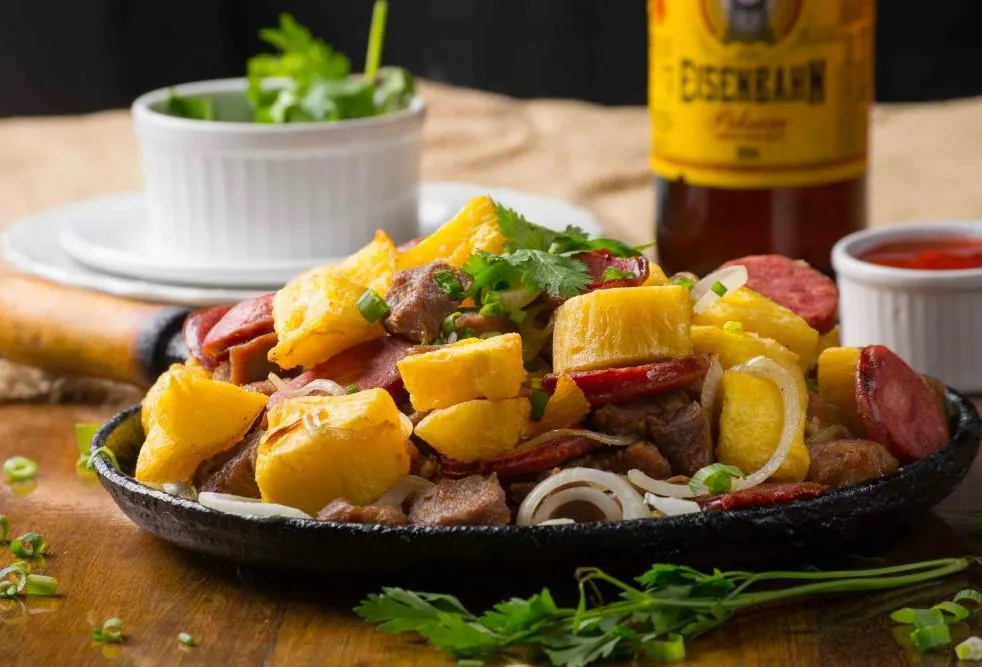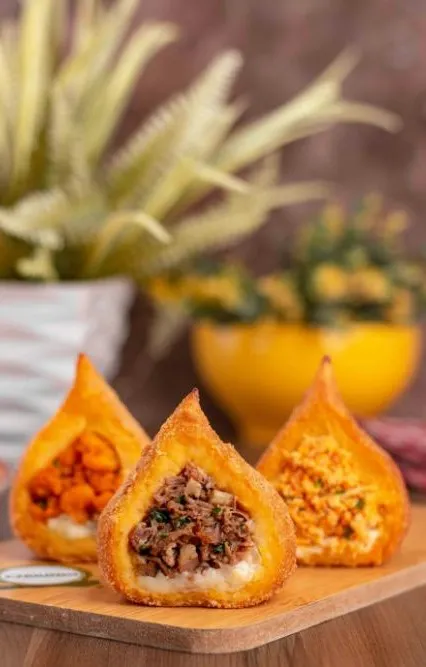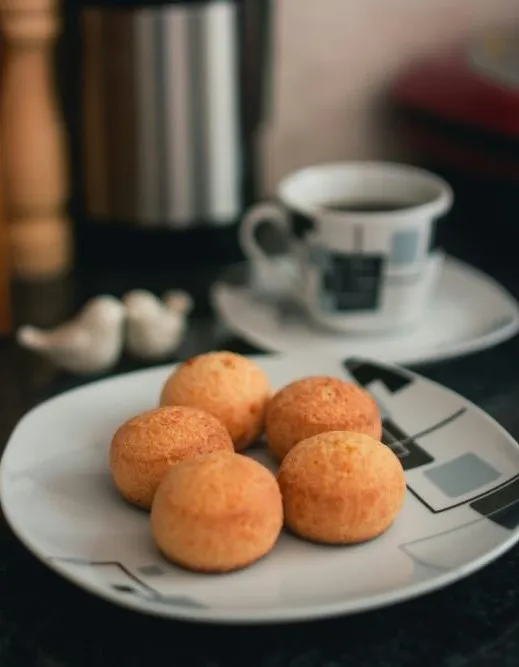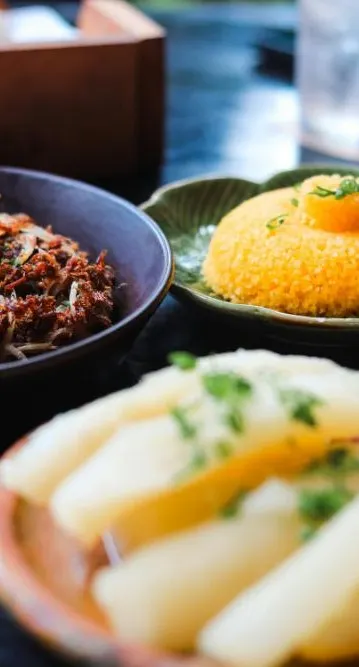

Brazil is one of the world's great culinary nations — a country whose food tells the story of its history more vividly than any museum. This ten-day journey moves through four of its most distinctive gastronomic chapters: the cosmopolitan brilliance of São Paulo, where immigrant traditions and culinary ambition have created one of the world's great restaurant cities; the Afro-Brazilian soul of Salvador, where dendê oil, dried shrimp, and centuries of West African culinary memory define every dish; the primal Amazon kitchen of Manaus, built from ingredients the rest of the world is only beginning to discover; and the easy, sun-drenched pleasures of Rio de Janeiro, where churrascarias, botecos, and seafood markets embody the carioca approach to life. Travelling with expert guides and dining at tables ranging from street stalls to acclaimed restaurants, this is Brazil tasted in full.
Includes
Keytours 24-hour emergency assistance
Private arrival and departure transfers as per itinerary
Accommodations of your choice
Sightseeing tours and/or activites of your choice
Excludes
Items of a personal nature
All other items not mentioned as included
Domestic flights; please inquire with your Keytours travel consultant
Transfers not mentioned in the itinerary
Gratuities for drivers, guides, and escorts
Itinerary
Day 1
Day 1
Arrival in São Paulo & First Taste of the World's Food Capital
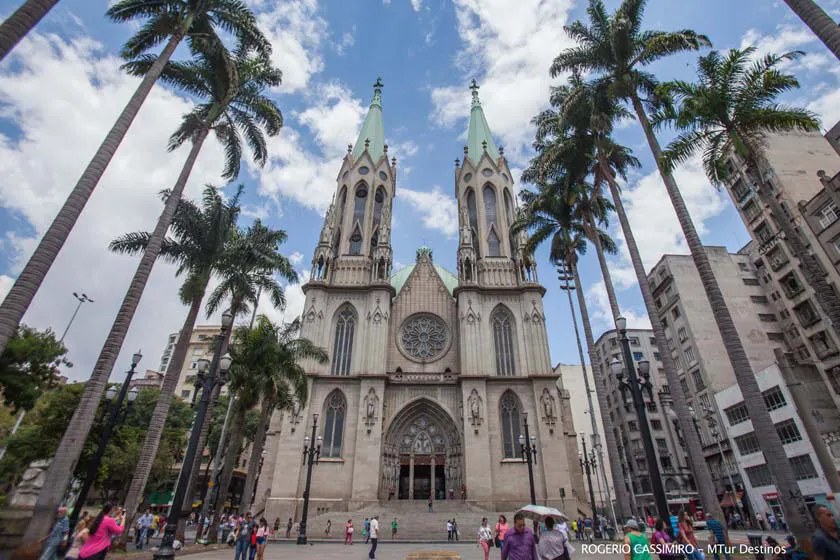
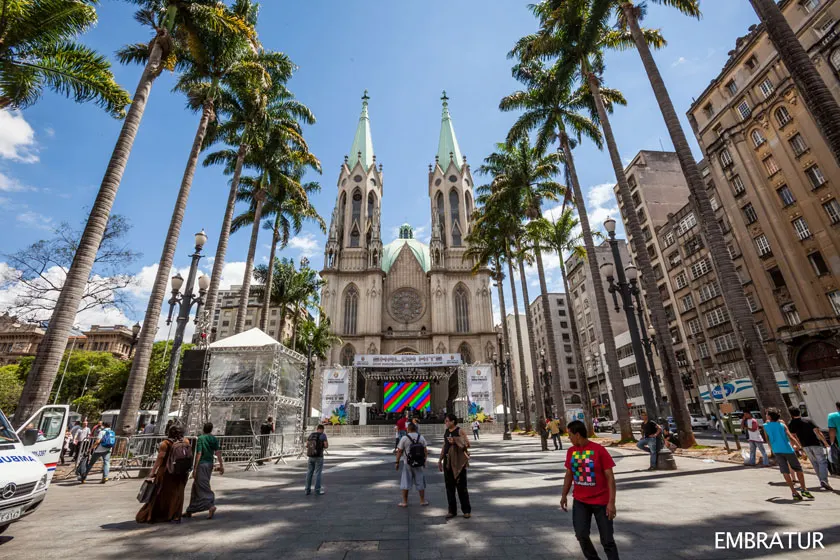
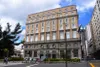
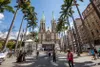
Arrive in São Paulo and transfer to your hotel in the Jardins district, the elegant neighborhood at the center of the city's extraordinary restaurant scene. São Paulo is home to more restaurants per capita than any city on earth outside Tokyo — a statistic that begins to make sense the moment you step outside. Spend the afternoon on a gentle orientation walk through the Jardins streets, pausing at delicatessens, artisan bakeries, and the wine shops that line Rua Oscar Freire. As evening approaches, your culinary journey begins in earnest with a reservation at one of the city's celebrated contemporary restaurants, where Brazilian ingredients are elevated through techniques that have placed São Paulo firmly on the global gastronomic map. Tonight is an introduction — the feast begins tomorrow.

Day 2
Day 2
Mercadão, Immigrant Kitchens & the Soul of São Paulo
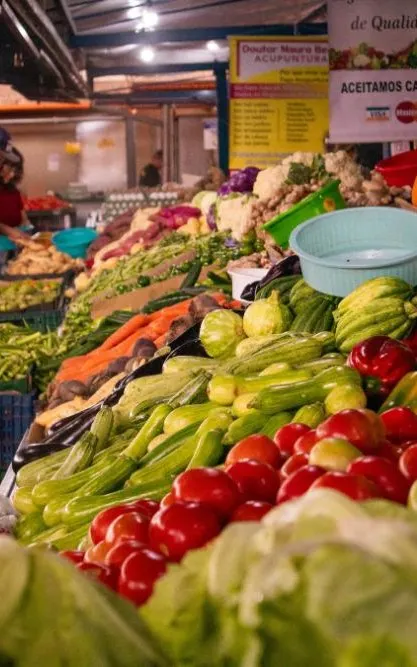
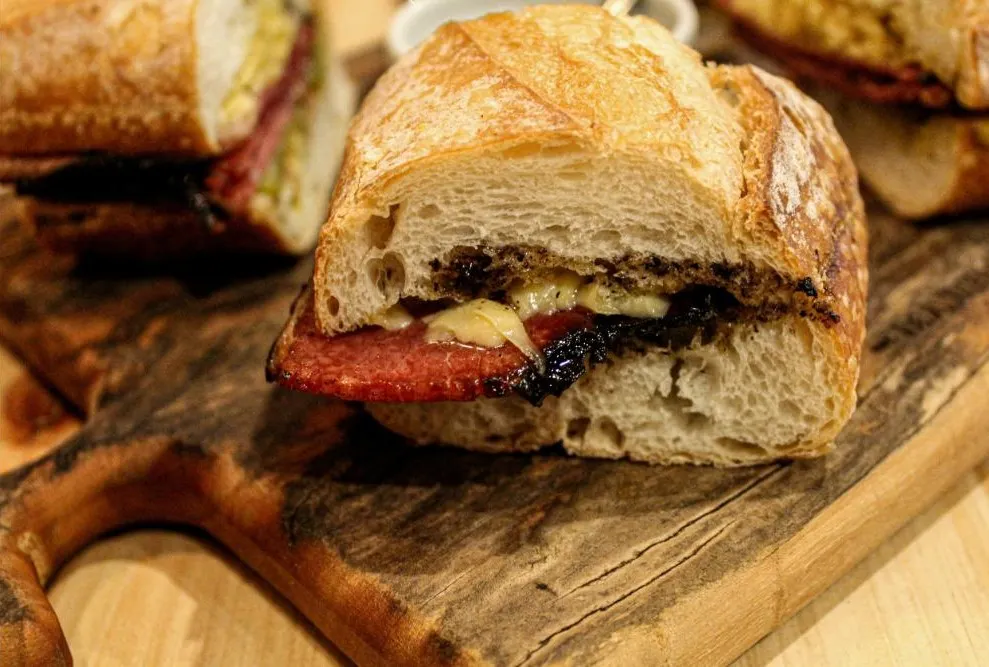
Begin the morning at the Mercado Municipal — known to locals as the Mercadão — one of the great covered markets of South America, housed in a magnificent early 20th-century building whose stained-glass windows depict scenes of Brazilian agriculture and commerce. Sample the legendary mortadella sandwich at one of the market's historic stalls before exploring the extraordinary range of spices, tropical fruits, cured meats, and dried goods that supply the city's kitchens. In the afternoon, explore Liberdade — São Paulo's Japanese-Brazilian neighborhood — where the Sunday street market reveals how profoundly Asian immigration has shaped the city's food culture, from fresh sashimi to taiyaki and matcha-infused pão de queijo. End the day in Bixiga, the Italian neighborhood, for a long dinner of the wood-fired pizza that São Paulo has made entirely its own.
Day 3
Day 3
Cooking Class, Chef's Table & São Paulo After Dark
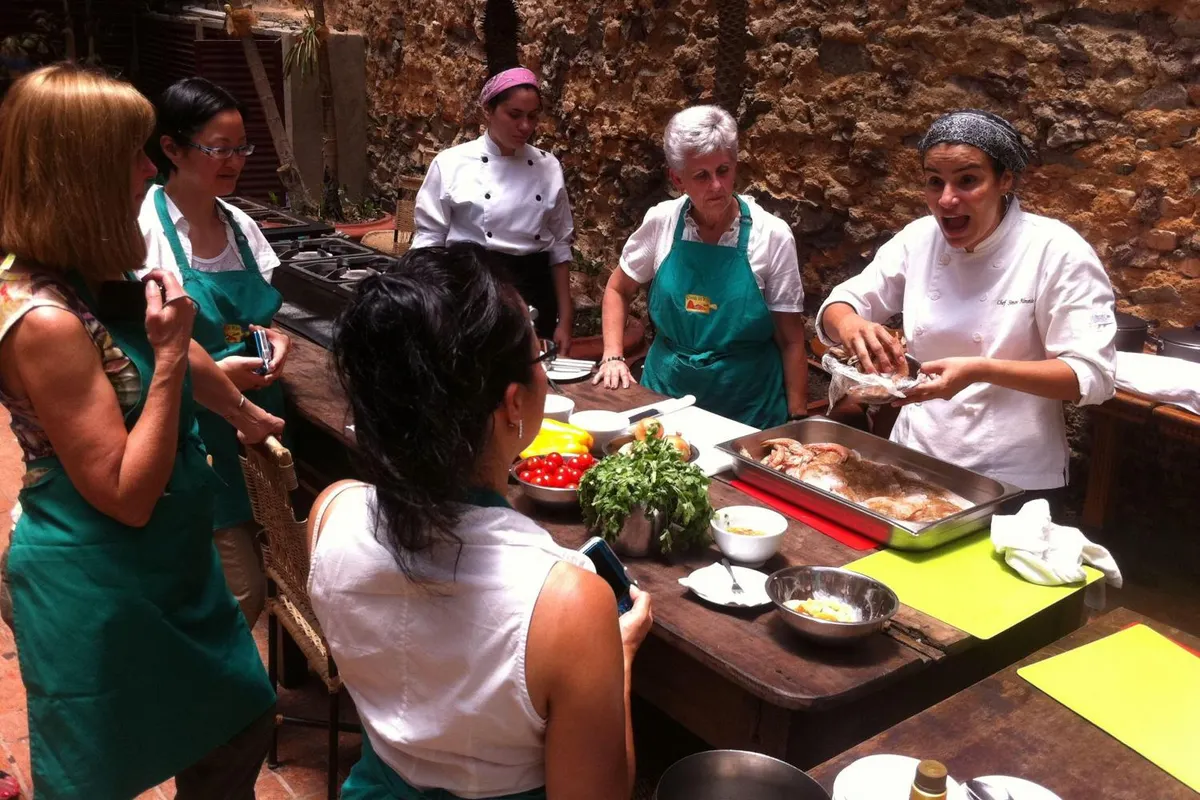
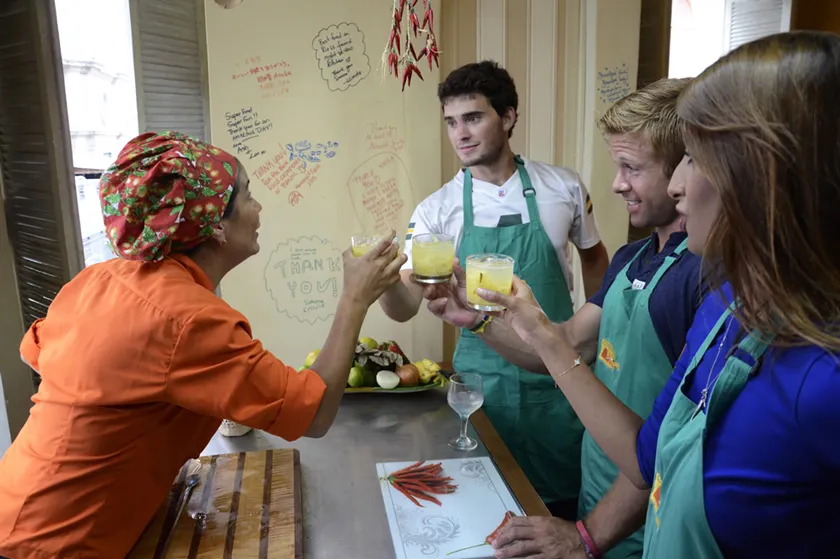
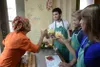
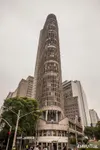
This morning's private cooking class with a São Paulo chef dives deep into the regional Brazilian kitchen — learning to prepare dishes rooted in the country's diverse culinary geography, from the bean stews of Minas Gerais to the seafood traditions of the northeast. The class culminates in a shared lunch around the kitchen table, paired with Brazilian wines and cachaça cocktails. In the afternoon, visit MASP — the iconic Museu de Arte de São Paulo, suspended above Avenida Paulista on its famous red concrete legs — before a late afternoon stroll through Vila Madalena, the city's most creative neighborhood, where independent wine bars, craft beer taprooms, and petisco counters spill onto the streets. Tonight, a reservation at D.O.M. or a similarly acclaimed address brings São Paulo's gastronomic ambition into full focus.
Day 4
Day 4
Fly to Salvador & the African Roots of Brazilian Cuisine
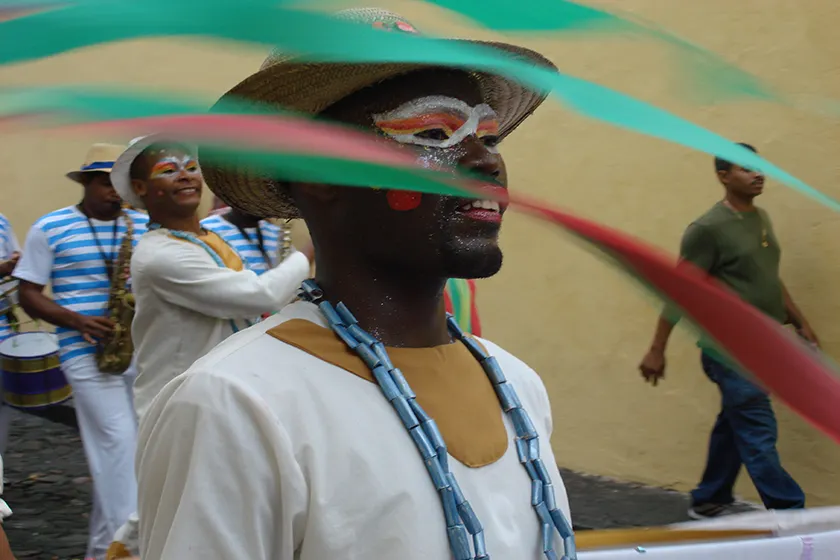
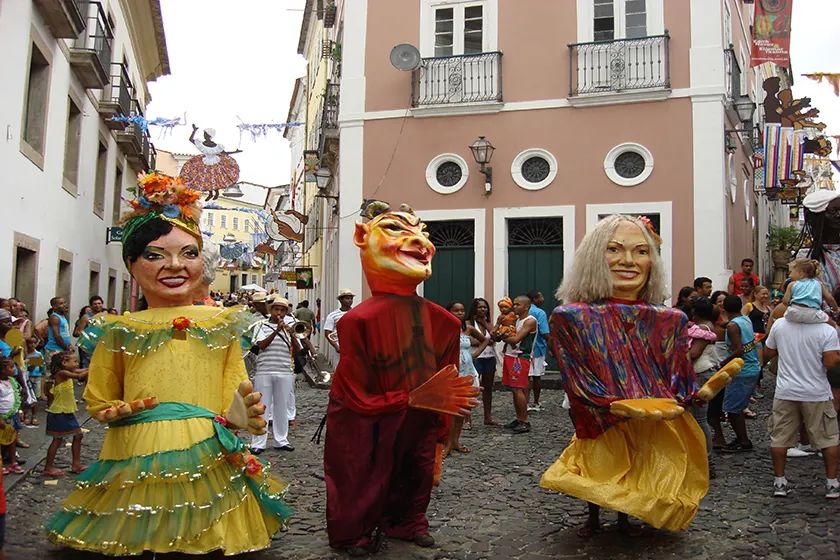
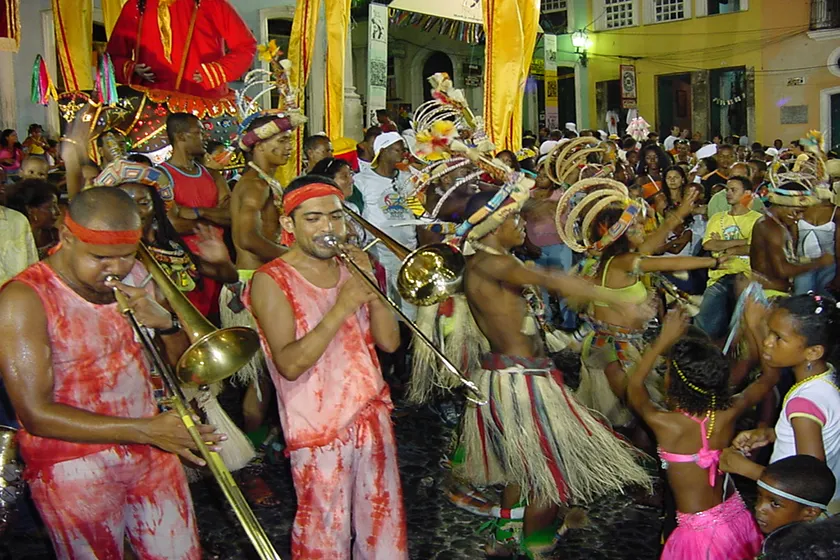
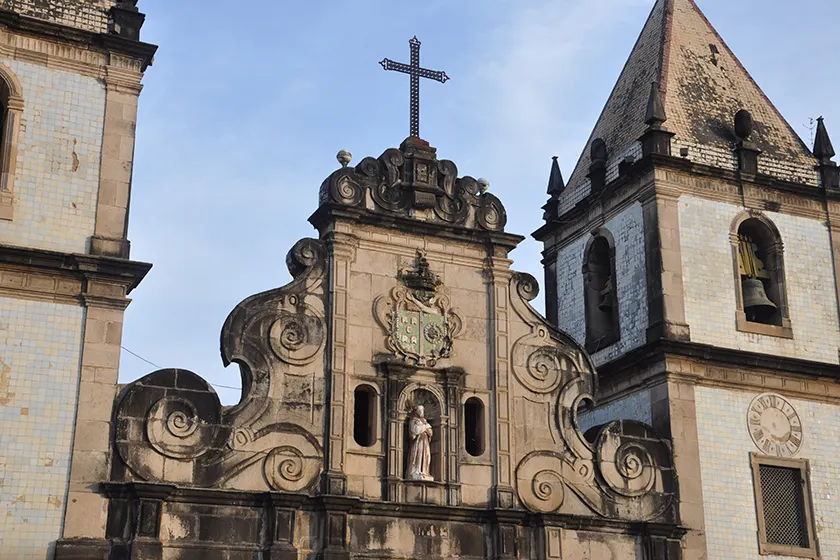
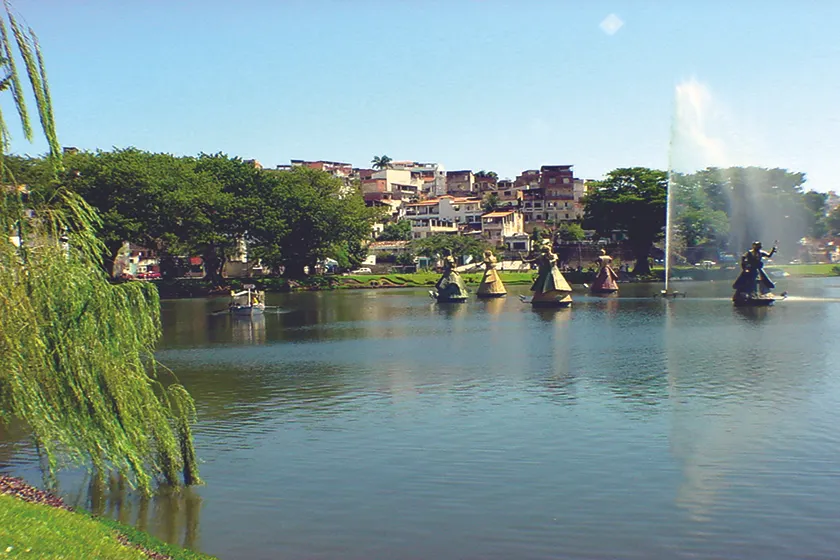
After breakfast, transfer to Guarulhos Airport for your flight north to Salvador, where the story of Brazilian food shifts dramatically in character and origin. The cuisine of Bahia is the most distinctly African of any in Brazil — shaped by the ingredients, techniques, and flavor memories carried across the Atlantic by enslaved West Africans, and preserved with extraordinary fidelity over centuries. Upon arrival, transfer to your boutique hotel in the Pelourinho and spend the afternoon on a guided walk through the historic center, pausing at the street stalls of the Baianas de Acarajé — women in traditional white dress who fry black-eyed pea fritters in bubbling dendê palm oil at street corners across the city. This simple, extraordinary snack, recognized by UNESCO as an Intangible Cultural Heritage, is the perfect introduction to what lies ahead.
Day 5
Day 5
Bahian Cooking Class & the Spice Traders of Mercado Modelo
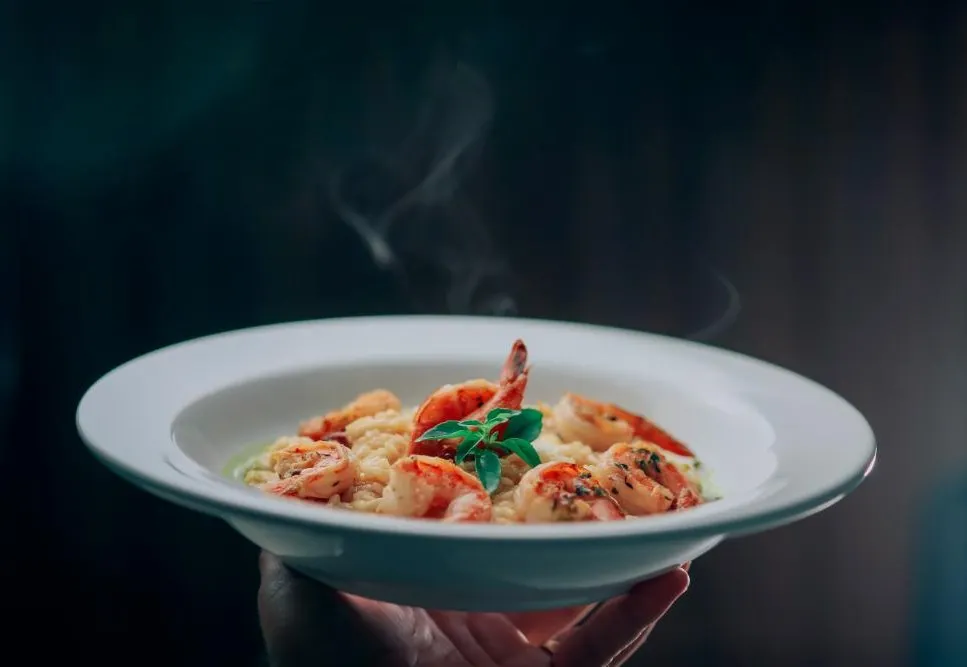
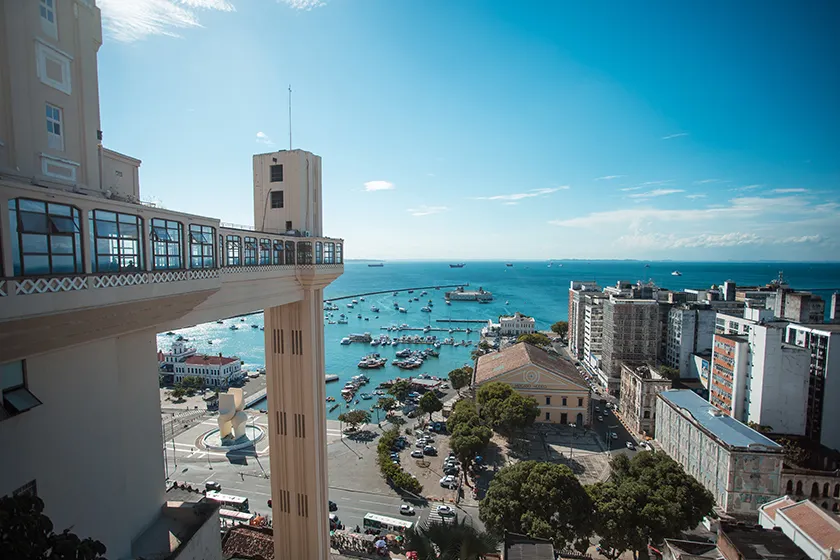
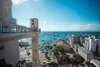
Begin the morning at Mercado Modelo, the city's great trading hall at the foot of the Lacerda Elevator, where the stalls of spice merchants, dendê oil producers, and dried shrimp suppliers reveal the raw building blocks of Bahian cuisine. Shop alongside local chefs and take time to learn the stories behind the ingredients — the smoky dried shrimp that anchor so many sauces, the fiery pimenta malagueta, the thick golden dendê that gives moqueca its color and its soul. In the afternoon, a hands-on cooking class takes these ingredients from market to table, guiding you through the preparation of Bahia's most iconic dishes — moqueca de camarão, vatapá, caruru, and bobó de camarão. The evening brings dinner at one of Salvador's finest contemporary restaurants, where the same tradition is reimagined through a modern lens.
Day 6
Day 6
The Recôncavo: Sugar, Cachaça & Artisan Food Traditions
Today's excursion takes you inland to the Recôncavo Baiano, the fertile river basin whose sugar plantations defined the region's economy for three centuries and whose culinary legacy endures in every kitchen. Visit a traditional engenho — a historic sugar mill — to understand how the production of rapadura, molasses, and artisan rum shaped the food culture of the entire region. A visit to a small-batch cachaça distillery follows, with a guided tasting that traces the differences between the industrial spirit exported abroad and the handcrafted version produced in small quantities for local consumption. Lunch is served at a family-run restaurant in Cachoeira, the colonial town at the heart of the Recôncavo, where home cooking of extraordinary depth and simplicity has remained unchanged for generations. Return to Salvador for a final evening at leisure.
Day 7
Day 7
Fly to Rio de Janeiro | The Carioca Table
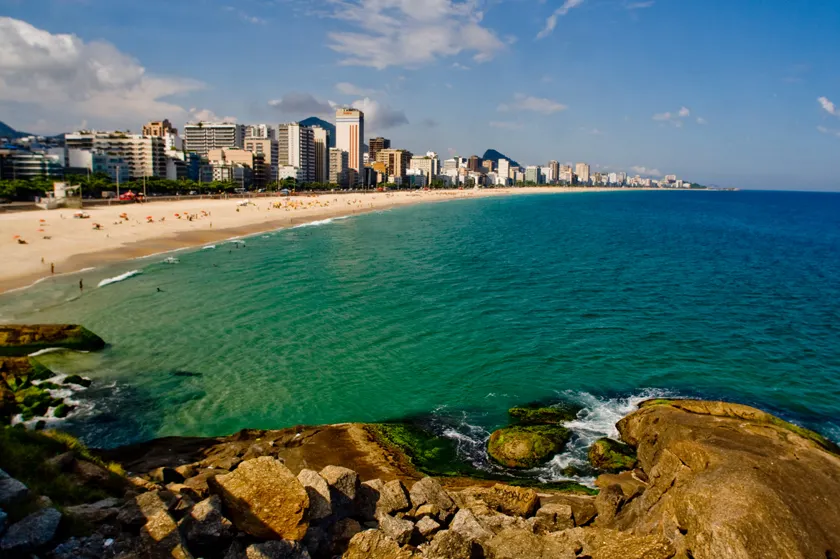
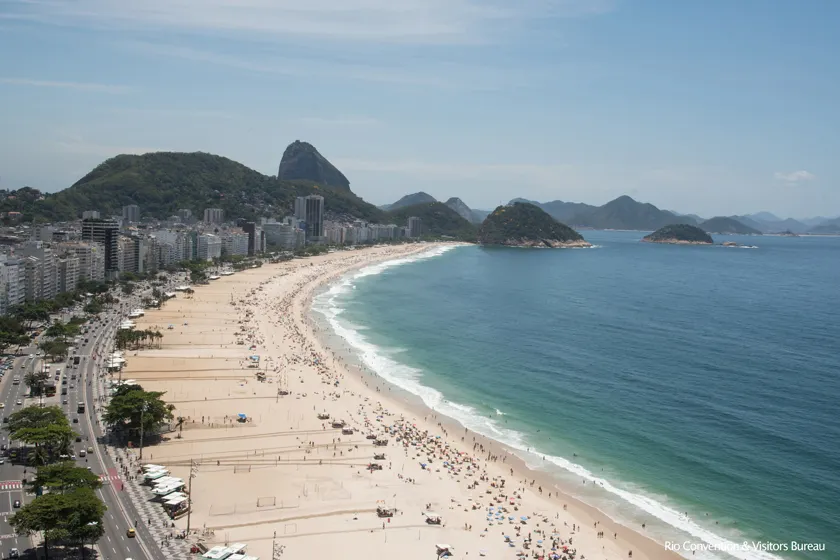
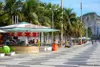
Fly south from Salvador to Rio de Janeiro, where the food culture shifts once more — looser, more spontaneous, and deeply tied to beach life, neighborhood bars, and the rhythms of a city that treats eating and drinking as one of its primary civic pleasures. Transfer to your hotel and spend the afternoon exploring the Cobal do Leblon — Rio's most atmospheric covered market, where fishmongers, cheese vendors, fruit stalls, and casual restaurant counters operate side by side in a space that captures the easy conviviality of the carioca food scene. As evening approaches, make your way to Santa Teresa for dinner at one of the hilltop neighborhood's celebrated independent restaurants, where the city's new generation of chefs is producing some of the most interesting cooking in Brazil in intimate, candlelit spaces far from the tourist trail.
Day 8
Day 8
Feijoada, Boteco Culture & Farewell to Rio
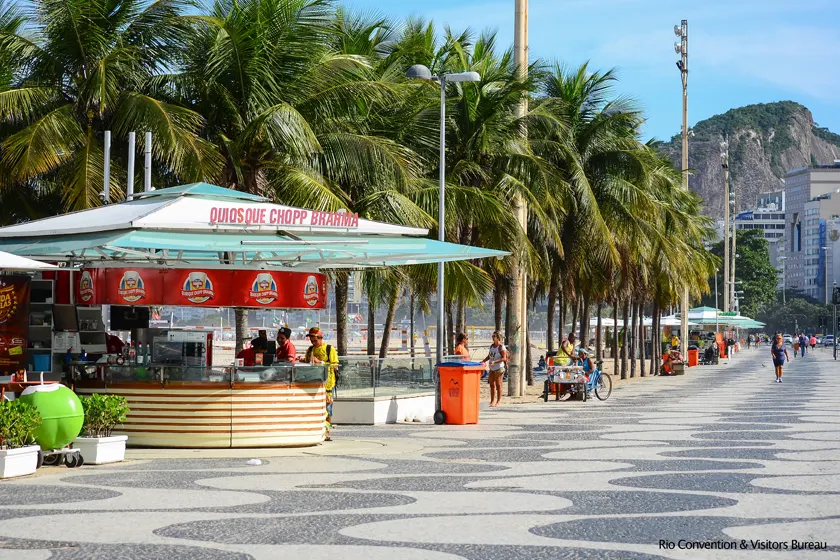
No culinary journey through Brazil is complete without feijoada — the slow-cooked black bean and pork stew that is the country's most beloved dish, traditionally served on Saturdays with rice, farofa, couve, and orange slices to cut through the richness. Begin the morning with a cooking class dedicated to this national institution, learning the variations that exist between regions and the stories embedded in a dish born in the slave quarters of Brazil's colonial plantations. The afternoon is devoted to the boteco — Rio's neighborhood bar tradition, where cold chopp, petiscos of salt cod fritters and grilled linguiça, and hours of unhurried conversation define the carioca way of life. A final evening dinner in Ipanema closes Rio's chapter before an early transfer to Galeão Airport tomorrow morning for the flight north into the Amazon.
Day 9
Day 9
Fly to Manaus | The Amazon Kitchen
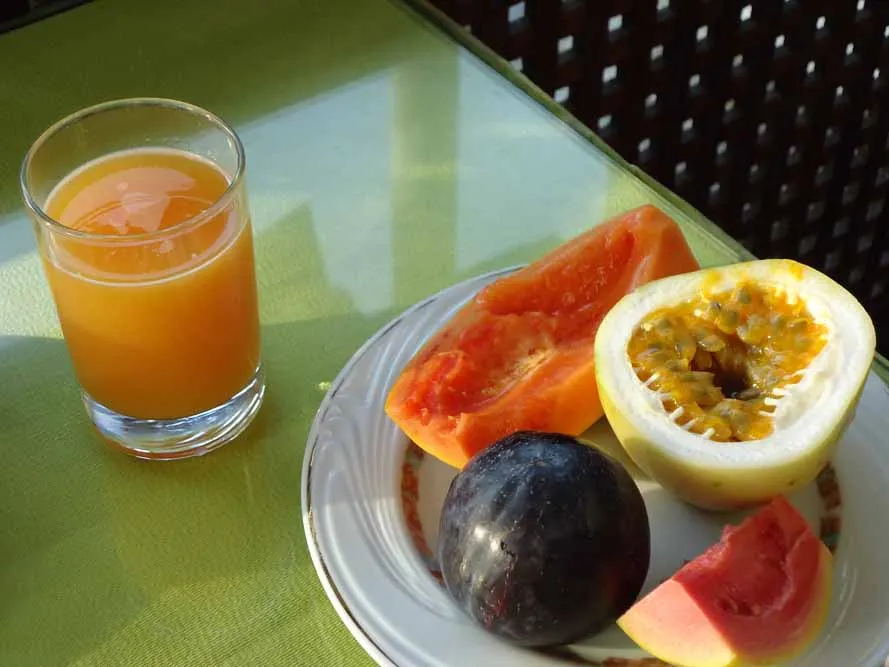
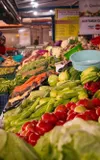
A morning flight north from Rio delivers the journey to Manaus — capital of the Brazilian Amazon and gateway to one of the most distinctive and least-known culinary traditions on earth. Upon arrival, your guide takes you directly to the Adolpho Lisboa Municipal Market — a breathtaking iron and glass structure modelled on Les Halles in Paris, its stalls piled high with ingredients that exist nowhere else: the enormous pirarucu fish, the vivid yellow tucupi broth extracted from wild manioc root, the jambu leaf that causes a tingling numbness on the tongue, and dozens of Amazonian fruits — cupuaçu, bacuri, pupunha — whose flavors defy easy description. Spend the afternoon exploring the market and surrounding streets before a landmark dinner at Caxiri Amazônia, Manaus's most acclaimed restaurant, where the entire menu is built around the extraordinary biodiversity of the Amazon basin.
Day 10
Day 10
Foraging in the Forest & Riverside Community Cooking
Transfer by boat to your Amazon lodge for an immersive day centered on the forest kitchen. A guided foraging walk with a local naturalist reveals the extraordinary edible landscape of the primary rainforest — identifying fruits, roots, leaves, and fungi used in traditional caboclo cooking, and explaining the medicinal and nutritional knowledge accumulated over generations of living in close relationship with the forest. A visit to a local riverside community follows, where family cooks prepare a traditional lunch of freshly caught fish grilled over wood coals, tucupi-based stews, and farinha de mandioca — the toasted manioc flour that accompanies virtually every meal in the Amazon. The afternoon brings one of the river's most thrillingly memorable experiences — piranha fishing from a wooden canoe in the shallows — before a sunset return to the lodge for dinner prepared with the day's catch beneath a sky of extraordinary, uninterrupted stars.
Day 11
Day 11
Pink Dolphins, Cachaça do Amazonas & Farewell to the Forest
A final Amazon morning begins on the water — a private boat excursion to encounter the legendary pink river dolphins, the boto, surfacing beside the canoe in open river channels as the early light catches the forest canopy in gold. Return to Manaus for an afternoon devoted to the city's less-visited culinary and cultural corners: a visit to a small-batch producer of cachaça do Amazonas, where sugarcane spirit is infused with native Amazonian botanicals — cumaru, priprioca, jatobá — in a tradition that reflects the forest's extraordinary pharmacopoeia as much as its larder. A final lunch at the Adolpho Lisboa market rounds out ten days of extraordinary flavor — one last tucupi broth, one last cup of cupuaçu juice — before the accumulated richness of the journey settles into memory with the particular satisfaction of a country understood, for the first time, through everything it grows, catches, ferments, and cooks. A private transfer to Eduardo Gomes International Airport begins the journey home.