
Details for Siem Reap
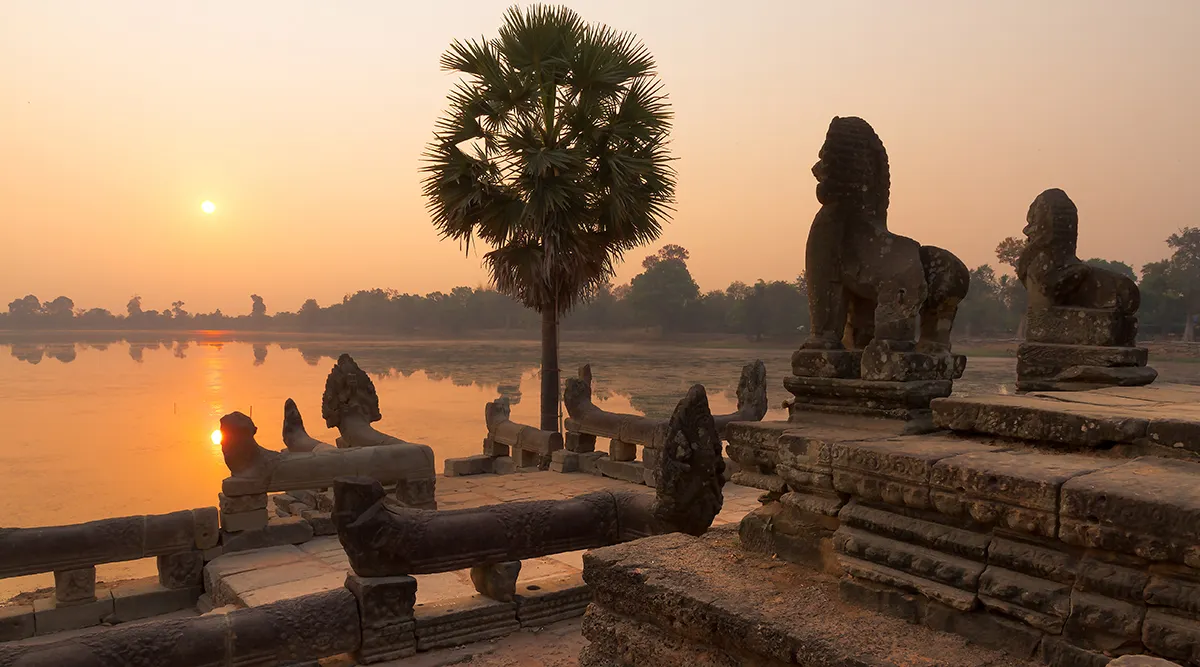
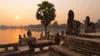

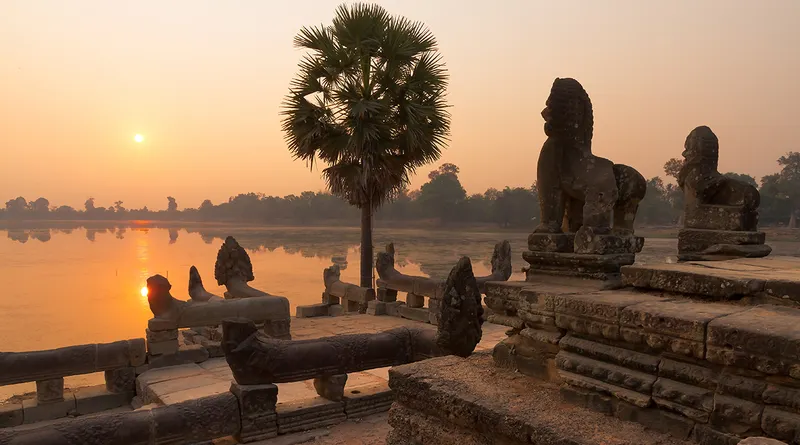
Siem Reap is small, quaint, and centred around the small river that runs through it. Right next to the river is the Old Town, known as the French Quarter, which is nestled around the Old Market. Though Cambodia went through its own self-destructive turmoil under the rule of the Khmer Rouge (1975-1979), today, the country is developing: roads are being built, electricity runs continuously, and streets are not flooded any longer. Yet, this new modernisation has not spoilt the natural beauty of the Cambodian scenery, as farmers work in the rice fields, children skip to school, and palm trees dot the landscape.
Around 140,000 (2023)
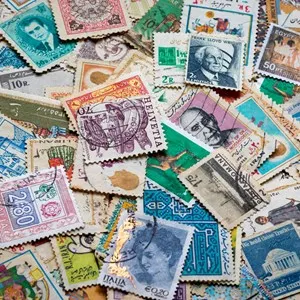
Cambodian riel (KHR). The US dollar is also widely used.
Ambulance: 119
Police: +855 12 402 424
Fire: +855 12 784 464
Most shops are open daily from 8am–7pm and markets are open from 6am–5pm.
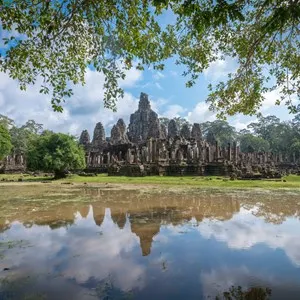

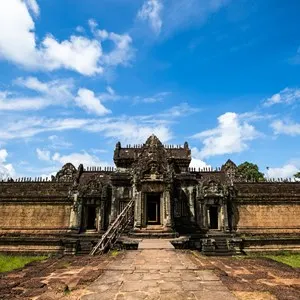








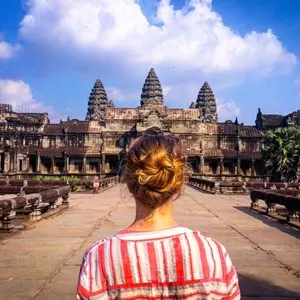
The best time to visit Siem Reap is from November to March when the weather is cooler and drier. During these months, temperatures are more comfortable for exploring the temples and other outdoor activities. However, this is also the peak tourist season, so expect larger crowds at popular sites like Angkor Wat.
A stay of 3 to 4 days is ideal for Siem Reap. This allows ample time to explore the Angkor Archaeological Park, visit the floating villages on Tonle Sap Lake, and experience the local culture and cuisine. Additional days can be added if you wish to explore more remote temples or enjoy leisure activities like spa treatments.
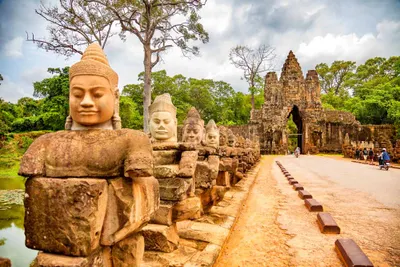
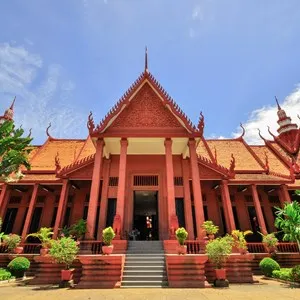
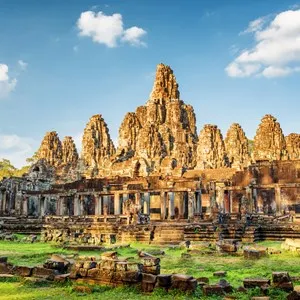
Siem Reap is most famous for the Angkor Archaeological Park, home to Angkor Wat, Bayon Temple, and Ta Prohm. Beyond the temples, the Angkor National Museum offers insights into Khmer history, and the Phare Circus provides a unique cultural experience. Don't miss a visit to the vibrant Old Market and Pub Street for shopping and dining.
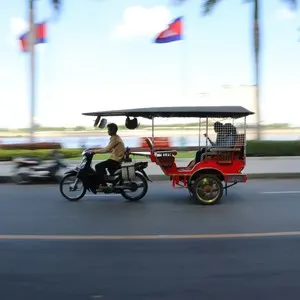
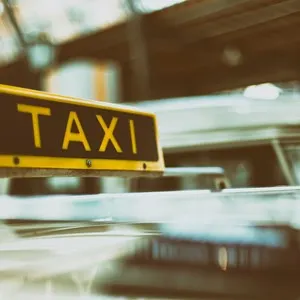
The most convenient way to get around Siem Reap is by tuk-tuk, which is affordable and readily available. For visiting the Angkor temples, hiring a tuk-tuk driver for the day is a popular option. Bicycles and electric bikes are also available for rent, offering a more eco-friendly way to explore the area.
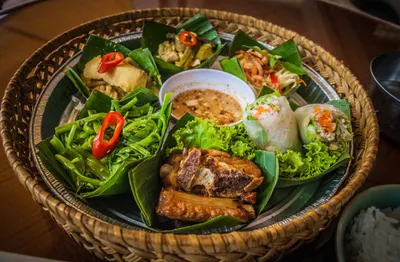
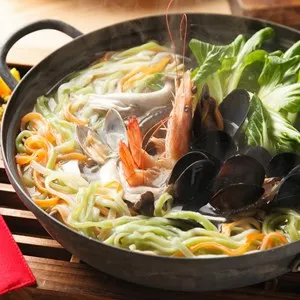
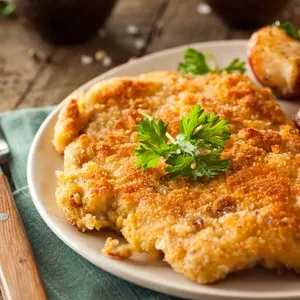
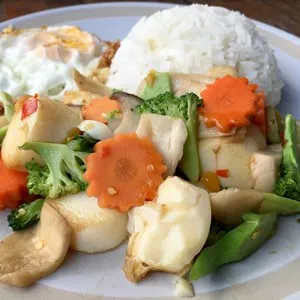
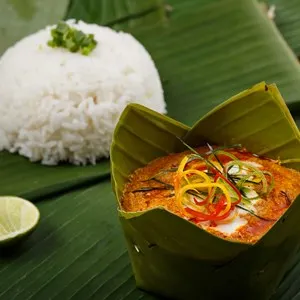
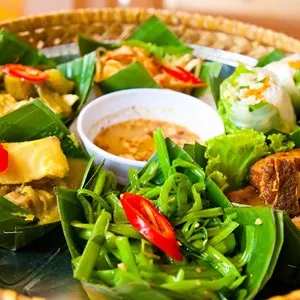
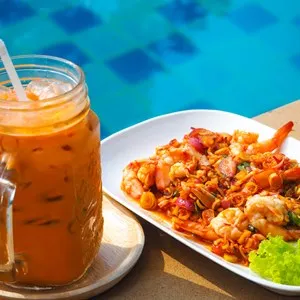
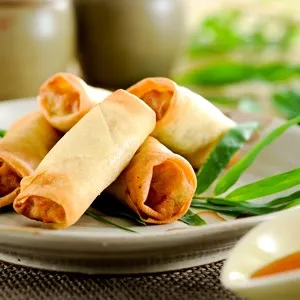
In Siem Reap, you should try traditional Khmer dishes such as Amok, a coconut milk curry often made with fish, and Lok Lak, a stir-fried beef dish. Street food is also popular, with options like grilled skewers and fresh spring rolls. For a sweet treat, try Num Pang, the Cambodian version of a baguette sandwich.
One of the most significant festivals in Siem Reap is the Khmer New Year, celebrated in April with traditional games, dances, and ceremonies. The Water Festival in November is another highlight, featuring boat races and celebrations along the river. Attending these events offers a deeper understanding of local culture and traditions.
While Siem Reap is generally safe for tourists, it's important to stay hydrated and protect yourself from the sun, especially when exploring the temples. Use insect repellent to guard against mosquito bites. Ensure you have travel insurance that covers medical emergencies, and consider vaccinations for diseases like typhoid and hepatitis A. Always verify the latest health advisories before traveling.