
Details for Singapore


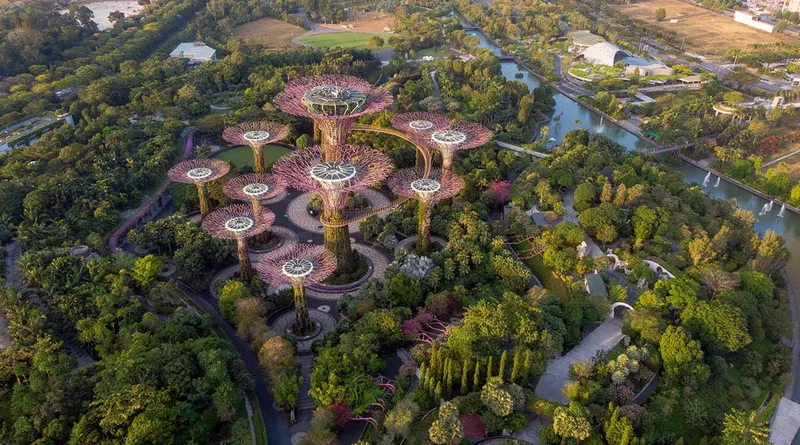
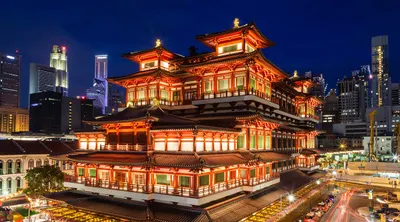
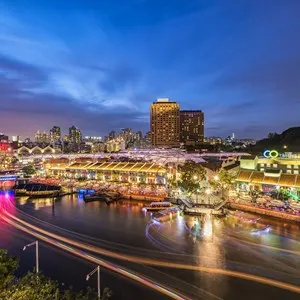
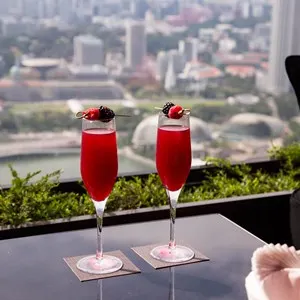
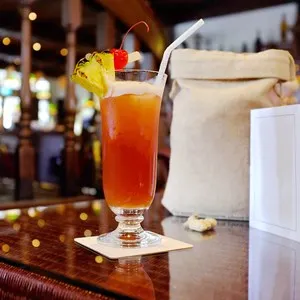
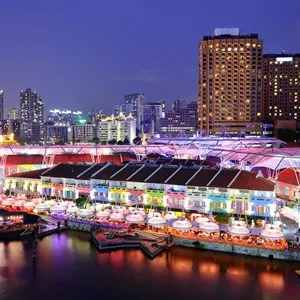
Singapore is clean, safe, efficient and the inhabitants are as proud of this as they are of the city’s strong financial heart beating around the clock. The harbour is the busiest in the world and capital is constantly flowing on the stock exchange. All the world’s banks, insurance companies and investors are represented here. In 200 years, Singapore has gone from being a deserted island to an eminent industrial nation and major financial power, as reflected in the flourishing townscape. A good start for anyone who wants to experience Singapore today, with its mixture of old and new, is to have a drink or a bite on at Boat Quay in the late afternoon. The renovated harbour district is packed with bars and restaurants where people from the financial district meet after work to socialise. Another traditional watering hole is Raffles Hotel, built in the Colonial style. Is there anything more embedded in mysticism than drinking a Singapore Sling in the hotel’s Long Bar? It is a fantastic environment for a long drink, the perfect way to experience Singapore and perhaps the very best way of all to experience the meeting between the city’s exciting history and modern times. Anyone who is looking to experience Singapore as it once was might want to head for the crowds of Chinatown where fortune tellers, calligraphers and temple visitors are a permanent feature of everyday life. In Little India you will find the best Sari fabrics and lots of exciting spices. Don’t miss the small shops on Arab Street either.
6.11 million (2025)
Singapore dollar (SGD or S$) = 100 cents
Police: 999
Emergency/Ambulance/Fire Brigade: 995
Most shops in the city are open from 10am until 8pm or 9pm every day of the week.
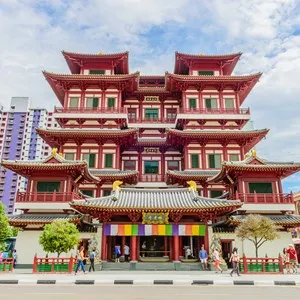
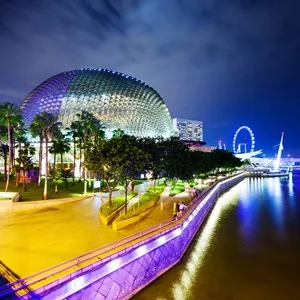

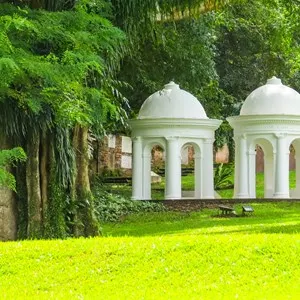
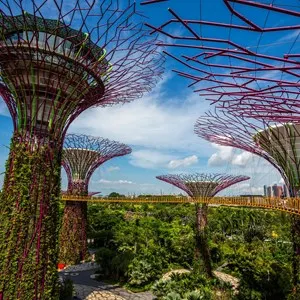
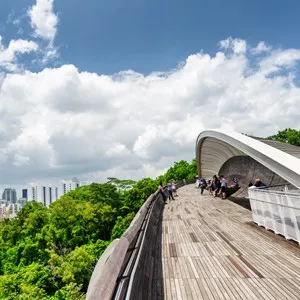
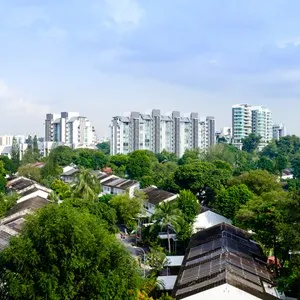









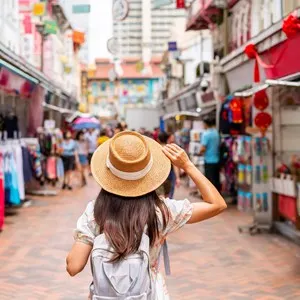





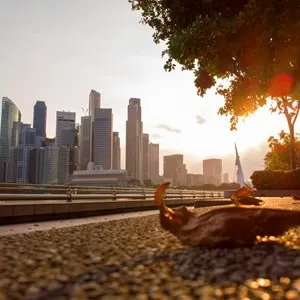


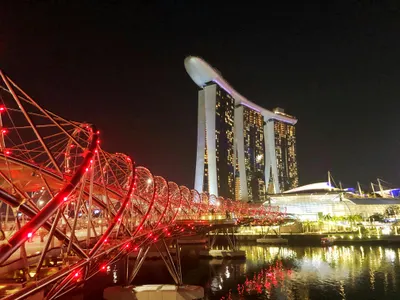
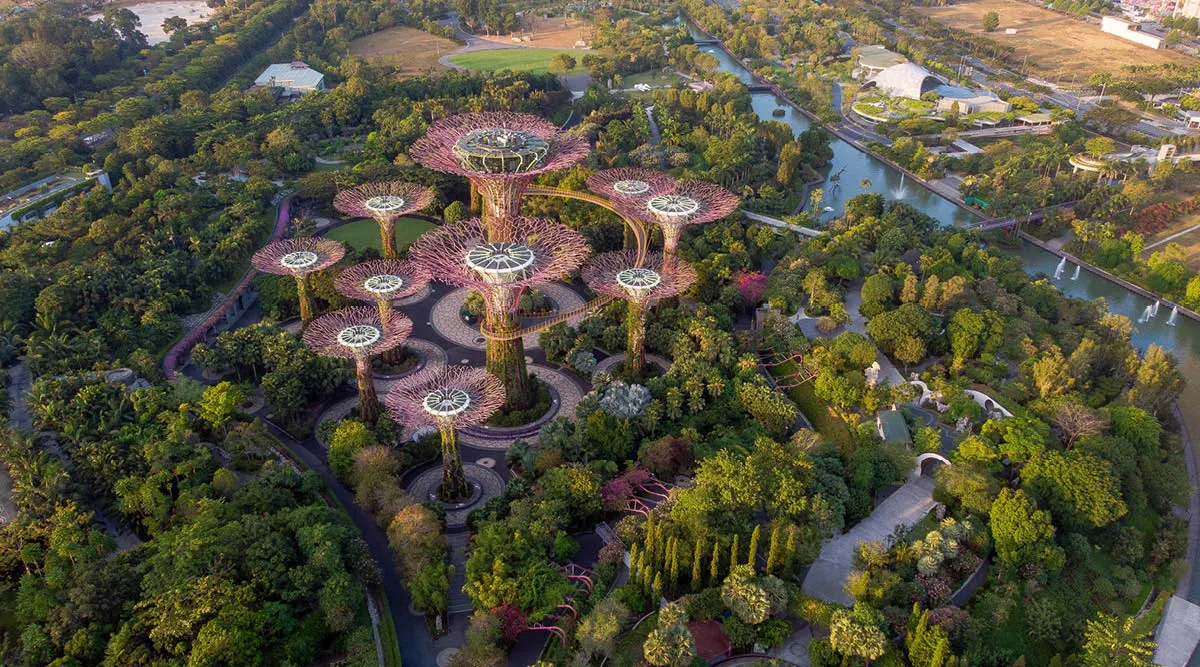
Singapore offers a plethora of attractions, including the iconic Marina Bay Sands with its stunning rooftop infinity pool and observation deck. Gardens by the Bay is a must-visit for its futuristic Supertree Grove and Cloud Forest. Don't miss the vibrant neighborhoods of Chinatown and Little India for cultural immersion. The Singapore Zoo, known for its open-concept habitats, and Sentosa Island, home to Universal Studios Singapore, are also popular.
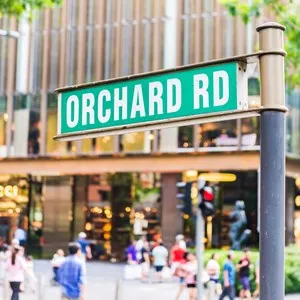
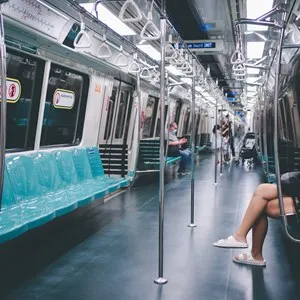
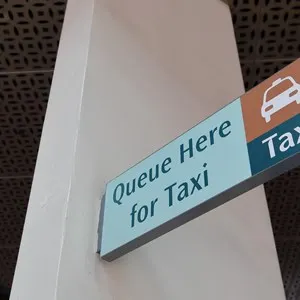
Singapore has an efficient and extensive public transportation system. The Mass Rapid Transit (MRT) is the fastest way to travel across the city-state. Buses and taxis are also readily available. For a more scenic route, consider taking a bumboat ride along the Singapore River. Walking is a great option in areas like Orchard Road and Clarke Quay.
Singapore has a tropical climate, meaning it's warm and humid year-round. The best time to visit is generally from February to April, when the weather is slightly cooler and less rainy. However, Singapore hosts several festivals throughout the year, such as Chinese New Year and the Great Singapore Sale, which can also be great times to visit.
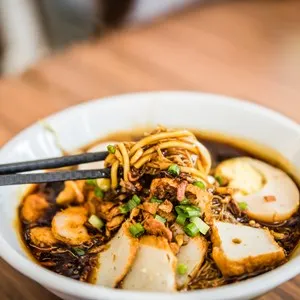
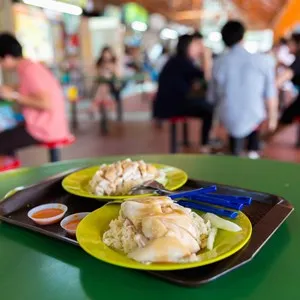
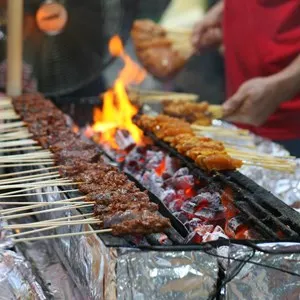
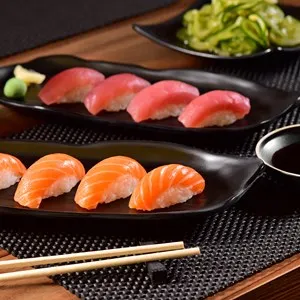
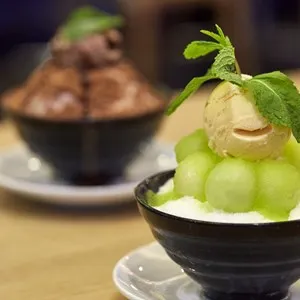
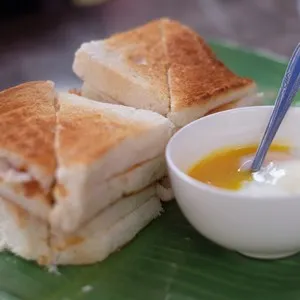
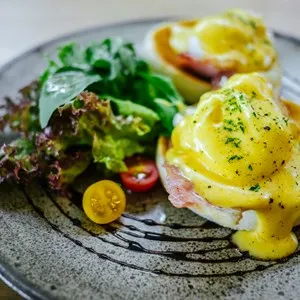
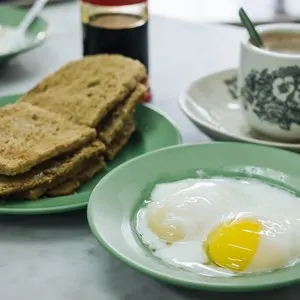
Singapore is a food lover's paradise, known for its diverse culinary scene. Be sure to try Hainanese Chicken Rice, often considered the national dish. Other must-try foods include Chili Crab, Laksa (a spicy noodle soup), and Satay (grilled skewers). Visit hawker centers like Maxwell Food Centre for an authentic local dining experience.
Singapore hosts a variety of cultural events and festivals. The Singapore Food Festival in July celebrates the city-state's culinary diversity. The annual Singapore Grand Prix in September is a major highlight for motorsport fans. Additionally, the Singapore Arts Festival and the Chingay Parade, a vibrant street parade, are not to be missed.
While Singapore itself offers plenty to explore, there are several day trips worth considering. Take a ferry to Pulau Ubin for a glimpse of traditional village life. The Southern Islands, including St. John's Island and Lazarus Island, offer beautiful beaches and nature trails. Alternatively, consider a visit to Johor Bahru in Malaysia, just a short drive across the causeway.
Singapore is a multicultural society with a blend of Chinese, Malay, and Indian influences. It's important to respect local customs, such as removing shoes before entering homes and some temples. Public behavior is generally conservative, so avoid public displays of affection. Also, be mindful of Singapore's strict laws, such as those against littering and jaywalking.