
Split Travel & Vacation Guide
Current Weather

Description
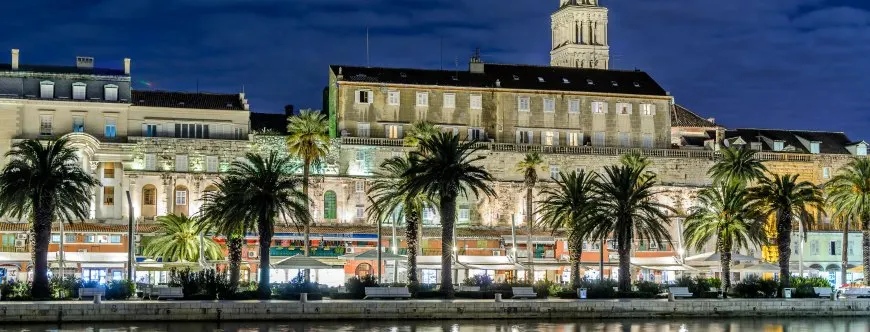
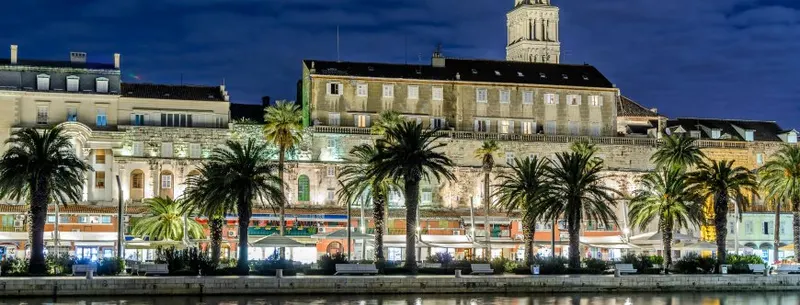
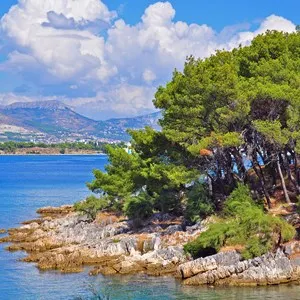
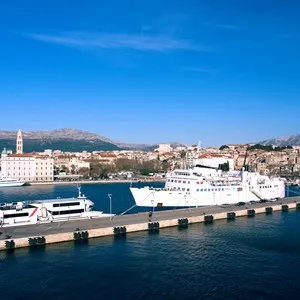
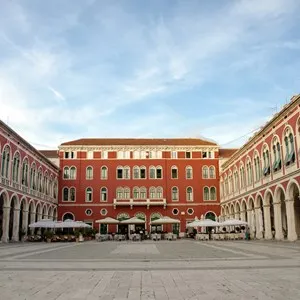
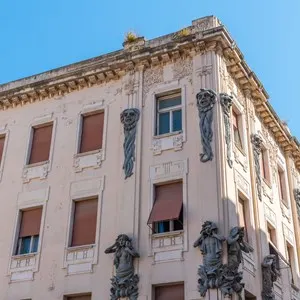
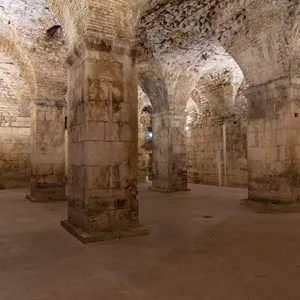
Split is the second largest city in Croatia. In summer, it is a dynamic and vibrant holiday resort. Its pulsating heart is the compact Old Town, composed of orderly streets and monuments of the imposing Roman emperor's abode. Just a stone's throw away from the Palace, Riva, the evocative seafront promenade, runs parallel to the city in a hub of activities that buzzes with life from the early hours, replete with shops, cafes and bars. The seafront boardwalk is where both locals and tourists congregate day and night, mingling and mixing. If the city centre and the crowded beaches have become a major draw for tourists, The Split peninsula is where serenity and the backdrop of Mediterranean flora shapes the atmosphere.
Useful information
176,314 (2025)
On January 1st 2023, Euro replaced Croatian kuna as the country's official currency.
General emergency line: 112
Police: 192
Medical emergency: 194
Rescue at Sea: 195
Fire brigade: 193
During the tourist season, most shops are open from 8am till 8pm on weekdays, and many shops stay open at the weekend. Banks and businesses generally work from 8am until 4pm on weekdays.
Do & See

Dining





Cafés





Bars & Nightlife





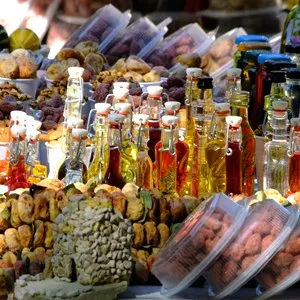
Shopping


Tourist Information






Frequently Asked Questions
The best time to visit Split is during the shoulder seasons of late spring (May to June) and early autumn (September to October). During these months, the weather is pleasantly warm, and the city is less crowded than in the peak summer months. This is also when many local festivals and events take place, offering a more authentic experience.
A stay of 3 to 4 days is ideal to explore Split thoroughly. This allows time to visit the historic Diocletian's Palace, enjoy the local beaches, and take day trips to nearby islands or national parks. If you have more time, consider extending your stay to explore the Dalmatian coast further.
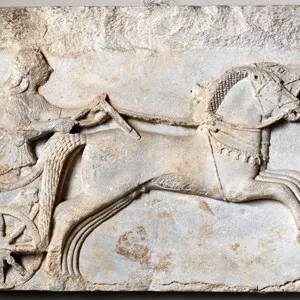
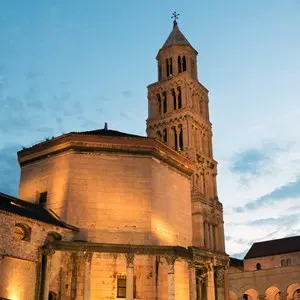
Split's top attractions include the UNESCO-listed Diocletian's Palace, a sprawling complex filled with ancient Roman architecture. Other highlights are the Cathedral of Saint Domnius, Marjan Hill for panoramic views, and the Riva promenade for a leisurely stroll along the waterfront.
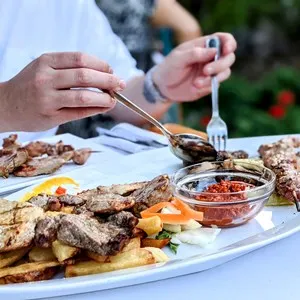
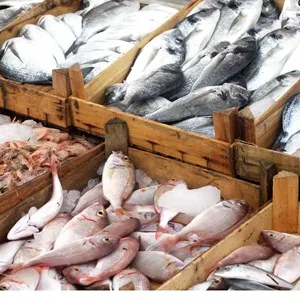
In Split, try local specialties such as "pašticada," a slow-cooked beef dish, and "peka," a method of cooking meat and vegetables under a bell-shaped lid. Fresh seafood is abundant, and don't miss "soparnik," a savory pie filled with Swiss chard. Pair your meal with a glass of local wine or "rakija," a fruit brandy.
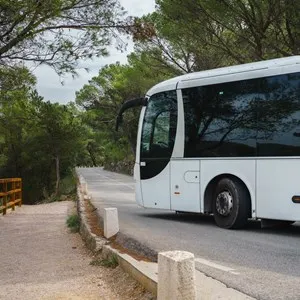
Split is a walkable city, especially within the historic center. For exploring further, public buses are efficient and cover most areas. Taxis and rideshare services are also available. To visit nearby islands, ferries and catamarans depart regularly from the port.
Yes, there are several excellent day trips from Split. Consider visiting the stunning Plitvice Lakes National Park, the charming town of Trogir, or the nearby islands of Hvar and Brač. Each offers unique experiences, from natural beauty to historical sites.
Split hosts several vibrant events throughout the year. The Split Summer Festival, held in July and August, features open-air performances of music, theater, and dance. The Feast of St. Domnius in May is a local celebration with parades and cultural activities. Additionally, the Ultra Europe Music Festival in July attracts electronic music fans from around the world.
Trips