
Stockholm: Sweden’s Historic, Walkable Capital


Current Weather

Description
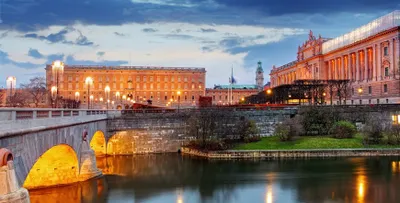
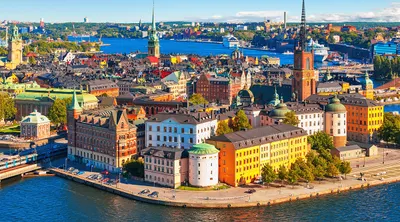
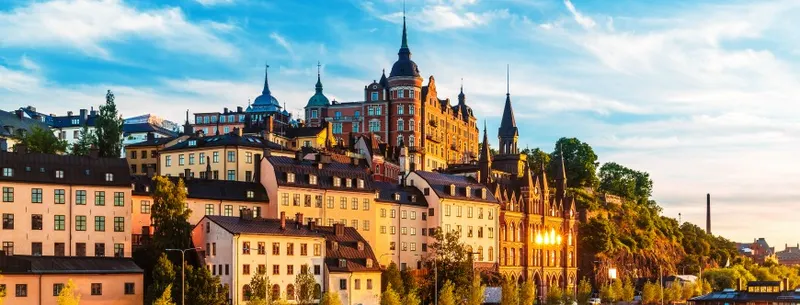
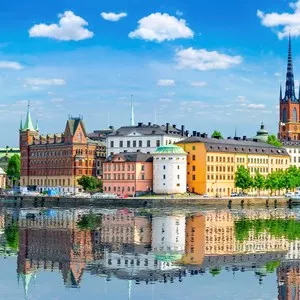
Founded in 1252 by Sweden's then-ruler Birger Jarl, Stockholm boasts a rich history that stretches back centuries. Built on 14 islands, the city has evolved from a small trading post to a thriving metropolis. In the 13th century, a fortress was constructed on the island of Stadsholmen, which played a crucial role in defending the region and facilitating trade. During the 17th and 18th centuries, Stockholm experienced remarkable development under King Gustavus Adolphus and his successors. The city underwent extensive urban planning, resulting in impressive palaces, churches, and public buildings. Landmarks like the Royal Palace, Stockholm Cathedral, and Riddarholm Church reflect this era of opulence and power. In the 19th and 20th centuries, Stockholm underwent significant social and industrial changes. Rapid industrialisation and urbanisation attracted migrants seeking employment opportunities. Infrastructure projects, including bridges and railways, enhanced connectivity between the islands and contributed to the city's growth. Stockholm also became a centre for art, literature, and scientific advancements, with notable figures like August Strindberg and Alfred Nobel making significant contributions to their fields. Today, Stockholm is a dynamic and cosmopolitan city, which seamlessly blends historical charm with modernity, offering a high quality of life and a thriving cultural scene. The city is renowned for its clean and green environment, with numerous parks and waterways. Stockholm is also a hub for technology and innovation, attracting startups and established companies alike.
Useful information
The City: 1 million Urban Area: 1.62 million
Swedish Krona SEK/crowns
Emergency: 112
Most shops in Stockholm are open Monday to Friday 10am–7pm, Saturday 10am–5pm, and Sunday noon–4pm.
Do & See





Dining








Cafés







Bars & Nightlife







Shopping






Tourist Information







Frequently Asked Questions
The best time to visit Stockholm is during the summer months, from June to August, when the weather is warm and pleasant, and the city is vibrant with outdoor activities and festivals. However, if you prefer fewer crowds and don't mind cooler temperatures, consider visiting in late spring (May) or early autumn (September). Winter is also magical with Christmas markets and the possibility of seeing the Northern Lights.
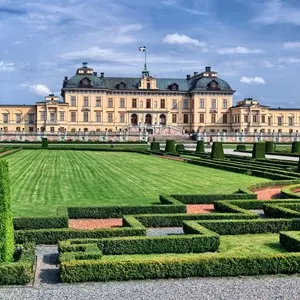
A 3 to 4-day stay in Stockholm is ideal to explore the city's main attractions, including the historic Gamla Stan, the Vasa Museum, and the ABBA Museum. This duration allows time for a day trip to the nearby archipelago or a visit to Drottningholm Palace, a UNESCO World Heritage site.
Stockholm offers a variety of must-see attractions, including: - Gamla Stan: The charming old town with cobblestone streets and colorful buildings. - Vasa Museum: Home to the well-preserved 17th-century warship, Vasa. - Skansen: The world's oldest open-air museum showcasing Swedish history. - ABBA Museum: A fun, interactive experience for music lovers. - Fotografiska: A contemporary photography museum with stunning exhibitions.
Stockholm has an efficient public transportation system, including buses, trams, and the metro (Tunnelbana). The city is also bike-friendly, with numerous rental options. Consider purchasing an SL Access card for unlimited travel on public transport. Walking is another great way to explore the central areas, as many attractions are within close proximity.
When in Stockholm, be sure to try traditional Swedish dishes such as: - Meatballs (köttbullar) served with lingonberry sauce and mashed potatoes. - Gravlax: Cured salmon often served with dill and mustard sauce. - Smörgåsbord: A buffet-style meal featuring a variety of cold and hot dishes. - Fika: A cultural tradition involving coffee and pastries like cinnamon buns (kanelbullar).
In Stockholm, it's customary to greet people with a handshake and maintain eye contact. Punctuality is important, so be on time for appointments and social gatherings. When dining, wait for the host to start eating before you begin. Tipping is not obligatory, but rounding up the bill or leaving a small tip for good service is appreciated.
Popular day trips from Stockholm include: - Drottningholm Palace: A royal residence and UNESCO World Heritage site. - The Stockholm Archipelago: Explore the thousands of islands by ferry or kayak. - Uppsala: A historic city with a renowned university and impressive cathedral. - Sigtuna: Sweden's oldest town, known for its medieval charm and rune stones.