

Discover The Hague: Royal Heritage, Culture and Shopping

Current Weather

Description
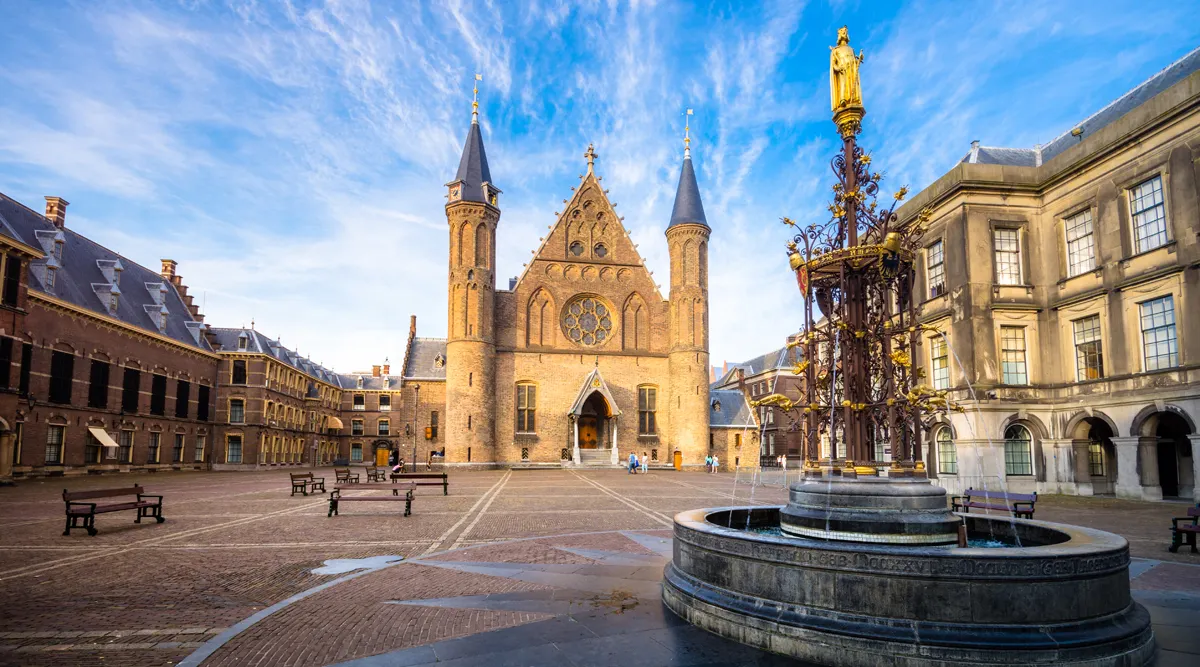
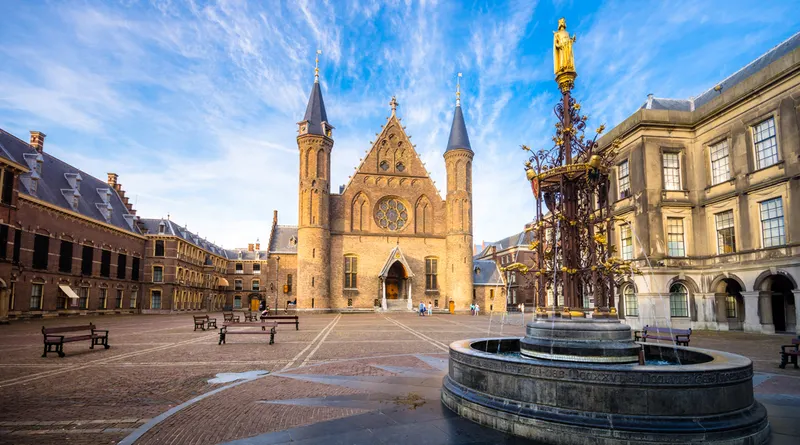
The name ‘The Hague’ can be loosely translated as the ‘Count’s Hedge’, which refers to the hunting grounds that the Dutch Counts used to visit in the early 13th century. During the time of Count Floris IV, a modest hunting lodge was built as a place for the nobility and their court to discuss diplomatic matters. This hunting lodge would later be known as the Binnenhof, the castle around which the city has been built. After many years of war in the Netherlands, the Hague served as a safe haven for diplomats to come together and negotiate peace. During the 16th century when the Spanish invaded and forced the Dutch to revolt, Count William of Orange put together his government cabinet in the Hague and to this day it remains the seat of the Dutch government. The 17th century marked the start of the Dutch Golden Age, a time when travellers came from all over the world to marvel at Dutch innovation and ingenuity. Two of the Dutch Master painters, Rembrandt and Vermeer were born and raised during this time in the areas surrounding the Hague. The city recognises their contributions and cultural significance to the Netherlands by preserving their work in some of the palatial museums that can be found here. The next couple of centuries would see a great expansion in the Hague. King William II of the Netherlands greatly increased the size of the Noordeinde Palace in the 19th century, building upon the work already done there, and then the Peace Palace was constructed after the Second World War. From this time on, the Hague would be formally known as the 'International City of Peace and Justice'. Today, the UN International Court of Justice in the Hague is where international laws are passed, and global leaders must come to defend their questionable actions.
Useful information
560,000 (2023)
Euro, €1 = 100 cents
Emergency Services: 112
Most establishments are open from Tuesday to Saturday 10am–6pm, Sunday and Monday noon–6pm. Some shops stay open later on Thursday.
Do & See


Dining






Cafés





Bars & Nightlife






Shopping



Tourist Information




Frequently Asked Questions
The Hague is home to several iconic attractions. Don't miss the Binnenhof, the historic complex housing the Dutch Parliament. The Mauritshuis museum is renowned for its collection of Dutch Golden Age paintings, including works by Vermeer and Rembrandt. The Peace Palace, which houses the International Court of Justice, is another landmark worth visiting. For a touch of nature, head to the beautiful Scheveningen Beach or explore the lush gardens of the Clingendael Estate.
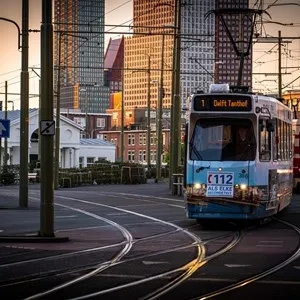
The Hague has an efficient public transportation system, including trams and buses that cover the city extensively. Biking is also a popular and convenient way to explore, with many bike rental shops available. For short distances, walking is a pleasant option, especially in the city center where many attractions are located close to each other.
The best time to visit The Hague is from late spring to early autumn (May to September) when the weather is mild and outdoor activities are more enjoyable. During this period, you can also experience local festivals and events, such as the North Sea Jazz Festival in July and the International Fireworks Festival in August.
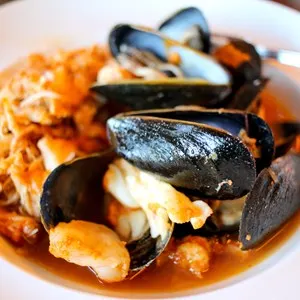
While in The Hague, try traditional Dutch dishes like 'haring' (raw herring), often served with onions and pickles. 'Stamppot' is a comforting dish made with mashed potatoes and vegetables. For dessert, indulge in 'stroopwafels', thin waffles with a caramel-like syrup filling. The city also offers a variety of international cuisines, reflecting its multicultural population.
Yes, The Hague's central location makes it an ideal base for day trips. Consider visiting Delft, known for its historic town center and Delftware pottery. The city of Leiden, with its beautiful canals and the oldest university in the Netherlands, is also nearby. For a unique experience, head to the Keukenhof Gardens in spring to see the stunning tulip displays.
The Hague hosts several cultural events throughout the year. The Tong Tong Fair, held in May, is the largest Eurasian festival in the world, celebrating Indonesian culture. The Hague International Festival of New Music, also known as the Rewire Festival, takes place in April and showcases contemporary music. Additionally, the city celebrates King's Day on April 27th with lively street parties and markets.
For first-time visitors, staying in the city center is ideal as it offers easy access to major attractions, dining, and shopping. The areas around the Binnenhof and Noordeinde Palace are particularly convenient. If you prefer a more relaxed atmosphere, consider staying near Scheveningen Beach, which provides a seaside experience while still being close to the city’s main sites.