
:no_upscale()/LocalImage/PictureLibrary/Operations%20The%20Hague.jpg)


:no_upscale()/LocalImage/PictureLibrary/Operations%20The%20Hague.jpg)


The name ‘The Hague’ can be loosely translated as the ‘Count’s Hedge’, which refers to the hunting grounds that the Dutch Counts used to visit in the early 13th century. During the time of Count Floris IV, a modest hunting lodge was built as a place for the nobility and their court to discuss diplomatic matters. This hunting lodge would later be known as the Binnenhof, the castle around which the city has been built. After many years of war in the Netherlands, the Hague served as a safe haven for diplomats to come together and negotiate peace. During the 16th century when the Spanish invaded and forced the Dutch to revolt, Count William of Orange put together his government cabinet in the Hague and to this day it remains the seat of the Dutch government. The 17th century marked the start of the Dutch Golden Age, a time when travellers came from all over the world to marvel at Dutch innovation and ingenuity. Two of the Dutch Master painters, Rembrandt and Vermeer were born and raised during this time in the areas surrounding the Hague. The city recognises their contributions and cultural significance to the Netherlands by preserving their work in some of the palatial museums that can be found here. The next couple of centuries would see a great expansion in the Hague. King William II of the Netherlands greatly increased the size of the Noordeinde Palace in the 19th century, building upon the work already done there, and then the Peace Palace was constructed after the Second World War. From this time on, the Hague would be formally known as the 'International City of Peace and Justice'. Today, the UN International Court of Justice in the Hague is where international laws are passed, and global leaders must come to defend their questionable actions.
560,000 (2023)
Euro, €1 = 100 cents
Emergency Services: 112
Most establishments are open from Tuesday to Saturday 10am–6pm, Sunday and Monday noon–6pm. Some shops stay open later on Thursday.

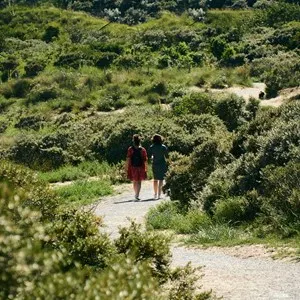
For something a bit different, try ambling through the woodlands and grassy areas of The Hague with Dave, who will let you know which plants you can and can’t eat, as well as which of them have medicinal properties. The tour operates fairly infrequently but if you can book a spot well ahead of time it is a nice addition to any itinerary.

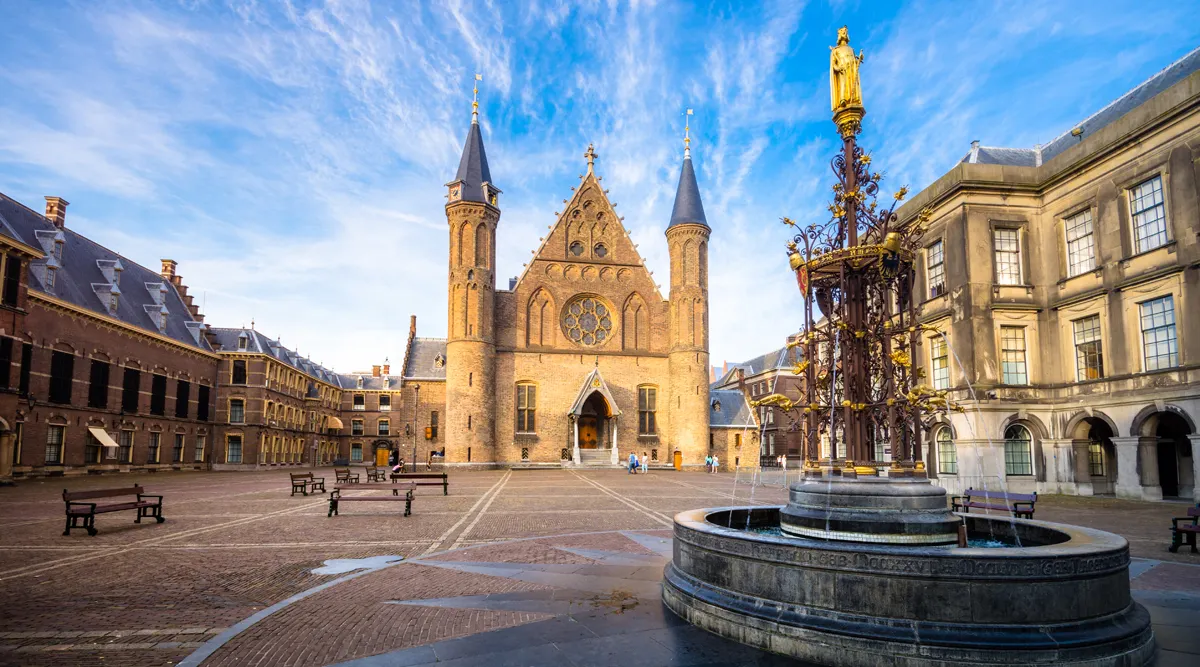
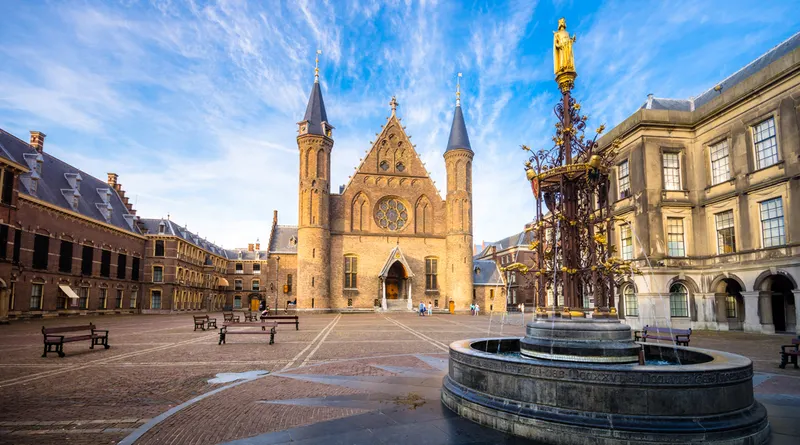
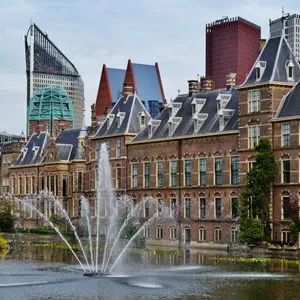
Dating back as early as the 13th century, this late medieval building is the oldest remaining parliamentary court still in use today. It was first built as a castle and home to the various counts of Holland, but after several battles for succession, the Binnenhof changed hands many times and, in the process, saw many new administrative buildings erected around it. Extensive renovations are currently underway and not expected to finish before 2028, so politicians have had to find elsewhere to conduct their business. Tours of the surrounding areas are available and more information can be obtained at the Binnenhof Renovation Information Centre, which is right next to the complex.

In 1996, American artist James Turrell designed the Celestial Vault to showcase the sky in all its glory using an innovative astronomical optical illusion. In the centre of this grassy artificial crater, there is a stone bench on which visitors can lie to observe the sky as a curved dome, emphasising the way light affects how we perceive things and inviting those willing to challenge their own perceptions.

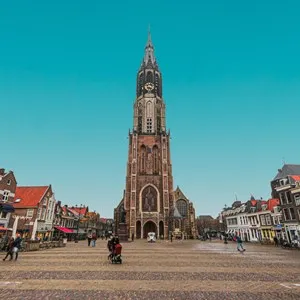
Home to one of the best universities in the world for technology as well as the famous Royal Delftware pottery, this picturesque municipality lies just outside of The Hague, making it the ideal day trip away from the city. Discover how Vermeer was influenced by the city that pioneered microbiology and blue earthenware during his formative years on The Vermeer Walk. Or you can book one of the guided tours such as Discover Delft or Explore Delft, which take you through the history of the area in both fun and informative ways.

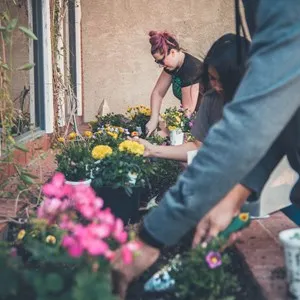
This charming little community garden hidden away in the city centre is full of interesting designs and innovative landscaping managed by local volunteers. It is the perfect place to sit and read a book, relax with some friends or stroll through enjoying the tranquillity. The project started as a way of bringing local residents together to enjoy the area and renovate previously derelict spaces. The common now hosts gardening workshops, activities for children and various markets throughout the year.

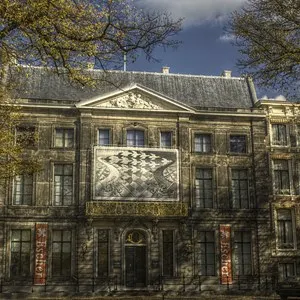
Be prepared to have your mind bent, blown and rewired as you walk into the Lange Voorhout Palace where the illusory work of famous graphic artist M.C. Escher is exhibited. The palace is home to such legendary Escher paintings as 'Air and Water' in which birds are blended into fish and 'Waterfall' in which water appears to flow upwards instead of down. There are interactive experiences on the second floor, dedicated to the Eye of Escher where guests are encouraged to solve some of Escher’s most perplexing mysteries, including the impossible Penrose Triangle. On the third floor, there is a large-scale optical illusion where adults can appear to be children and vice versa. Audio tours and guided tours are available and there are additional temporary exhibitions taking place on occasion.

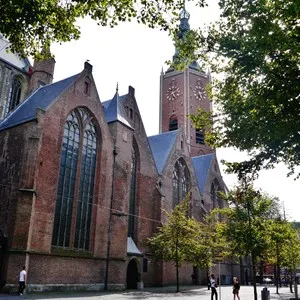
This 13th-century Gothic cathedral, which peers straight over the Binnenhof is a standout landmark of The Hague. Although the original structure of the ‘Great Church’ is built from wood, the 2,200 square metre area that the church now takes up includes stone, marble and iron features as well as impressive touches such as intricate mechanistic clocks, detailed stained glass windows and 51 carillon bells, which were added over the years as the edifice grew in prominence. There are lots of events taking place in the Grote Kerk all year round, so it is worth checking the agenda on their website ahead of time to see what’s on. Book a tour and climb the 288 steps to the top where the entire city centre can be seen.

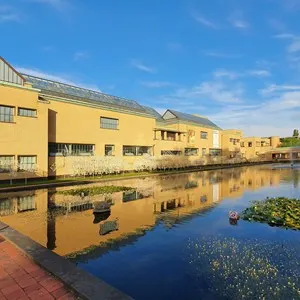
This art museum in The Hague is home to some of the most eminent paintings in the world including pieces from Monet and Picasso. Dutch abstract painter Piet Mondrian remains the featured artist at the museum with over 300 of his paintings displayed there. Walking through the halls of this remarkable Art Deco building is an eye-opening experience. The early 20th-century architecture fashioned by H.P. Berlage consisting of colourful brickwork, marble flooring and ornamental brass finishes is considered to be his masterpiece. The museum is open to the public and you can skip the queues by booking ahead of time on their website.

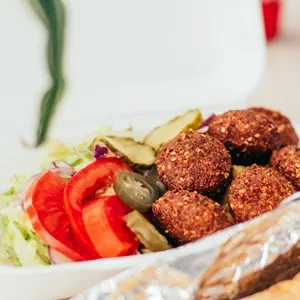
Baladi’s Manouches are simple yet effective finger food that you can pick up on the go from the city centre. The flatbread topped with hummus, shawarma and other traditional Lebanese ingredients is baked fresh every day, so it makes a great breakfast, light lunch or late afternoon snack depending on when the hunger pangs strike.

For those who are more inclined towards conservation and conscientiousness, this non-profit company champions tasty meat-free meals that make the most of food waste from local markets that would otherwise go unused. The owners are experts in sustainable cooking techniques, so take a pew at their long communal table which is opened up to the public every Tuesday (notwithstanding holidays) where you can learn more about turning compost into culinary delights.

This Asian Fusion restaurant specialising in seafood brings together the best parts of Eastern and Mediterranean cuisine in bite-size packages, affording customers the luxury of choosing between a huge variety of small plates, each with a distinctive taste and appearance. Larger groups (minimum 11 covers) can choose between two set menus that offer an assortment of the restaurant’s most popular dishes. The fresh food, ambience and service have made this restaurant a particularly attractive option amongst travellers passing through and a very repeatable experience for the locals who have recommended it to them.

Offering food from just about every corner of the world, this vast complex of internal cuisine is sure to fill the requirements of anyone passing through with an appetite. The food court is designed to promote a mix of cultures that can all fit under one roof, giving customers the impression that they are in a street market. The only challenge is choosing between all the delicious different options there. Will it be Surinamese, Mexican or Vietnamese? The list goes on.

Another Spanish restaurant featured in the Michelin Guide, Ñ offers a sharp and sophisticated menu complete with fresh, quality ingredients and a touch of Mediterranean magic. Prices here are very reasonable and there are set menus available which are designed to bring together a mix of interesting flavours which can be paired with a comprehensive wine list.

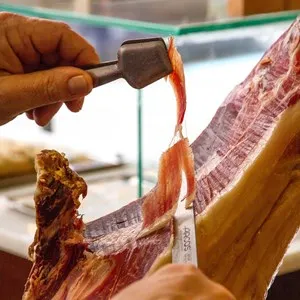
What was once a renowned bookshop is now a distinctive Mediterranean restaurant serving some of the most time-honoured tapas dishes from Spain and Portugal with an added local twist. The quality of the food is fantastic in relation to the prices they are charging, and the long wine list offers a plethora of pairings to choose from. Mixing and matching is the aim of the game in this restaurant. An especially good combination that was quite unexpected is the jamon iberico with the Bloody Mary oysters and a side of blue cheese all the way from Asturias.

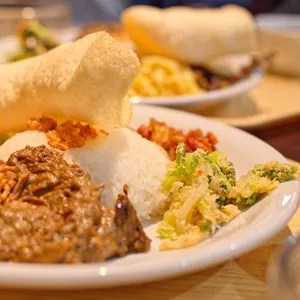
After the Dutch settled in Indonesia and mixed their cultural traits with those of the locals, many interesting culinary combinations were born. Along with the large wave of Dutch-Indonesian settlers that arrived in the Netherlands in the 1950s came the contrast of sharp, sweet and salty, indicative of cross-continental cuisine. Toko Frederik is a shining example of this amalgam of flavours and executes the distinct flavour profile to a tee in a friendly, family-run environment.

La Cuisine d’Alexandre is fantastically French, in essence, with an added zest of Mediterranean creativity, demonstrating a delicate blend of style and substance. Chef Alex worked in several top restaurants in his time before becoming head chef at Villa Coucou, during which time he learned how to combine different textures to manifest stimulating flavours and present food as art. Villa Coucou is also home to a cocktail bar, a wine cellar and a boule court, so there is plenty to do on either side of this upscale gastronomic experience.

Although ‘Café’ is in the very name of this very swanky riverside establishment, it is much more than just a café, offering a fine dining experience in the adjoining restaurant as well as several clean, modern spaces to enjoy delicious coffee. Coffee is taken very seriously at Capriole Café, as demonstrated by the wide variety of Fairtrade coffee beans from around the world on offer that are carefully selected by the owners and subsequently slow-roasted in their impressive Giesen coffee roaster. This family business has long been supplying high-quality coffee across the Netherlands. Workshops are available to customers who can try their hand at roasting, preparing and taste-testing artisan coffee.

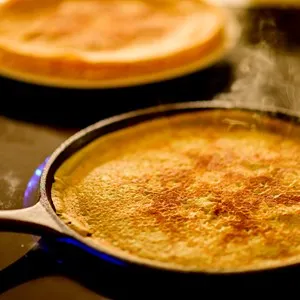
The Pancake Club, in Rijswijk, has to go at the top of this list as it is something in between a restaurant and a café due to the long list of toppings and accoutrements on offer which can turn a light snack into a heavy meal or a delicious pudding. Dutch pancakes are a must for anyone visiting the Netherlands and connoisseurs will definitely appreciate this traditional café that is deemed to have some of the best in the country.

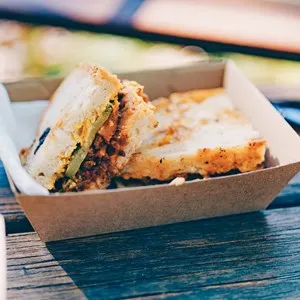
There aren’t that many toastie specialists in the world so when one does present itself, it would be a shame not to give it a try. Happy Tosti knows the craft well and covers all bases when it comes to the tried and tested toasted sandwich. Traditional recipes such as pizza paninis and quesadilla toasties are instant classics and big hits with the locals. The coffee also receives praise, as does the warm service, making the experience of Happy Tosti all in all, well, a happy one.

Bikes are the preferred means of transport in the Netherlands and coffee is the preferred stimulant, put them together in one place and you have a winning formula for both getting around and lounging around. Whether you need to rent a bike, buy a new one, or you just fancy a nice cup of coffee in a quirky café surrounded by bicycles, Lola Bikes and Coffee is a great option for a pitstop. With ride-outs taking place four times a week, Lola’s is a great place to meet other cyclists over a quality cup of coffee and take part in one of the most popular pastimes in the Netherlands.

Want to rent a rowboat with your coffee and cake? No problem! Waterkant offers customers the chance to have their breakfast, lunch, snack or even a cocktail in a rented boat moored at the waterfront, which they can then take for a spin around the surrounding canals. This quaint, secluded space is full of roses in the spring and summer months, making it a charming spot to enjoy a cup of tea and a bite to eat.

With a club in the basement, a restaurant on the ground floor and a rooftop cocktail bar, this five-storey tower has something for everyone to enjoy. There is always something going on here whether it be a symphony of wails coming from the karaoke booth, a new DJ featuring in the basement, an office party in one of the chic meeting rooms, a boardgame tournament downstairs or a cocktail party on the roof where the views stretch right down to the Grote Markt and the city centre.

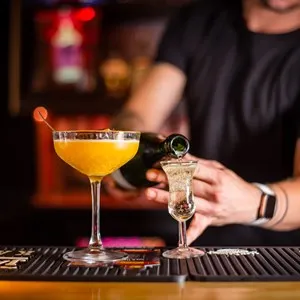
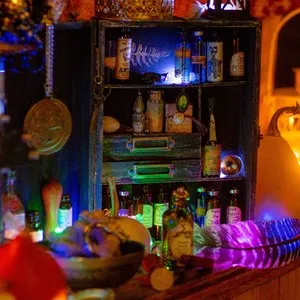
This magical cocktail workshop with potions class is a fun experience for wizards and muggles alike. Those with even a peripheral interest in the world of Harry Potter will be able to enjoy the unique and enchanting setup that the Hogwarts and Dungeons and Dragons-inspired bar offers. For those Potterheads out there, it is an absolute must. Make sure to book well in advance as spaces are limited and it is not possible to enter without a reservation.

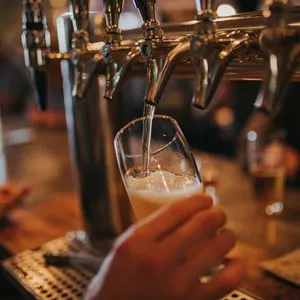
Having won several awards for being the best bar in The Hague, De Huppel is a favourite amongst the locals for its cosy ambience and vast selection of beer and whiskey. It is a mainstay for those looking for something a bit less touristy and maybe something a bit stronger than a beer or wine.

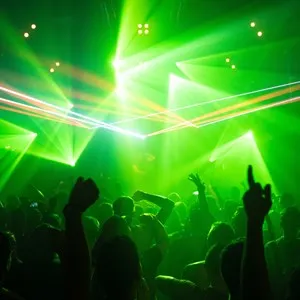
A place to call home for some of the best DJs in the Netherlands and further afield, Millers is known for its grand spectacles and adrenaline-fuelled events featuring electronic music as well as some golden oldies thrown in for good measure. Smoke machines, strobe lights and subwoofers are at the top of the agenda here at the weekends.

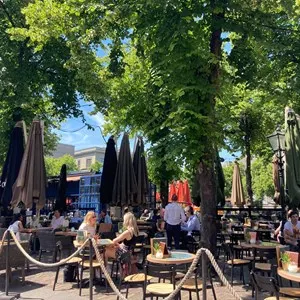
This bustling bar famed for its beer is packed on most weekends and has been since 1998 when it opened its doors. The old coach house looks like a typical Dutch tavern on the inside, with weathered wooden floorboards and dusty brickwork tying the place together. Outside, there is a large terrace where people can spill out of the bar for a break from the loud music.

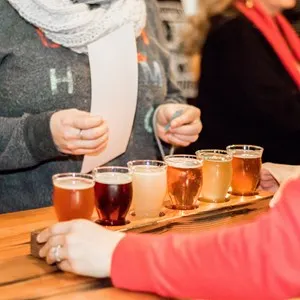
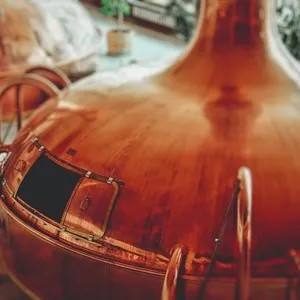
The Fiddler is a traditional English-style pub in The Hague with its own microbrewery where the master brewers and their team produce a selection of artisanal Anglican ales to be enjoyed by thirsty customers. A tasting board is available for beer connoisseurs to try each distinct homebrew and with over 200 bottled beers in stock, there is something for everybody. Watch the football, rugby or Formula 1 on any of the nine big screens scattered around the pub and immerse yourself in the Englishness of it all.

Despite the name, this wine bar actually serves a whole host of tempting drinks and eats. The Asian-inspired establishment is renowned for its extensive wine collection and knowledgeable sommeliers, but on top of that the sushi, cocktails and beers are similarly commendable. That being said, the emphasis is still probably more on the wine than it is on the dine.

The ‘Fir Tree Road’ as the Denneweg is referred to in English, is one of the oldest streets in The Hague. Rather fittingly, it displays a number of antique shops which help to maintain the vintage charm of the area. It is also a popular destination for those looking to buy something classy to wear as more recently high fashion has started to make an appearance on the Denneweg. Complete the look with one of the precious stones from such famous jewellers as Bodes & Bode and top the afternoon off with a glass of fine wine and a massage at one of the spas or beauty salons.

Thousands flock to the Haagse Market, the largest outdoor market in the Netherlands and one of the biggest in Europe, to buy their groceries, household items and clothes from vendors lining the long aisles that stretch down to the south of the city. Some of the very best Dutch artisanal products and farm produce can be bought here and there are bound to be bargains in every direction waiting to be snatched up.

Considered to be one of the most affluent streets in The Hague, the Royal Shopping District of Noordeinde is impressive to behold and a mecca for shopping enthusiasts. Shoppers can browse top-of-the-line Dutch garments, jewels, art and design, all whilst marvelling at the Art Deco architecture of the surrounding area, which complements the elegancy of the whole experience.

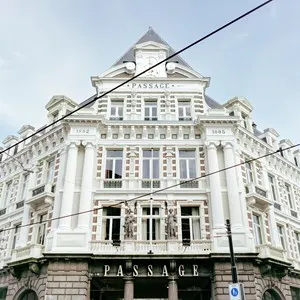
De Passage is the last remaining example of a covered shopping street in the Netherlands, typical of 19th-century Europe. The high arched glass roof has recently been replaced and periodic restorations have kept this grand display of modern architecture alive and open to avid shoppers. This arcade has on display some of the most luxurious brands in the world, interspersed among quality cafés, eateries and even one of the largest Apple stores in Europe. Definitely worth a visit for those itching to spend some money.

The Van Kleef Distillery is the last remaining jenever distillery in the Netherlands and as such, it serves as a museum as well as a liquor shop. Since its inception in 1842, it has offered guests the chance to try its foremost product jenever, as well as other local liquors which can be bought in the store opposite. Book a tour of the distillery to go on a journey through time and taste, learning about the delicate process of distilling and traditional Dutch recipes along the way.

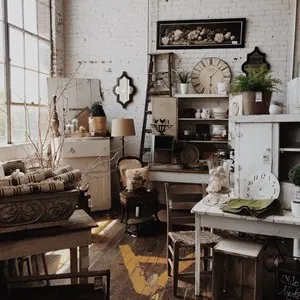
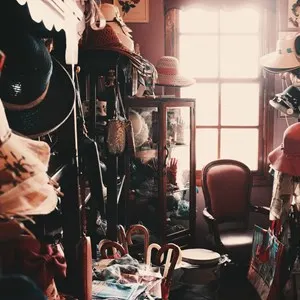
This is definitely the place to go to get a taste of Dutch authenticity in The Hague. The charming neighbourhood of Zeeheldenkwartier boasts a plethora of unique and interesting places to shop, including second-hand stores, vintage clothing shops and rare book collections. Stroll down the streets of Prins Hendrikstraat, Zoutmanstraat and Piet Heinstraat where you will come across cleverly designed green spaces with artistic touches, making the experience even more memorable.

The best times to visit The Hague are generally March through May and September through November to avoid the large influx of tourism during the summer months. If large crowds and bustling streets are not a problem however, then the summer months of July and August may be preferable as there are also many unique events taking place in the summer and the city with its meandering canals, verdant gardens and sandy beaches comes alive when the sun glares at it. During the winter months, The Hague Christmas markets are always popular with children and adults alike, but again, it can be difficult to move around due to the large crowds and busy venues. Rainfall around this time of year may also present other issues. All in all, though, The Hague is in a temperate climate zone so winters are not too cold and summers are not too warm, ideal for exploring year-round.

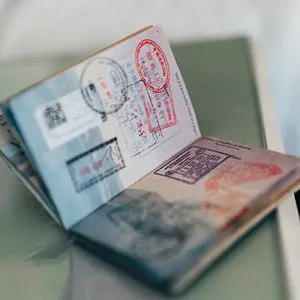
The Netherlands is part of the Schengen Area, meaning citizens of the EU, EEA, the USA, Australia, Canada, and several other countries do not require a visa for short stays. If you are a non-EU/EEA national, you may require a Schengen visa to enter the Netherlands for stays up to 90 days. In this case, for a short visit to The Hague, you will likely apply for a Schengen short-stay visa. This visa allows you to circulate within the Schengen Area for up to 90 days within a 180-day period. If you plan to stay for longer than 90 days, you need to apply for a provisional residence permit (MVV) along with a residence permit, depending on your purpose of stay. It is worth noting that passports need to be valid for at least six months beyond the period of the intended stay in the Netherlands.

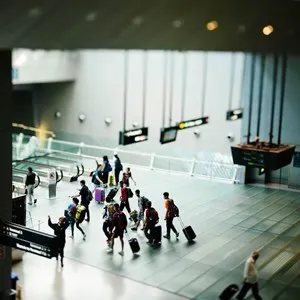
The closest airport to The Hague is the Rotterdam The Hague International Airport (RTM), which is easy to get to via public transport links and by car or taxi as it is only 10 miles from the city centre. Further afield is the Amsterdam Schiphol Airport (AMS), which is around 40 minutes away by bus, a good alternative if flights are limited at the former.

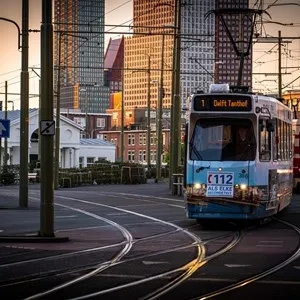
There are over thirty bus and tram lines in The Hague, so getting around the city using public transport is a breeze. Considering the city’s external links, the extensive train network to and from the city also makes The Hague very well connected to the surrounding areas. Buses and trams generally run from 7am to midnight leaving every ten minutes. The Hague Central train station is usually open 24 hours a day. The most convenient way to pay for a train, tram or bus is with a credit or debit card. For multiple journeys, various tickets can be purchased from stations, hotels and tourist information points. Some might wish to purchase a three-day bus and tram pass, others will prefer the day pass and those looking to do a bit more travelling can buy the Tourist Day Ticket, which includes both water buses and Metro services. Visit the website of Tourist Day Tickets where timetables and further information about companies offering such tickets are available. For more concise information about public transport via train, tram, bus or public bike, the websites and applications of RET and HTM are very helpful, the latter of which also has a separate app for their public bike share scheme.

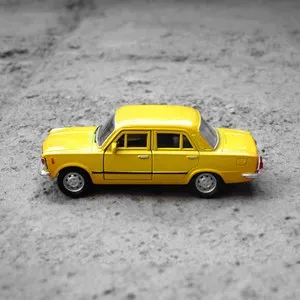
Whilst there are numerous taxi companies available, the HTMC Taxi Centrale cab service is the most frequent and reliable way to get around The Hague. They accept credit and debit cards and can accommodate special requests such as luxury cars and pet travel. Other options are available for a lower fare including Sneleentaxi and for a more exuberant (albeit slightly less practical) tour of the city, there is Tuk Tuk Den Haag. - HTMC: +31 70 390 7722 - Sneleentaxi: +31 85 303 6816 - Tuk Tuk Den Haag: +31 6 4632 2437

230 volts, 50 Hz

- How many days are needed to visit The Hague? The history of the city alone makes it worth a prolonged stay but three days in the city should be enough to cover most of the important features of the city whilst getting a sense of the way of life in The Hague. - What is The Hague known for? The Hague may not be such a popular tourist destination as Amsterdam or Rotterdam, but it is nonetheless a city with great cultural and political significance, so there is plenty to visit in the way of museums, official buildings and landmarks. - Is The Hague a walkable city? There are lots of beautiful paths through The Hague making it a very pleasant city to walk through, albeit the third largest city in the Netherlands at almost 100 square kilometres in size and home to over half a million people. It is recommended to rent a bike to visit the areas outside the city centre, particularly the surrounding countryside. - Is The Hague expensive? The Hague is the third most expensive city in the Netherlands, commensurate with its size, but compared with other major European cities, prices seem more reasonable taking into account what is on offer. Average daily costs can range from anything between €60-400 depending on accommodation, food and transport.

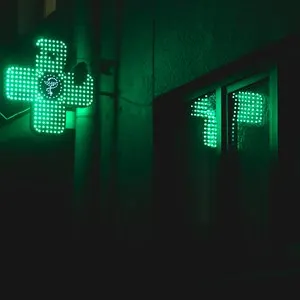
Pharmacies in The Hague are referred to as ‘Apotheek’. There are also drug stores for more general, over-the-counter medicine such as paracetamol, which are called ‘drogisterij’. Most pharmacies are open on weekdays and some stay open on Saturdays. Pharmacy MCH Lijnbaan Den Haag Lijnbaan 32, The Hague +31 70 388 7674 Open Mon–Fri 8am–9:30pm, Sat & Sun 9:30am–9:30pm Hofstad Apotheek Korte Poten 7A, The Hague +31 70 346 4748 Open Mon–Fri 8:30am–6pm, Sat 11am–3pm, Sun closed

Let us take care of all the details to create the perfect trip for you. With our expertise and personalized service, we will ensure that every moment of your trip is special and unforgettable. Get ready to embark on a dream adventure!