
Keytours Vacations logo
trustpilot-logo

Details for Tokyo

Home / Japan / Tokyo
Discover Tokyo's Wonders
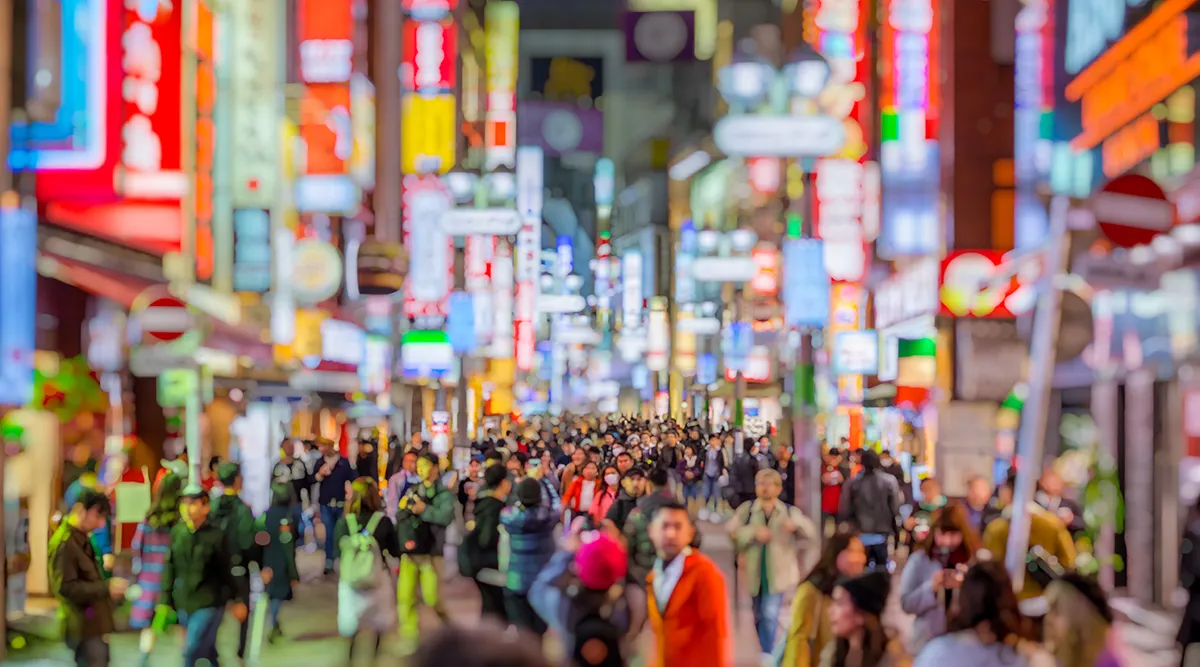
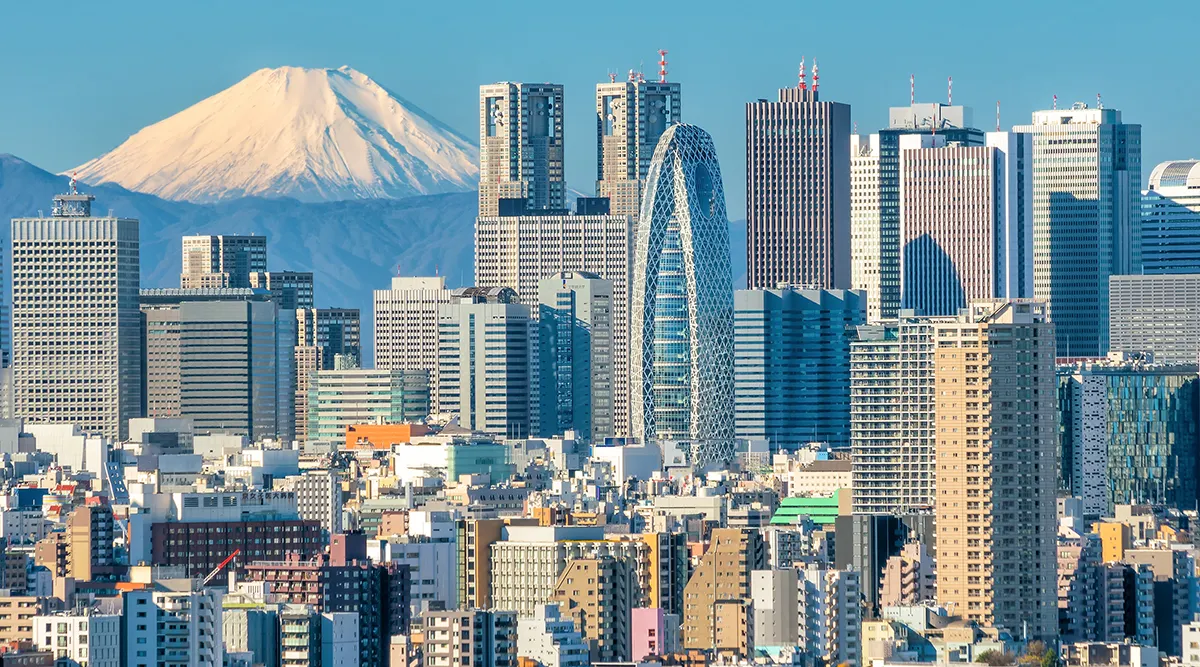
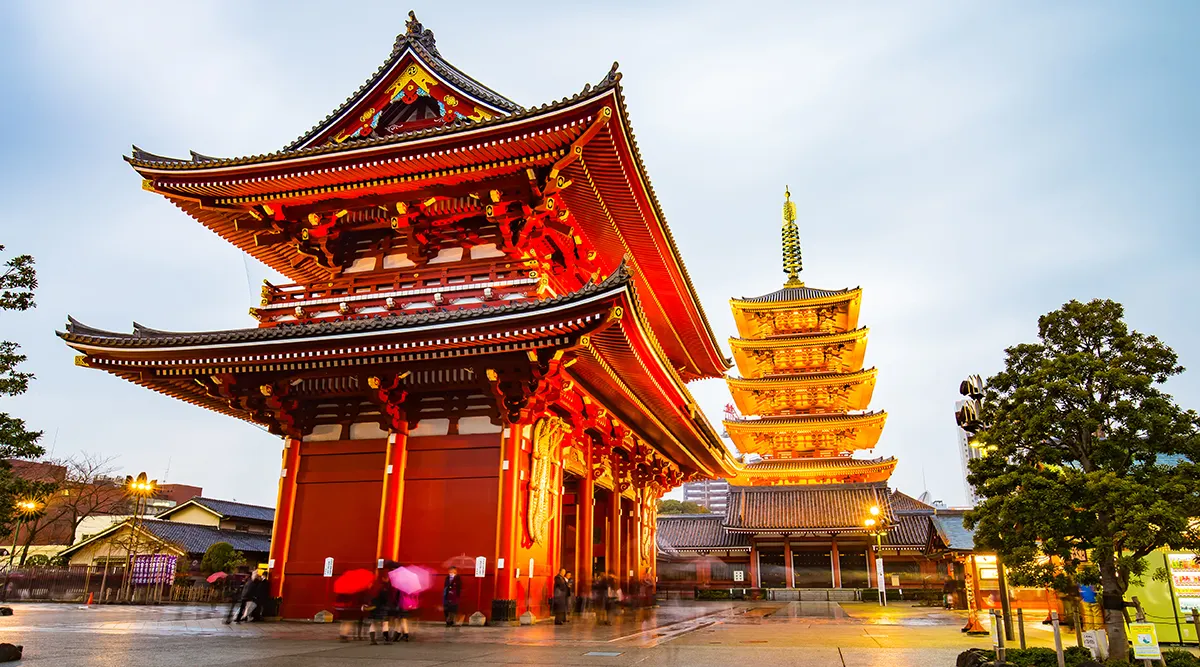
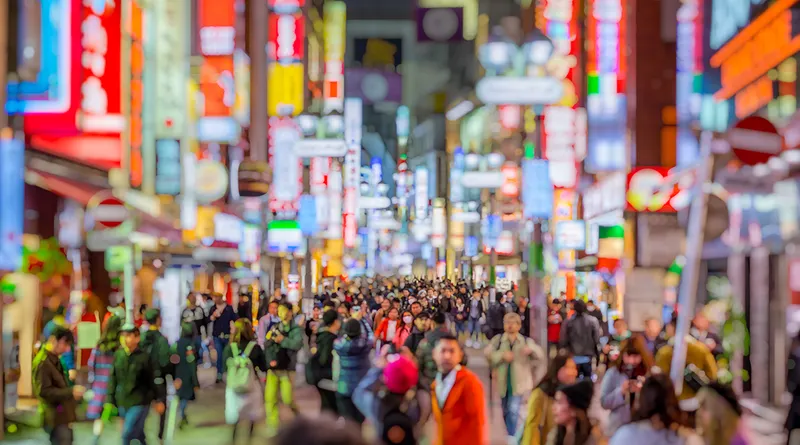
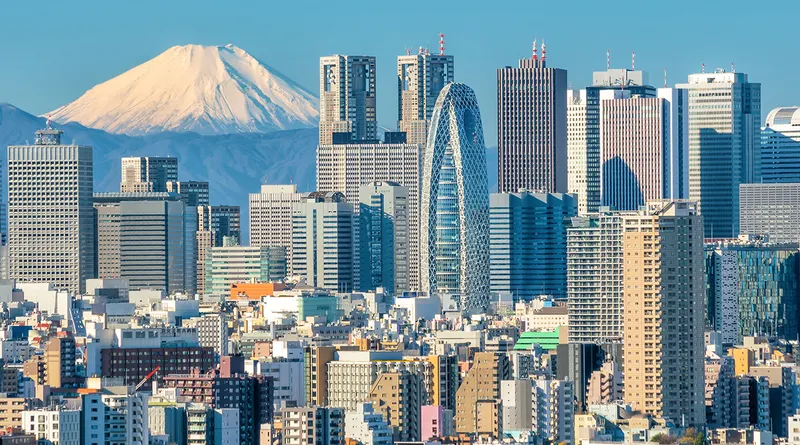
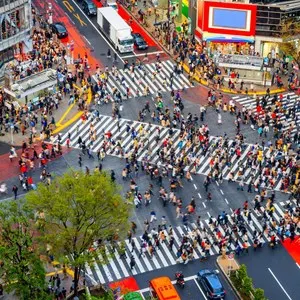
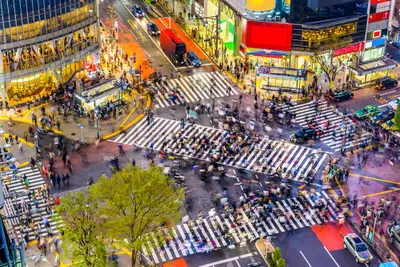
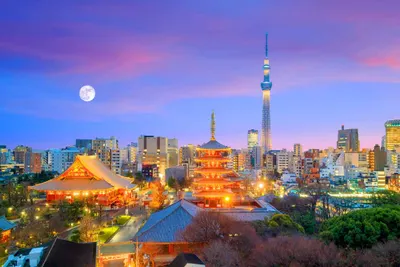
Tokyo is a city of contrasts, where futuristic technology meets centuries-old traditions in a seamless dance. Imagine strolling through the neon-lit alleys of Shinjuku one moment, and then finding yourself in the calming embrace of a centuries-old temple, where the scent of incense lingers in the air. Tokyo’s energy is palpable—from the fashion-forward streets of Harajuku to the peaceful Zen gardens hidden amidst towering skyscrapers. Here, food is an art form, whether it’s savoring the finest sushi at a tucked-away counter or grabbing a quick bite from a vending machine that’s more advanced than most countries’ ATMs. Tokyo isn’t just a destination; it’s a sensory feast, a blend of old and new that surprises and delights at every turn.
Current Weather
83.71 °F - Rain Min/Max: 80.58 °F / 84.83 °FFeels: 95.45 °F Humidity: 86%5 Day Forecast

Trips

Hotels

Activities

Transfers

Description

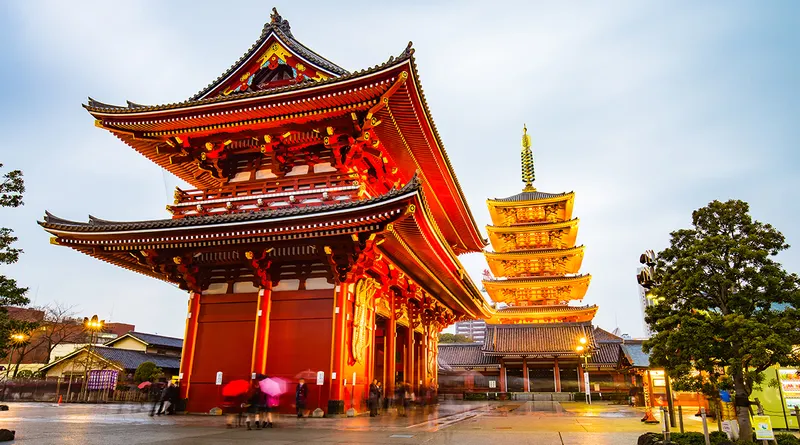
Before you set your foot outside your hotel door, be aware of Tokyo's complicated address system. Very few streets have names; instead, they are identified by numbers indicating district (Chōme), block (Banchi) and house number (Gō). For example, “1-11-18, Shibuya, Shibuya-ku” would translate as the 18th building of the 11th block of the 1st area of Shibuya in Shibuya ward. Invest in a bilingual map of Tokyo and don’t hesitate to ask the police for directions. Even the locals can get confused! Once you have grasped the navigation system, Tokyo is a delight to get around. The metro is incredibly efficient, the city is clean, and people are courteous and friendly. Though addresses may be confusing, Tokyo is divided neatly into 23 wards ('tokubetsu-ku' or just 'ku'), each with a distinctive characteristic. Visit Taitō (Asakusa specifically) for old-town charm and temples, Chūō (especially Ginza) for shopping, and Akihabara district in Chiyoda ward for electronics galore. Blend old and new to get a taste of Tokyo’s great diversity. Endless variety is Tokyo's trump card. Few other world cities are as wonderfully idiosyncratic. International and local influences intertwine in cuisine, festivals, music, galleries, shopping and even accommodation. Bizarre and fast-moving, yet peaceful and intrinsically religious, Tokyo's identity is above all, distinctly Japanese, despite existing as a world of its own.

Useful information
Population:

Tokyo City: 14.25 million Metro area: 41 million

Currency:

Japanese Yen (JPY)

Emergency Info:

Police: 110
Fire & Ambulance: 119

Opening Hours:

Do & See

Go-Kart Tour

Go-Kart Tour

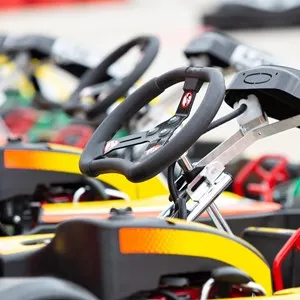
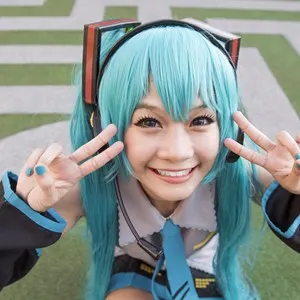
Experience Tokyo in a fun and unique way on a street go-kart tour dressed in costumes from your favourite game or anime character. Zip past iconic landmarks such as the Rainbow Bridge and Tokyo Tower, and enjoy stunning views of Tokyo Bay.

Japanese Cooking Classes

Japanese Cooking Classes

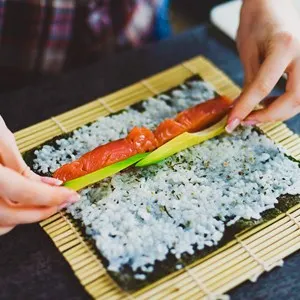
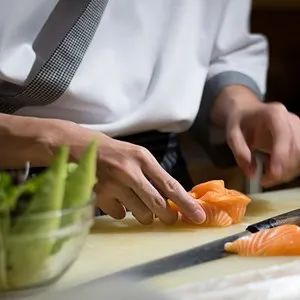
If you really want to dive into the Japanese culture, you can't miss out on getting to know local cuisine and culinary traditions that go back centuries. Classes focusing on making sushi are the most popular ones, but you should consider learning to make a proper bowl of umami-rich ramen, crunchy gyozas, or a variety of healthy side dishes.

Kabuki-za

Kabuki-za

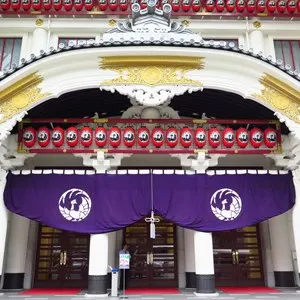
The stylised Kabuki-za theatre performance consists of elaborate choreography and makeup combined with colourful traditional nagauta music. In the 17th century, female kabuki performers were banned; men now play the roles of both genders most convincingly.

Kabukicho

Kabukicho

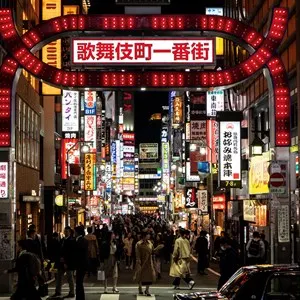
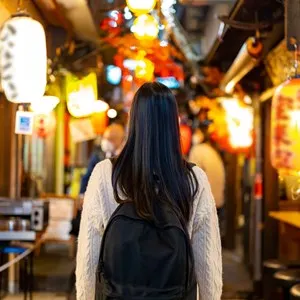
Shinjuku's Kabukicho red-light district transforms after dark into a spectacle of neon-lit alleyways. The experience is defined by its visual energy, from the looming Godzilla head to the blinking signs of robot-themed restaurants. While not officially part of the district, the nearby lanes of Golden Gai and Omoide Yokocho offer a contrasting, intimate atmosphere with their tiny, traditional bars and eateries. A relatively new addition to the neighbourhood, Thermae-Yu is a six-storey onsen. The complex uses natural hot spring water sourced daily from Shizuoka. With facilities open for 22 hours every day, it functions as a popular overnight refuge for those who have missed the last train, offering a place to rest until the city stirs again at dawn.

Meiji Jingu

Meiji Jingu

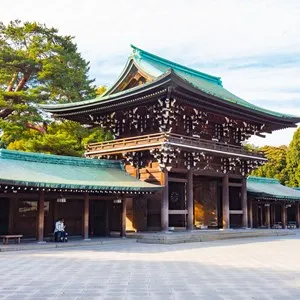
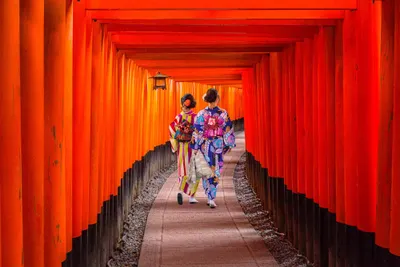
This nationally recognised Shinto shrine is considered one of Japan’s primary symbols of the country’s major religion. Take in the huge 11-metre cypress tree torii (gate) before wandering peacefully along winding paths to the wonderful inner buildings. Near the main complex, the modern Meiji Jingu Museum displays personal artefacts of the imperial couple, from manuscripts to garments. For a small fee, the Inner Garden (Jingu Naien) reveals a landscape of seasonal beauty, most famous for its June iris blooms.

Mori Art Museum

Mori Art Museum

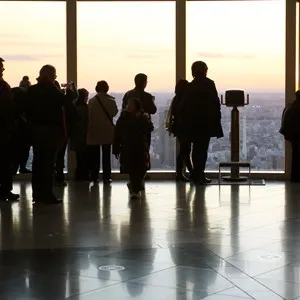
At the top of Mori Tower in the vast Roppongi Hills, this one of the major contemporary art museums in Tokyo combines breathtaking views with fresh artistic talent. The museum has held exhibitions featuring a number of big-name artists from Japan and beyond, including Yayoi Kusama, Ai Weiwei, Anish Kapoor and Jeff Koons. Of particular note are the visual projections allowing guests to traverse through virtual imagery and environments. Also includes The Sun cafe, The Moon restaurant, a gift shop and a panoramic observation deck.

Mount Fuji & Hakone 1-Day

Mount Fuji & Hakone 1-Day

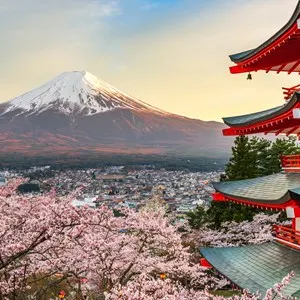
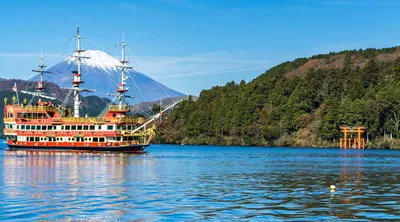
Escape the hustle and bustle of Tokyo and discover Japan's natural wonders around World Heritage Mount Fuji and Hakone in just one day. Visit the 5th Station of Mt Fuji, explore the Ninja House, and relax in a Japanese Garden. Later, experience the vibrant energy of Owakudani, the Great Boiling Valley, go for a landscape ride on a sky gondola, then feel the breeze from a Lake Ashi cruise.

Nakano

Nakano

Nakano provides a distinct experience for visitors interested in Tokyo’s specialist subcultures. Less central than Akihabara, this neighbourhood draws a more knowing crowd of enthusiasts. The district serves as a central point for otaku culture, a Japanese term for people with dedicated, often deep interests in areas like anime, manga and video games. Its primary attraction is Nakano Broadway, a multi-level mall from the 1960s that houses a dense collection of specialist shops, including the flagship Mandarake complex, selling vintage toys, comics and collectables. Access to the mall is through the Nakano Sun Mall, a covered shotengai (shopping arcade) filled with everyday shops and eateries. In recent years, Nakano Broadway has also developed a parallel reputation for its concentration of dealers in high-end vintage watches.

Dining

Brasserie Aux Amis

Brasserie Aux Amis

This Parisian-style bistro in Tokyo's business district serves country-style French classics. The menu, featuring juicy steaks and the ubiquitous frites, is chalked onto large wall mirrors. A relaxed crowd fills the red leather banquettes, enjoying hearty lunches by day and more substantial four-course dinners each evening.

Burger Mania Hiroo

Burger Mania Hiroo

As the name suggests, Burger Mania serves burgers with every delicious filling. The interior design gives a fresh feeling and if the weather permits there is an outdoor terrace where you can enjoy your food. Be sure to get here with an empty stomach since the staff serves generously sized burgers.

Elio Locanda Italiana

Elio Locanda Italiana

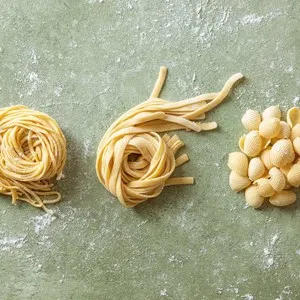
Elio lies off the beaten track just enough to convince people they’re eating in one of Tokyo’s hidden treasures. Receiving rave reviews from its many regulars, steaming bowls of pasta are served up amidst noisy chatter from local residents. Service is polished, and the atmosphere is Mediterranean in attitude.

Ikinari Steak

Ikinari Steak

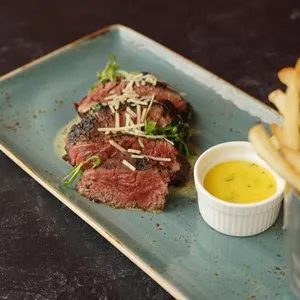
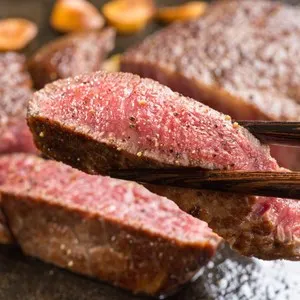
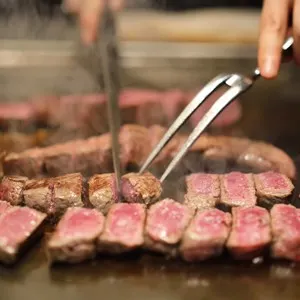
Offering high-quality steak at a reasonable cost, Ikinari Steak is a chain restaurant that lets you choose the weight of your meal, to be enjoyed either seated at a table or standing at one of the counters. The menu focuses entirely on beef, with options including black Angus but also the traditional Wagyu.

Ise Sueyoshi

Ise Sueyoshi

Highly acclaimed restaurant, praised by locals and tourists alike, and many overseas visitors are falling over themselves to get a table at this petite spot. Ise Sueyoshi truly offers a unique dining experience by serving traditional Kaiseki (a traditional Japanese multi-course dinner). Chef Yuuki-san is passionate about his craft and has a deep understanding of the ingredients and the flavours of Japan.

Kobe Beef Kaiseki 511

Kobe Beef Kaiseki 511

The name of the restaurant 511 comes from the fact it only uses meat of the highest quality — A5 grade beef with a beef marbling standard value of 11. At this renowned restaurant, you can relish the finest Kobe beef. With your tasty food, choose a glass of wine from the extensive wine list, all served by the attentive staff.

Matsuya Ueno

Matsuya Ueno

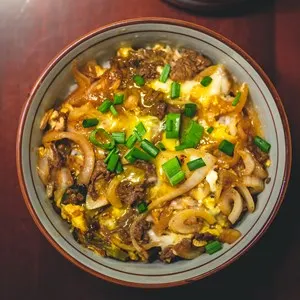
Matsuya is a beef bowl restaurant chain that can be found all over Tokyo. They mainly offer gyudon, their beef on rice plates, but you can also order Japanese curry and grilled chicken, in varying sizes. Every order comes with your choice of soup and salad dressing, as well as miso soup.

New York Grill

New York Grill

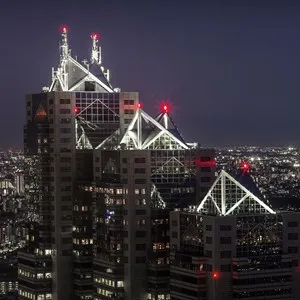
Dine with the stars at the top of the Park Hyatt Hotel, where the modern seafood and meat dishes easily match the standard of the restaurant’s location. Dinner on a weeknight is a pleasure, but the Grill is particularly famous for its Sunday brunch, when expats take over the dining room.

Cafés

Dean & Deluca

Dean & Deluca

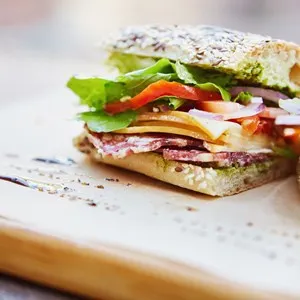
Dean & Deluca is a well-regarded café chain offering a solid selection of coffee and tea. Its locations, such as the one in Marunouchi which features an espresso bar and both indoor and terrace seating, provide a convenient spot for a light meal. The menu includes freshly prepared food, packaged bakery items like cakes and pies, and a range of salads.

Higashiya

Higashiya

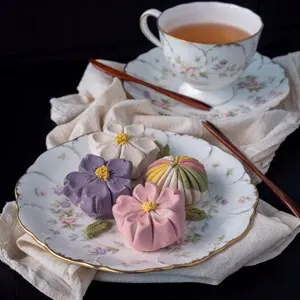
In the heart of Ginza, Higashiya presents the art of the Japanese tea ceremony with refined simplicity. This elegant shop and salon specialises in handmade wagashi (traditional sweets crafted to reflect the seasons), which are served alongside a curated selection of premium teas. Stop by for an understated interior, a range of beautiful tableware and a serene escape from the district's buzz.

Kayaba Coffee

Kayaba Coffee

Kayaba Coffee is a cherished piece of Yanaka's history. This kissaten (traditional Japanese coffee shop) first opened its doors in 1938 and, after a brief closure, was revived by local volunteers in 2008. Housed in a building from the early 1900s, it serves a classic menu of coffee, cheesecake, and light meals like omelettes and sandwiches. For the full experience, head upstairs to the tatami-mat seating area.

Koffee Mameya

Koffee Mameya

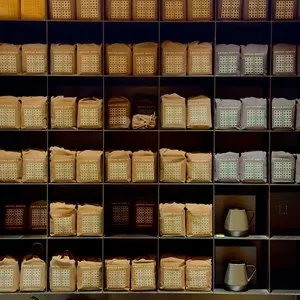
Koffee Mameya in Omotesando operates more as a coffee bean gallery than a conventional cafe. The small, minimalist space focuses on a curated selection of beans from respected Japanese and international roasters. The baristas provide individual consultations, discussing flavour profiles and brewing methods before you can sample a drink or purchase beans to take home. This is a specialist destination for coffee enthusiasts, not a place for a casual sit-down. The personal service means queues are common, and the capacity is limited to a handful of standing customers. For a deeper exploration, their sister location in Kiyosumi-Shirakawa (Kōtō City, eastern Tokyo) offers a dedicated omakase-style coffee tasting.

Maidreamin Shibuya Store

Maidreamin Shibuya Store

Maidreamin in Shibuya is a well-known maid cafe, part of a national chain with a theme centred around a dreamlike, kawaii aesthetic. The service is structured around set courses that include food, drinks and dessert, with items often decorated to appear adorable. A central part of the experience involves staff, dressed in maid costumes, performing short, choreographed songs. The cafe operates on a pre-purchased course system rather than a standard à la carte menu. Staff make an effort to communicate with international visitors in English.

Onibus Coffee Nakameguro

Onibus Coffee Nakameguro

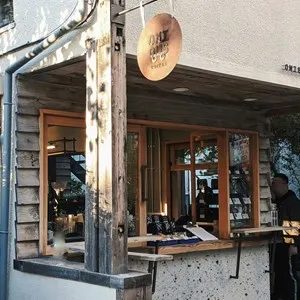
Onibus (literally "demon bus") Coffee operates from a renovated house directly beside Nakameguro Station. Housed in a renovated traditional home, this specialty roastery is a pilgrimage site for serious coffee drinkers. The aesthetic is functional and minimally adorned, focusing squarely on expertly roasted single-origin beans from producers in Rwanda and Guatemala. The menu is pleasingly straightforward: choose from espresso, americano, latte, or hand drip. While a few stools sit outside, this is primarily a grab-and-go spot, especially during extreme weather. For a more relaxed experience, seek out their larger, quieter outlets around Tokyo. Come for the precision and an Instagram-worthy photo, stay for the potent, no-frills caffeine hit.

Sakurai Japanese Tea Experience

Sakurai Japanese Tea Experience

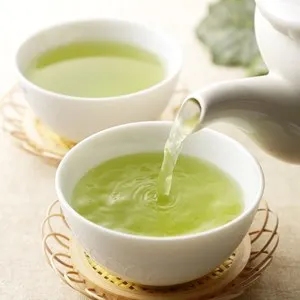
Run by tea master Shinya Sakurai, this distinctive spot where past and present beautifully melt together is situated right outside Omotesando station. A place where the guests are invited to discover and enjoy a great variety of top-quality Japanese teas. Shinya Sakurai dedicated 14 years of his life to becoming a tea master, pop in and enjoy the ultimate experience and taste of this hot beverage.

Shiro-Hige’s Cream Puff Factory (TOLO)

Shiro-Hige’s Cream Puff Factory (TOLO)

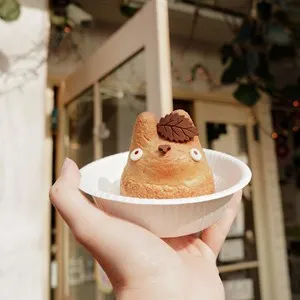
Shiro-Hige’s Cream Puff Factory is a small bakery and cafe in Setagaya, a short walk from the bohemian Shimokitazawa. It is known for its cream puffs, which are shaped like the character Totoro from Studio Ghibli films. The cafe has two parts: a ground-floor bakery for takeaway purchases and an upstairs cafe called TOLO, which serves light meals and coffee alongside the cream puffs. The cream puffs come in flavours like custard, chocolate, and seasonal varieties. The cafe’s interior features decorations that evoke a whimsical, Ghibli-inspired atmosphere. Due to the limited seating, a queue can form for the cafe, though the takeaway service typically has a shorter wait.

Bars & Nightlife

Bar Hopping Night Tour in Shinjuku

Bar Hopping Night Tour in Shinjuku

Discover the well-concealed back-alley bars of Tokyo's Shinjuku on a fun Bar Hopping Night Tour. With the help of a local guide, visit hidden Shinjuku bars you would otherwise have a hard time finding alone. And between drinks and snacks, get fascinating insights into local life and culture.

Geronimo Shot Bar

Geronimo Shot Bar

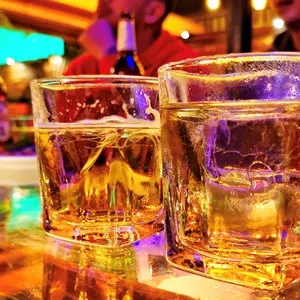
With a North American Indian theme, this small bar has an intriguing collection of Native American artefacts on the walls and ceiling. Running its business for 24 years, Geronimo Shot Bar is still going strong with its lively and party ambience. From the speakers, a wide range of music selections is played to keep everyone happy. Pop in and see what the fuss is all about.

Golden Gai

Golden Gai

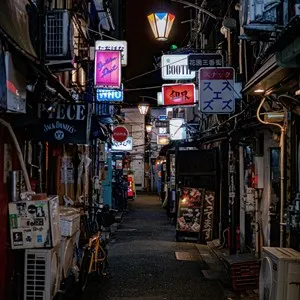
Golden Gai is a legendary district in Shinjuku, a warren of six narrow alleys crammed with over 200 tiny, character-filled bars. A relic of post-war Tokyo, it has evolved from a black market into a bohemian haunt for artists and musicians, retaining a palpable sense of history in its low-slung wooden buildings. Each bar is a deeply personal domain, often seating fewer than ten people and reflecting the unique taste of its owner. While some bars maintain a traditional, locals-only policy, many now welcome curious travellers. The best approach is to wander the photogenic lanes and look for English signs or a welcoming gesture. Be prepared for small spaces, a cover charge, and an intimate, often non-verbal, interaction. It’s less a bar crawl and more an immersion into a vanishing, fiercely independent side of Tokyo.

H2 International Bar

H2 International Bar

H2 International Bar is a versatile and welcoming spot in Shinjuku that defies a single category, blending the roles of a sports bar, karaoke lounge and darts pub. Its main appeal is a genuinely international and social atmosphere where travellers and locals connect. The music policy is eclectic, spanning decades and genres from 60s soul to modern EDM, with free requests encouraged. Patrons can watch live sports broadcasts, sing karaoke, play darts, or enjoy a shisha. With free entry, a full cocktail menu, and a reliably lively vibe, it’s a dependable choice for a fun, unpretentious night out.

Mogambo Tokyo

Mogambo Tokyo

In the heart of Roppongi, Mogambo Tokyo attracts a good mix of expats, tourists and locals, making it a fun place either for a drink or a date on the weekends, and on the weekends, it turns into a vibrant party hangout as the night falls. A place where friendships are formed and unforgettable nights out are guaranteed.

New York Bar

New York Bar

From the 52nd floor of the Park Hyatt, the New York Bar delivers the breathtaking, cinematic Tokyo skyline made famous by Sofia Coppola’s “Lost in Translation”. The ambiance is pure jazz-age glamour, with live musicians providing the soundtrack against a backdrop of murals inspired by New York's legendary music halls. The extensive menu spans classic cocktails, including a signature Old Fashioned and a nod to the film's LIT cocktail, to a wide selection of whisky, wine, and sake. For a late-night bite, options range from wagyu sliders to New York-style pizza. It’s an experience that defines the city's upscale nightlife.

Odeon Tokyo

Odeon Tokyo

One of the most famous after-hours party spots in Tokyo, Odeon Tokyo is a stylish and sophisticated venue, a rendezvous for models, dancers and partygoers. Chill out in the VIP area on the comfy sofas or dance the night away to all genres of music, either way, you will have the ultimate club experience.

The Room

The Room

The Room is an intimate basement club in Shinjuku, known for attracting a hip, global crowd. As the name suggests, the space is compact and exclusive, fostering a close connection between the performers and the audience. The focus is on live music and quality DJ sets, with a calendar featuring jazz, soul, and hip-hop acts. Look for the distinctive red street light marking the discreet basement entrance. Given its size and popularity, checking the monthly schedule online is essential for securing a spot in this sought-after, atmospheric venue.

Shopping

Akihabara

Akihabara

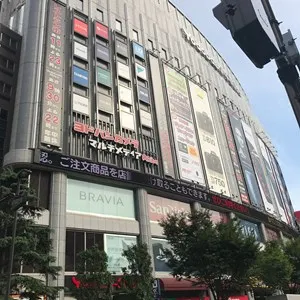
Welcome to Neon Land. Akihabara is the electronics capital of Japan and walking through its streets you can barely see in front of you due to the amount of flashing shop signs and video screens. Street stalls sell the latest high-tech computer devices, while huge electronic retailers flog televisions at duty-free prices. Head for the duty-free stores if you want to speak to English staff, and bring your passport with you to qualify for tax-exempt goods. Akky (1-12-1 Sotokanda) is one of the best shops for this. Come out of Akihabara station and look for the glaringly obvious Electric Town exit.

Aoyama

Aoyama

Aoyama, one of the wealthiest neighbourhoods in the city, offers a world of Japanese and international upmarket brands. The sculptural Prada building here stands for everything this neighbourhood is about — sleek sophistication is the name of the game. Well-recognised Japanese designers including Yohji Yamamoto and Issey Miyake stand side by side with Prada and Louis Vuitton.

Ginza

Ginza

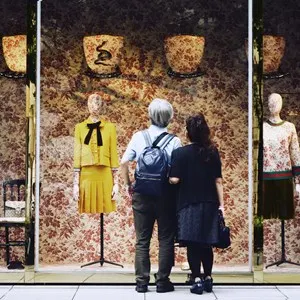
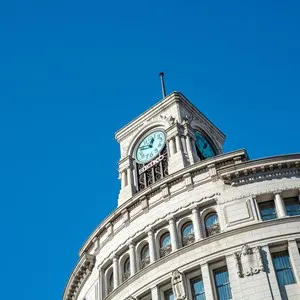
Ginza is Tokyo's definitive luxury quarter, a district where history and high fashion seamlessly intersect. Its name, meaning "silver mint", harks back to its 17th-century origins, but today it is synonymous with global sophistication. The main thoroughfare, Chuo-dori, is lined with flagship stores for elite brands like Chanel, Hermès, and the iconic Japanese department store Wako. While the district is a paradise for label lovers, its appeal extends beyond shopping. The post-war architecture is now punctuated by modern complexes like Ginza Six, a multi-level destination of designer boutiques and dining. For a more local experience, the network of side streets reveals exclusive art galleries, intimate bistros, and traditional department stores like Mitsukoshi.

Ginza Mitsukoshi

Ginza Mitsukoshi

Japan’s oldest department store has stores in Ginza and Nihonbashi. Womenswear, accessories, menswear, toys, childrenswear and restaurants from the fourth basement floor to the 12th floor. Mitsukoshi welcomes visitors from all around the world, with free Wifi, a Tax-Free Counter and Foreign Tourist Information Centre.

Harajuku

Harajuku

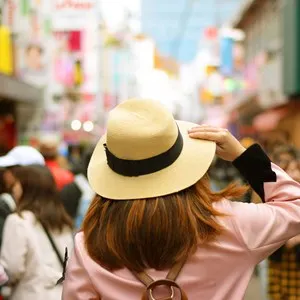
Harajuku is Tokyo’s nexus of youth culture and cutting-edge fashion, centred on the famously crowded Takeshita Street. This pedestrianised lane is a sensory overload of trendy boutiques, crepe stands and colourful street style. Just a short walk away, the tree-lined boulevard of Omotesando offers a more refined contrast, with its flagship designer stores and modernist architecture. The district is defined by its iconic department stores, which act as fashion incubators. Laforet Harajuku (1-11-6 Jingumae) is a multi-level epicentre of avant-garde brands and subcultures, while the cylindrical 109 Store (2-29-1 Dogenzaka) in nearby Shibuya is a legendary hub for bold, teen-oriented trends. Beyond shopping, Harajuku offers a peaceful retreat at the adjacent Meiji Jingu shrine and Yoyogi Park.

Isetan Shinjuku Store

Isetan Shinjuku Store

The Isetan Shinjuku Store began its life as a kimono retailer in 1886 and has since evolved into a landmark of high fashion. The department store styles itself as the 'world's greatest fashion museum'. This vast enterprise spans multiple floors, offering an extensive range of products from cosmetics and household goods to electronics, blending timeless classics with the very latest trends.

Kappabashi Dori

Kappabashi Dori

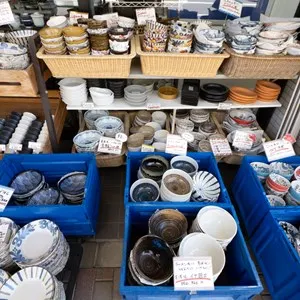
Kappabashi Dori, or 'Kitchen Town', is a unique district dedicated entirely to the restaurant trade. Stretching between Ueno and Asakusa, its shops are a treasure trove of professional-grade kitchenware, from pots and pans to furniture and signage. The street is also famous for its stores selling hyper-realistic plastic food samples, a quintessential feature of Japanese restaurant displays. For visitors, it's the ideal place to find distinctive souvenirs, from beautiful lacquerware and ceramics to hand-painted chopsticks.

Laox: Duty Free Flagship at Akihabara

Laox: Duty Free Flagship at Akihabara

Spanning seven floors, this vast duty-free complex is a one-stop shop for everything from household electronics and cosmetics to fashion and sports goods. It’s a practical choice for tax-free shopping, offering a wide range of products that make for reliable travel souvenirs.

Tourist Information

Best Time to Visit

Best Time to Visit

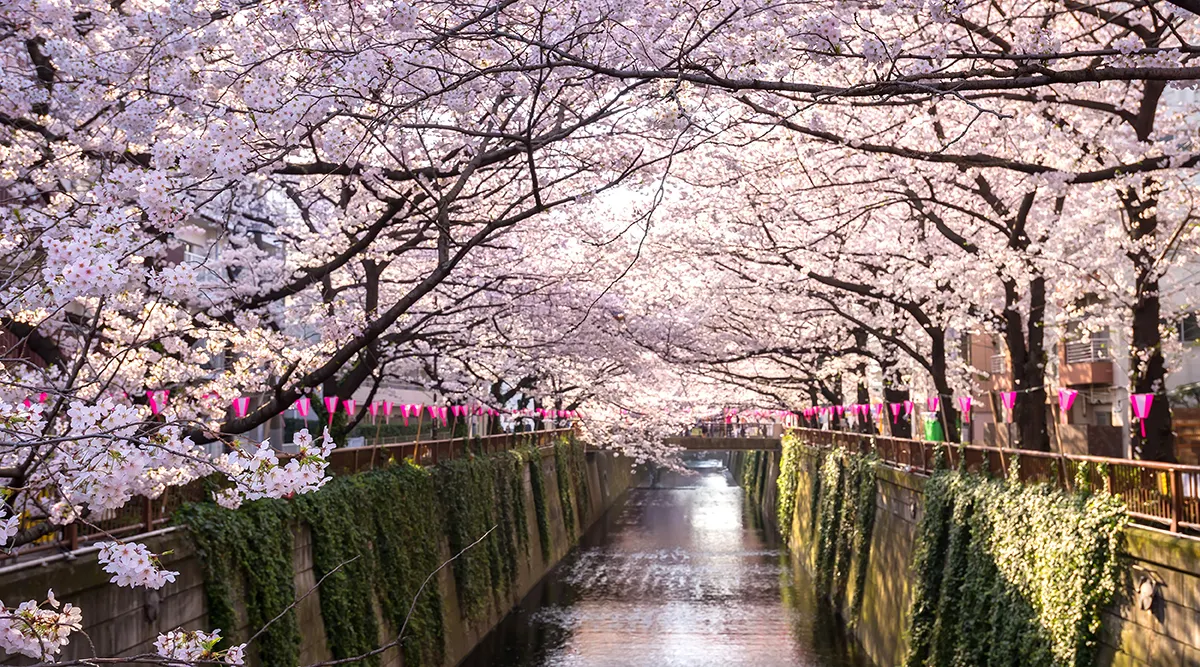
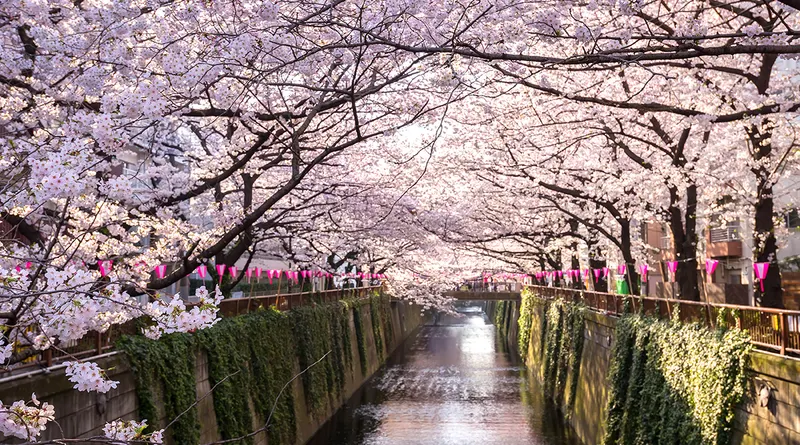
During the high season, mid-June to mid-September and late April to early May, the weather in Tokyo is very hot and humid. It is also the peak tourist season, which you will quickly notice from long lines at the museums and higher accommodation rates. Early June through July is also the rainiest part of the year. By August, the heat is at its peak. This is the month many students and workers are on summer vacation. April and November, the weather is dry and sunny. It is considered a pleasant time to be in Tokyo. It is also in April when locals and visitors flock to Tokyo's urban parks to witness the bloom of cherry blossom trees. Winter is the low season (from January to March), and if you don't mind colder weather this is a good period to travel to Tokyo. The humidity is low and snow is rare. During this time the accommodation rates are slightly lower.

Passport & Visa

Passport & Visa

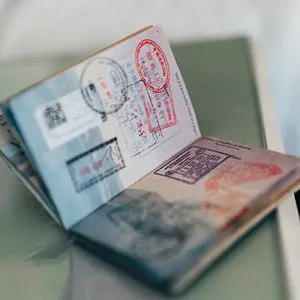
Travellers from most countries will need a visa to enter Japan unless they are from one of the visa-exempt countries. Nationals from countries such as the United States, Canada, Australia, Brazil, and many European countries can enter Japan visa-free for short-term stays (usually up to 90 days) for tourism, business, or visiting friends and relatives. However, visitors from countries not on the visa-exempt list must apply for a visa at a Japanese embassy or consulate before travelling. Always check the latest entry requirements as they can change.

Haneda Airport (HND)

Haneda Airport (HND)

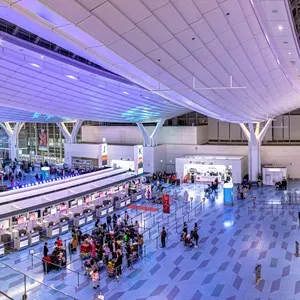
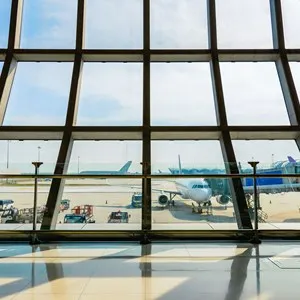
Haneda Airport is served by the Tokyo Monorail in approximately 20 minutes to Hamamatsucho Station, leaving every 10 minutes almost around the clock. Keikyu’s limousine buses run regularly from Haneda airport to key points in the city. For Tokyo city centre, it takes about 40 minutes.

Narita International Airport (NRT)

Narita International Airport (NRT)

Two airports serve Tokyo: Narita International Airport and Haneda International Airport (mainly for national flights). Narita Airport is accessible by the Narita Express Train (N'EX), which is the fastest way to get from the city centre to the airport. It takes approximately 60 minutes to Tokyo Station and 40 minutes to Ueno Station. Trains depart every half hour. You may consider getting a N'EX TOKYO Round Trip Ticket in the JR EAST Travel Service Centers and from JR Ticket Offices at Terminal 1 or 2. This ticket allows you to transfer to any other JR stations within Tokyo once. The Kesei Skyliner trains go from Narita to Ueno/Nippori station in about 45 minutes. For a cheaper choice, the Access Express goes to Higashi-Ginza station in 65 minutes. Limousine buses run regularly from Narita airport to key points in the city in 75–125 minutes. Taxis are available for the 70-kilometre journey, but fares are astronomical.

Public Transport

Public Transport

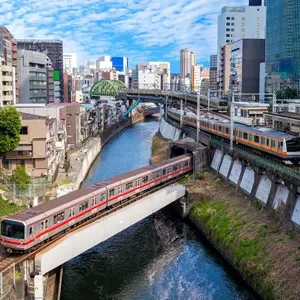
Tokyo has one of the most efficient train and subway systems in the world. Trains are clean and fast, and all stations have signs in English. The major train and subway systems are East Japan Railway (JR), Tokyo Metro, and Toei Subway. There are other railway companies. Each company has its own ticketing system. A variety of tickets and passes are on offer to make it easier than buying individual tickets for every trip. You can also consider getting a prepaid Suica Travel pass to travel on JR, subways and buses. These can be purchased at JR ’Green Window’ areas or ticket machines. The East Japan Railway (JR) is represented by the green letters 'JR' logo, offering the fastest service but at a higher price. Overland train lines are colour-coded, the most frequently used line in Tokyo municipality is the Yamanote line (green). Tokyo Metro is run by a private company. The subway consists of 9 lines with the light blue letter 'M' logo. Subways and trains operate from 5am to midnight. The prepaid card for Tokyo Metro is called Pasmo. Toei Subway operates 4 subway lines by the Bureau of Transportation with a green shape logo. Buses in Tokyo are run by several different companies. It is less confusing to take the subway or train around the city, but bus routes are efficient. Nevertheless, few signs are in English which makes navigation difficult. Bus route guides in English are available at Toei subway stations and hotels.

Taxi

Taxi

Taxis are an expensive but convenient way to move around in Tokyo. Weekend rates are even more pricey, as are rides between 11pm and 5am. Taxi stands are located in almost all busy areas and tipping is not expected. In Tokyo, several ride-sharing and taxi-hailing apps are available to make transportation even more convenient, such as Uber, DiDi and GO.

Electricity

Electricity

Japan operates on a 100V supply voltage and 50/60Hz. The country uses Type A plugs, which have two flat-sided prongs.

Pharmacy

Pharmacy

The word for pharmacy in Japanese is 'yakkyoku'. Generally, pharmacies are open from 9am to 6pm on weekdays and Saturdays, and closed on Sundays, while drugstores are usually open 7 days a week and sometimes round the clock. One of the biggest and most popular pharmacy chains is Matsumoto Kiyoshi. They have stores scattered around the whole island and offer original brands of drugs and medicines including cosmetics and beauty products. Other chains in Japan are SunDrug and Tsuruha Drug.

Frequently Asked Questions

Tokyo offers a rich mix of sightseeing, guided tours, and local activities. On Keytours you can browse the most popular tours and experiences in Tokyo and book them instantly.

The ideal time to visit Tokyo depends on the experience you're after. Check the current weather and seasonal information on this page to plan your trip around the best conditions.

You can arrange private airport transfers and local transport for Tokyo directly through Keytours, ensuring a comfortable arrival and easy travel throughout your stay.

Tokyo has accommodation for every style, from boutique city stays to seaside resorts. Explore our handpicked hotels in Tokyo to find the right base for your trip.

Yes. With Keytours you can combine tours, activities, hotels, and transfers for Tokyo in a single booking, making it easy to plan your entire trip in one place.

Simply choose your preferred tours, hotels, or activities in Tokyo on this page, select your dates, and complete your secure booking online. Our team is available to help at any step.

Trips