

Vietnam Travel & Vacation Guide
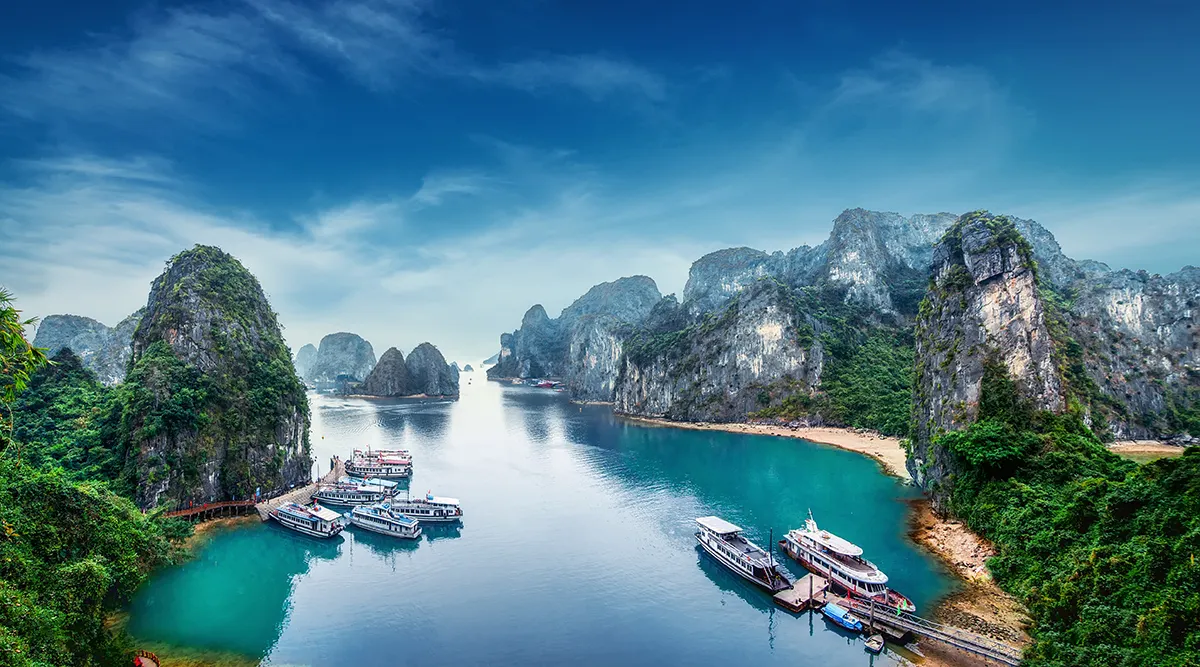
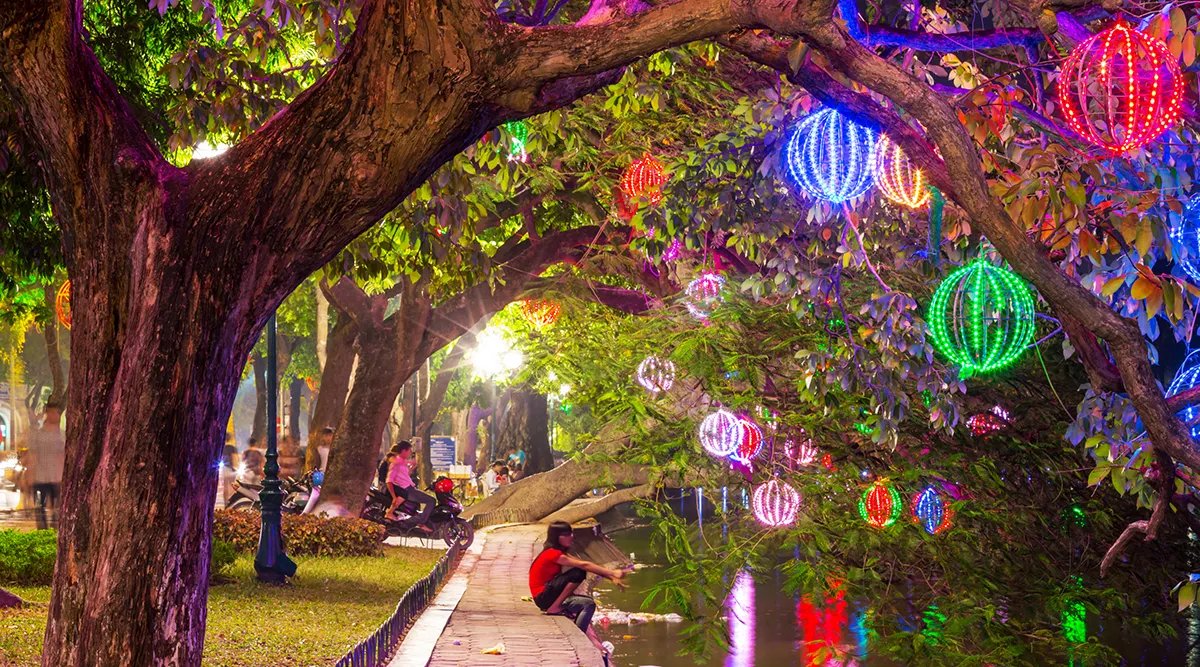
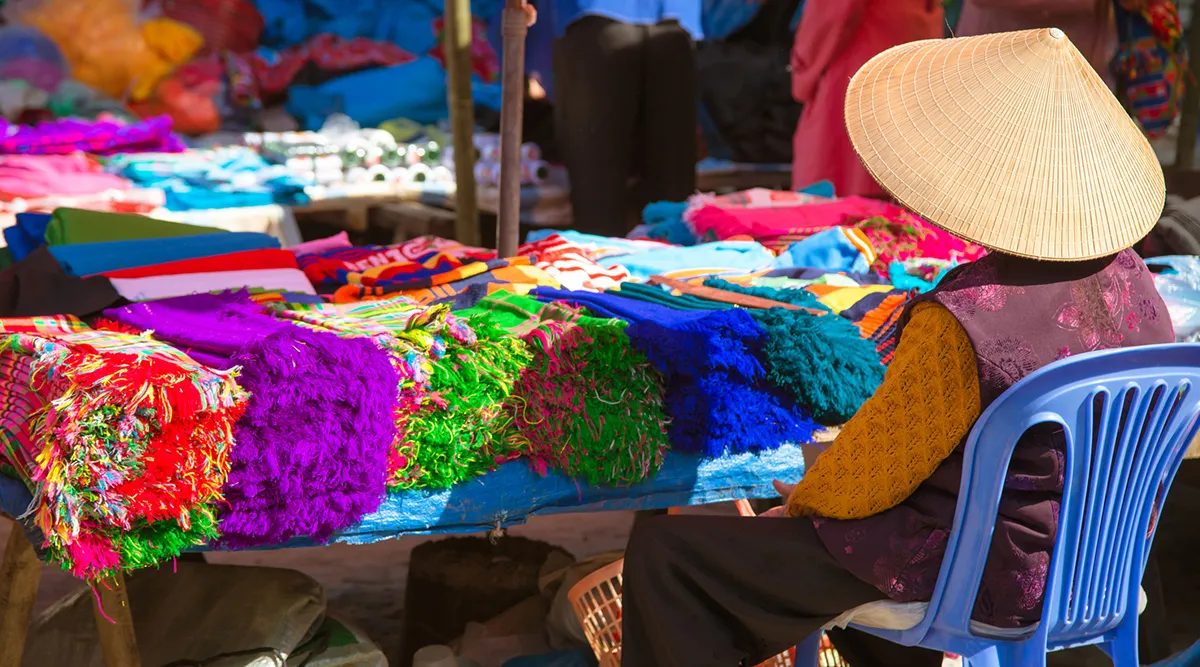
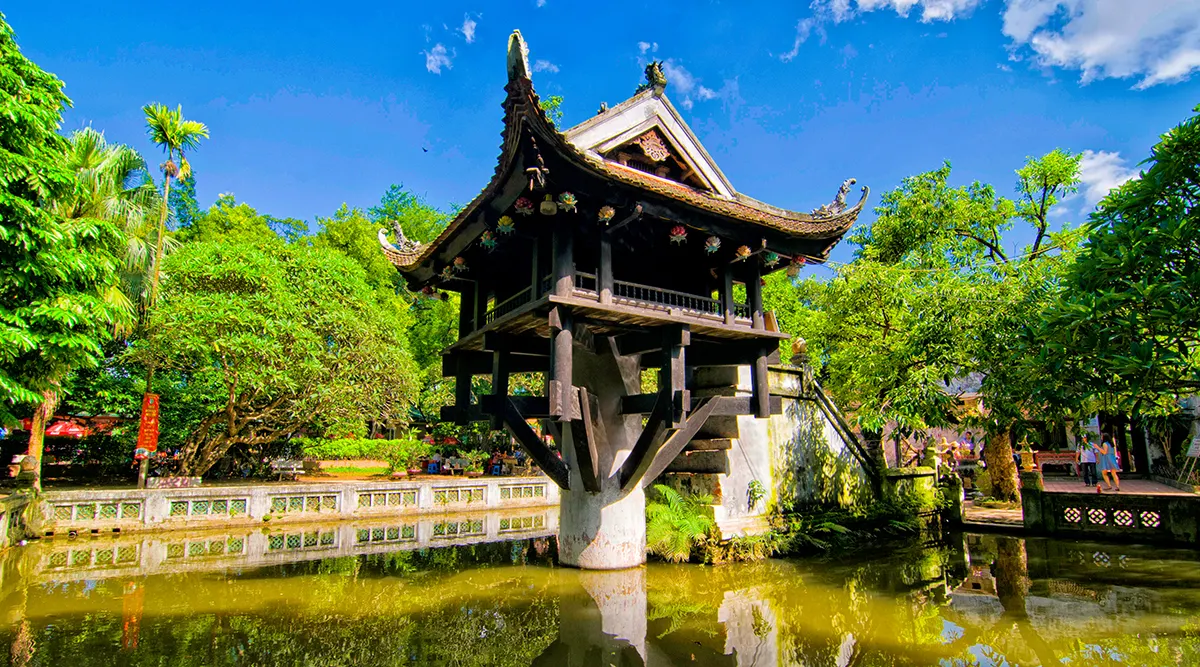
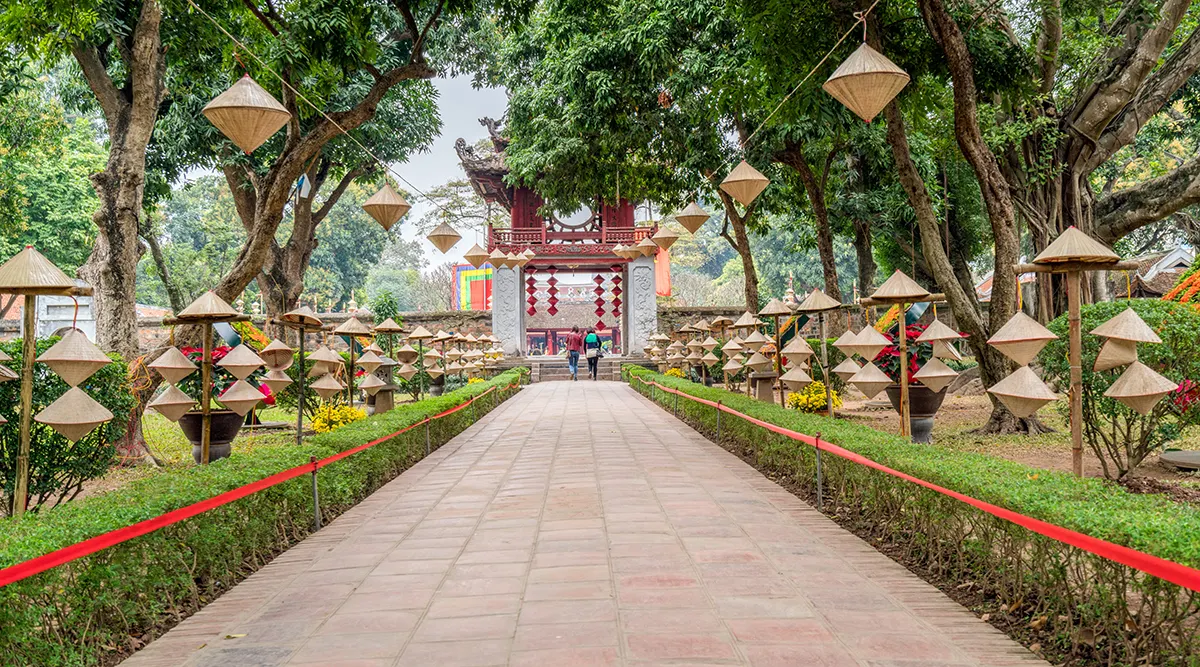
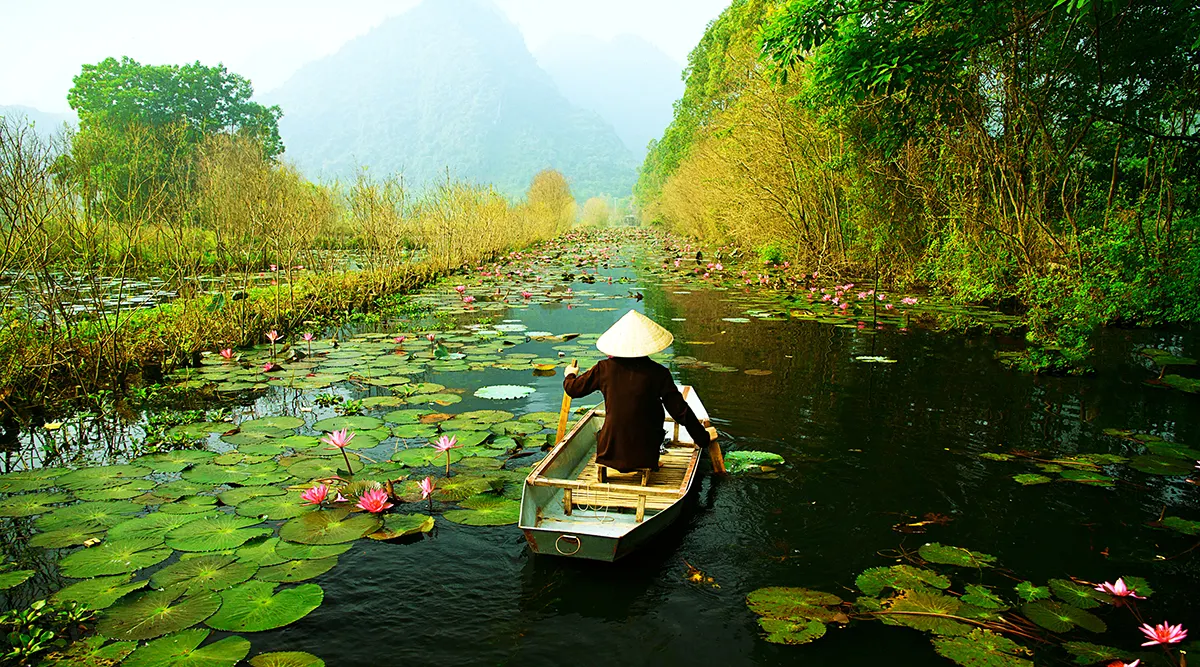
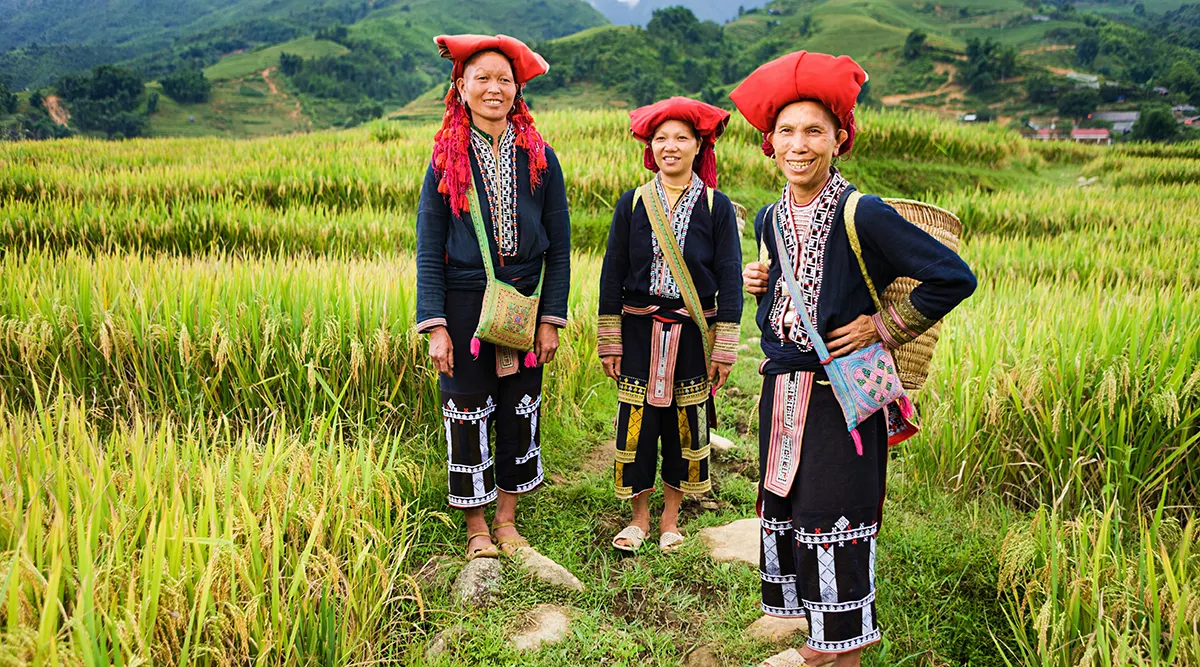
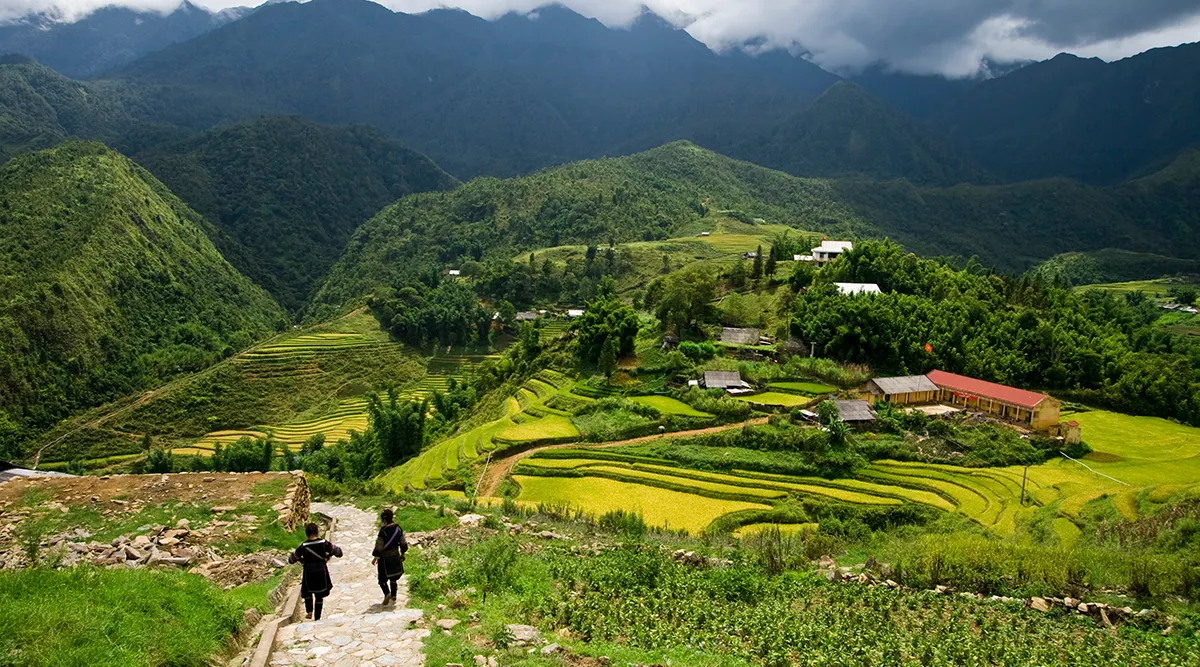
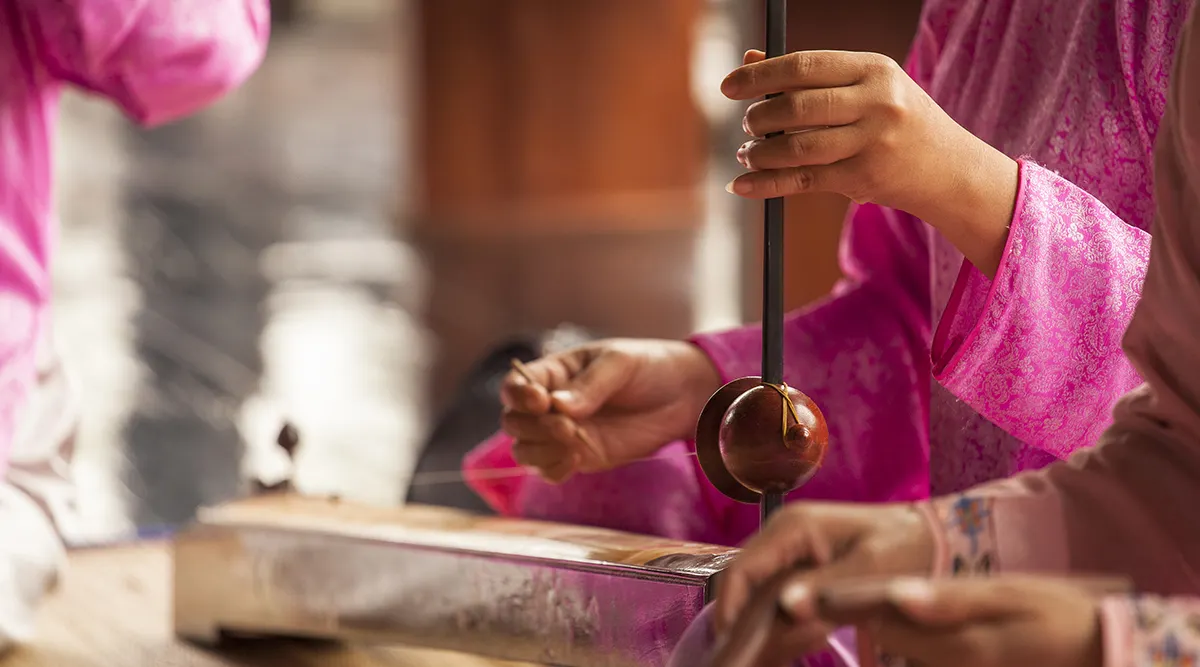
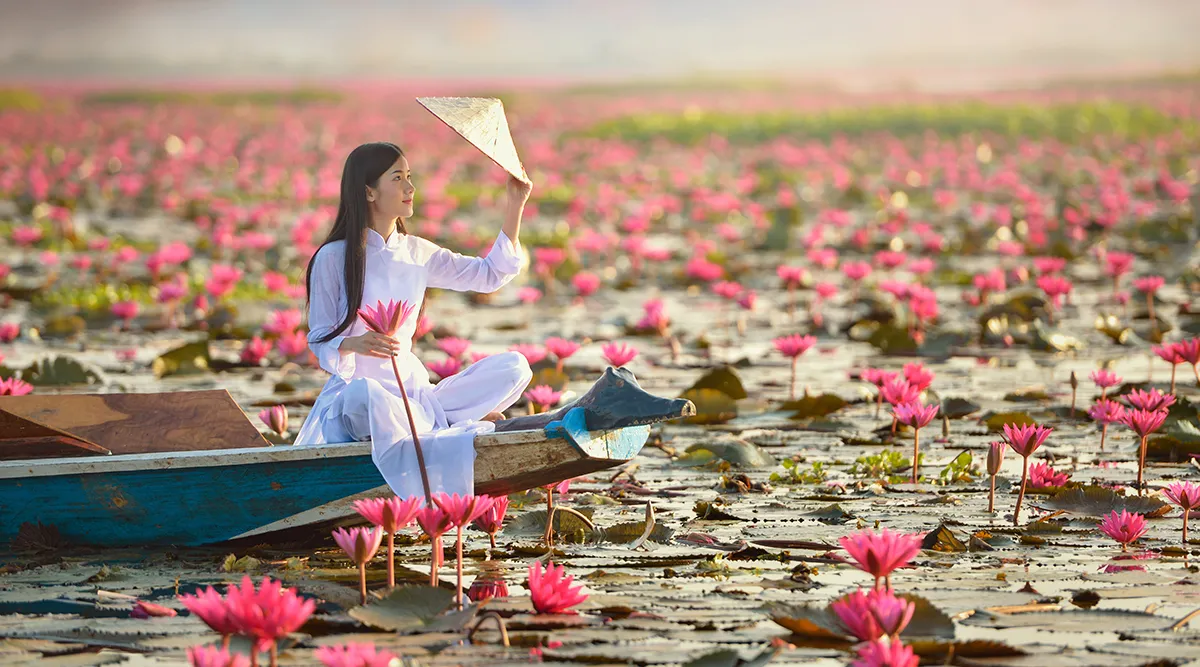










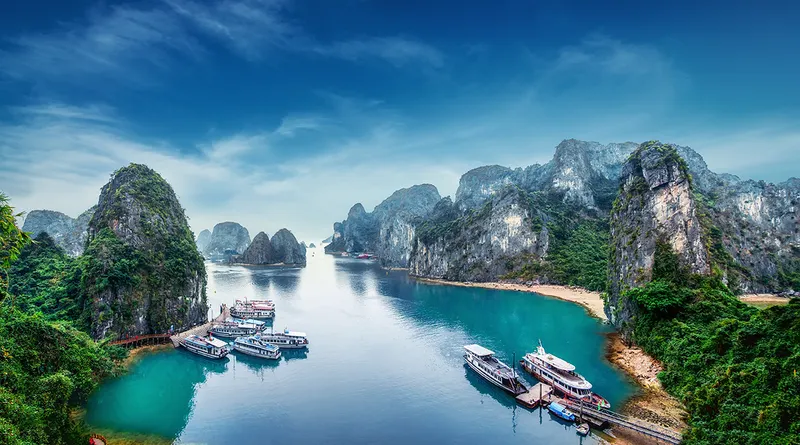
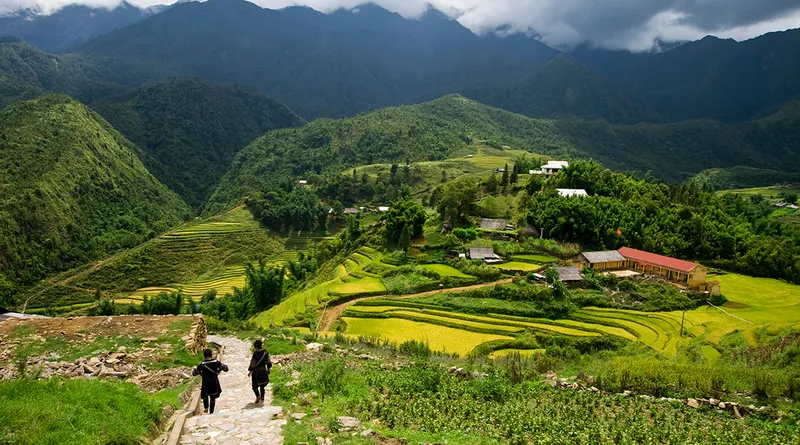
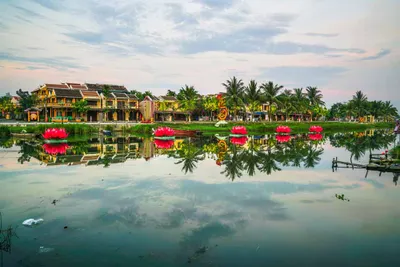
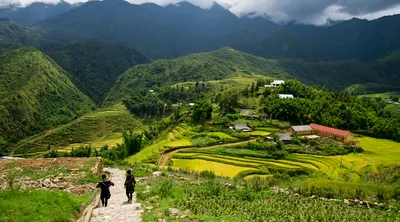
Vietnam is a land where ancient traditions and modern dynamism intertwine, offering travelers a journey through breathtaking landscapes, rich history, and world-renowned cuisine. From the misty limestone karsts of Ha Long Bay to the emerald rice terraces of Sapa, every corner of the country tells a story. Wander through the lantern-lit alleys of Hoi An, a UNESCO-listed town frozen in time, or dive into the bustling energy of Hanoi’s Old Quarter, where history echoes through colonial architecture and vibrant street markets.
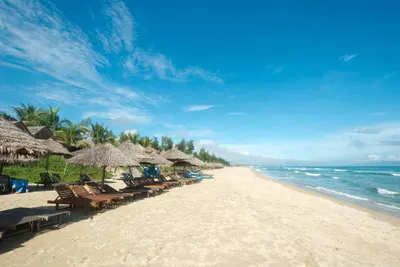
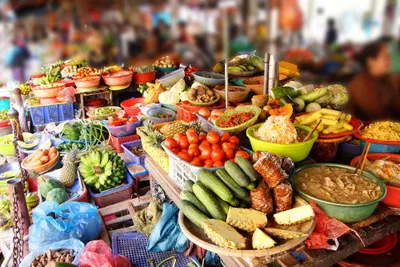
For food lovers, Vietnam is a culinary paradise—sip on steaming bowls of pho, savor a crispy banh mi, or indulge in the delicate flavors of freshly rolled goi cuon (spring rolls). Adventure seekers can trek through the remote highlands of Ha Giang, explore the vast network of the Cu Chi Tunnels, or cruise through the floating villages of the Mekong Delta. Meanwhile, those seeking relaxation can unwind on the pristine beaches of Da Nang or the tropical shores of Phu Quoc Island.
Whether you’re tracing the imperial past in Hue, embracing the cosmopolitan pulse of Ho Chi Minh City, or venturing into the mystical caves of Phong Nha, Vietnam captivates with its seamless blend of past and present. A destination of boundless beauty and heartwarming hospitality, Vietnam invites you to discover its soul—one unforgettable experience at a time.


Cities & Region


Frequently Asked Questions
U.S. travelers need a valid passport and a visa to enter Vietnam. Passports should be valid for at least six months beyond your planned departure date. You can apply for a visa online through Vietnam's e-visa system, which allows for stays of up to 30 days for tourism purposes. Alternatively, you can obtain a visa on arrival, but this requires pre-approval through a Vietnamese travel agency. Always verify the latest entry requirements with the Vietnamese embassy or consulate before your trip.
The currency in Vietnam is the Vietnamese Dong (VND). While credit cards are accepted in major cities and tourist areas, especially in hotels, restaurants, and larger shops, cash is still widely used, particularly in rural areas and small businesses. It's advisable to carry some cash for smaller transactions and to use ATMs to withdraw local currency as needed. Tipping is not mandatory but appreciated for good service.
The best time to visit Vietnam depends on the regions you plan to explore. Generally, the months from November to April are ideal for most of the country, offering pleasant weather and less rainfall. The north experiences cooler, dry weather, while the south is warm and dry. Central Vietnam can be wetter from October to December. Consider your itinerary to choose the best time for your visit.
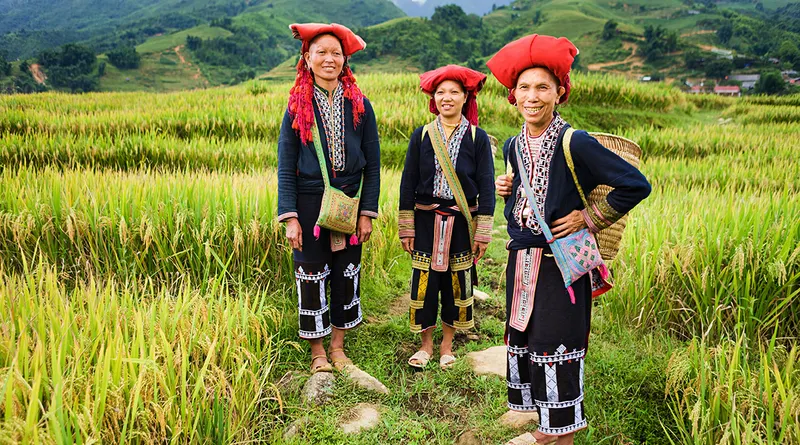
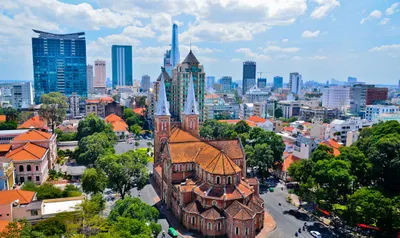
Vietnam offers a rich tapestry of experiences. Must-see destinations include the bustling city of Hanoi, the historic town of Hoi An, the stunning landscapes of Ha Long Bay, and the vibrant city of Ho Chi Minh City. Don't miss the Mekong Delta for its floating markets and lush scenery, and Sapa for its terraced rice fields and ethnic minority villages. Each location offers unique cultural and historical insights.
Vietnamese cuisine is diverse and flavorful. Be sure to try Pho, a fragrant noodle soup; Banh Mi, a French-inspired sandwich; and Bun Cha, grilled pork with noodles. Other local favorites include fresh spring rolls (Goi Cuon) and the savory pancake Banh Xeo. Each region has its specialties, so explore local eateries to experience authentic flavors.
Traveling within Vietnam is convenient with various options. Domestic flights are efficient for long distances between major cities. Trains offer scenic journeys, especially the route from Hanoi to Ho Chi Minh City. Buses are economical for shorter distances. In cities, taxis and ride-hailing apps like Grab are widely available, while renting a motorbike is popular for exploring at your own pace, though it requires caution and experience.
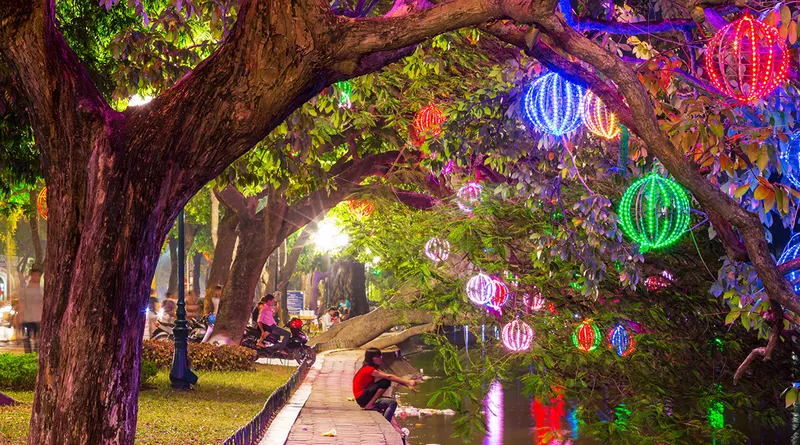
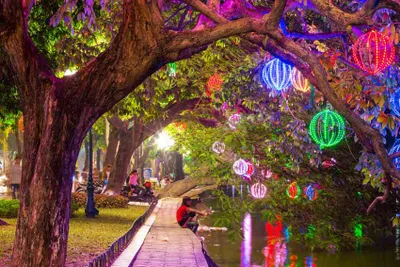
Vietnam hosts numerous vibrant festivals. Tet, the Vietnamese Lunar New Year, is the most significant, celebrated in January or February with lively parades and family gatherings. The Mid-Autumn Festival in September features lantern displays and mooncakes. Hoi An's Lantern Festival, held monthly, transforms the town with colorful lanterns. These events offer a deep dive into Vietnamese culture and traditions.