

Wadi Rum Travel & Vacation Guide













Current Weather





Frequently Asked Questions
The best time to visit Wadi Rum is during the spring (March to May) and fall (September to November) when temperatures are mild and comfortable for outdoor activities. Summer can be extremely hot, with daytime temperatures often exceeding 100°F (38°C), while winter nights can get quite chilly, so pack accordingly.
A stay of 2 to 3 days in Wadi Rum is ideal to fully experience its stunning landscapes and activities. This allows time for a jeep tour, camel rides, hiking, and stargazing, as well as enjoying the unique Bedouin culture.
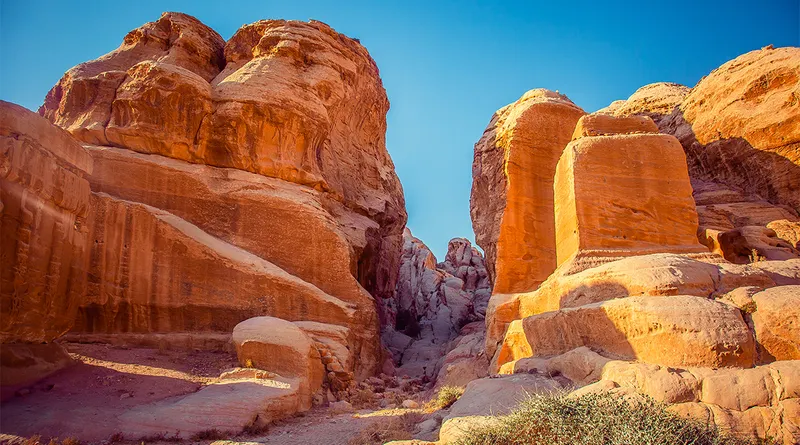
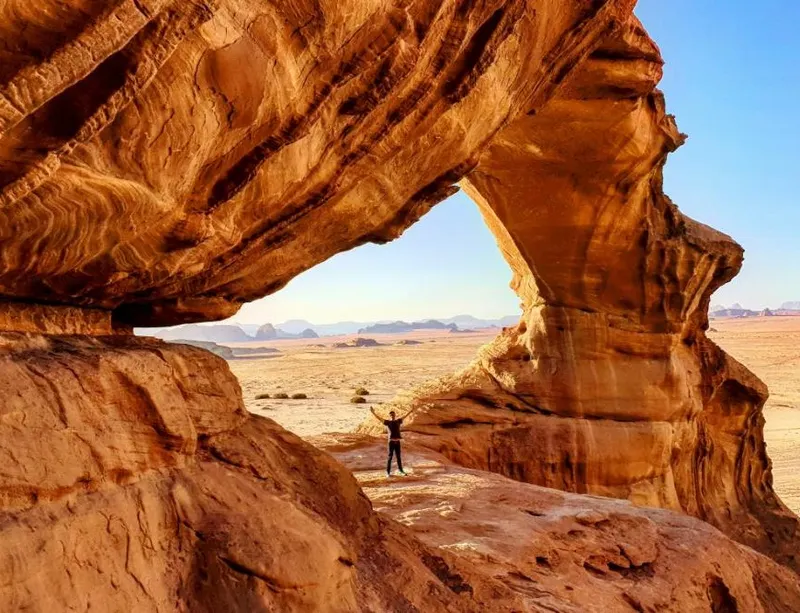
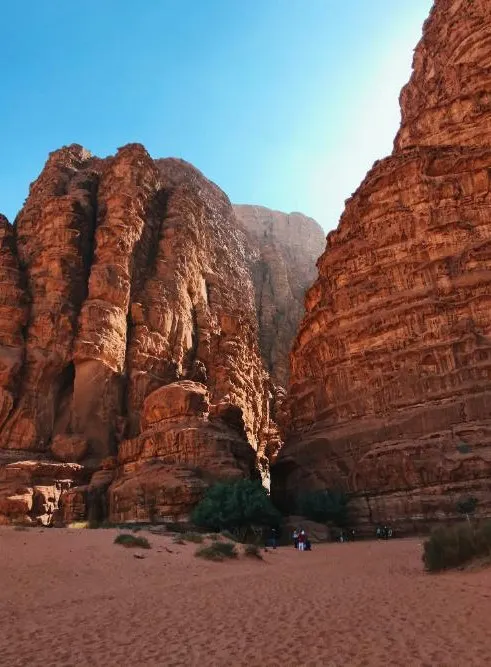
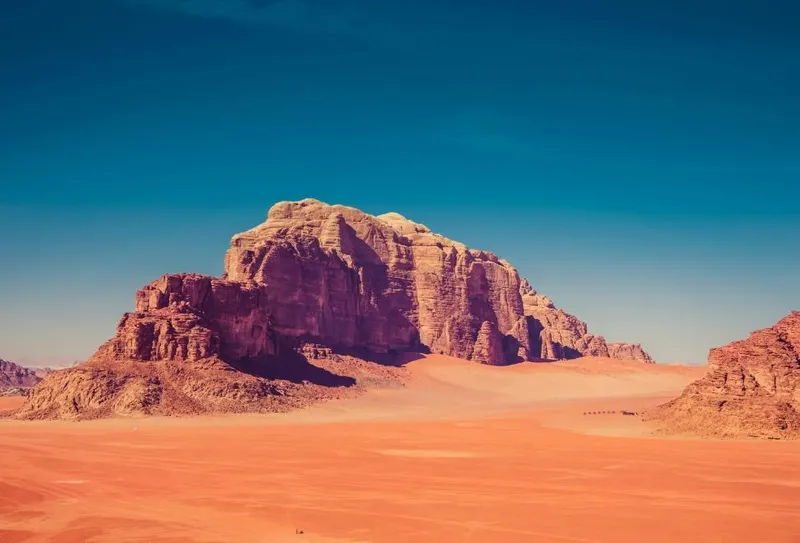
Wadi Rum is famous for its breathtaking natural beauty and unique rock formations. Key attractions include: - The Seven Pillars of Wisdom, a prominent rock formation. - Lawrence's Spring, a historical site. - The Khazali Canyon, known for its ancient petroglyphs. - Sunset views from the sand dunes.
To reach Wadi Rum from Aqaba, you can take a taxi or arrange a private transfer, which takes about 1 hour. Alternatively, there are local buses that connect Aqaba to Wadi Rum, but they may be less frequent.
While in Wadi Rum, be sure to try traditional Bedouin dishes such as: - Zarb: a slow-cooked lamb or chicken dish prepared in an underground oven. - Mansaf: a traditional Jordanian dish made of lamb cooked in a yogurt sauce and served with rice. - Fresh flatbread, often baked in the desert.
Yes, when visiting Wadi Rum, it's important to respect local customs, especially regarding dress and behavior. Dress modestly, covering shoulders and knees, particularly in the presence of Bedouin families. It's also polite to ask permission before taking photos of people.
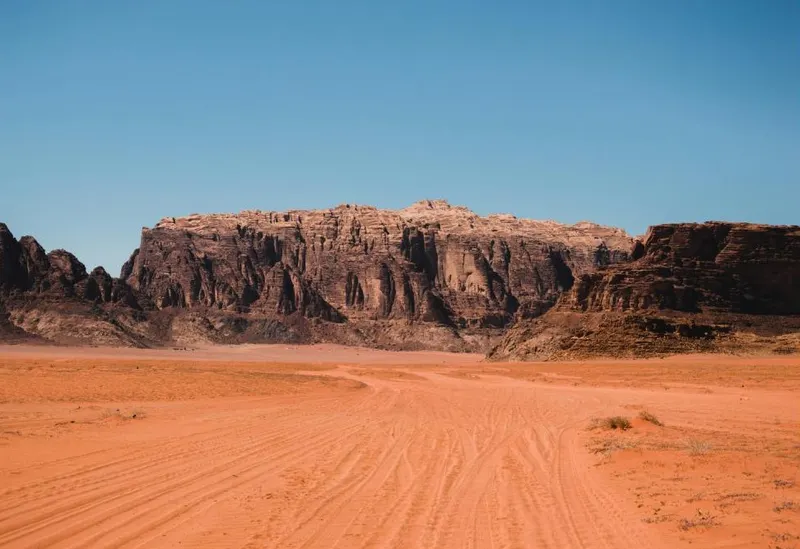
Wadi Rum offers a range of exciting activities, including: - Jeep tours to explore the desert landscape. - Camel trekking for a traditional experience. - Rock climbing and hiking for adventure seekers. - Stargazing at night, as the area is known for its clear skies.