
Details for Washington DC
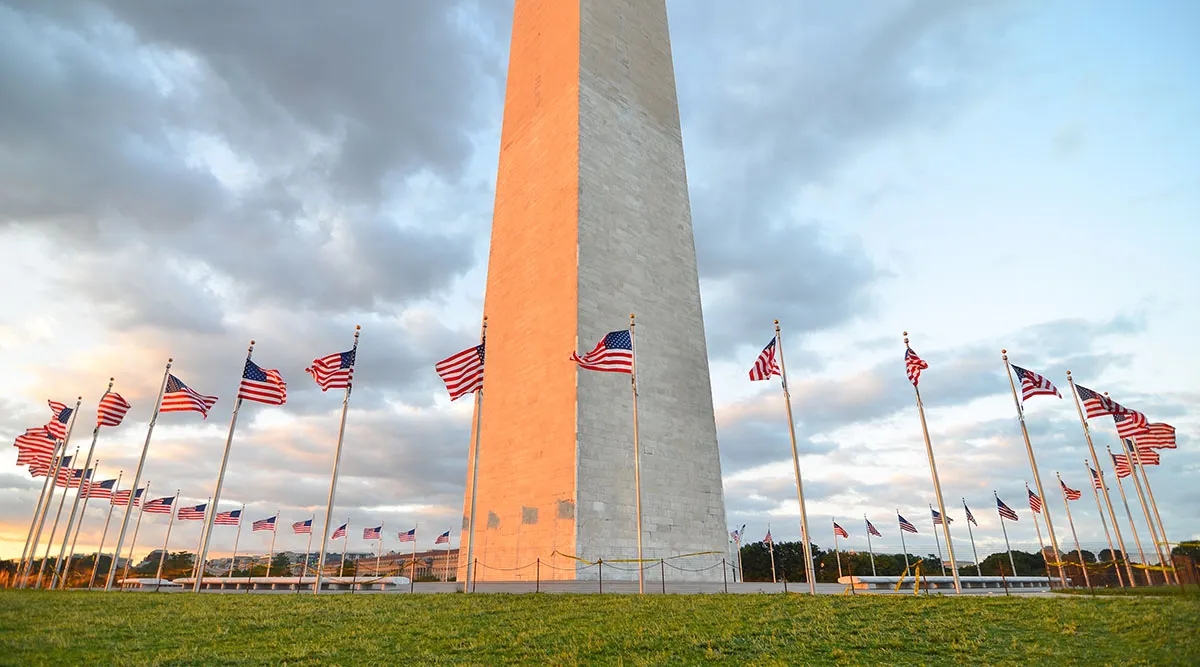


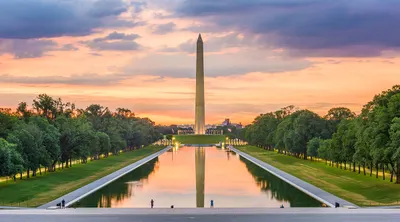
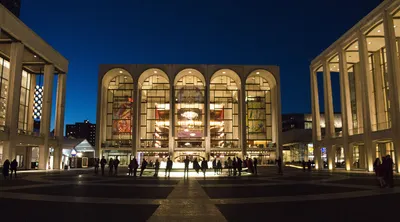
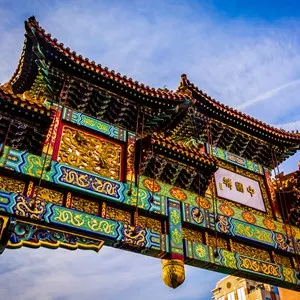
Founded in 1790 as the capital of the United States, Washington was designed to showcase the nation’s political ideals. Its layout, planned by Pierre L’Enfant, features grand avenues, open spaces, and the National Mall, where monuments and memorials celebrate the country’s history. Over the centuries, the city has grown beyond politics, shaped by diverse communities, cultural movements, and waves of immigration. Each neighborhood now has its own character. Georgetown blends historic charm with trendy shops and restaurants. Shaw, once marked by racial tensions and riots, has been revitalized and is now a hub for African-American heritage tours. Downtown offers theaters, galleries, and Chinatown’s best Chinese restaurants, while the U Street corridor — where Duke Ellington once played — is the place for live music and nightlife. The National Mall remains the heart of the city, lined with iconic monuments, memorials, and Smithsonian museums. Across D.C., you’ll find restaurants reflecting the city’s melting-pot culture — from French and American to Ethiopian cuisine. Parks and green spaces are scattered throughout, giving the city a sense of openness that balances the urban energy.
684,394 (2025)
US Dollar (USD)
911

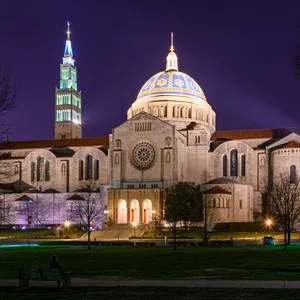
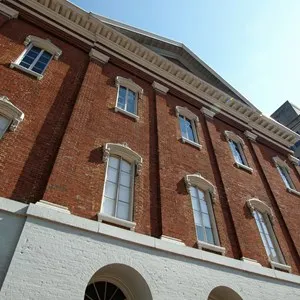
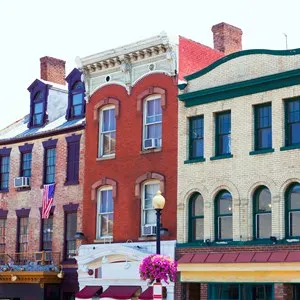

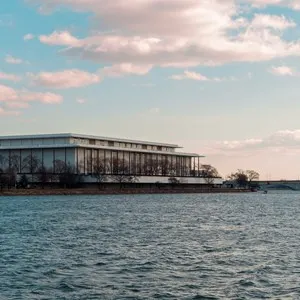
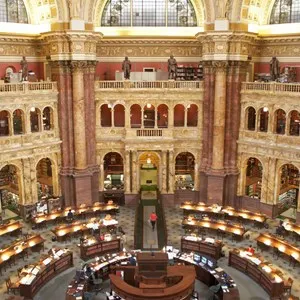
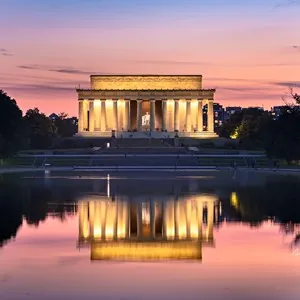




























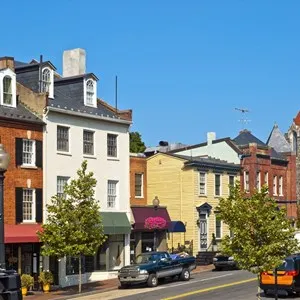

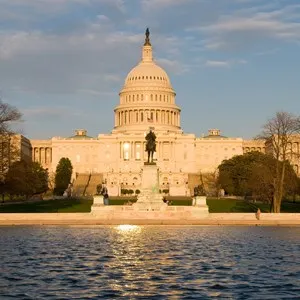





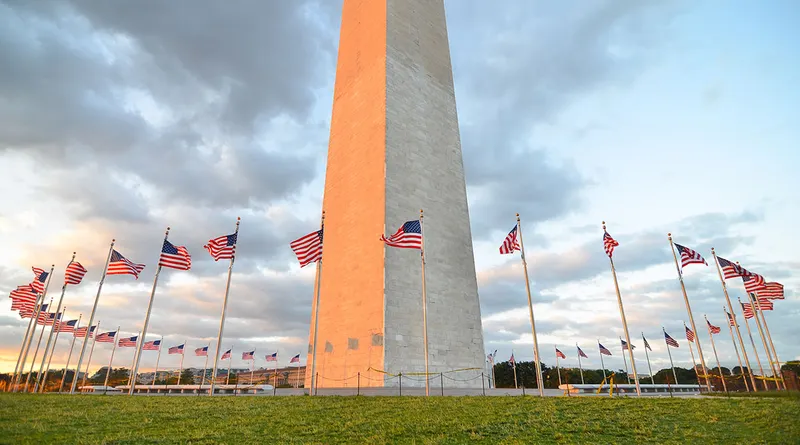
Washington DC is home to iconic landmarks such as the National Mall, where you can visit the Lincoln Memorial, Washington Monument, and the U.S. Capitol. Don't miss the Smithsonian Museums, which offer free entry and cover a wide range of interests from art to history. The White House is another essential stop, though tours require advance planning. Also consider exploring the vibrant neighborhoods like Georgetown and the Wharf for dining and shopping.
The best time to visit Washington DC is during the spring (March to May) and fall (September to November) when the weather is mild, and the city's famous cherry blossoms or fall foliage are in full display. These seasons also offer numerous cultural events and festivals, making it an ideal time for sightseeing and outdoor activities.
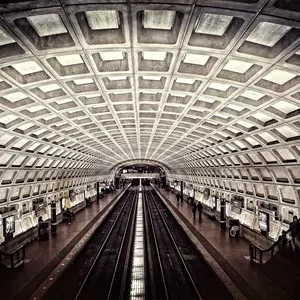
Washington DC has an efficient public transportation system, primarily operated by the Washington Metropolitan Area Transit Authority (WMATA). The Metrorail and Metrobus services cover most areas of the city. Consider purchasing a SmarTrip card for convenient travel across the network. Additionally, the city is bike-friendly, with Capital Bikeshare stations available for rentals.
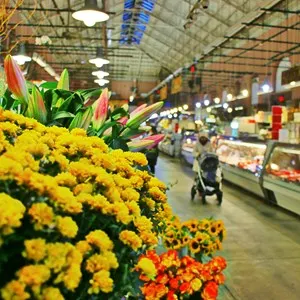
Washington DC offers a diverse culinary scene. Be sure to try the famous half-smoke sausage, a local specialty often served at Ben's Chili Bowl. The city is also known for its Maryland blue crabs and crab cakes. For a taste of international flavors, visit the vibrant food markets and diverse restaurants in neighborhoods like Adams Morgan and U Street.
Washington DC hosts several unique cultural events throughout the year. The National Cherry Blossom Festival in spring celebrates the blooming of cherry trees with parades and cultural performances. In summer, the Smithsonian Folklife Festival showcases global cultures on the National Mall. Additionally, the city celebrates its diverse heritage with events like the DC Jazz Festival and the H Street Festival.
There are several excellent day trips from Washington DC. Consider visiting Mount Vernon, the historic estate of George Washington, located about 15 miles south of the city. The charming city of Annapolis, Maryland, is another option, offering maritime history and picturesque views. Nature enthusiasts might enjoy a trip to Shenandoah National Park, which is about a two-hour drive from the capital.
A stay of 3 to 5 days is recommended to fully explore Washington DC. This allows ample time to visit major attractions like the National Mall and Smithsonian Museums, as well as to explore neighborhoods and enjoy local dining. If you plan to take day trips or delve deeper into specific interests, consider extending your stay.