

Details for Windhoek
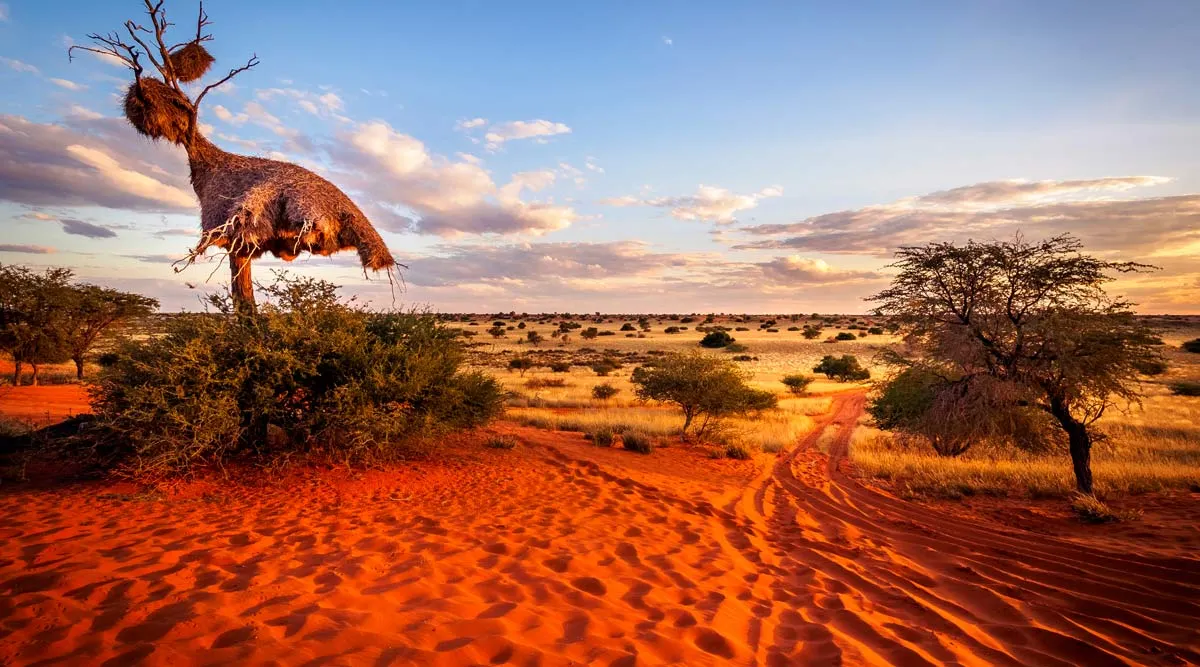
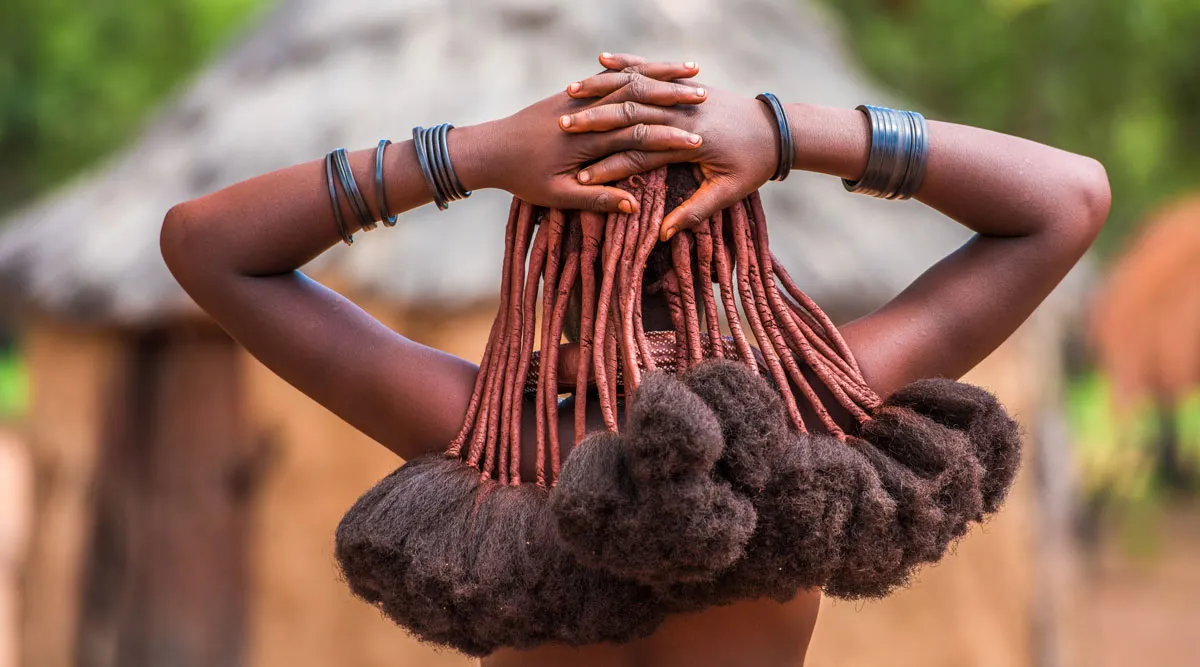
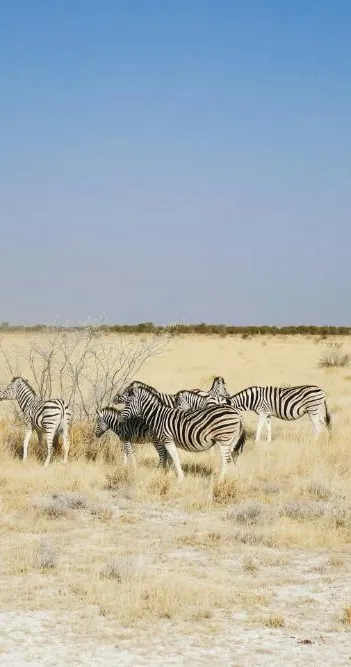
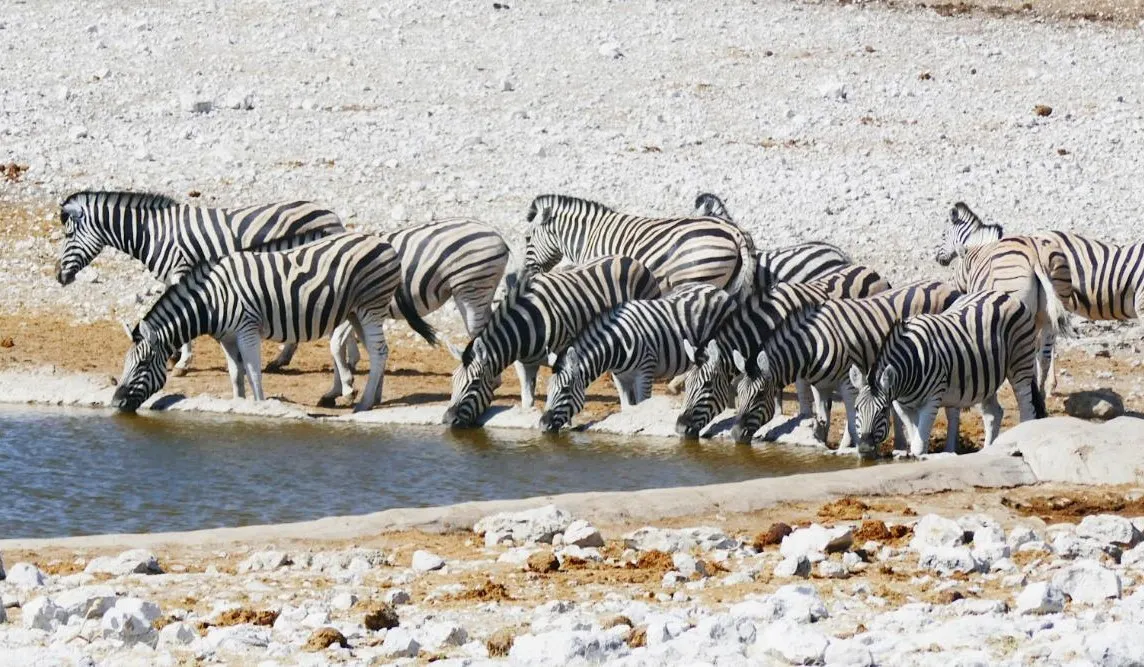
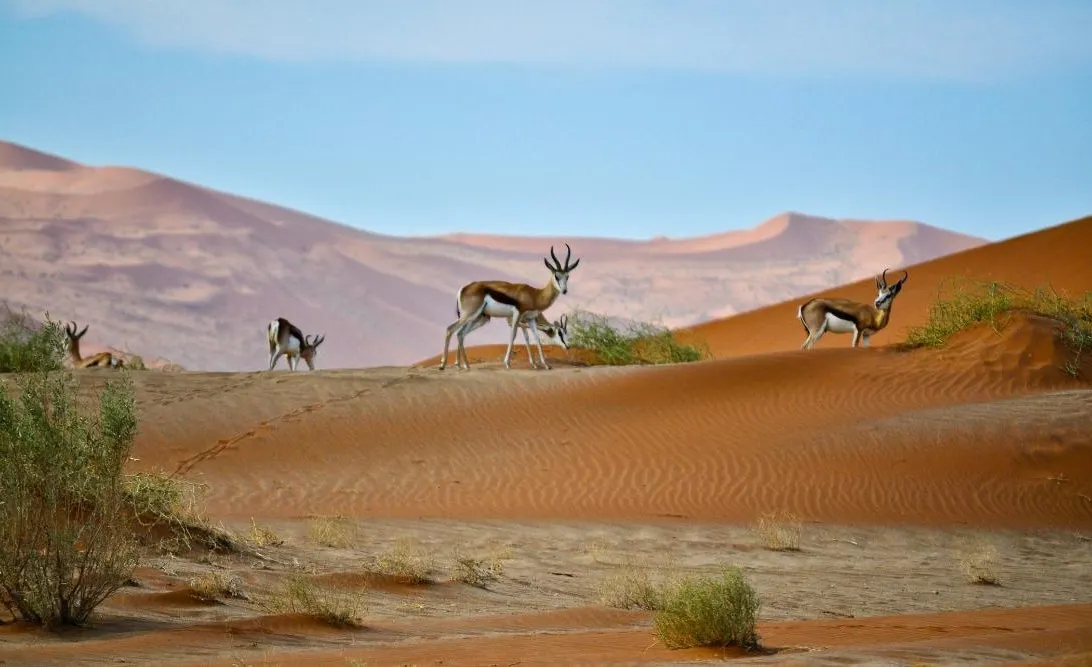
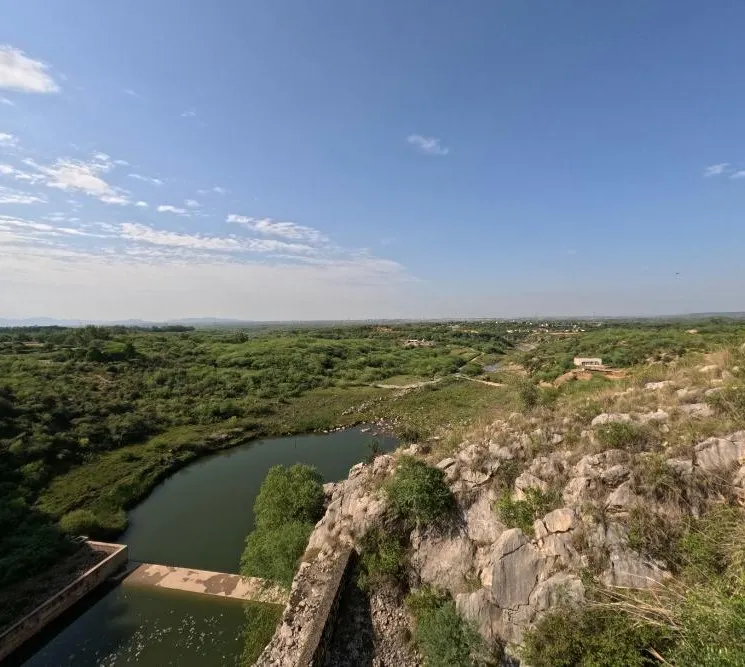
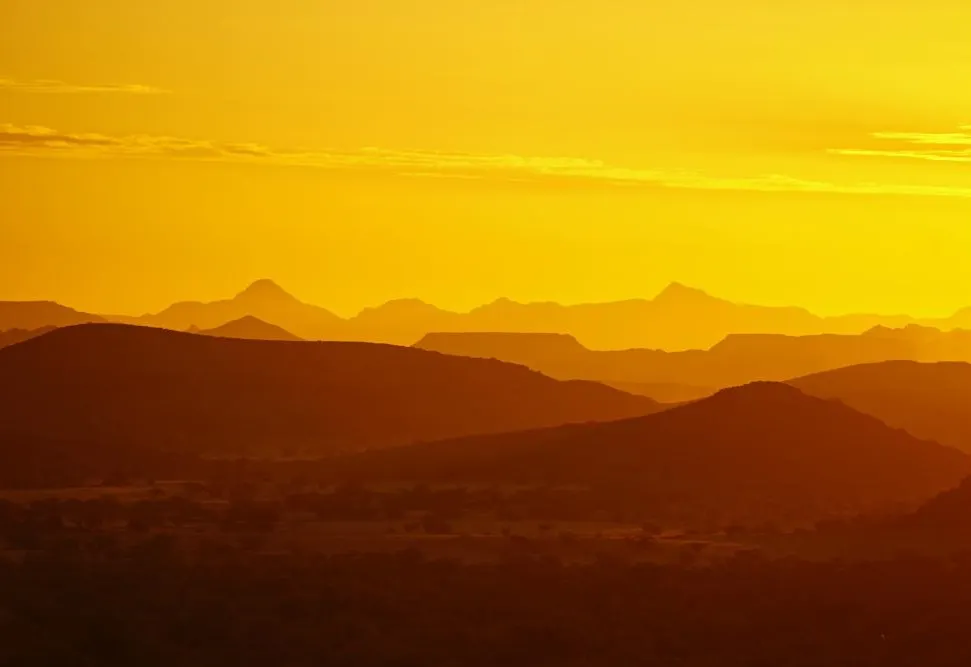

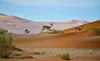
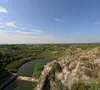



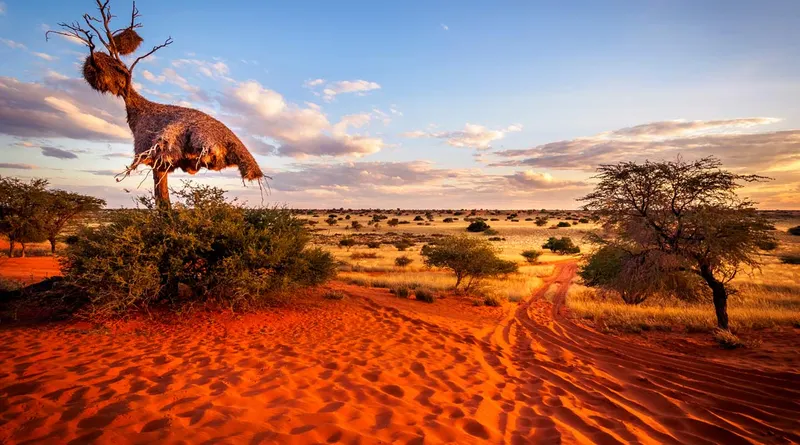
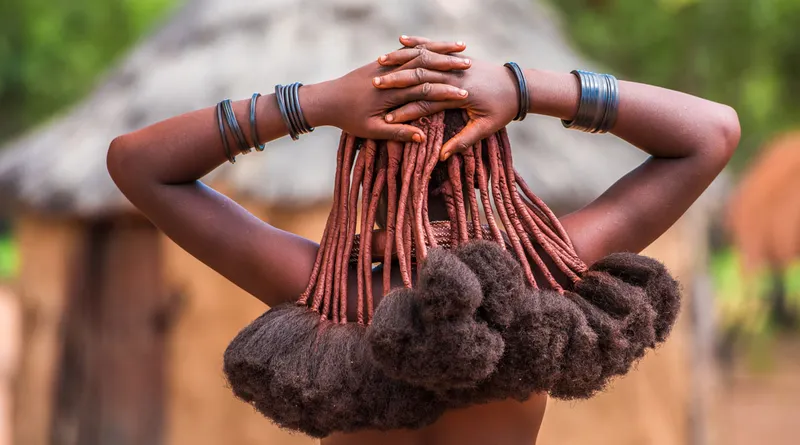
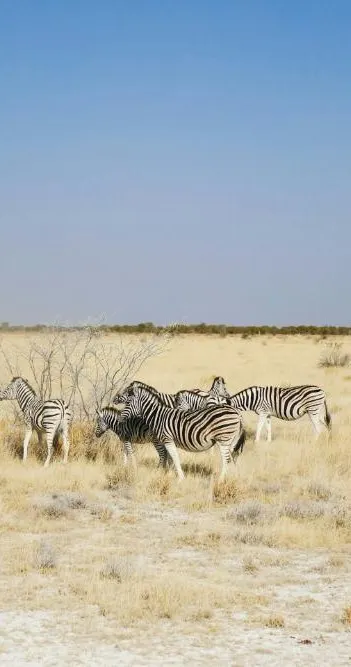
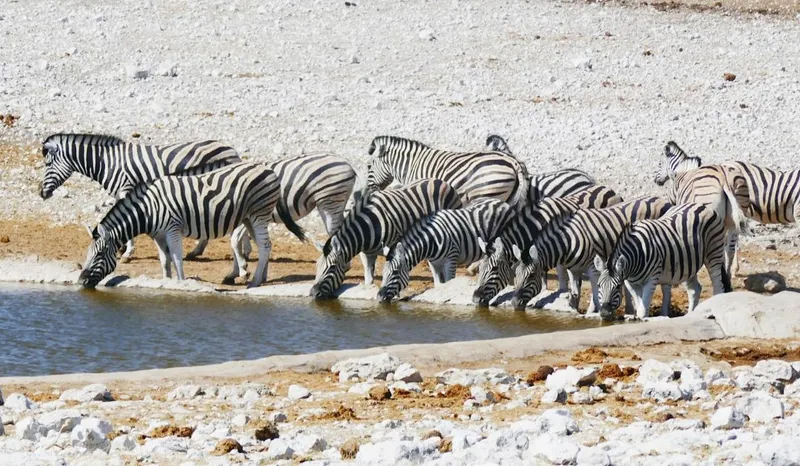
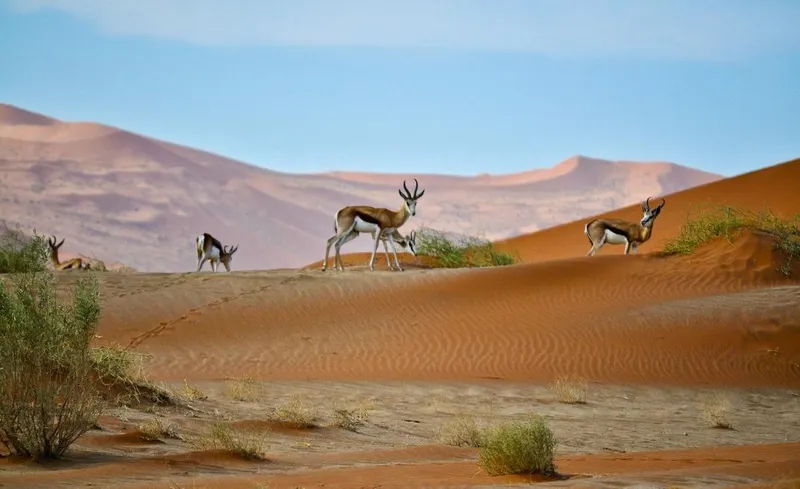
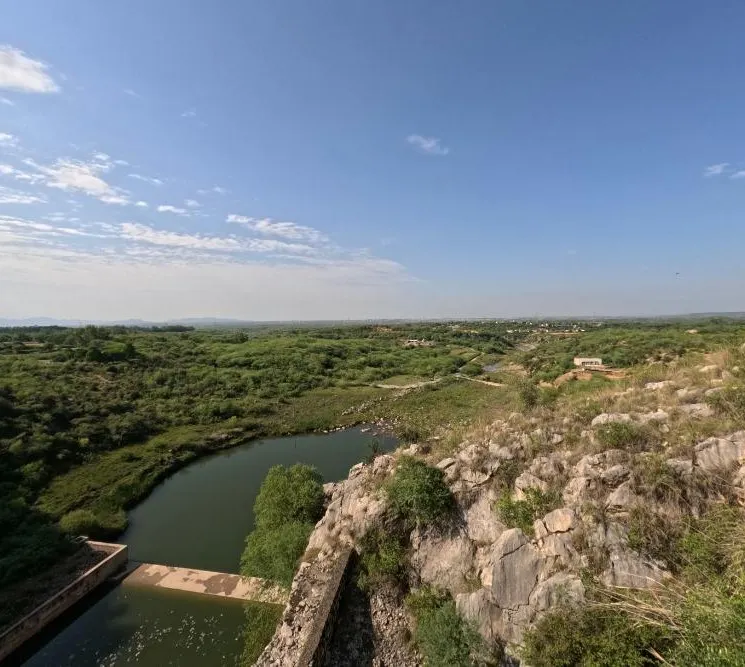
Windhoek is, in some ways, the least "African" of Sub-Saharan cities. The compact city centre, with its landmark Christuskirche, looks much like a transplant from the European mainland — its streets rarely overflow with people, traffic is orderly, and the closest continental restaurant — or even a full-on beer garden, for that matter — is never too far away. Although many visitors limit their stay in Windhoek to its central district (Klein Windhoek), heavy on colonial heritage, there is more to discover further afield. The outlying neighbourhood of Katutura makes for an insightful day trip (although going it alone isn't recommended, try and join a guided tour or be accompanied by a local), while the Daan Viljoen Game Reserve is the place closest to town to get close and personal with some of Namibia's non-predatory indigenous animals: zebra, giraffe, impala, kudu, steenbok, oryx, and a multitude of bird species. One needn't go to a specially designated reserve, however — animals roam the red Namibian plains freely and can be spotted just off the major highways.
431,000 (2020)
Namibian dollar (NAD) is the official currency, but South African rand (ZAR) are also widely accepted. The Namibian dollar is pegged to the South African rand (ZAR) at a 1:1 ratio.
Ambulance +264 61 21 1111
Fire +264 61 21 1111
Police +264 61 1 0111
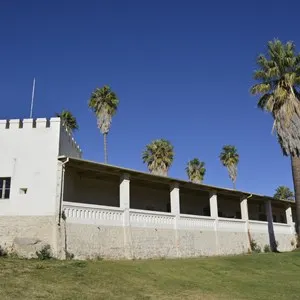
Alte Feste
Alte Feste
The oldest surviving building of the Namibian capital was originally built to house the German colonial troops in the late 19th century, later going on to become a museum for Namibia's struggle for independence, as well as a historic landmark in itself. The controversial Reiterdenkmal, an alleged symbol of German dominance in the region, has been relocated from its original place opposite the Christuskirche into the yard of Alte Feste for storage. The interior space is closed for public visits as of mid-2019; a few wartime exhibits are showcased out front.
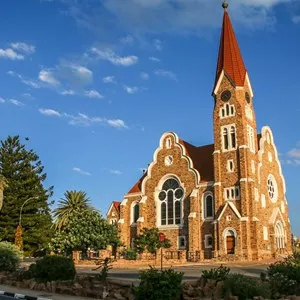
Christ Church
Christ Church
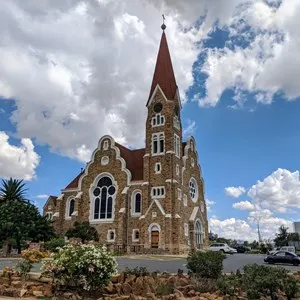
The sandstone Christuskirche is, despite its modest size and unimposing appearance, somewhat of the city's symbol. Designed by a prolific German architect, the church marks an important era in Namibian history, and remains an attractive location for locals to exchange vows in marriage.
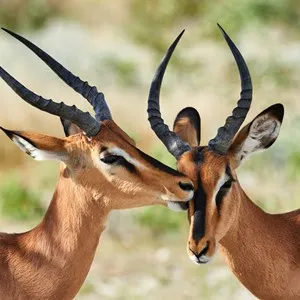
Daan Viljoen Game Reserve
Daan Viljoen Game Reserve
For a brush with spectacular nature and wildlife within a half hour drive from the Namibian capital, Daan Viljoen Game Reserve is hard to beat. Its vast expanses are inhabited by native animals such as zebra and antelope, along with a couple hundred indigenous bird species. The park is an excellent getaway for picnics and hiking.
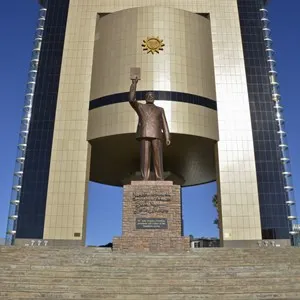
Independence Memorial Museum
Independence Memorial Museum
For a closer look at Namibia's historic path to late independence in 1990, visit the Independence Memorial Museum housed inside an imposing modernist building in Windhoek's former colonial heart. The museum was designed by a North Korean construction company, involved in multiple construction projects across Africa, hence the socialist aesthetic. The top floor panoramic restaurant is worth a pit stop.
Namib-Naukluft National Park
Namib-Naukluft National Park
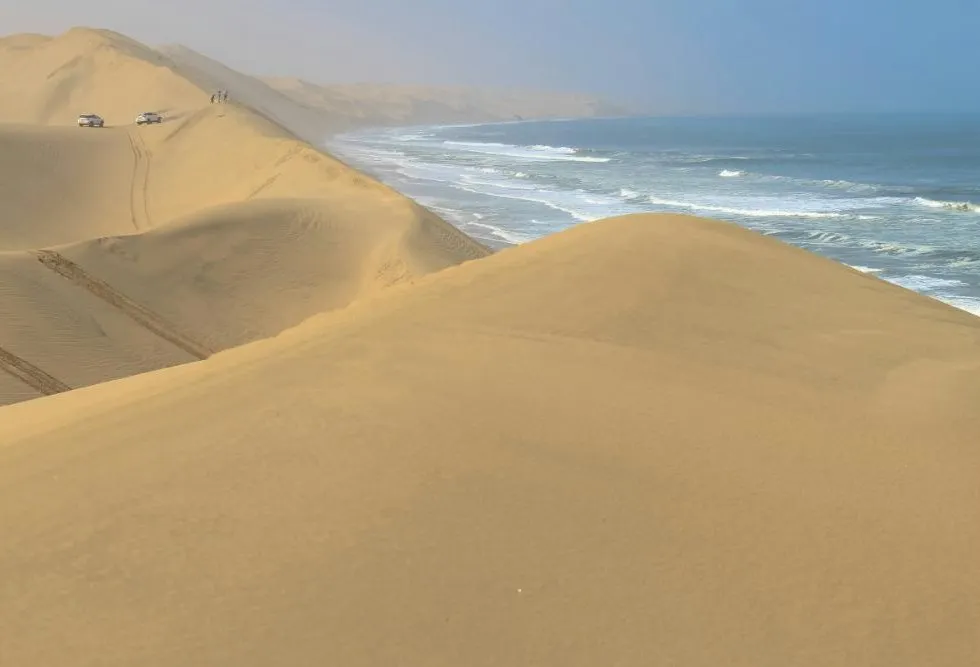
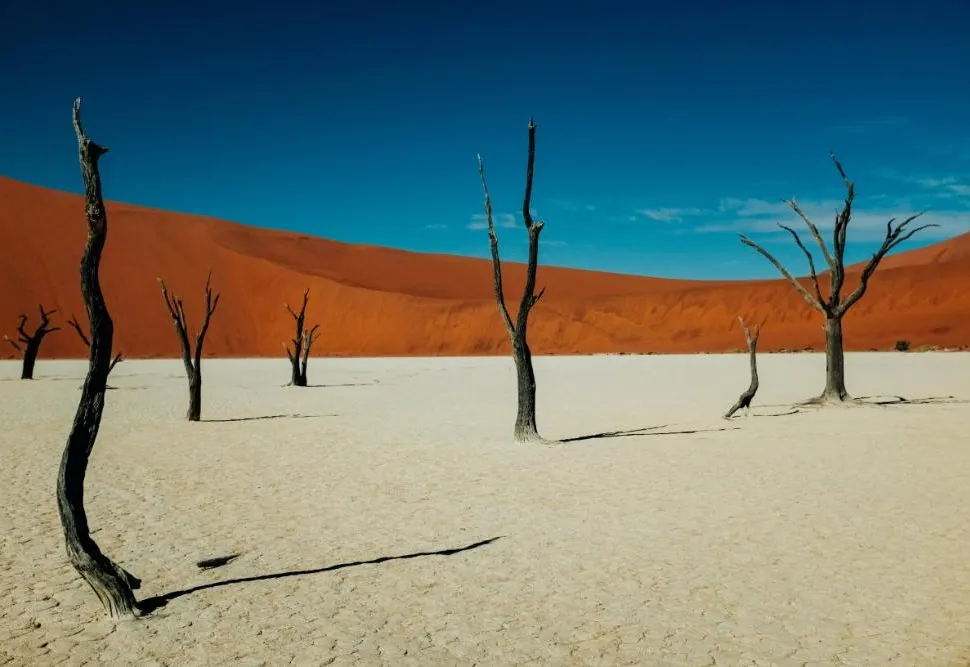
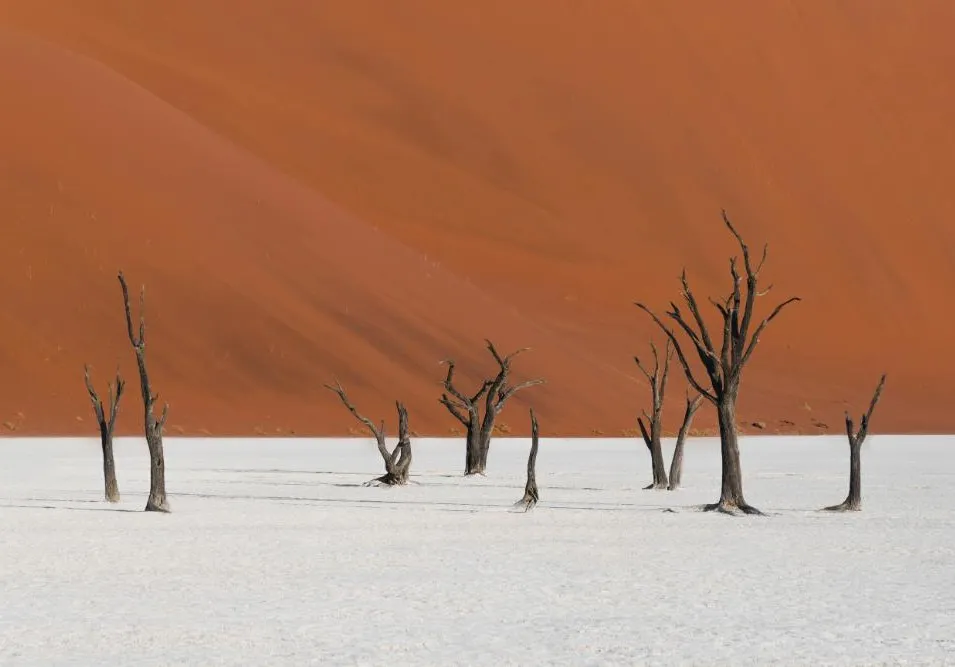
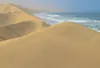
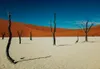
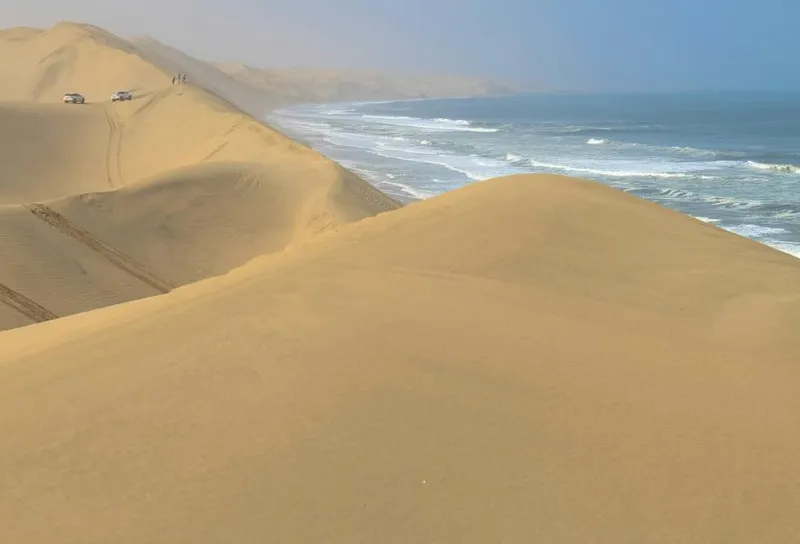
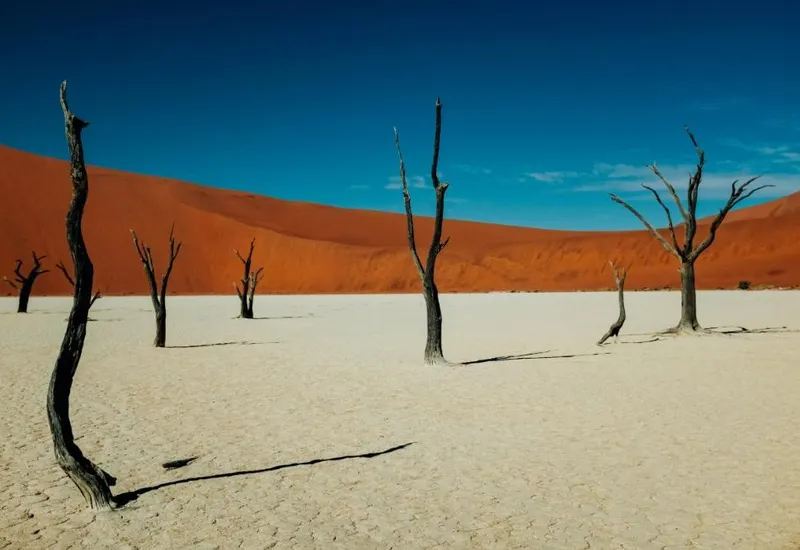
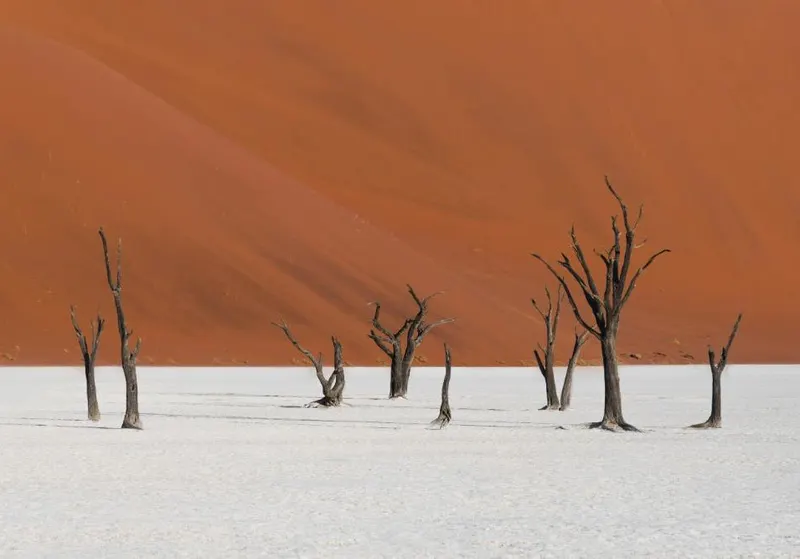
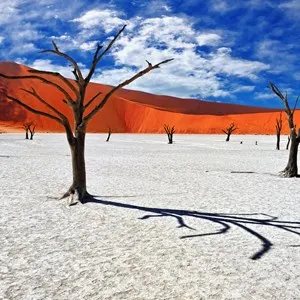
No journey to Namibia is complete without a substantial amount of time dedicated to the ancient desert lands of the Namib, known for its dramatic sand dunes and wondrous, arid landscapes. Within the park, two adjoining valleys of Sossusvlei and Deadvlei are a major tourist draw (dead trees rising dramatically from the white clay earth of the latter have been the subject of much photographic exploration), and standing at 80m tall Dune 45 is the one easiest to reach from Sesriem gate.
NamibRand Nature Reserve
NamibRand Nature Reserve
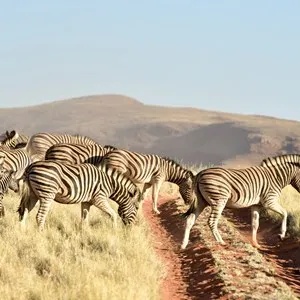
This privately owned nature reserve is a favourite for trekking (Tok Tokkie Trail is often the first pick) and camping trips, offering an experience distinctly different to that of the desert terrain of the Namib-Naukluft National Park. NamibRand is also home to the International Dark Sky Reserve, recognised for the exceptional clarity of its skies, and offering near-unparalleled stargazing.
National Botanic Garden of Namibia
National Botanic Garden of Namibia
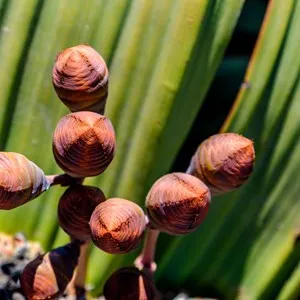
A pleasant green oasis containing several distinct areas with flora indigenous to Namibia. Note that the garden only operates on weekdays (closed on weekends and holidays), except for the second Saturday of the month (opens 8-11am).
Skeleton Coast & Cape Cross
Skeleton Coast & Cape Cross
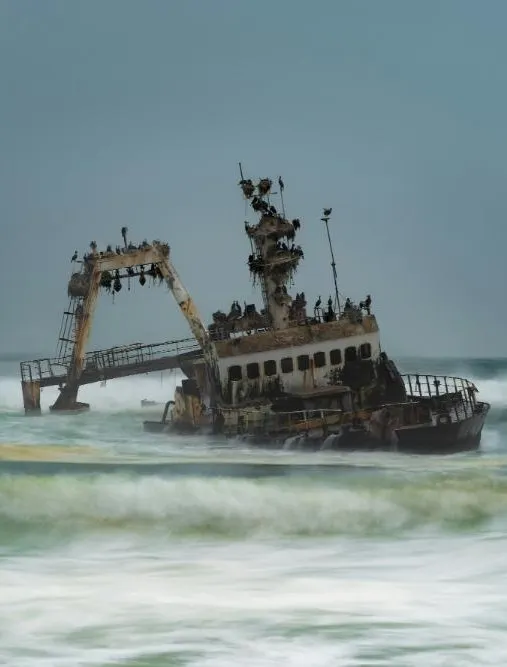
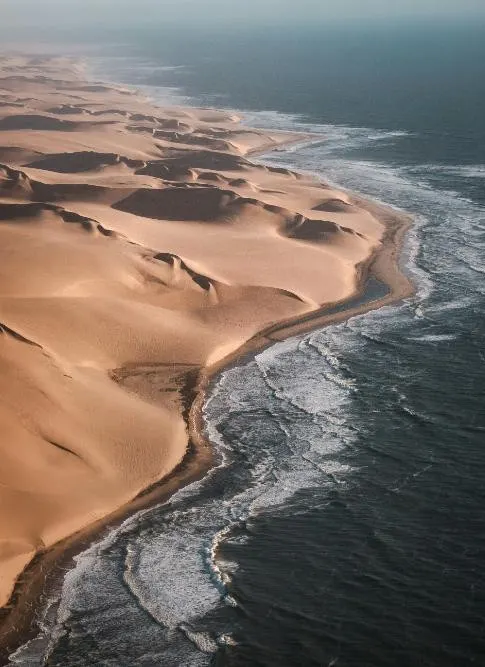
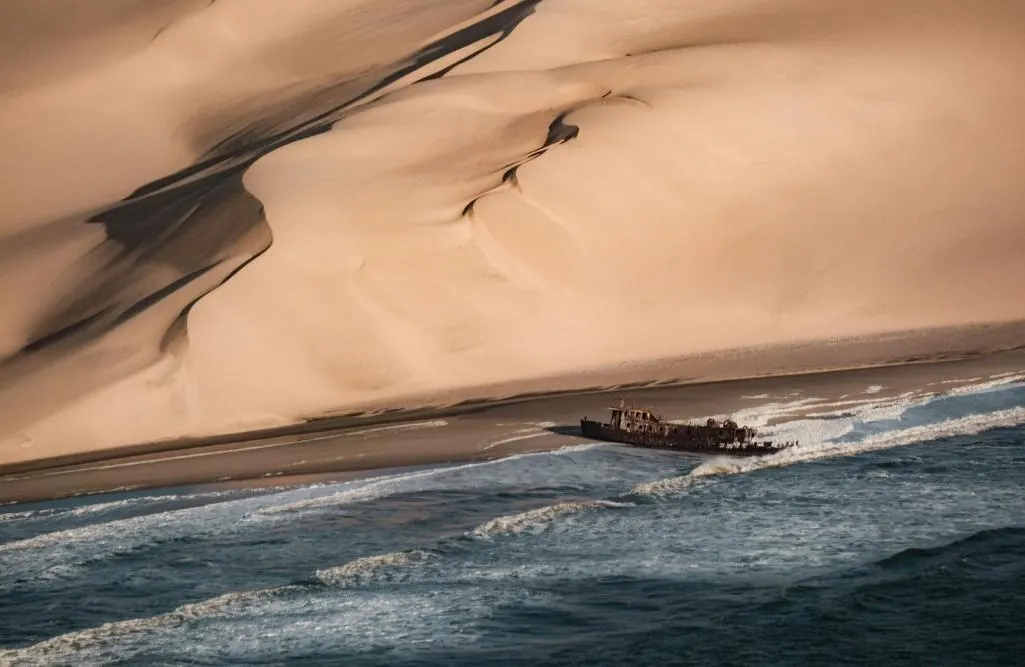
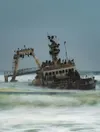
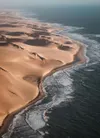
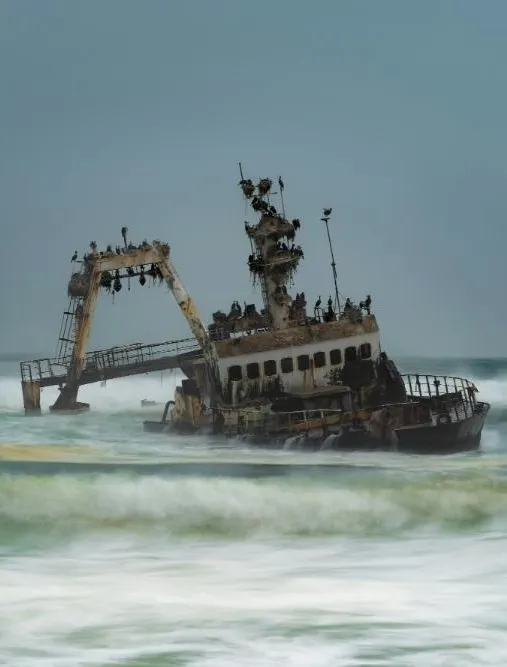
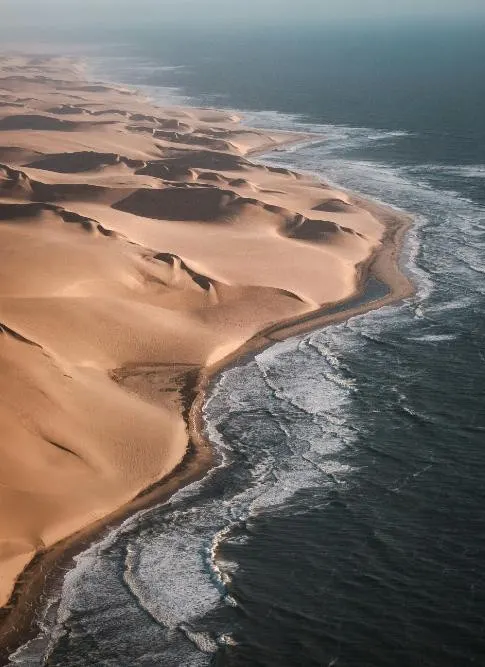
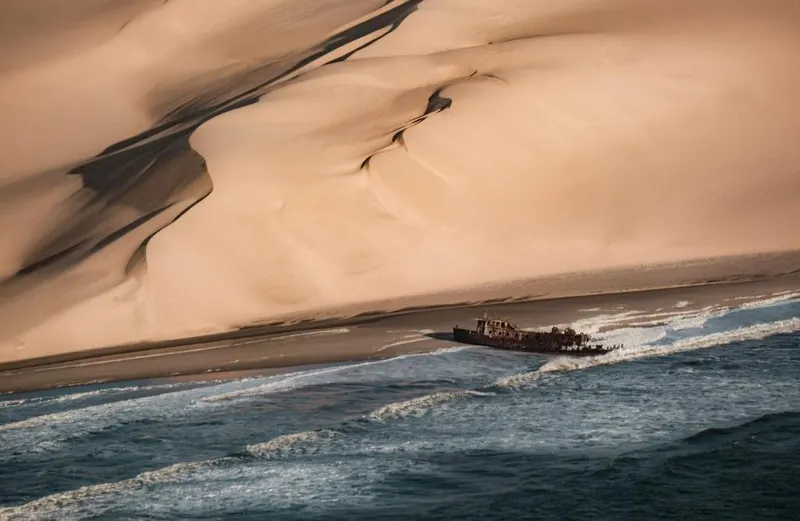
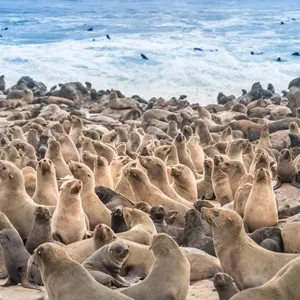
Accessible only by air, this remote part of the country is known to have claimed lives of both beasts and humans (hence the macabre name) - whale carcasses still line the coast, serving as a grim reminder of the once flourishing whaling industry. One of the biggest "attractions" here is the Dunedin Star, a British ship wrecked in the 1940s. At Cape Cross, the scenery changes: this lively oasis inhabited with hundreds of seals and sea lions frolicking jovially by the water.

Joe’s Beerhouse
Joe’s Beerhouse
A Windhoek dining essential, Joe’s Beerhouse is a venue wildly popular with visitors to Namibia, for both its stylised, casual ambience with a fireplace centrepiece and its extensive menu of local offerings, with a heavy emphasis on meat: to go all out, try the Bushman Sosatie with crocodile, zebra (!), kudu, oryx and springbok cuts with mango-chilli sauce.
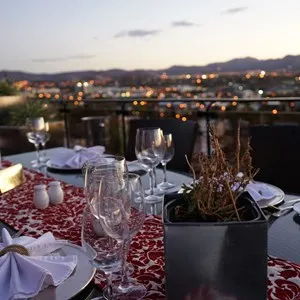
Leo's at the Castle
Leo's at the Castle
Fine dining on international fusion cuisine at a hilltop castle overlooking Windhoek; open all day for breakfast, lunch and dinner. The castle also functions an upscale hotel.
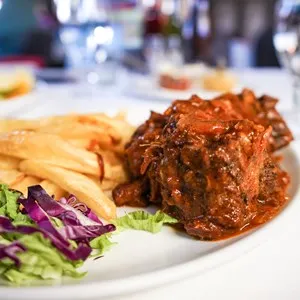
Nice Restaurant & Bar
Nice Restaurant & Bar
The Namibian Institute of Culinary Education runs this upper-end establishment that functions as training grounds for some of the country's best future chefs. Consult the website for current operating hours.
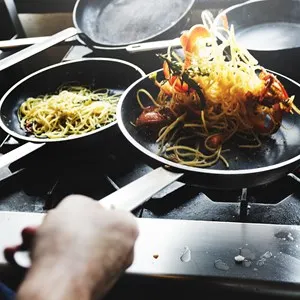
Sardinia Blue Olive
Sardinia Blue Olive
As is the case with many European restaurants in Windhoek, Sardinia Blue Olive doesn't exclusively serve Italian (that's not to say their seafood and pizza aren't delicious!), but changes it up with dishes like Malay chicken curry and oxtail soup. Prices are reasonable despite the sophisticated ambience.

The Stellenbosch Wine Bar & Tasting Room
The Stellenbosch Wine Bar & Tasting Room
Consistently serving some of the best food in town, The Stellenbosch easily becomes a favourite for anyone that pays a visit. The menu lists extensive Namibian and international offerings, and a comprehensive wine list to match.
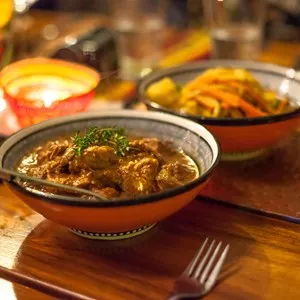
Xwama Traditional Restaurant
Xwama Traditional Restaurant
Windhoek is more than its tourist-favoured European core: the Katutura Township makes for an enlightening day of exploration, albeit doing so is recommended as part of a guided tour. While here, make some time for a meal at the Xwama Traditional Restaurant, serving some fascinating offerings, the likes of steamed goat head or irresistable Mopone worms.

Cafe Balalaika
Cafe Balalaika
Centrally located at the Windhoek Zoo Park, Cafe Balalaika (also known as Zoo Cafe) is a pleasant spot to grab lunch on a day out on the town. Seating available on the outdoor terrace. By night, the cafe takes on more of a bar vibe, with beer on tap, live music and karaoke.
Craft Cafe
Craft Cafe
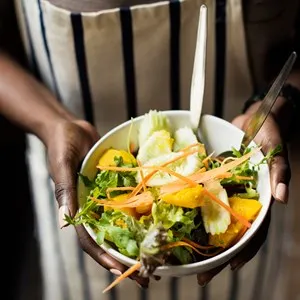
The cafe adjacent to a Namibian crafts market is a delightful locale to have breakfast or a light meal any time of day (they work till sundown Wednesday through Friday, but close just after lunch on weekends). Some highlights include fresh juices, wraps, and more.

Cramer’s Ice Cream
Cramer’s Ice Cream
Sweet and savoury waffles, good coffee, and, of course, ice cream and frozen yogurt are what this cosy central joint is all about. The selling point are the spectacular ice creams, crafted at an organic dairy farm in eastern Namibia. It's a huge hit with the locals, making Cramer's one of the places to witness life in Windhoek as it unfolds.
Old Continental Cafe & Take Away
Old Continental Cafe & Take Away
Hidden in plain sight just off Independence Avenue, the cafe is a reliable local favourite for lunch and breakfast. The menu features casual European foods, such as salads and toasted sandwiches, but also serves much-loved Asian-style noodles. All things but one are a forte: the cafe is closed for business on weekends.

Wecke & Voigts
Wecke & Voigts
The Wecke & Voigts shopping centre contains a namesake cafe known for its excellent breakfast and lunch selections, as well as good coffee and scrumptious dessert. Pop in before or after a browse through the adjacent home ware store.
Andy's Pub & Restaurant
Andy's Pub & Restaurant
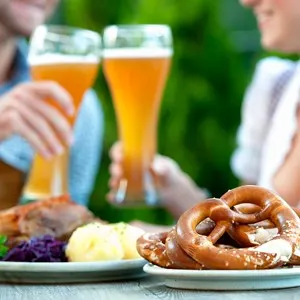
A Windhoek institution, Andy's is a traditional German beer garden with everything that implies: generous servings of beer, schnitzels the size of a grown adult's face, and rowdy vibes — increasingly so as the night progresses.
Boiler Room
Boiler Room
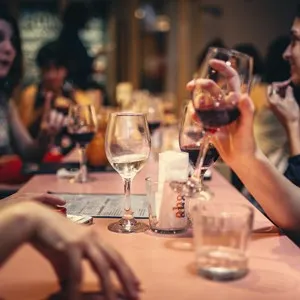
With its live music and irresistibly cool vibes, the Boiler Room at Windhoek's Warehouse Theatre is, quite possibly, the hottest locale in town. Stop by and you're all but guaranteed to join the rave reviewers.
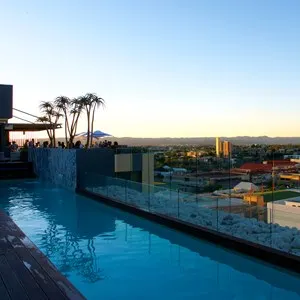
Sky Bar
Sky Bar
Located on the top floor of the Hilton Hotel, the Sky Bar is a chic and stylish lounge that offers some of the best views of the city. During the day, it's a relaxing pool bar and restaurant with wooden decking and stunning panoramic views over the city and mountains in the distance. In the evening, the bar transforms into a social hotspot, where you can sip cocktails with friends and enjoy the beautiful sunset views. While the prices may be a bit high, the views are definitely worth it. The food selection is somewhat limited, but what's on offer is delicious and good value.
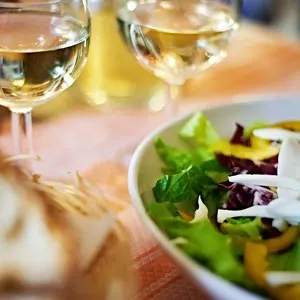
The Wine Bar
The Wine Bar
Offering exceptional views of the sunset, this relaxed wine bar is a locals' favourite for an evening drink. The establishments boasts an extensive wine list and snack platters to go along, as well as some more substantial dining options.
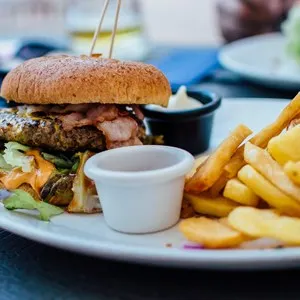
The Wolfshack
The Wolfshack
The Wolfshack is a must-visit spot in Windhoek, offering a relaxed and cozy atmosphere that's perfect for hanging out with friends. With a wide variety of drinks on offer and a pub-style food menu to match, you're sure to find something that hits the spot. The Kapana platter with top-quality meats is a particular standout. Be sure to take advantage of the drink and food specials, which are always a great value. The Wolfshack also hosts karaoke nights and other events, which add to the fun and friendly vibe.
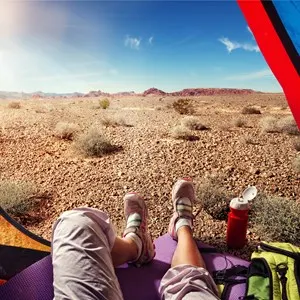
CYMOT
CYMOT
If you're planning to explore Namibia's beautiful wild parks and nature reserves, a visit to CYMOT is essential. This outdoor gear shop offers a wide range of hiking, camping, and active outdoor gear to suit all your adventure needs. From sturdy backpacks and comfortable hiking boots to high-tech camping equipment, CYMOT has everything you need to make your outdoor adventure a success.

Gustav Voigts Centre
Gustav Voigts Centre
Gustav Voigts Centre is an upper-end department store that has been run by fourth-generation Namibians of German descent since its founding. With a focus on fashion, decor items, and authentic Namibian products, Gustav Voigts offers a unique shopping experience that's hard to find anywhere else in Windhoek. Whether you're in the market for high-end clothing or one-of-a-kind souvenirs, you're sure to find something that catches your eye here. And when you're ready for a break, head to the on-site cafe for a delicious lunch or a refreshing drink.

Maerua Mall
Maerua Mall
Maerua Mall is one of the largest shopping centres in Windhoek, offering a wide variety of retail stores, cafes and restaurants. Whether you're in the market for high-end fashion or everyday essentials, you're sure to find what you're looking for at Maerua Mall. The mall is also home to a cinema and entertainment centre, making it a popular destination for families.
Old Breweries Craft Market
Old Breweries Craft Market
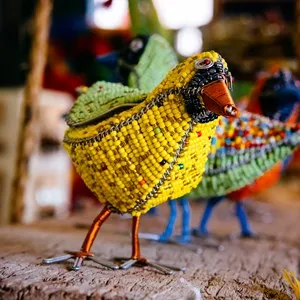
If you're on the hunt for authentic Namibian souvenirs and crafts, look no further than the Old Breweries Market complex. This collection of stalls and shops offers a range of locally made products, from artisanal jewellery to fashion by up-and-coming designers. Be sure to check out the on-site Namibian Crafts Centre, where you can watch local artisans at work and pick up some truly unique souvenirs. The adjacent cafe is also a great place to relax and enjoy some local treats. The Old Breweries complex is a historic part of Windhoek, with a rich history that dates back to the early 20th century. Today, it's a must-visit destination for anyone interested in experiencing the best of Namibian craftsmanship and design.
Post Street Mall
Post Street Mall
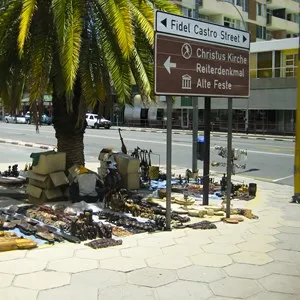
Post Street Mall is a pedestrian-only area in the heart of Windhoek's city centre, with a range of shops and stalls selling everything from handmade crafts to clothing and accessories. The mall is home to a number of individual vendors and stores, each with their own unique offerings. Be sure to check out the nearby Wernhil Park shopping centre for even more shopping options. One unique feature of the Post Street Mall is the display of meteorites that were collected after a meteor shower over the town of Gibeon. The display showcases a variety of different meteorites, each with their own distinct shape and markings.
Best Time to Visit
Best Time to Visit
Travellers intending to spend the majority of their stay in Windhoek can plan the trip for nearly any time of year. However, if you plan to include Namibian destinations further afield into your itinerary, consider April and May, when temperatures are moderate and rainfall relatively low. Juny, July and August are the driest months of the year, whereas December through February are characterised by greater precipitation, and are also the best months for birdwatching enthusiasts.
Passport / Visa
Passport / Visa
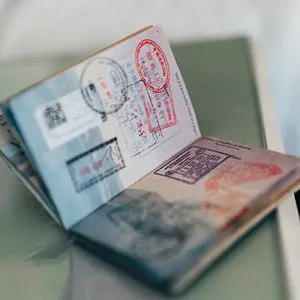
Citizens of multiple countries in Western Europe, North America, Russia & CIS, Southern Africa, as well as Australia and Japan (and more) do not require a visa to enter Namibia for a period of up to 90 days. Everyone entering Namibia must hold a passport valid for at least 6 months. Citizens of most Eastern European countries, Asia, the Middle East and South America will require a visa. To learn more about the documentation needed to obtain a visa, contact a consulate closest to you.
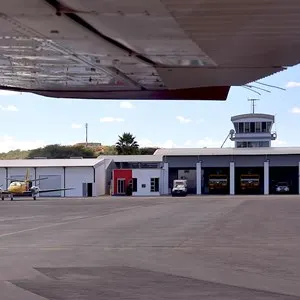
Eros Airport (ERS)
Eros Airport (ERS)
Eros Airport is a small airport located in the capital. It primarily serves domestic flights within Namibia, as well as flights to some nearby destinations in South Africa and Botswana. The airport is operated by the Namibia Airports Company and has one runway. Although it's a small airport, Eros offers a number of services and amenities for travellers, including car rental facilities, an ATM, and a coffee shop. The airport is also conveniently located close to the city centre, making it a popular choice for business travellers and tourists visiting Windhoek.
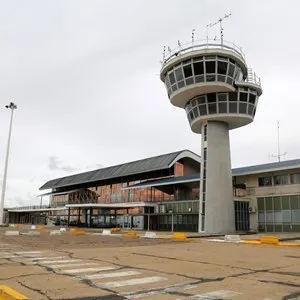
Hosea Kutako International Airport (WDH)
Hosea Kutako International Airport (WDH)
The Hosea Kutako International Airport is Namibia's primary air hub. It is located around 45 km away from Windhoek, so allow for enough time to reach the city. Although public transportation to and from the airport does exist, most visitors will be better off pre-booking a private transfer, as these tend to cost just as much, but are plenty more reliable and efficient. That said, prices offered by individual suppliers may vary greatly, so shop around before deciding on a provider. Taxis are also available just outside the arrivals area.

Public Transport
Public Transport
Although public buses do run in Windhoek, the easier way to get around is by means of either a shared or private taxi. Shared taxis are used widely by locals, and can be flagged down anywhere along Independence Avenue (it's easiest to get one by the Gustav Voigts Centre in Independence Avenue, known as Windhoek's unofficial transportation hub). Announce your destination to the driver, who will let you know whether it lies en route — you might have to catch the next one otherwise. Prices depend on how far out your destination lies, but are extremely affordable either way.
Taxi
Taxi
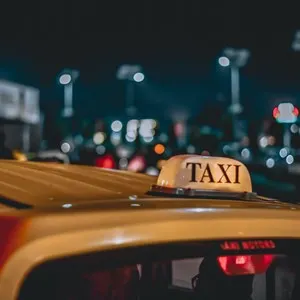
Taxis can be hired off the street (many tend to cluster along Independence Ave, especially by the corner next to Zoo Park), fares are either metered or need to be agreed on in advance. There are plenty of taxi companies offering private taxi transfers upon phone order. Windhoek City Cab has a solid reputation.
Electricity
Electricity
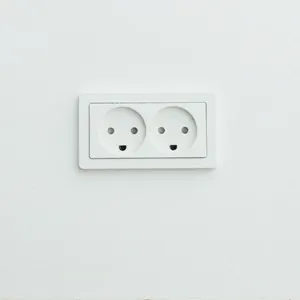
Three-pin plugs, type D or M 220 V, 50 Hz
National Parks
National Parks
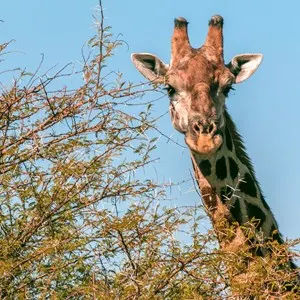
If you are planning to visit any of Namibia's spectacular national parks, remember that an entry permit is required, and a daily fee needs to be paid to the Ministry of the Environment and Tourism. Permits are issued at the MET office in Windhoek, which is located inside the Phillip Troskie Bulding (+264 61 284 2111), or may be purchased at park gates in most cases. Permits for Brandberg are issued separately by the National Heritage Council located at 54 Robert Mugabe Avenue. Accommodation on national park grounds is best booked well in advance, as it may be in short supply during peak season. Bookings can be done online or in person at the Namibia Wildlife Resorts office at Erkrath Building, 189 Independence Avenue. For self-guided tours, 4x4 trucks (four-wheelers) offer the most flexibility in terms of exploring some of the more rugged terrain and venturing onto unpaved roads.
Let’s plan your next vacation
Let us take care of all the details to create the perfect trip for you. With our expertise and personalized service, we will ensure that every moment of your trip is special and unforgettable. Get ready to embark on a dream adventure!