

Details for Xi'an
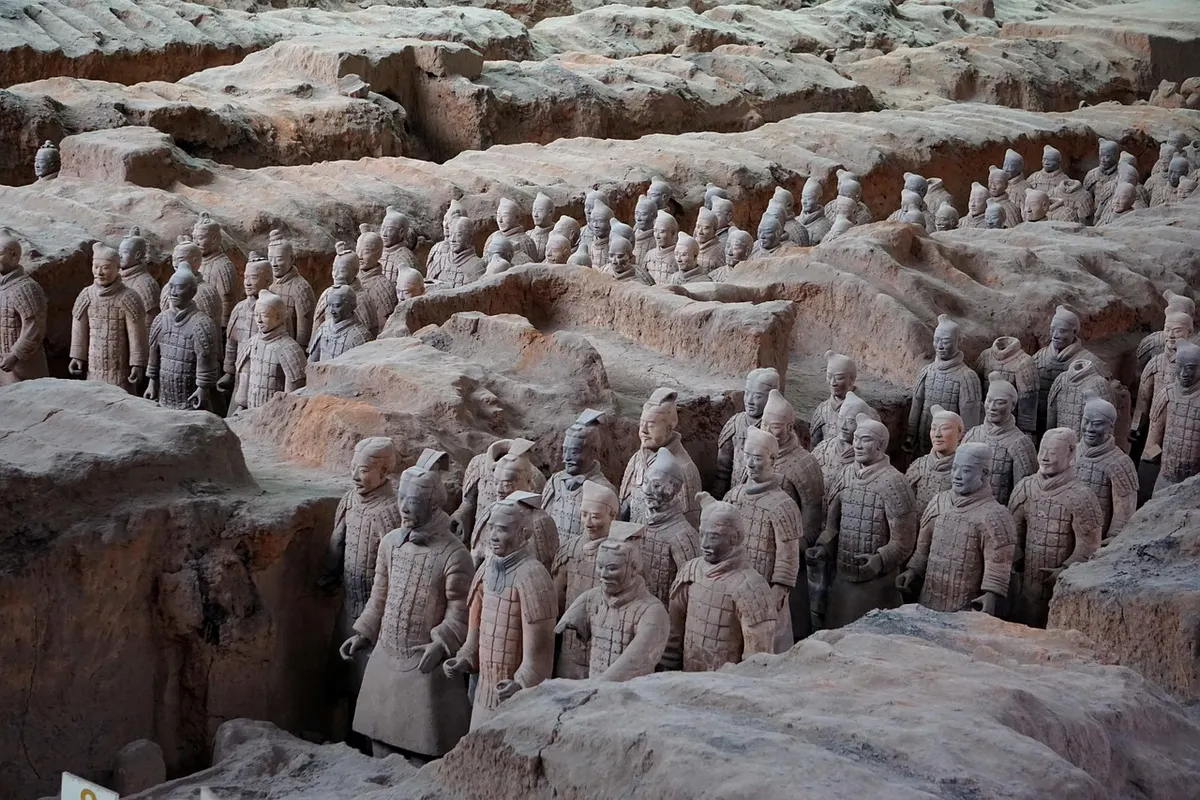
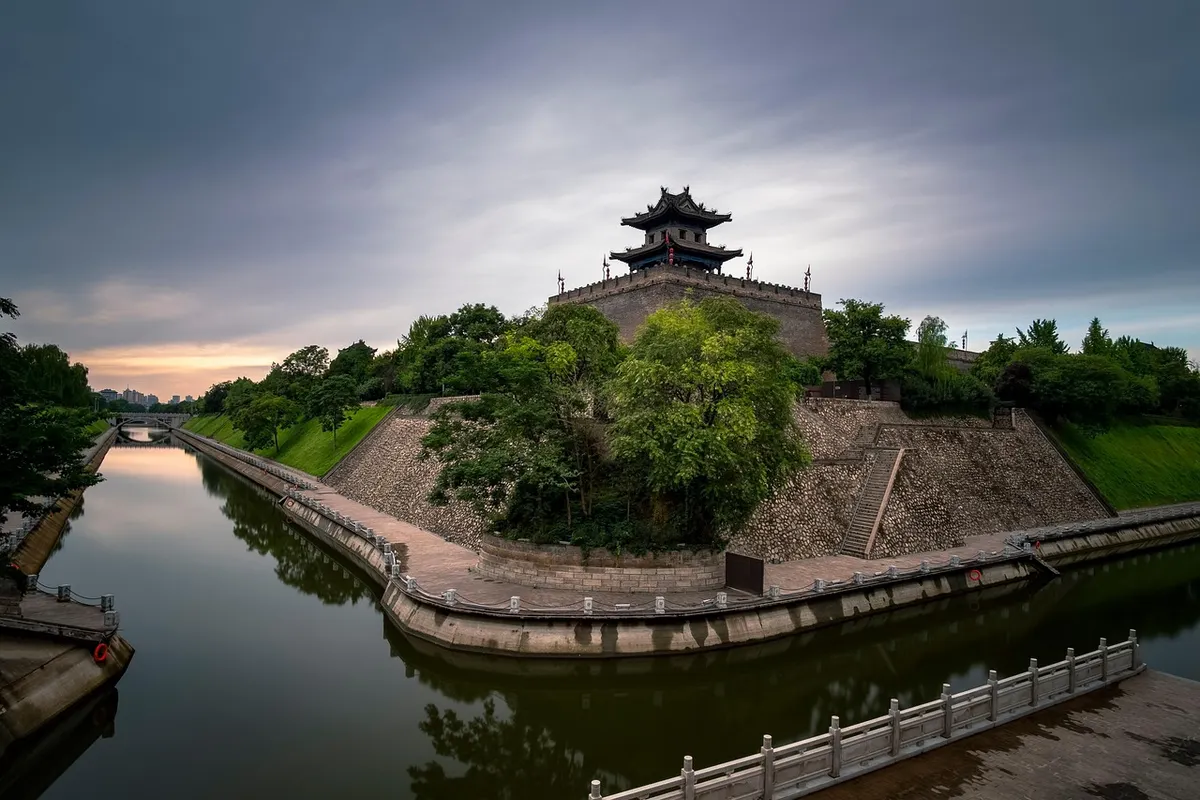
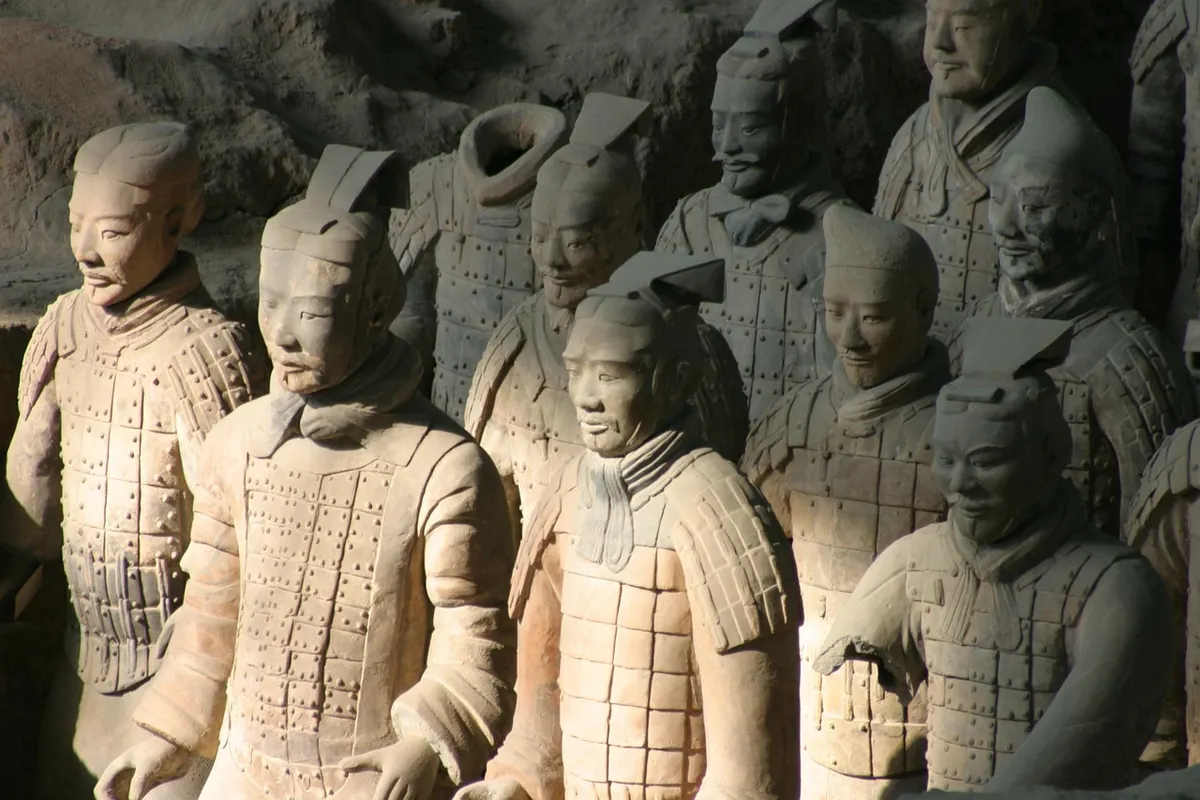

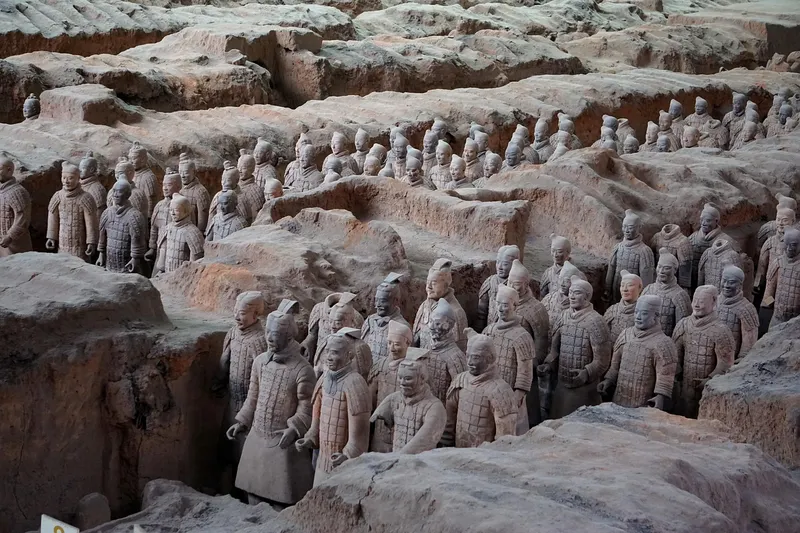
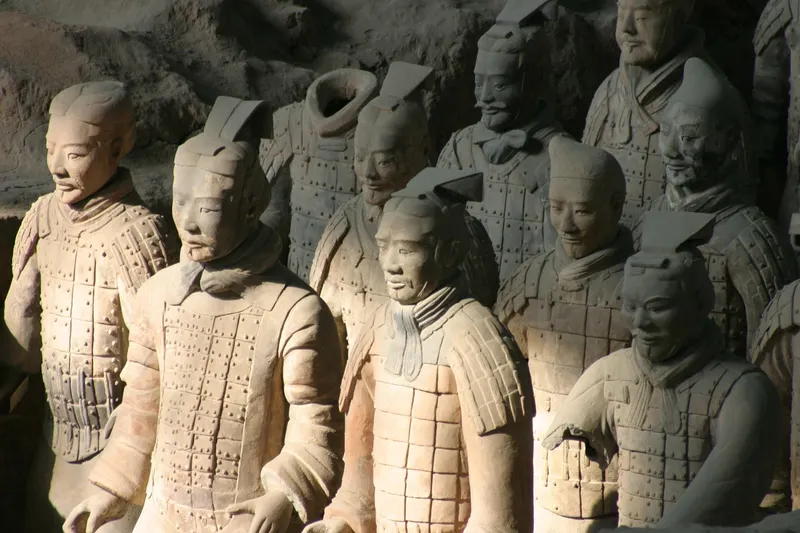
Xi'an, the capital of Shaanxi province, is one of China's most historically significant cities. Known as Chang'an in ancient times, it was the starting point of the Silk Road and served as the heart of the Chinese empire for over a millennium. The city was the capital for several powerful dynasties, including the Qin, Han, and Tang, and it is steeped in the legacies of these periods. Today, visitors walk the same streets once trodden by emperors and merchants, with relics from these eras still visible in the city’s architecture and attractions. Xi'an's most famous landmark is the Terracotta Army, a vast collection of life-sized clay soldiers guarding the tomb of China's first emperor, Qin Shi Huang. Discovered in 1974, this awe-inspiring find is just one of many archaeological treasures that reveal the city's ancient splendour.
Metro area: 9.6 million (2024)
Chinese Yuan (CNY), also known as the Renminbi (RMB)
Police: 110
Ambulance: 120
Fire: 119
Ancient City Wall
Ancient City Wall
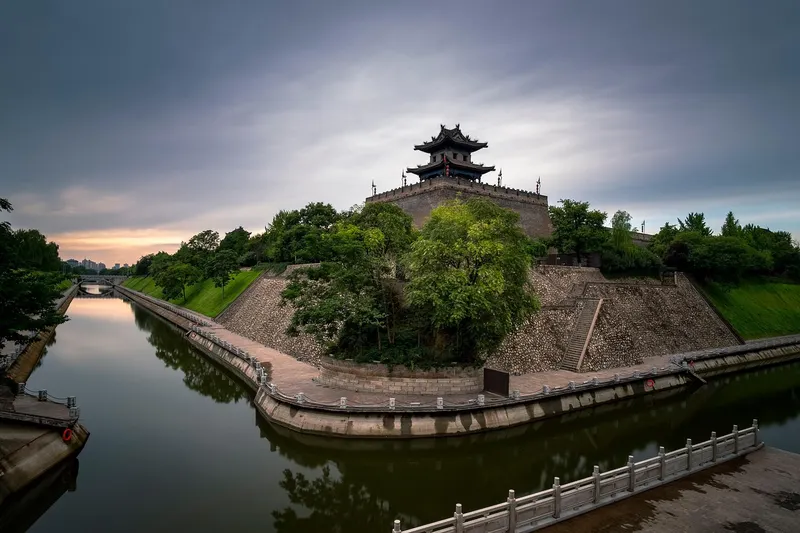
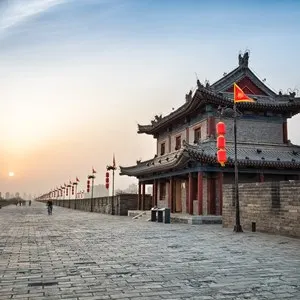
Encircling the heart of Xi'an, the Ancient City Wall stretches almost 12 kilometres and stands as one of China’s best-preserved city walls. Built over 600 years ago during the Ming Dynasty, this massive structure invites exploration by foot or bike, with the entire loop offering a unique way to see Xi'an from above. Walking or cycling along the wall, you’ll pass traditional watchtowers and gates that once guarded the city’s entrances.
Daciensi Temple Complex and Giant Wild Goose Pagoda
Daciensi Temple Complex and Giant Wild Goose Pagoda
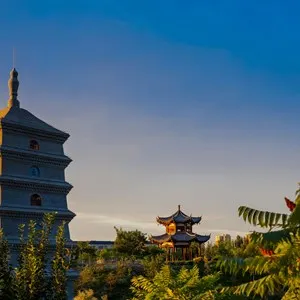
The Daciensi Temple complex, anchored by the striking Daciensi Tower, stands as one of Xi’an’s most treasured landmarks. Originally built during the Tang Dynasty by Emperor Gaozong in memory of his mother, this historic site carries the weight of centuries. Legend has it that after the famed monk Xuanzang's epic journey to India to obtain sacred Buddhist scriptures, he returned here to translate them, setting up the temple as one of the earliest centres of Buddhist learning in China. Within the temple grounds, the iconic Dayan Pagoda (also known as the Giant Wild Goose Pagoda) draws most of the attention. Built in the 7th century, it’s an enduring symbol of China’s first female ruler, Empress Wu Zetian, and her devotion to Buddhist teachings. Architecturally, the pagoda is a masterpiece of Tang Dynasty design, and climbing its steep, stone steps rewards you with sweeping views of Xi’an below.
Drum Tower (Gulou)
Drum Tower (Gulou)
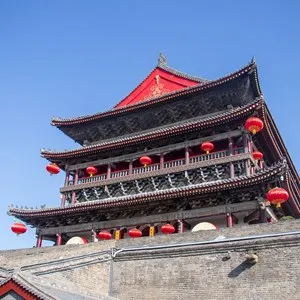
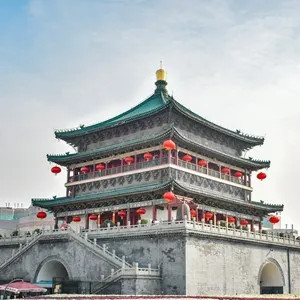
The Drum Tower, originally built in the 14th century without a single iron nail, is a testament to ancient Chinese craftsmanship. This remarkable structure holds 24 drums, representing the traditional Chinese solar terms that marked the seasons. Reconstructed in the 17th century, the tower remains a focal point of Xi’an’s history. Visitors can climb to the top for sweeping views of the old city and enjoy live drum performances held every other hour.
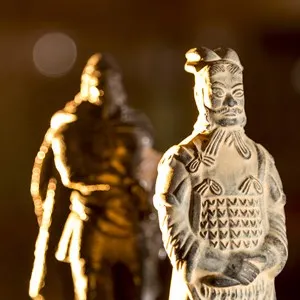
Emperor Qinshihuang's Mausoleum Site Museum
Emperor Qinshihuang's Mausoleum Site Museum
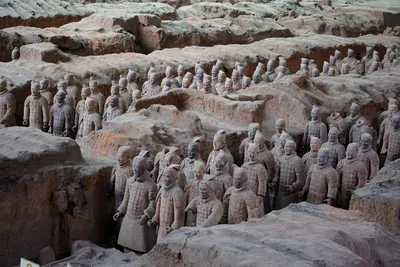
The Emperor Qinshihuang's Mausoleum Site Museum is home to the world-famous Terracotta Army, built to protect China's first emperor, Qin Shi Huang, in the afterlife. Crafted more than 2,200 years ago, the army consists of thousands of life-sized clay soldiers, chariots, and horses, each with distinct facial features and expressions. The incredible level of detail and preservation means that, even after over two millennia, these warriors still stand guard over their long-deceased ruler.
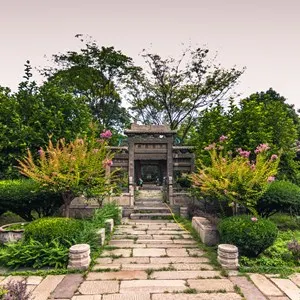
Great Mosque of Xi'an
Great Mosque of Xi'an
One of the oldest and largest mosques in China, the Great Mosque of Xi'an is a fascinating blend of Islamic and Chinese architectural styles. Built in the 8th century, it’s a stunning example of how different cultures can come together in harmony. As you wander through its peaceful courtyards, you’ll spot pagoda-like minarets, intricately carved wooden beams, and beautiful Arabic calligraphy—all set against a backdrop of serene gardens. The mosque is still an active place of worship, offering visitors a chance to witness the unique fusion of Chinese and Islamic traditions.
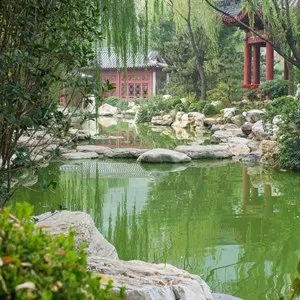
Huaqing Hot Springs
Huaqing Hot Springs
Situated beside the Mausoleum of the First Qin Emperor and Lishan National Forest Park, the Huaqing Hot Springs are renowned for their mineral-rich waters, long believed to have skin-rejuvenating qualities. This historic site was favoured by one of China’s most famous beauties, Consort Yang Yuhuan, during the Tang Dynasty. Known as one of the 'Four Great Beauties' of ancient China, Yang would bathe in these very springs. Today, visitors can soak in the same restorative waters and explore the serene gardens and palatial remnants that once hosted emperors and their consorts.

Huashan Mountain
Huashan Mountain
Huashan, or Mount Hua, is one of China’s five great mountains and holds a special place in Taoist tradition, with several sacred temples and ancient pavilions dotting its steep paths. The mountain is renowned for its dramatic, knife-edge trails that reward climbers with awe-inspiring views, though there’s also a cable car for a more leisurely ascent. From the top, the sight of clouds weaving between rugged peaks is truly breathtaking. Located about 120 kilometres from Xi’an, Huashan makes an unforgettable day trip for those looking to experience the grandeur of China’s mountainous landscapes.

Muslim Quarter
Muslim Quarter
The Muslim Quarter in Xi'an has been home to the city’s Muslim community for centuries. Stretching north from the Drum Tower, the quarter is a maze of narrow alleys and lively backstreets. It is home to halal butcher shops, small mosques, food markets brimming with local delicacies, and stores selling everything from spices to traditional crafts. It’s a fascinating place to explore, with the scents of sizzling street food filling the air, and it offers a unique glimpse into the cultural fusion that defines Xi'an.
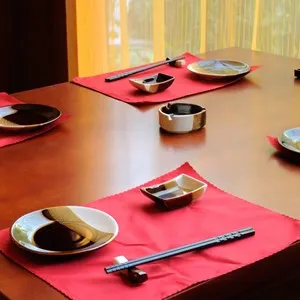
Chang'an Diner
Chang'an Diner
Chang'an Diner brings together the many delicious and traditional street foods of Xi'an, which are often scattered across the city and tucked away in hidden alleyways. This restaurant takes the hassle out of the search by offering a curated selection of these iconic dishes all in one place. Not only does it feature beloved local flavours, but it also adds a creative twist with innovative dishes like sweet fermented rice ice cream and Mahjong-shaped sesame dessert.

Cyclist
Cyclist
Cyclist Restaurant offers a diverse selection of Italian and European dishes, ranging from fresh salads to hearty steaks. Pair your food with a great choice of beer and wine, including refreshing fruit beer for a unique twist
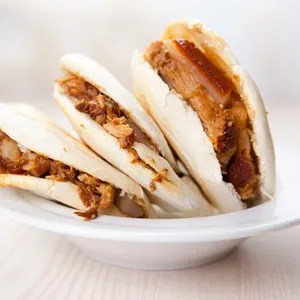
Fan Ji Rou Jia Mo
Fan Ji Rou Jia Mo
Rou Jia Mo, often referred to as the 'Chinese hamburger', features tender, stewed meat that’s braised for hours in a flavorful broth, seasoned with over 20 spices. The meat is finely chopped and served in freshly baked, soft flatbread. It’s a must-try local snack, often enjoyed as a quick meal on the go. While Rou Jia Mo is a standout dish, don’t miss the other traditional Xi'an options, such as hand-pulled ramen, cold rice noodles, fermented glutinous rice, and a variety of savoury and sweet snacks.
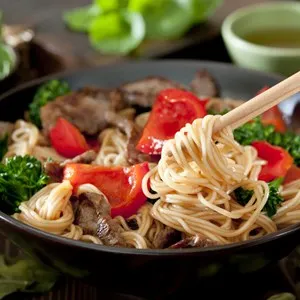
First Noodle Under The Sun
First Noodle Under The Sun
Xi’an has earned its reputation as the kingdom of noodles, with a history of wheat cultivation and noodle-making that spans over a thousand years. Today, noodle dishes in Xi'an come in hundreds of variations across the province—served with or without soup, boiled or sautéed, thick or thin, round or flat, sweet or spicy. Noodles have become a staple of local life, each variety offering a new way to experience the city’s unique flavours. At First Noodle Under the Sun, one of Xi'an’s most celebrated noodle restaurants, you’ll find signature dishes that showcase this noodle-making tradition.
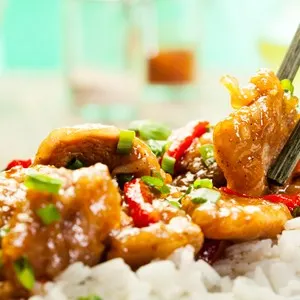
Five Zen5es
Five Zen5es
Five Zen5es offers a broad selection of Chinese and Japanese dishes, from the refreshing Liangpi and delicate steamed flounder to savoury dim sum, there's something for everyone. Don’t miss the traditional hot soup with BBQ eel and chicken, where both the rich flavour and generous portion size will leave you satisfied.
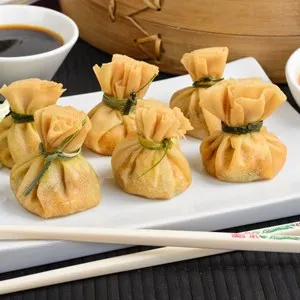
Lao Sun Jia
Lao Sun Jia
Lao Sun Jia is considered one of the best places to try Xi'an's famous dish, yang rou pao mo—a traditional mutton soup served with bread. The restaurant also offers a variety of other local dishes, including beef and mutton steamed bread, as well as a selection of Western halal cuisine. Notably, the honorary chairman of the Chinese Kuomintang, Lien Chan, once described it as 'hundred years delicious'.
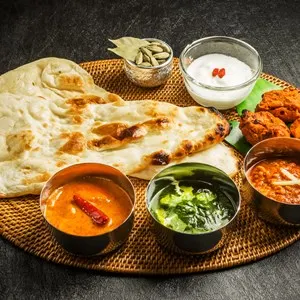
Redfort Indian Restaurant
Redfort Indian Restaurant
Redfort Indian Restaurant offers an extensive selection of authentic Indian dishes served in a setting that transports you to a historic fort. Enjoy the immersive experience of live Indian dance performances while savouring flavourful curries, tandoori specials, and rich biryanis.
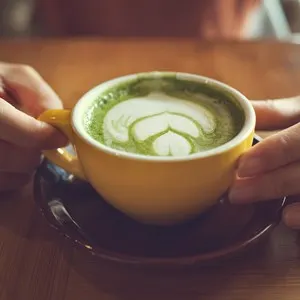
Le Ban Coffee
Le Ban Coffee
Le Ban is known for its blend of café offerings, brunch options, and light meals like poke bowls, along with its extensive dessert and coffee menu.

Maan Coffee / 漫咖啡
Maan Coffee / 漫咖啡
Maan Coffee brings you a cosy atmosphere with Turkish interior decor elements, all while you're being served a wide range of drinks and food ranging from brewed black coffee and cappuccino to fresh sandwiches and their signature waffles,

Qian Cao
Qian Cao
Qian Cao is a charming café in Xi’an known for its matcha-inspired treats. This popular spot specialises in uji matcha desserts, with offerings like matcha ice cream, matcha mille-feuille, and genmaicha drinks. It’s a go-to for fans of Japanese flavours, especially those looking to enjoy a quiet moment with high-quality tea-based sweets.

3As4 Bar
3As4 Bar
This trendy bar offers a mix of Chinese-style cocktails, a pool table, and even a film projector. It’s also a great place to catch the game during sports nights.

Jeno Belgium Pub
Jeno Belgium Pub
Jeno Belgium Pub offers a slice of Belgium with over 40 imported Belgian beers, from refreshing lambics to rich Trappist brews. This Western-style bar serves up hearty fare, including pizzas and burgers with fries. The patio is perfect for kicking back with a pint, and as the evening unfolds, live music fills the air, drawing a lively crowd of locals and travellers.

Near Wall Bar
Near Wall Bar
Near Wall Bar offers a relaxed spot to enjoy craft beers and pub food, just inside the city's historic South Gate. The bar has a unique vibe with its casual yet inviting atmosphere and outdoor seating that lets you enjoy the view of the ancient city wall.

Park Qin
Park Qin
Park Qin is the only Terracotta Warriors-themed bar in China. With a distinctive décor that includes replicas of the famous warriors, the bar offers a lively atmosphere with excellent live music and a diverse selection of drinks.
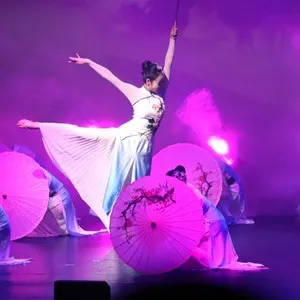
Tang Dynasty
Tang Dynasty
Tang Dynasty is a premier entertainment theatre and dinner venue in Xi'an, offering a unique experience where guests can immerse themselves in traditional Chinese performances. The show features elegant dance and music, inspired by ancient rituals once performed to pray for a good harvest and a prosperous life.
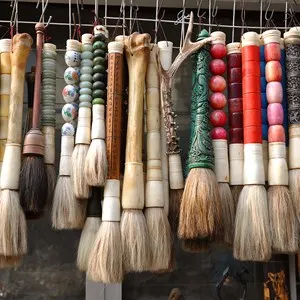
Ancient Culture Street
Ancient Culture Street
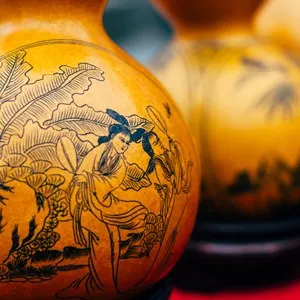
Ancient Culture Street (Shuyuanmen Street) is a serene and picturesque spot, offering a glimpse into the city’s artistic heritage. This historical street is lined with over a hundred shops selling traditional calligraphy brushes, handmade paper, and a variety of handicrafts and antiques. Unlike the bustling tourist areas, it offers a calmer experience, ideal for leisurely walks and browsing unique artwork and souvenirs.
Hua Jue Xian
Hua Jue Xian
Hua Jue Xiang (Huajue Lane) is a charming, historical street tucked away in Xi'an's Muslim Quarter, offering a unique blend of culture and commerce. Stalls here sell a range of goods, from antiques and unique gadgets to books and souvenirs. The street is also home to the Great Mosque, one of China’s oldest and most significant mosques

Luomashi Pedestrian Street
Luomashi Pedestrian Street
Luomashi Pedestrian Street is located along East Street in Xi'an’s Beilin District, near the Minsheng Department Store. Known for its bustling shopping scene, Luomashi offers a mix of fashion boutiques, department stores, and delicious food spots. This spot is sometimes called the "Wangfujing of Xi'an" for its popularity and the latest trends it showcases.

Seg International Shopping Center
Seg International Shopping Center
Seg International Shopping Center is one of Xi'an’s largest commercial hubs, boasting seven floors of shopping, dining, and entertainment. The centre features everything from local and international brands to a cinema, karaoke spots, and a range of restaurants. It’s also home to the famously long escalator, claimed to be the longest in Asia at 51 metres, which takes visitors directly to the 6th floor.
Xi Cang
Xi Cang
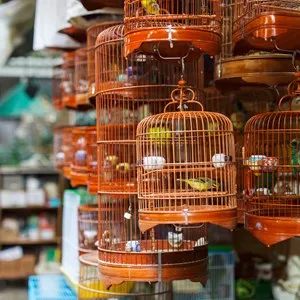
Hidden near Xi’an’s city wall, the Xi Cang Bird and Flower Market opens at dawn every Thursday and Sunday, drawing locals and travellers in search of something unique. Wandering through, you’ll find an unusual mix: cages of songbirds, tiny turtles, and pet rabbits alongside bonsai trees, vintage books, and antique oddities. With vendors setting up before sunrise, it’s a lively hub of trading and bargaining that captures a slice of Xi’an’s traditional spirit.
Best Time to Visit
Best Time to Visit
The best time to visit Xi'an is spring (March to May) and autumn (September to November). The weather is just right – not too hot, not too cold – which makes it perfect for exploring iconic landmarks like the Terracotta Army or the city walls. In spring, the parks are alive with blooming flowers, while autumn brings stunning foliage, especially at places like Mount Hua. If you time it right, you might also catch the Mid-Autumn Festival in September or October, with its lanterns, mooncakes, and festive vibes.
Passport/Visa
Passport/Visa
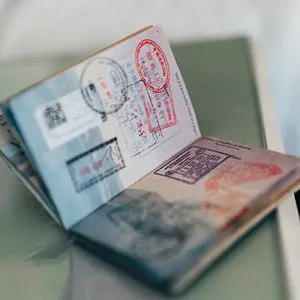
Most travellers visiting mainland China are required to obtain a visa before arrival. Tourist visas (L visas) are typically issued for stays of up to 30 or 60 days and must be obtained in advance from a Chinese embassy or consulate. Citizens of Japan, Singapore, and Brunei are permitted to enter China without a visa for stays of up to 15 days for tourism, business, or family visits. Keep in mind that travellers who plan to visit Hong Kong or Macau in addition to mainland China may require separate visas for these regions, as they have different entry requirements from mainland China. Visa and entry policies may change frequently. Be sure to confirm the latest requirements with your nearest Chinese embassy or consulate before travel.
Xianyang International Airport (XIY)
Xianyang International Airport (XIY)
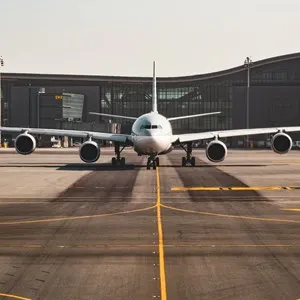
Xianyang International Airport is the main gateway to Xi’an, situated about 41 km northwest of the city centre — a journey that takes roughly an hour. Convenient transport options include shuttle buses, which run to key locations like the Bell Tower and the main train station, and taxis, which are faster but more expensive. Car rental services are also available for greater flexibility.
Public Transport
Public Transport
Xi’an boasts an extensive bus network, a growing subway system with several lines covering key areas, and a tram system that is especially useful for reaching central locations. Buses and trams are an affordable and efficient way to travel, though they can be crowded during peak hours. The Xi'an Metro is one of the best options for tourists, with easy access to major attractions like the Terracotta Army and the Big Wild Goose Pagoda. For added convenience, travellers can use a Transit Card, available for buses, subways, and even some taxis. This rechargeable card offers discounted fares compared to cash payments and can be topped up at metro stations or convenience stores.

Taxi
Taxi
Taxis are generally easy to find in Xi'an, especially near major tourist sites and transport hubs. They are typically yellow with a green stripe, and they are metered. For non-Mandarin speakers, it is better to have the destination written in Chinese characters to avoid miscommunication with the drivers. To make getting around easier, ride-sharing apps like Didi are very popular in Xi'an. These apps can be accessed via WeChat or Alipay, which are widely used in China for everything from payments to transport. The apps offer a simple booking process and convenient payment options, and many even provide an English interface for non-Chinese speakers.

Electricity
Electricity
In China, the standard voltage is 220V at a frequency of 50Hz. There are three kinds of sockets widely used in Mainland China: type A, C, and I. Type C, which has two round pins, is the one commonly seen in most European countries.

Internet Access and VPN in China
Internet Access and VPN in China
Due to China's strict internet policies, access to many popular Western websites and apps—such as Facebook, Instagram, X (formerly Twitter), Google services (including Google Maps), Skype, and others—is restricted. These websites are blocked as part of the government's internet censorship efforts, commonly known as the 'Great Firewall'. To bypass these restrictions, many travellers use a VPN (Virtual Private Network), which can help access blocked sites. However, it’s important to note that VPN use in China is legally complicated. While some VPN services are still used, unauthorized VPNs may be subject to scrutiny, and there have been reports of foreigners experiencing disruptions to their mobile service or being asked to visit the local police station if the use of a VPN is detected. It’s critical to comply with local laws and regulations regarding VPN usage. If you choose to use a VPN, ensure it’s approved by the Chinese government and used for legitimate purposes. Since Google Maps is often unreliable in China due to restrictions on Google’s services, travellers should consider using local alternatives such as Baidu Maps and AutoNavi (Gaode Maps). These apps offer more accurate and comprehensive mapping and navigation within China. However, most of these services are primarily in Chinese, so it might be helpful to familiarise yourself with their basic functions or use translation tools. Baidu Maps, in particular, is widely used and provides detailed information about public transport, routes, and traffic.

Pharmacy
Pharmacy
In Xi’an, major pharmacy chains include Xi’an Yikang Pharmacy, with over 1,600 stores across Northwest China, and China Resources Pharmacy, also known for its nationwide reach.

Let’s plan your next vacation
Let us take care of all the details to create the perfect trip for you. With our expertise and personalized service, we will ensure that every moment of your trip is special and unforgettable. Get ready to embark on a dream adventure!