
Discover Zurich: Swiss Culture, Shopping, and City Life
Current Weather

Description
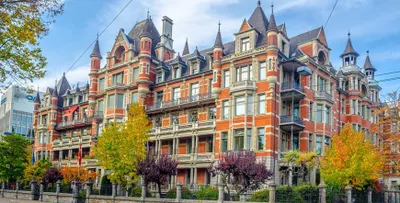
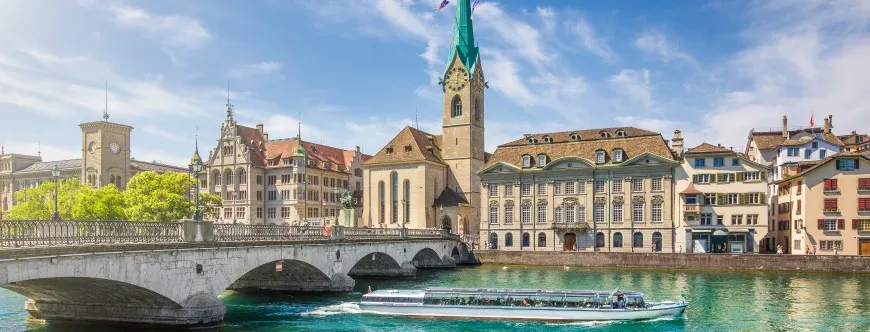
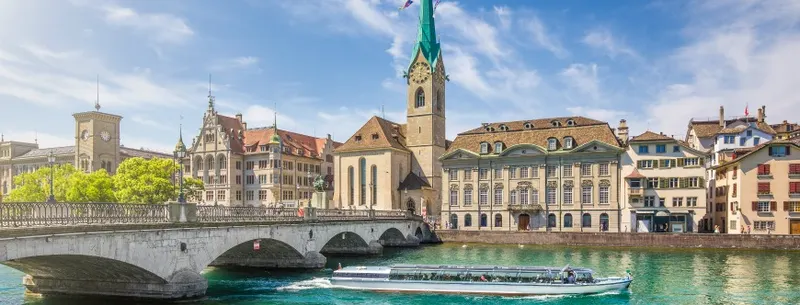
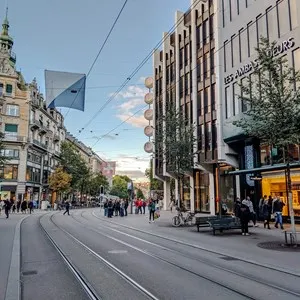
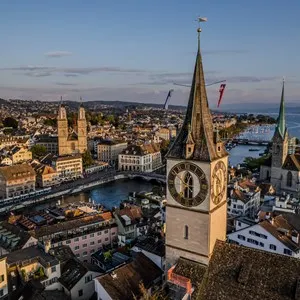
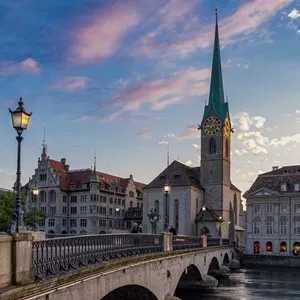
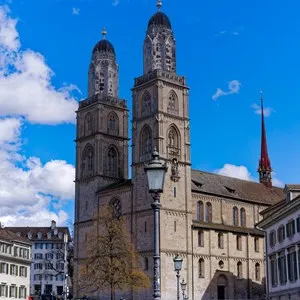
Zurich began as a Roman settlement on the Limmat, later growing into a medieval trading hub with guilds shaping much of the city’s character and architecture. Over the centuries, it became a centre of learning and religion, playing a major role in the Reformation under Ulrich Zwingli. As Switzerland stayed neutral through modern conflicts, Zurich developed into a global financial centre. Banking and finance still have a strong presence, but the city today feels more well-rounded than that suggests. Tech firms, universities and research institutions sit alongside historic churches, small cafés, and riverside walkways. The Limmat splits the city into two. On the east bank, Niederdorf has narrow lanes, student hangouts, and the twin towers of Grossmünster watching over it. The west side includes Lindenhof, once a Roman fort and now a quiet lookout above the Old Town. Busy Bahnhofstrasse runs nearby, following the line of the old city walls and filled with everything from luxury brands to Swiss department stores. Modern Zurich is clean, relaxed and easy to explore on foot, with the lake on one side and hills just beyond. It’s a mix of historic streets, design-focused neighbourhoods, lakefront promenades and cafés where office workers and students sit side by side, a city that balances old-world calm with a forward-looking edge.
Useful information
434,335 (2025)
Swiss Franc (CHF, Fr., SFr.)
European SOS: 112
Ambulance: 144
Police: 117
Fire & Rescue: 118
Do & See




Dining








Cafés






Bars & Nightlife







Shopping








Tourist Information






Frequently Asked Questions
The best time to visit Zurich is during the late spring (May to June) and early fall (September to October) when the weather is pleasant, and the city is less crowded. Summer is also popular, offering warm weather and numerous outdoor festivals, but it can be busy with tourists.
A stay of 2 to 3 days is ideal for exploring Zurich. This allows you to enjoy the city's main attractions, such as the Old Town, Lake Zurich, and the Swiss National Museum, while also having time for a day trip to nearby destinations like the Rhine Falls or Mount Uetliberg.
Zurich offers a variety of attractions, including: - The historic Old Town (Altstadt) with its charming streets and medieval buildings. - The Kunsthaus Zurich, one of the most important art museums in Switzerland. - Lake Zurich, perfect for a scenic walk or boat tour. - The Swiss National Museum, showcasing the country's cultural history.
Zurich has an efficient public transportation system, including trams, buses, and trains. The Zurich Card offers unlimited travel on public transport and discounts on many attractions. Walking is also a great way to explore the compact city center.
Zurich is known for its traditional Swiss cuisine. Be sure to try Zürcher Geschnetzeltes, a creamy veal dish served with Rösti. Cheese fondue and raclette are also popular. For drinks, sample some Swiss wines or try Rivella, a local soft drink.
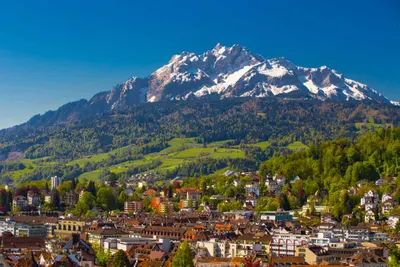
Zurich is a great base for day trips to: - Rhine Falls, Europe's largest waterfall, located near Schaffhausen. - Lucerne, a picturesque city with a stunning lake and mountain views. - Mount Uetliberg, offering panoramic views of Zurich and the Alps. - The charming town of Rapperswil, known as the "Town of Roses."
Zurich hosts several cultural events and festivals throughout the year. The Zurich Film Festival in late September showcases international films. The Street Parade in August is one of the largest techno parades in the world. In December, the city transforms with festive Christmas markets, particularly the one at Sechseläutenplatz.
Trips