

Details for Beijing
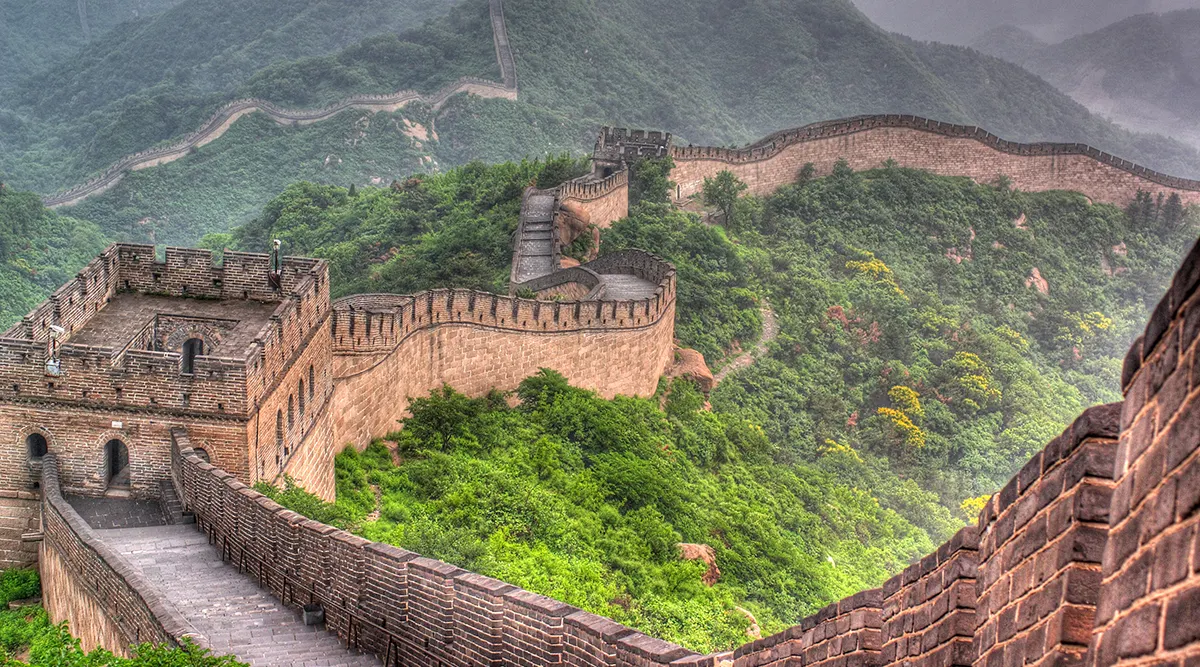
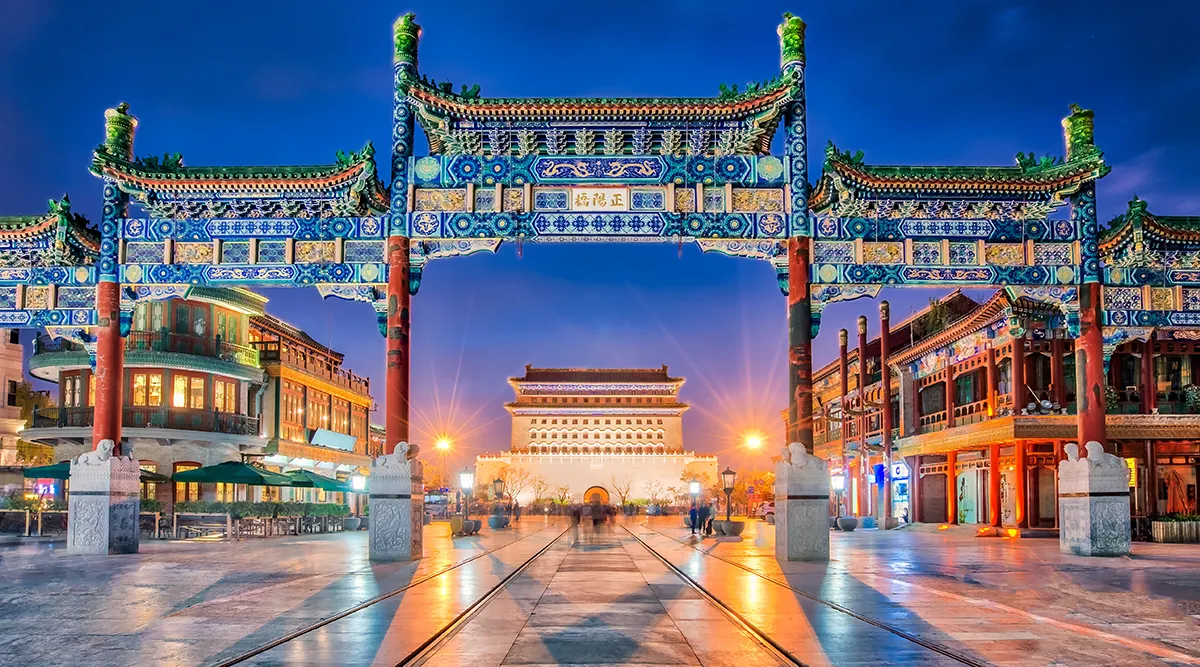
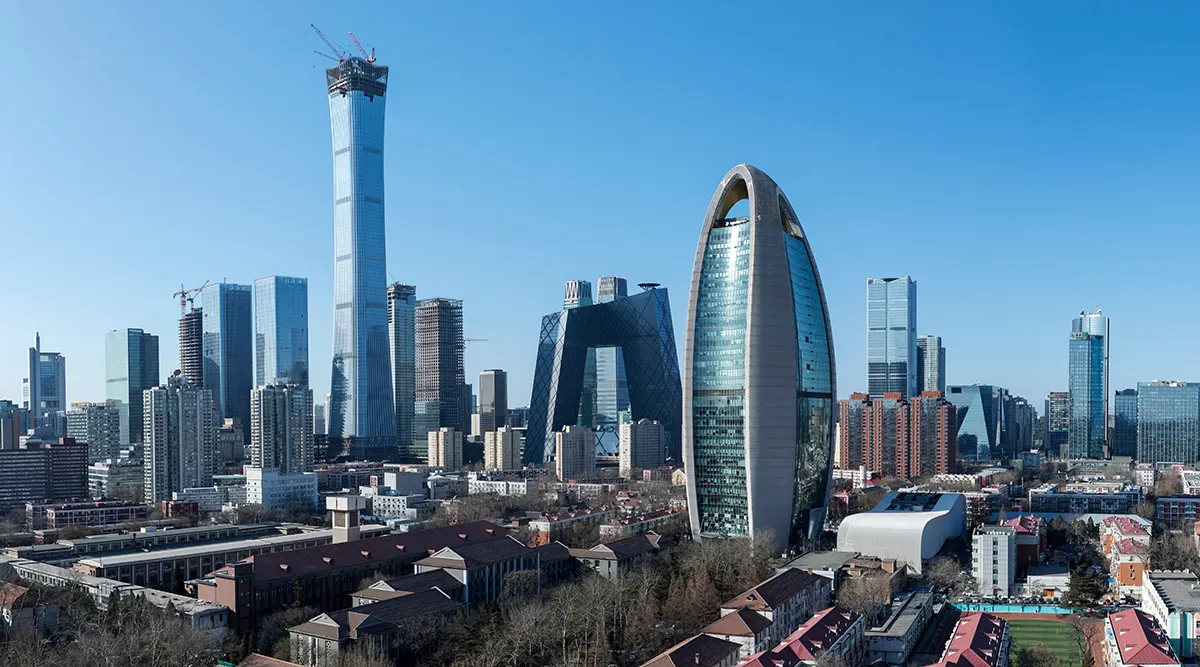
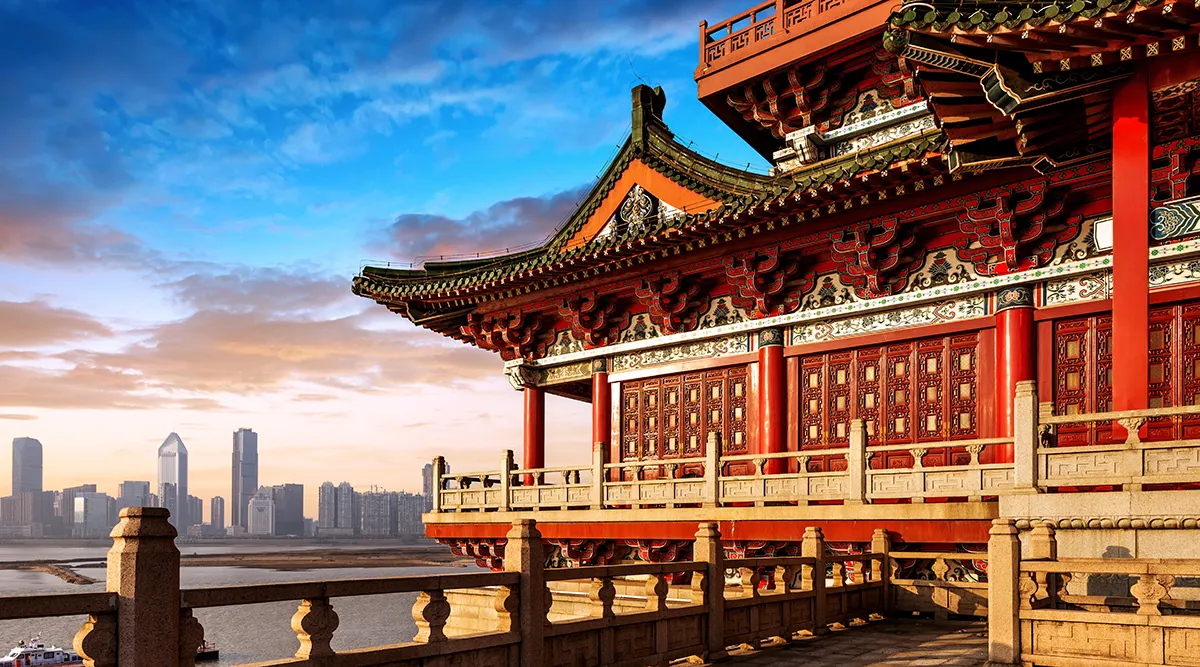
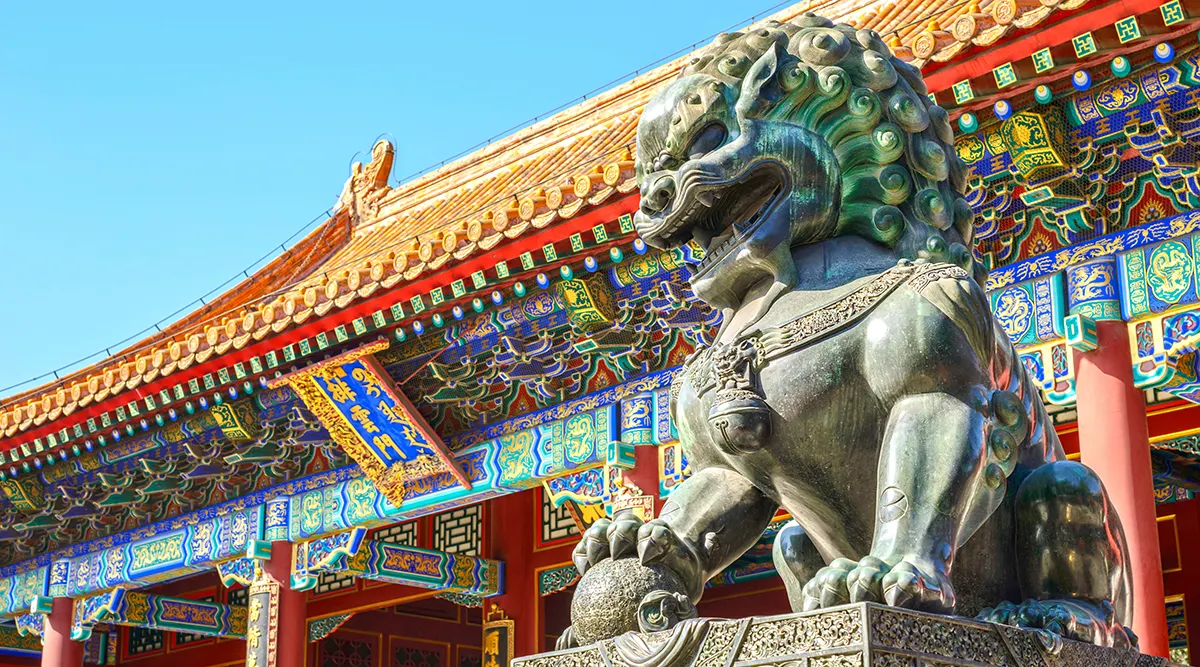
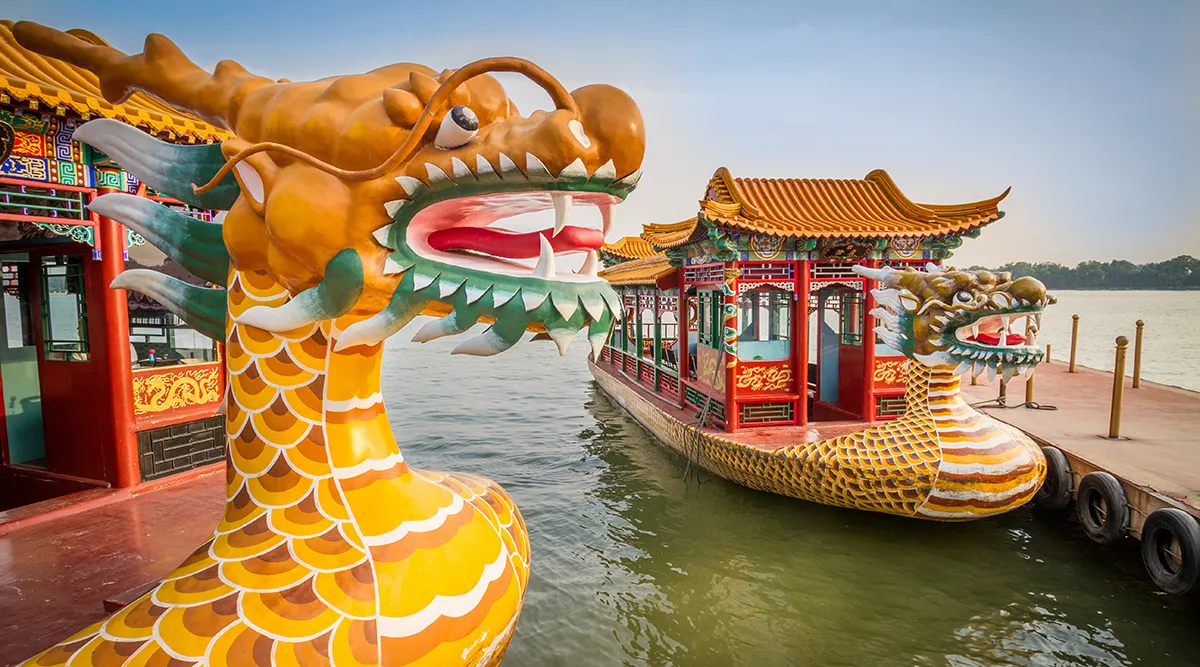
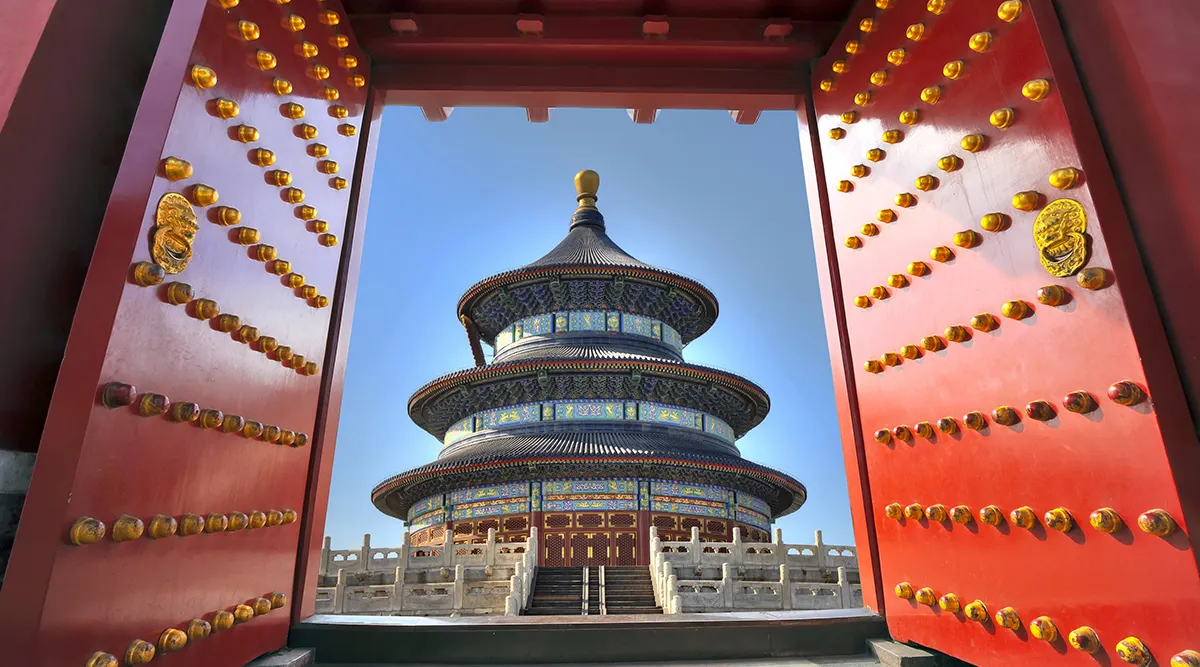
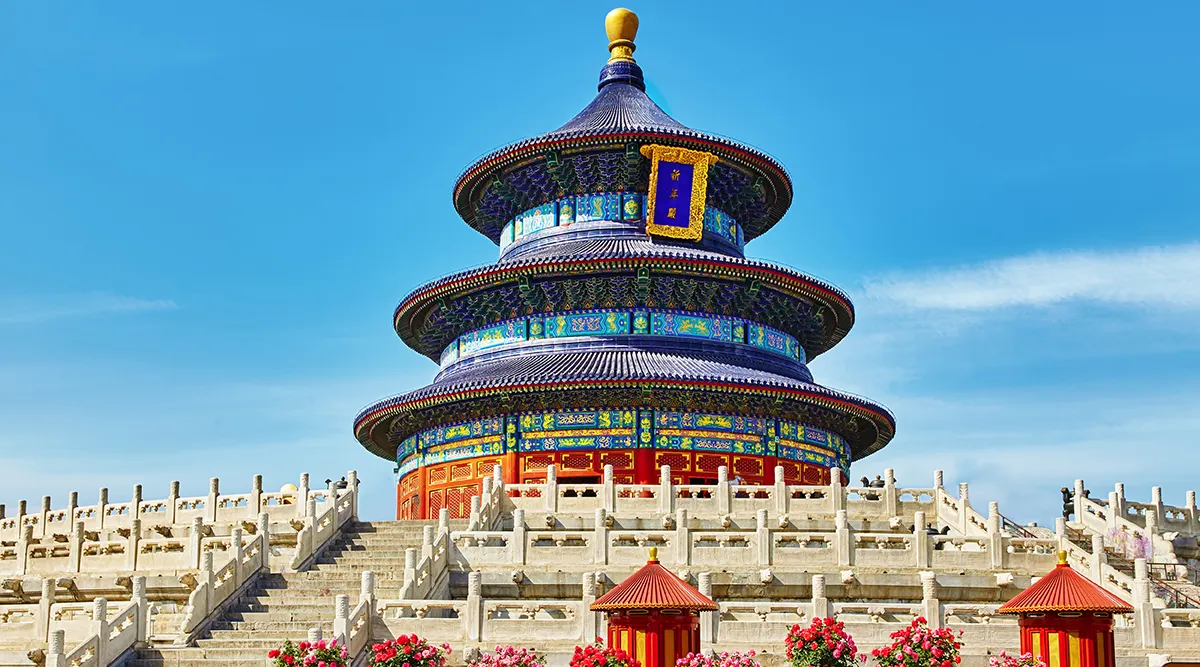

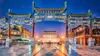
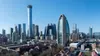
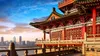
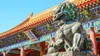
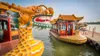
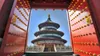
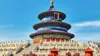
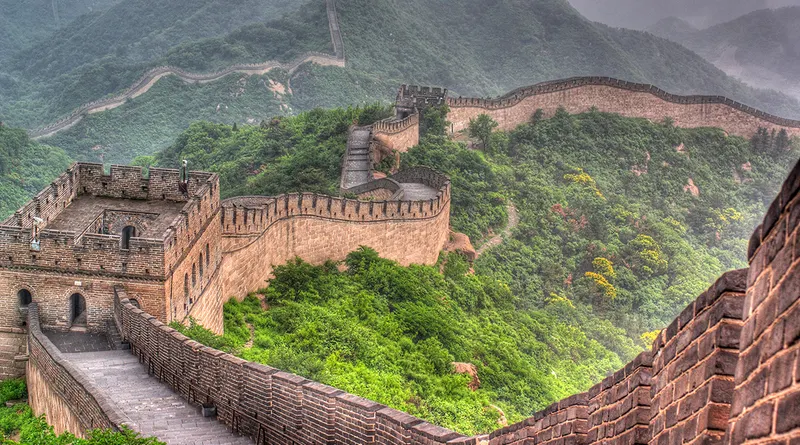
A city where imperial history meets modern ambition, Beijing is the heart of China’s past, present, and future. Walk through the grandeur of the Forbidden City, once home to emperors, and stand atop the Great Wall, an enduring symbol of China’s strength. Wander through the vast Tiananmen Square, explore the ancient alleys of the hutongs, and admire the timeless beauty of the Temple of Heaven. Experience the city's dynamic energy in bustling markets, futuristic skyscrapers, and cultural landmarks like the Summer Palace and the 798 Art District. Savor the flavors of authentic Peking duck, sip traditional tea in historic teahouses, and witness the spectacle of a Beijing opera. Whether you seek imperial splendor, culinary delights, or a glimpse into China’s rapid transformation, Beijing offers an unforgettable journey through history and innovation.

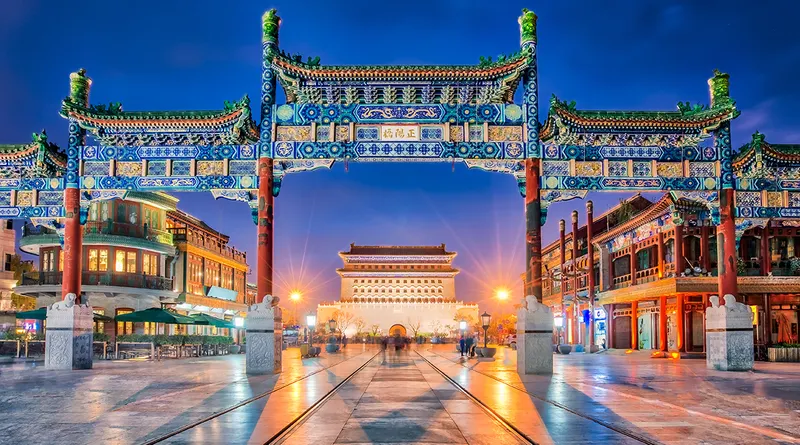
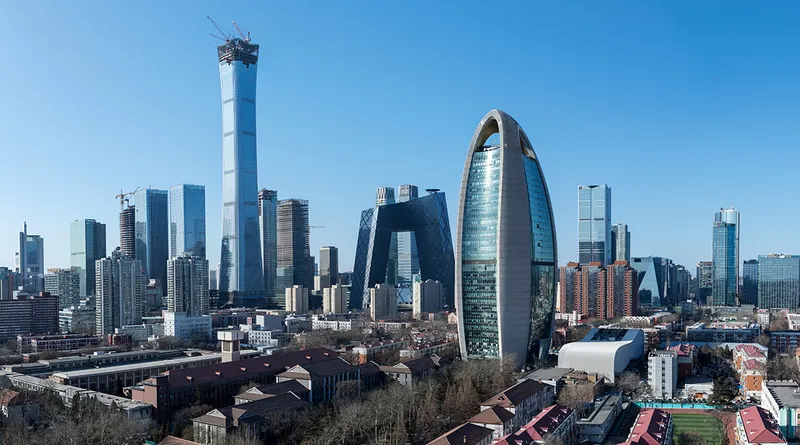
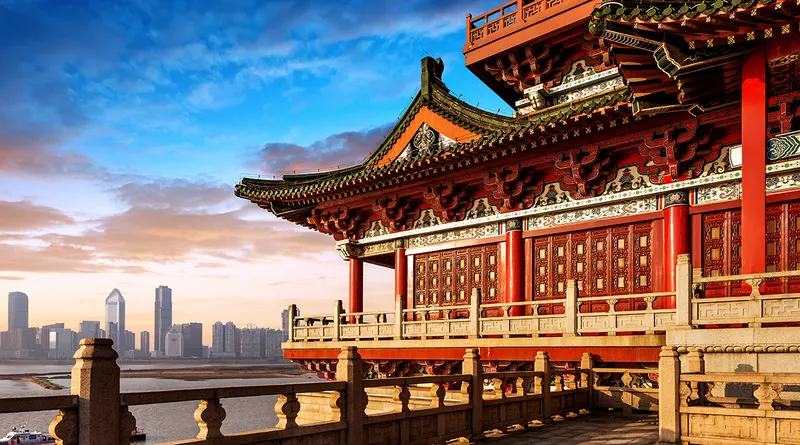
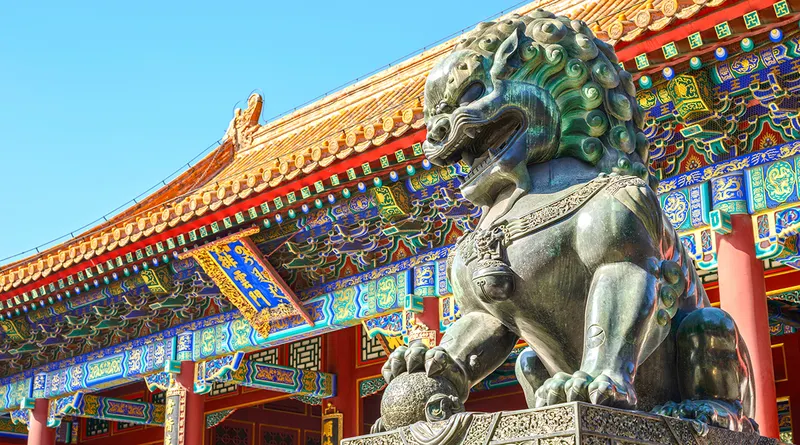
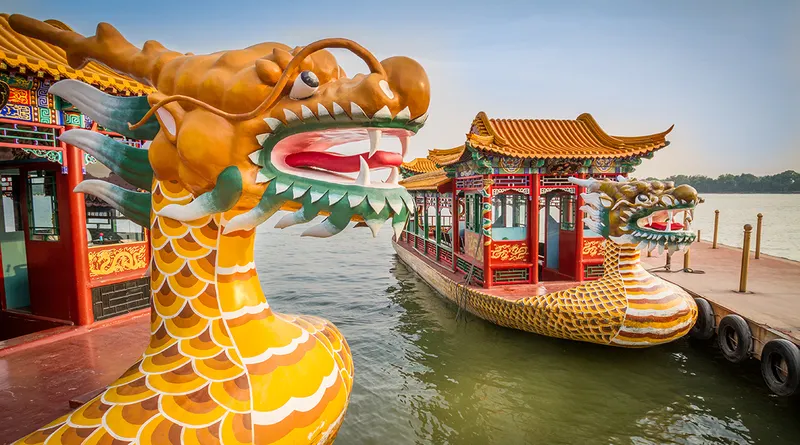
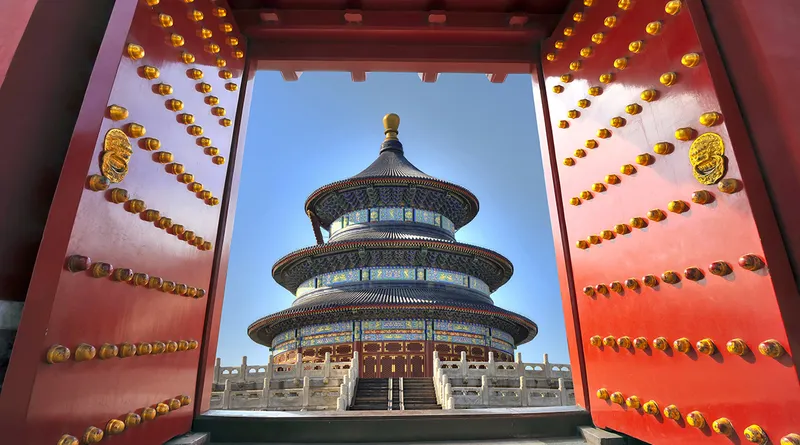
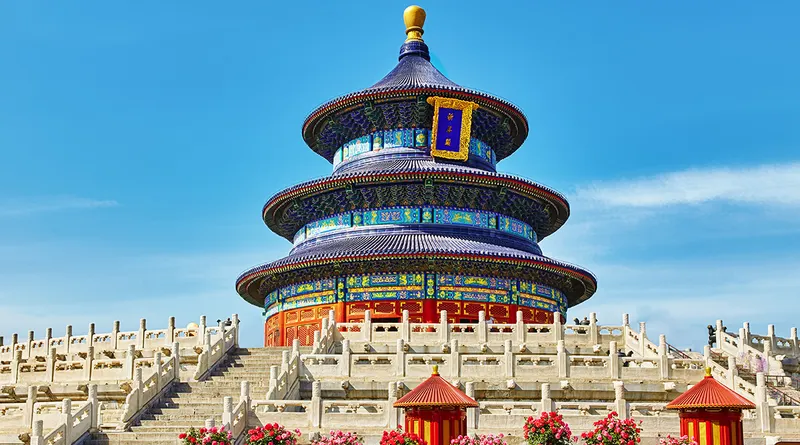
Nowhere else brings together so many historic sites in one place. The Forbidden City sits at the heart of the city, with Tiananmen Square just next door, while north of the centre, Qianhai Lake is a favourite spot for locals to cool off in summer. To the south, the Temple of Heaven rises amid Chongwen’s streets, and east of the city centre, the Chaoyang district is home to modern restaurants, bars, and art spaces. Preparing for the 2008 Olympic Games brought refurbishment to old buildings and the rise of new skyscrapers. Alongside this modernisation, Beijing has kept much of its traditional charm. Wandering the city’s old streets, you’ll find silk shops, antique stores, and tea houses that offer glimpses into daily life and centuries of culture. Beijing is also a food city. From traditional dumplings and street snacks to the original Peking Duck, its hundreds of restaurants and food stalls make it easy to explore local flavours at every turn.
22.6 million (2025)
Chinese Yuan (CNY, ¥)
Ambulance: 120
Fire: 119
Police: 110
798 Art Zone
798 Art Zone
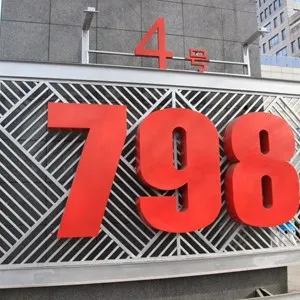
Once a 1950s military factory complex, 798 has been converted into Beijing’s best-known contemporary art district. The old concrete workshops and warehouses now house galleries, studios, and design shops, featuring everything from major exhibitions to small, experimental shows. You’ll find photography, video art, installations, and plenty of one-off pieces that change all the time. The area has also filled up with cafés, bars, and restaurants, so it’s easy to spend a few hours wandering, eating, and people-watching. It’s in the Dashanzi area, northeast of the centre, and the mix of Mao-era industrial buildings and modern art is half the experience.
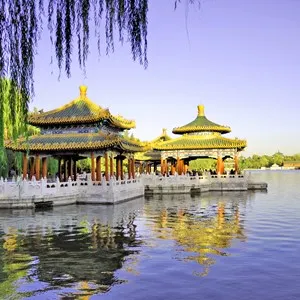
Beihai Park
Beihai Park
Just behind the Forbidden City, Beihai Park is one of Beijing’s oldest and best-preserved imperial gardens. It’s quieter than some of the larger tourist spots, with lakes, pavilions, and tree-lined paths perfect for a stroll — the central White Dagoba on Qionghua Island is a highlight here.

Beijing Aquarium
Beijing Aquarium
Inside the grounds of Beijing Zoo, the Beijing Aquarium is one of the largest inland aquariums in the world. Its seven exhibition halls cover everything from tropical fish and coral reefs to Chinese river life and endangered species, such as the Chinese sturgeon. There are also daily dolphin and sea lion shows. It’s a popular stop for visitors with kids, though if you’re mainly after wildlife, the zoo itself is the bigger draw.
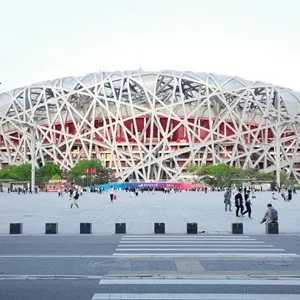
Beijing Olympic Park
Beijing Olympic Park
Built for the 2008 Games, the park is home to two of Beijing’s most recognisable landmarks: the National Stadium (the 'Bird’s Nest') and the National Aquatics Centre (the 'Water Cube'). Both are still in use for sports and events, and they light up at night, which is the best time to see them. The park itself is also one of the largest green spaces in the city, with long open avenues, lakes, and gardens — a good spot for a walk if you’re in the north of Beijing.

Capital Museum
Capital Museum
First opened in 1981 within the Confucian Temple, the Capital Museum relocated to a purpose-built modern building in 2006 to accommodate its growing collection. It holds over 200,000 cultural relics; approximately 5,000 are typically on display at any given time, featuring a diverse range of items including porcelain, jade, calligraphy, paintings, coins, and Buddhist statues.
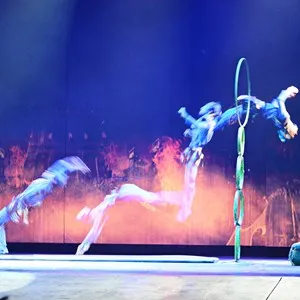
Chaoyang Theater
Chaoyang Theater
For a glimpse of a uniquely Chinese form of entertainment, head to Chaoyang Theatre to watch traditional acrobatics. The one-hour show includes feats with bicycles, chairs, and other daring stunts that have been perfected over generations.
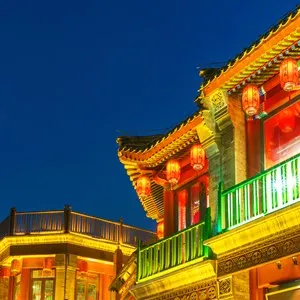
Dashilan
Dashilan
Just outside Qianmen, Dashilan is one of Beijing’s oldest commercial streets, with a history of over 600 years. It used to be the busiest suburban market and remains full of character today. Some of Beijing’s oldest brand boutiques started here, alongside the city’s first cinema, and many are still operating. Walking the street gives a sense of everyday life beyond the imperial palaces, where locals have shopped, worked, and socialised for generations.
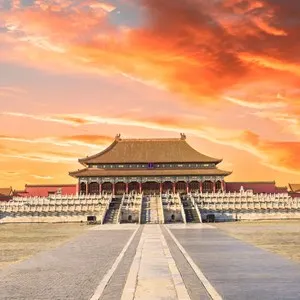
Forbidden City
Forbidden City
Once home to China’s emperors, the Forbidden City has more than 800 buildings and nearly 10,000 rooms. This vast imperial household opened to the public in 1949, and it’s remarkably well-preserved. The Hall of Supreme Harmony, covered in thousands of dragon motifs, hosted grand ceremonies, while the Palace of Heavenly Purity was where emperors lived, with bedrooms and private halls. Walking through the courtyards and along the red walls, it’s easy to feel the scale and ritual of life here.

Annie's Cafe
Annie's Cafe
Located in the heart of Chaoyang, Annie’s Cafe is a beloved Italian restaurant chain offering a warm, family-friendly atmosphere. With its spacious two-level layout and classic 70s–80s music setting the tone, it’s a comfortable spot for both solo diners and families. The menu features a wide array of Italian classics, including pastas, pizzas, and fresh salads. Popular choices include the truffle mushroom pasta and wood-fired pizzas with unique toppings.
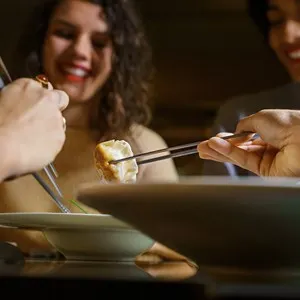
Baoyuan Jiaozi Wu
Baoyuan Jiaozi Wu
Baoyuan Jiaozi Wu in Chaoyang District is a simple, unpretentious eatery famous for its hand-crafted dumplings. Skins are naturally dyed with vegetables, and fillings range from classic pork and cabbage to more inventive combinations like smoked tofu and eggplant. Dumplings are ordered by weight, so it’s easy to mix and match. The menu has photos and English translations, making it accessible for visitors. It can get busy, but the wait is usually short, and the dumplings are worth it.
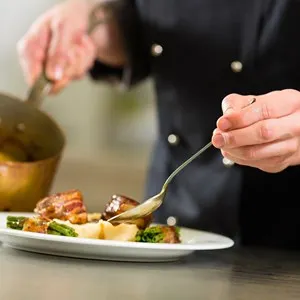
China Grill
China Grill
On the 66th floor of the Park Hyatt Beijing, China Grill offers international cuisine with prime meats, seafood, and fish, alongside a strong wine list. The floor-to-ceiling windows give panoramic views of the city, making it one of Beijing’s highest and most memorable dining spots.
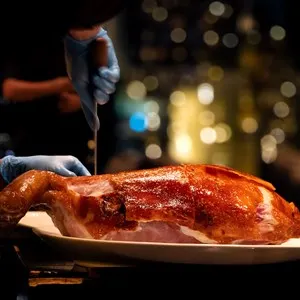
Dadong Roast Duck Restaurant
Dadong Roast Duck Restaurant
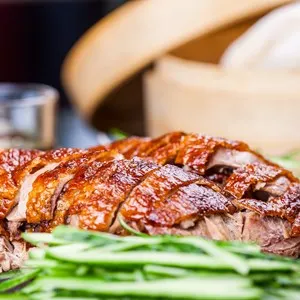
One of Beijing’s top addresses for Peking Duck, DaDong has spent decades perfecting the dish. Ducks are roasted in special ovens for even heat, producing skin that is crisp without being greasy and meat that’s tender and juicy. Carved tableside and served with soft pancakes, scallions, and sweet bean sauce, the duck is the star of the menu, though other inventive Chinese dishes are worth exploring.
Fangshan Restaurant
Fangshan Restaurant
Founded over 90 years ago by royal chefs, Fangshan serves Beijing Duck and other dishes inspired by imperial cuisine. Set on an island in Beihai Park, the restaurant combines traditional décor with a grand mansion setting, complete with bright yellow accents and ornate Chinese artwork. Some dishes, including rare sweets, are hard to find elsewhere, making it a unique experience for visitors.
Grandma's Kitchen
Grandma's Kitchen
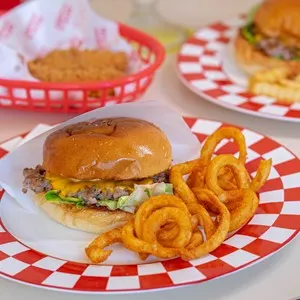
Grandma’s Kitchen brings a touch of Americana to Beijing, with checkered tablecloths, wicker chairs, and a menu full of Western comfort food. Indulge in omelettes, sandwiches, pastas, and milkshakes, all served in a relaxed, family-style setting. If you’re looking for a break from Chinese cuisine, this long-standing favourite is a reliable spot to satisfy cravings for home-style dishes.
Haidilao Hot Pot
Haidilao Hot Pot
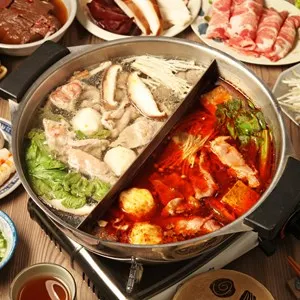
China’s most famous hot pot chain, Haidilao is loved for its attentive service and endless choice of broths, meats, seafood, and vegetables. The Sanlitun branch is open 24 hours, just steps from the nightlife district, and draws crowds as much for the lively atmosphere as for the delicious food.
Huang Ting
Huang Ting
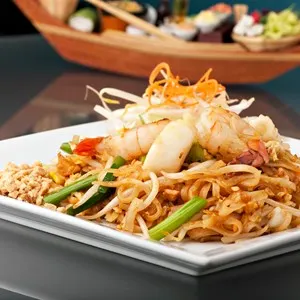
Tucked inside the Peninsula Hotel, Huang Ting recreates the feel of a Beijing nobleman’s courtyard home, with carved wooden screens, elegant furniture, and private dining rooms. The menu highlights refined Cantonese cuisine—delicate dim sum, Szechuan prawns, and roast duck—served with polished service.

1901 Cafe
1901 Cafe
Tucked inside a historic annex of Xishiku Church, 1901 Café sits in a 1901-built villa that immediately stands out from its Hutong surroundings, even without a sign. Inside, three creaking wooden floors are linked by narrow staircases and furnished with mismatched armchairs, old bookshelves, and a mix of vintage décor that gives the place a lived-in charm. It’s long been a favourite with expats looking for a quiet corner near Houhai. The menu features Western dishes along with a few Chinese ones, and the drinks range from coffee to beer.

Flat White Cafe
Flat White Cafe
Inspired by New Zealand café culture and named after the popular Aussie-Kiwi coffee beverage, Cafe FlatWhite was founded in China and now has several locations across Beijing, including a flagship in the 798 Art District. The café specialises in carefully brewed coffee, with a rotating selection of single-origin and blended beans. The menu also includes simple Western-style food such as sandwiches, salads and pastries.
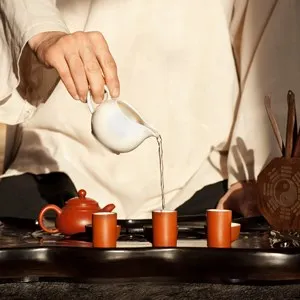
Laoshe Tea House
Laoshe Tea House
Named after the writer Lao She and his classic play Teahouse, Laoshe Tea House is one of Beijing’s best-known places to experience traditional tea culture. The setting feels theatrical in itself: carved wood, lantern light, and a steady hum of teapots being refilled, and the menu mixes classic teas with small desserts and snacks drawn from both imperial and everyday Beijing traditions. Most visitors come for the performances, which rotate throughout the evening and can include snippets of Beijing Opera, bianlian (face-changing), acrobatics, and traditional magic acts. If you’re planning to go, it’s worth booking ahead, especially on weekends, as seats fill up quickly.
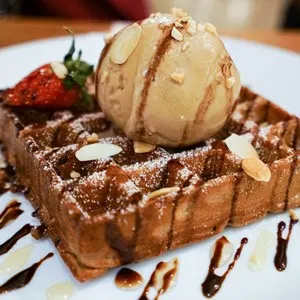
Maan Coffee
Maan Coffee
Maan Coffee doesn’t look especially remarkable from the outside, but inside you’ll find one of Beijing’s more atmospheric café chains. The interiors lean towards vintage industrial, with tall bookshelves, exposed brick, soft lighting, and oversized chandeliers. It’s a Korean-owned chain with multiple locations across the city, popular with students, remote workers, and anyone who wants a relaxed place to linger. The menu is known for its waffles and honey toasts, often served with fruit or ice cream, along with a wide range of coffees and teas.
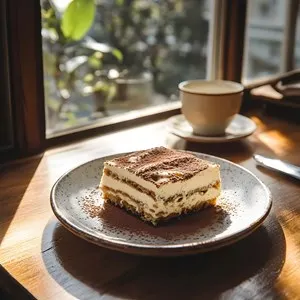
Voyage Coffee
Voyage Coffee
In the heart of Dongcheng, Voyage Coffee is the kind of café that wins over serious coffee people. The space itself is bright and minimal, with huge windows that let in streams of natural light and a clean, modern design that feels instantly calming. Voyage is known for its meticulous approach to brewing, whether you’re ordering a hand-pour, a robust espresso, or their excellent cold brew. If you’d like something sweet on the side, their house-made desserts, especially the tiramisu and cheesecake, pair perfectly with a cup.
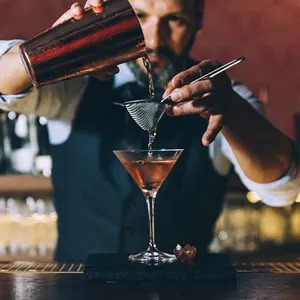
Atmosphere
Atmosphere
Perched on the 80th floor of the Shangri-La, Atmosphere is one of the highest bars in Beijing and an easy pick if you want a drink with a bird's eye view of the city after dark. The room keeps things simple and contemporary, so the skyline stays front and centre. Cocktails lean toward fancy takes on the classics, with a few seasonal ideas in the mix, and the bar usually has either a live act or a DJ in the evenings.
Great Leap Brewing
Great Leap Brewing
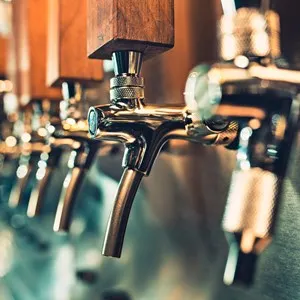
Since opening in 2010, Great Leap Brewing has been at the forefront of Beijing’s craft beer scene. Founded by Ohio native Carl Setzer and his wife, Liu Fang, the brewery experiments with Chinese ingredients, such as Sichuan peppercorns and Qingdao flower hops. The bars are often set in traditional siheyuan courtyards, giving a one-of-a-kind local feel while serving up to 40 seasonal beers straight from the tap. The brewery doesn’t serve food directly, but menus from nearby restaurants make it easy to pair a pint with pizza, dumplings, kebabs, or other local favourites.
Jing-A Brewery
Jing-A Brewery
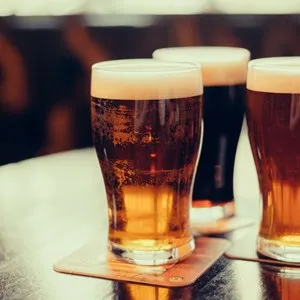
Jing-A is one of Beijing’s most established craft breweries, and its Longfusi taproom sits just west of Dongsi in the hutongs. The space blends a converted-factory look with a relaxed, neighbourhood feel. They pour from 30-plus taps, covering Jing-A classics, seasonal experiments, and a few draft cocktails. The kitchen centres on thin-crust sourdough pizzas baked in a large brick oven, along with a short menu of bar snacks.
Mix Club
Mix Club
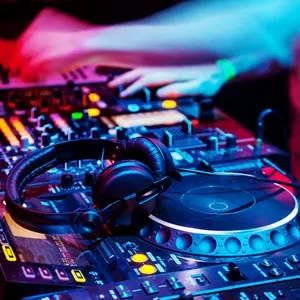
Mix Club is an established nightclub located inside the Workers Stadium's north gate in Beijing's Chaoyang District. The venue spans two floors, features a dance floor wired for high-profile DJs, and focuses largely on hip-hop and R&B nights. If late-night dancing is on your agenda, Mix is worth checking out.
Nuoyan Rice Wine House
Nuoyan Rice Wine House
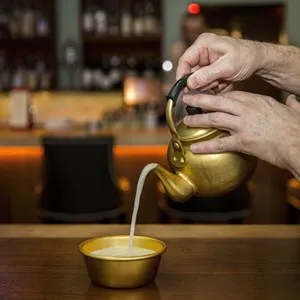
Nuoyan Rice Wine House is a small, quiet spot focused on contemporary rice wine made with traditional methods. The brand began in 2010 and produces several varieties in-house, including the original brew, rose, osmanthus, vanilla, and Chinese bayberry. The tasting room occupies a former 1970s printing-factory building, now fitted with simple wooden beams and understated décor. Upstairs, a few tables overlook the surrounding rooftops. Light dishes are available to pair with the wine.
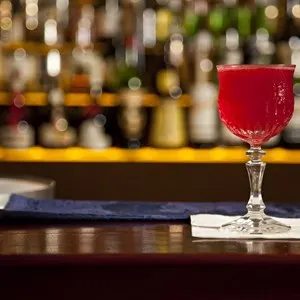
Sanlitun District
Sanlitun District
Sanlitun remains one of Beijing’s most famous nightlife areas, centred on the Taikoo Li complex and a mix of pubs, live-music venues, and cocktail lounges. Once known for a dense 'Bar Street,' parts of that original row have been redeveloped, though the district still attracts embassy staff, expats, young professionals, and creatives into the night.
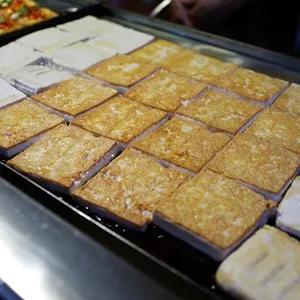
Shenghuatun Night Market
Shenghuatun Night Market
Shenghuatun Night Market is a food stall stretch beneath neon signs next to Guta Park, serving everything from stinky tofu and lamb skewers to macarons and fried bugs. It buzzes with games, street performances, and influencer livestreams; like stepping into a night-time street fair full of laughter, sizzling grills, and unexpected bites.
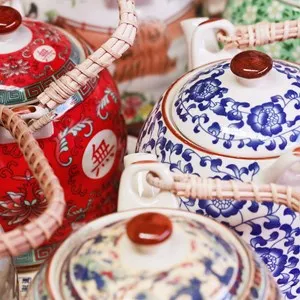
Beijing Antique City
Beijing Antique City
Beijing Antique City is one of Asia’s largest indoor markets for antique art and crafts. Housed in a four‑storey building just west of Huawei Bridge, it is home to more than 600 dealers displaying a wide range of wares: classic furniture, ancient clocks, textiles and rugs, ceramics, Tibetan relics, carved ivory and bronze, calligraphy and paintings, and much more.
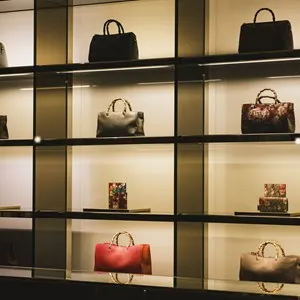
China World Mall
China World Mall
China World Mall in Beijing’s Chaoyang District is a modern, multi-level shopping complex that brings together both luxury and mid-range brands. You’ll find international designers such as Dior and Gucci, alongside home décor stores, electronics shops, and more affordable fashion outlets. The mall also has a cinema, an ice rink, and a range of cafés and restaurants.

Hongqiao Market
Hongqiao Market
Hongqiao Market, often called the Pearl Market, is one of Beijing’s most visited indoor markets and a handy stop if you’re after jewellery or general bargains. The upper floors are packed with pearl vendors, especially freshwater pearls, and it’s worth taking a lap before committing, as quality and prices vary noticeably from stall to stall. Lower levels mix electronics, clothing and assorted souvenirs. If you’re looking to pick up jewellery, it helps to compare shops and examine pieces closely; some vendors will customise items on the spot.

Joy City
Joy City
Xidan Joy City is the main modern mall in the Xidan commercial district, drawing a younger, fashion-focused crowd. Spread over more than ten floors, it houses international brands with a good selection of contemporary Chinese labels, along with electronics shops, cafés, and a large food court, plus a handful of entertainment spaces, including a Ferris wheel.
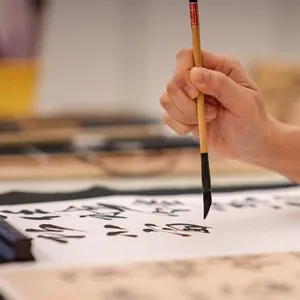
Liulichang Street
Liulichang Street
Liulichang Street is a compact, pedestrian thoroughfare in central Beijing that’s long been associated with scholars, artists, and calligraphers. Here you’ll find shops specialising in the 'four treasures' of the Chinese scholar: brushes, ink sticks, paper, and ink stones. There are also galleries selling scrolls, paintings, seals, and other cultural curios.
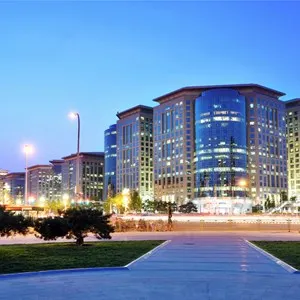
Oriental Plaza
Oriental Plaza
Oriental Plaza is a massive complex combining retail, offices, serviced apartments, and a hotel, but the shopping area is the main draw for visitors. Shops are arranged in themed zones, offering a mix of international and local brands, along with cafés and restaurants. A central feature is the colourful musical fountain, and the mall also includes a cinema and other attractions family-friendly attractions.
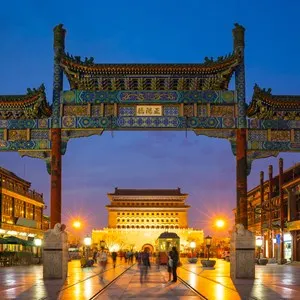
Qianmen Street
Qianmen Street
Qianmen Street is one of the oldest and most well-known shopping streets in Beijing. It stretches about 840 metres along Beijing’s historic central axis, just south of Tiananmen Square and heading towards the old city gates. The pedestrianised boulevard pairs Qing-style façades and carved archways with modern shops and restaurants, creating a mix of old Beijing charm and contemporary retail. On one end you’ll find long-established shops selling fine teas, silks and Chinese medicines; venture further and you’ll hit familiar international brands, cafés and snack stalls.
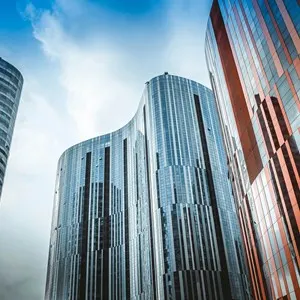
Taikoo Li Sanlitun
Taikoo Li Sanlitun
Taikoo Li Sanlitun, formerly known as Sanlitun Village, is a trendy, open-air shopping and lifestyle district in Beijing’s Chaoyang District. The complex consists of 19 low-rise buildings arranged across two main areas: the Piazza in the south and the Deck in the north. Its modern architecture is impressive, with irregular shapes, contrasting colours, and open courtyards that give the district a distinctive, contemporary feel. Taikoo Li is home to international fashion labels, concept stores, cafés, and restaurants.
Best Time To Visit
Best Time To Visit
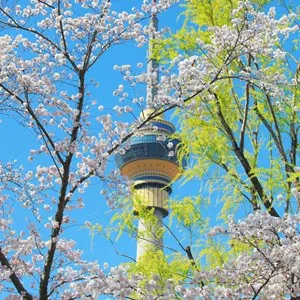
Most of Beijing's attractions feature timeless architecture and rich cultural heritage, making them enjoyable year-round. However, the outdoor temperatures are most pleasant in spring and autumn, as winter can be too cold and summer too hot for comfort. Additionally, the city’s parks and gardens are particularly beautiful during these seasons, with blossoming flowers in spring and vibrant foliage in autumn. It's best to avoid Chinese public holidays, especially from October 1st to 7th, when the city is crowded with local tourists.
Beijing Capital International Airport (PEK)
Beijing Capital International Airport (PEK)
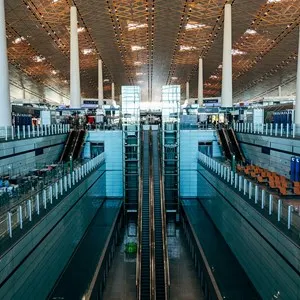
The Beijing Capital International Airport (PEK) is located approximately 32 kilometres northeast of Beijing's city centre. This is the busiest airport in Asia and one of the busiest in the world. The Airport Express Train is the fastest and most convenient option, connecting Terminal 3 and Terminal 2 to Dongzhimen Station in downtown Beijing in about 20 minutes. Taxis offer a more direct route, taking 45 minutes to an hour depending on traffic. For a budget-friendly choice, the Airport Shuttle Bus provides multiple routes to various parts of the city, taking about an hour.
Beijing Daxing International Airport (PKX)
Beijing Daxing International Airport (PKX)
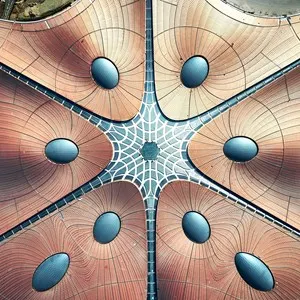
Beijing Daxing International Airport (PKX) is located around 46–50 km south of Tiananmen Square; depending on traffic, expect a taxi or ride-hail into central Beijing to take about 60 to 90 minutes. The most efficient public-transport option is the Daxing Airport Express. It runs from the terminal about every 9–15 minutes and takes around 22 minutes to reach Caoqiao Station, where you can transfer to Subway Lines 10 or 19. Alternatively, shuttle buses operate from the airport to key spots in the city; a journey takes roughly 80 minutes.
Public Transport
Public Transport
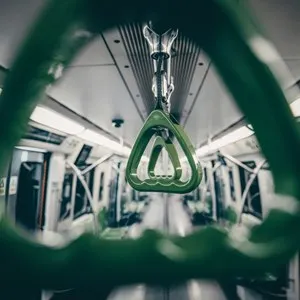
Subway The subway is the quickest way to move around Beijing and avoid traffic. The network is extensive, with more than twenty lines in operation, and covers most major sights. Trains generally run from around 5 am to 11 pm, depending on the line. Stations are easy to spot; look for the blue “D” symbol. Signs and announcements are in both Chinese and English. Buses Buses reach parts of the city that the subway doesn’t, including many suburban areas. Services usually run from about 5 am to 11:30 pm. Apps such as Beijing Public Transport or Ruubypay make it much easier to plan routes. Yikatong Card The Yikatong is Beijing’s transport smartcard and works on the subway, buses, some taxis, and even public bikes. You can buy and top it up at service counters and machines in most stations. A small deposit is required, and you can return the card for a refund at designated stations. For travellers, the physical card is usually the simplest option.
Taxi
Taxi
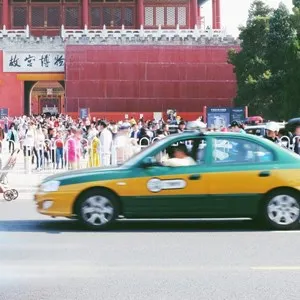
Taxis are easy to find in Beijing and a reliable way to get around the city. Most drivers speak little to no English, so having your destination written in Chinese will be quite helpful. All official taxis should use a meter. If a driver hesitates to turn it on, politely insist or choose another cab. Ride-hailing apps are widely used in the city. Didi is the most popular option, and you can usually use it with an international credit card, though having mobile data is essential. It’s often easier than flagging a cab on the street, especially during rush hour or late at night.

Electricity
Electricity
Mainland China uses a standard voltage of 220V with a frequency of 50Hz. Power plugs and sockets are mainly of types A, C, and I. Type A plugs have two flat parallel pins, Type C plugs have two round pins (the same as those widely used across Europe), and Type I plugs feature three flat pins in a triangular arrangement.

Internet Access & VPN in China
Internet Access & VPN in China
Because of the internet security laws of China, certain websites and apps are not accessible from the mainland, which includes those very commonly used in the West (Facebook, Instagram, X, Google and Gmail, Skype, among others). Some travellers have been able to gain access to those via a VPN service installed prior to arrival in China. Make sure you comply with local laws and regulations when deciding on whether or not to employ a VPN, and which one to choose. If you do, only use those explicitly allowed by the Chinese government, and only use them for authorised purposes to avoid any trouble. There have been reports of foreigners in China getting their cell service cut off in response to unauthorised use of VPN; restoring cell service required a trip to the local police station, where the contents of the device were investigated and certain apps removed. Given that Google is banned in China, Google Maps might not be the most accurate and reliable source of information. Some local apps, such as Baidu Maps, tend to work better than Google Maps.

Mobile Payments
Mobile Payments
In China, mobile payment apps such as Alipay, Weixin Pay, and UnionPay are widely used and accepted almost everywhere, including restaurants, shops, street food stalls, and tourist attractions. To use them, you can link your international credit card or set up a local bank account. Both apps provide features in English and are user-friendly, making it easy to handle payments, split bills, and even pay for transportation. Download these apps before your trip and familiarise yourself with their functionality to enhance your travel experience in Beijing.

Let’s plan your next vacation
Let us take care of all the details to create the perfect trip for you. With our expertise and personalized service, we will ensure that every moment of your trip is special and unforgettable. Get ready to embark on a dream adventure!