
Discover Fez, Morocco’s Spiritual and Intellectual Capital


Current Weather

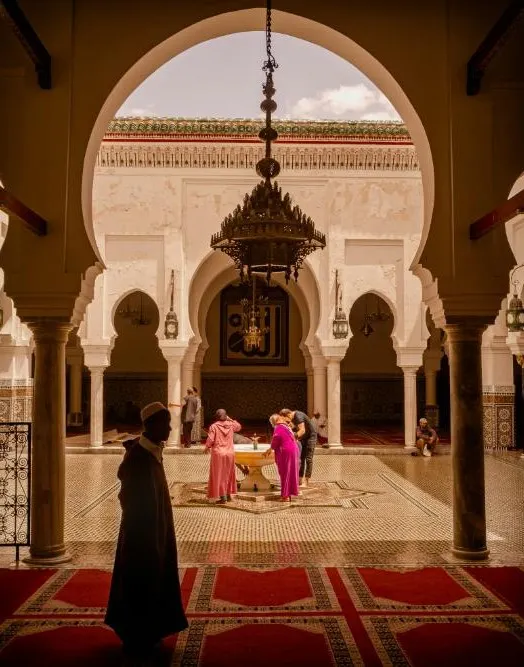
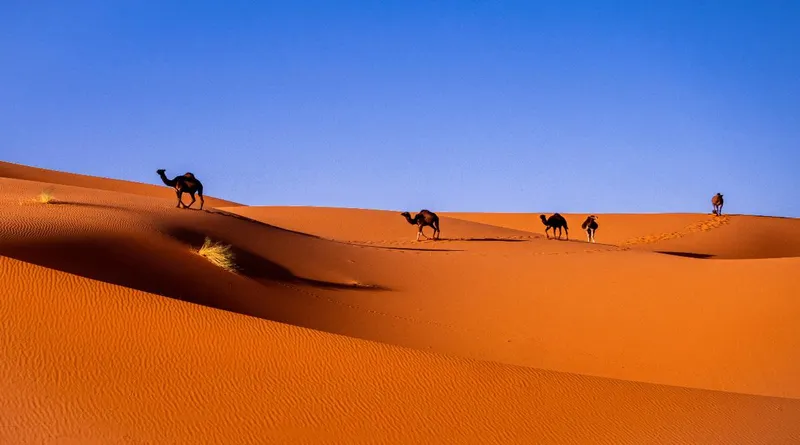
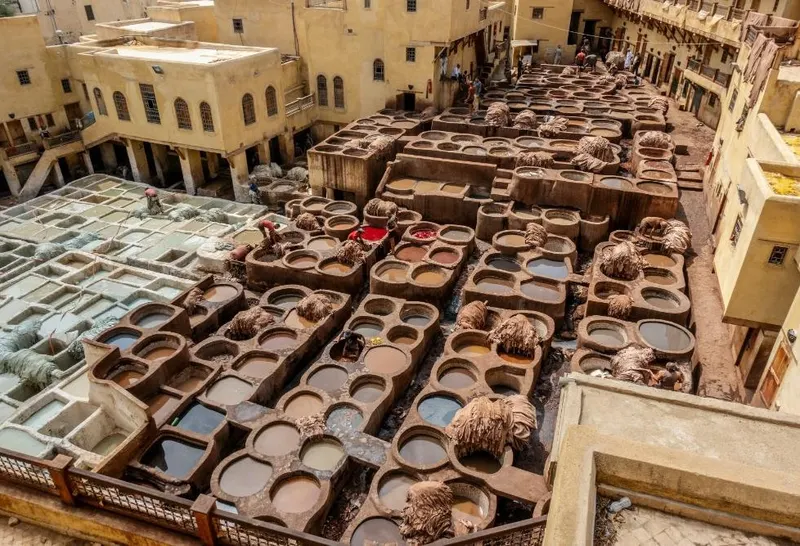
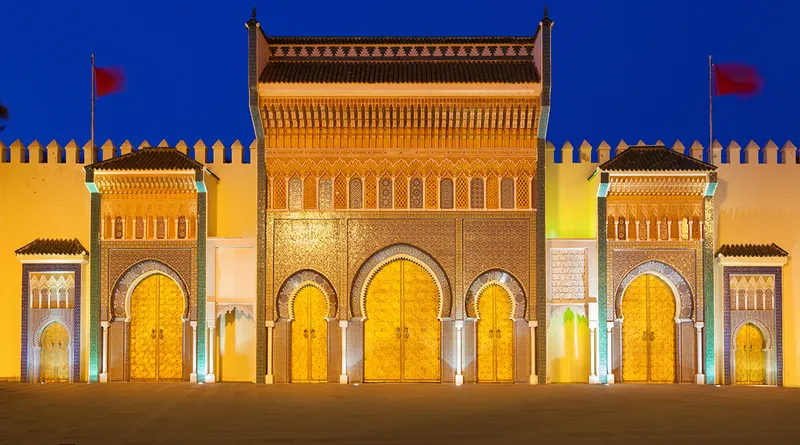
Description
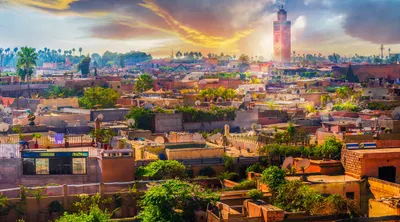
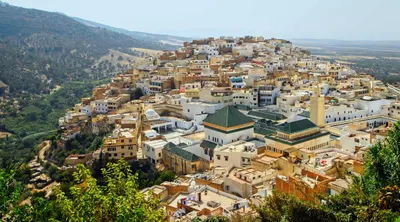
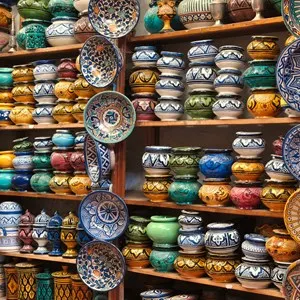
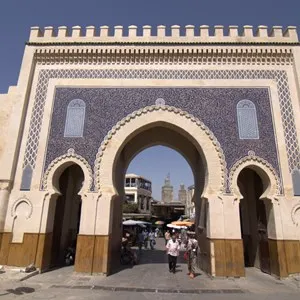
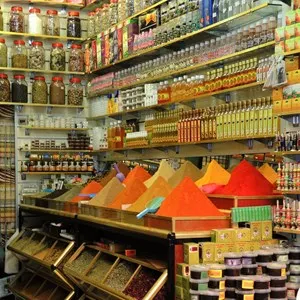
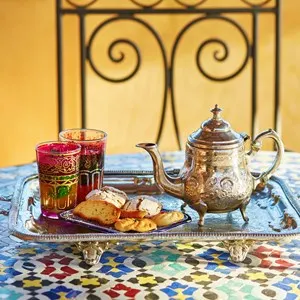
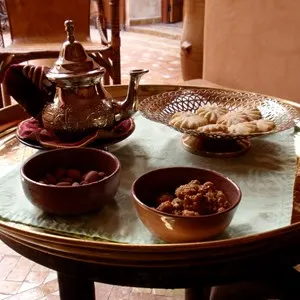
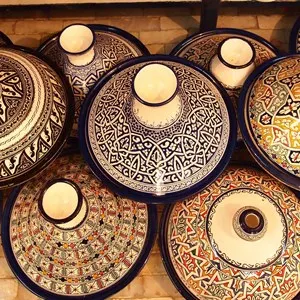
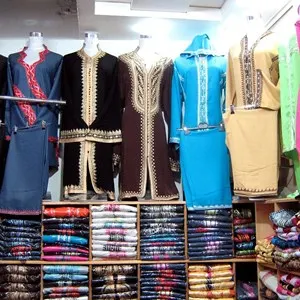
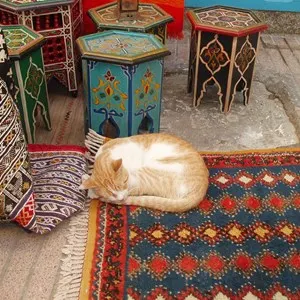
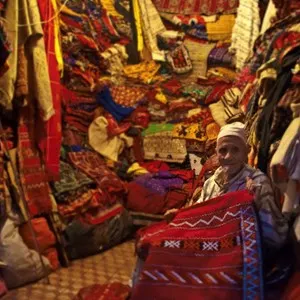
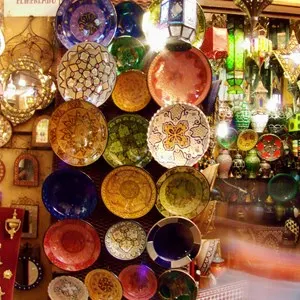
Life in this sand-coloured city can seem provincial at times but this ancient feeingl only adds to its charm, and its sense of otherness: while donkeys still navigate the Medina as the main mode of transport for goods, you will see everything from cases of Coca-Cola to mattresses perched expertly and delicately atop the backs of docile beasts. Fès is known for its handicrafts, and particularly for its famous blue and white tiles. Arabic is the main language in Morocco but French is widely spoken so it gets easier to get around compared to many other Arabic countries. People in Fès are exceptionally friendly and hospitable, and they love to talk to travellers and to proudly boast about their city. If you speak with locals for any length of time, be prepared to be invited to their house for tea – this is a genuine and innocent offer, so do not shy away from it, as it is a great way to get to know people and to get a feel for life here.
Useful information
1,07 million
1 Dirham = 100 Centimes
Police: 190 (112 from mobile phones)
Ambulance: 150
Fire Brigade: 15
While businesses are usually open from 9am-10pm, some of them may close for midday between 12pm and 3pm. Most shops are open daily while others establish individual opening hours.
Do & See
Dining


Cafes
Bars & Nightlife






Shopping

Tourist Information








Frequently Asked Questions
The best time to visit Fez is during the spring (March to May) and fall (September to November) when the weather is mild and pleasant. These seasons offer comfortable temperatures for exploring the city's historic sites and vibrant medina. Summers can be quite hot, while winters are cooler and may bring rain.
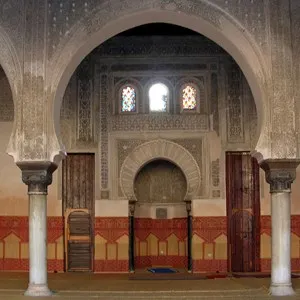
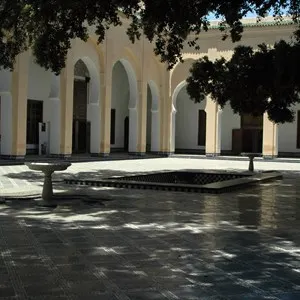
A stay of 2 to 3 days in Fez is ideal to explore its main attractions. This allows you ample time to visit the UNESCO-listed medina, the Al Quaraouiyine University, and the Bou Inania Madrasa, as well as to enjoy a day trip to the nearby Roman ruins of Volubilis.
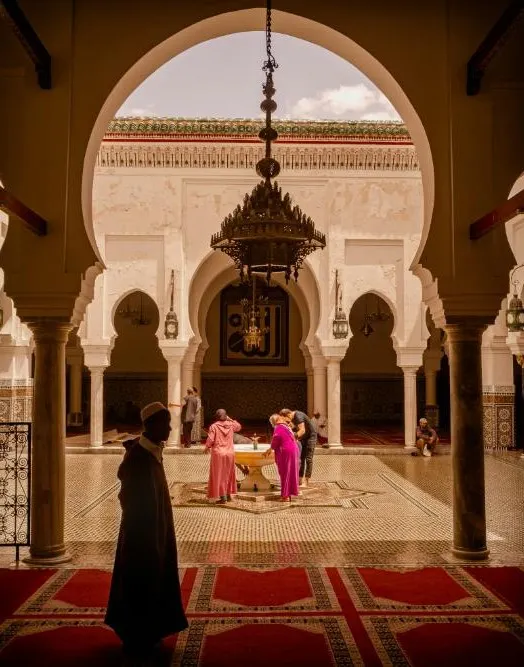
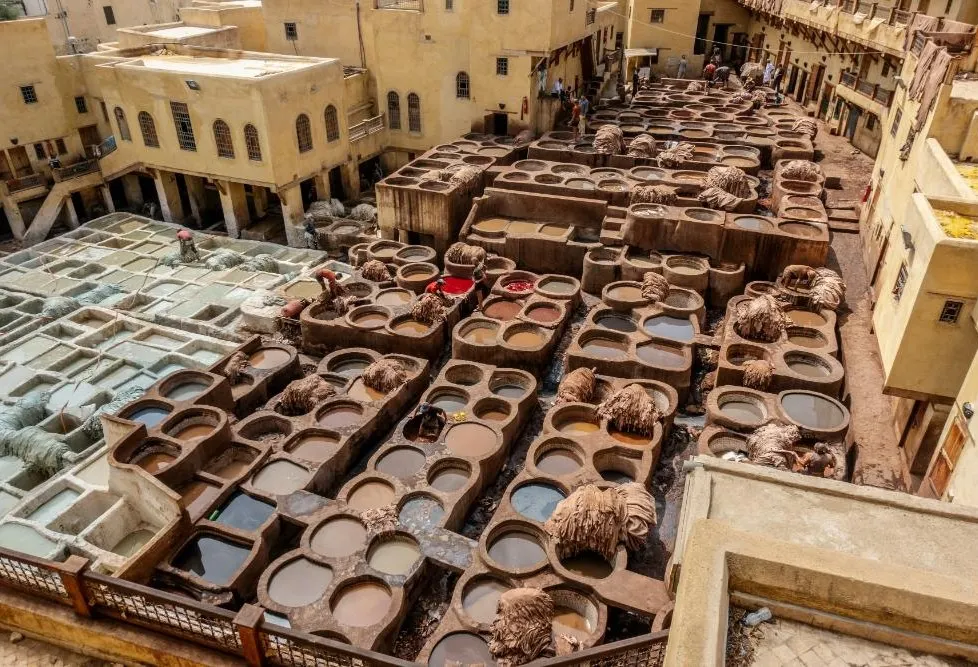
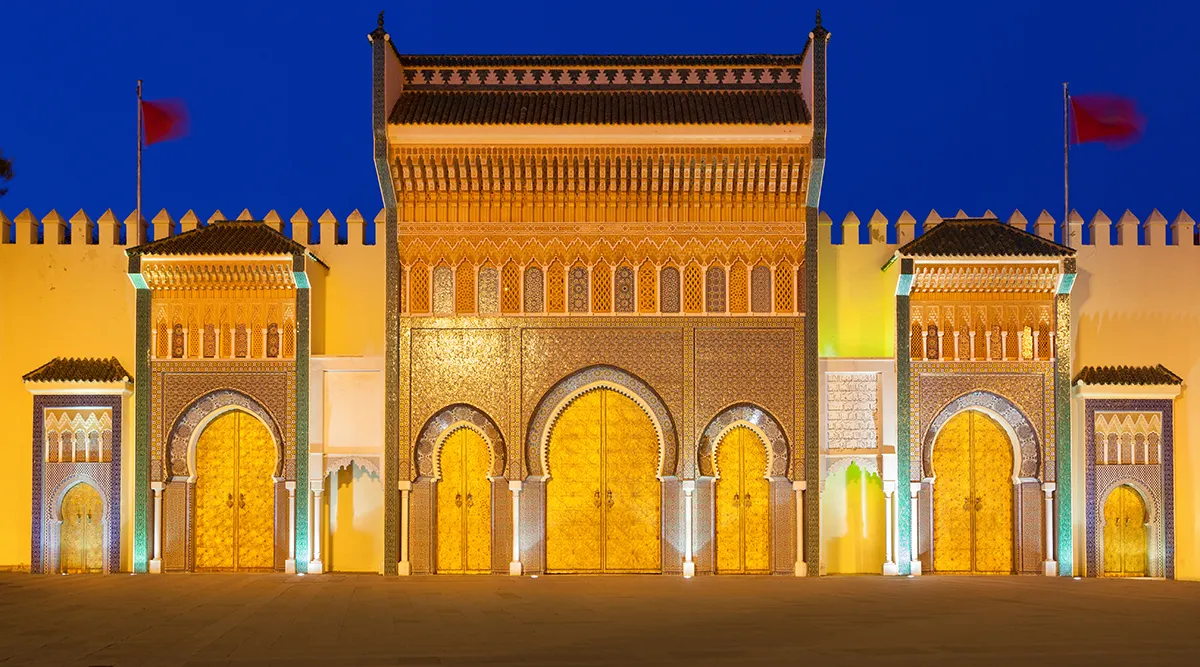
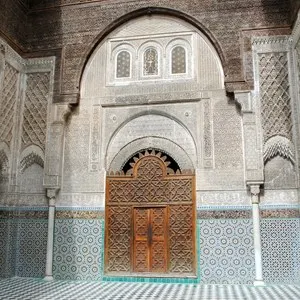
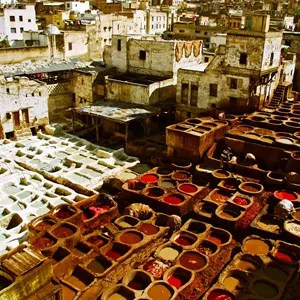
Fez is renowned for its historic medina, a UNESCO World Heritage site. Key attractions include the Al Quaraouiyine University, the Bou Inania Madrasa, and the Chouara Tannery. Don't miss the Royal Palace and the Mellah, the old Jewish quarter, for a glimpse into the city's diverse history.
The best way to explore Fez is on foot, especially within the medina, where cars are not allowed. For longer distances, taxis are readily available and affordable. Ensure you agree on a fare before starting your journey, as meters are not commonly used.
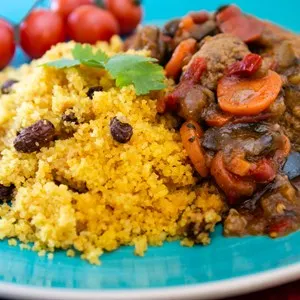
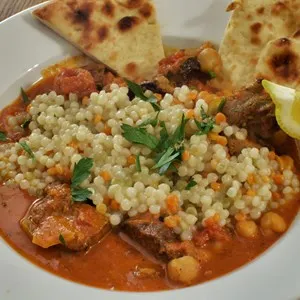
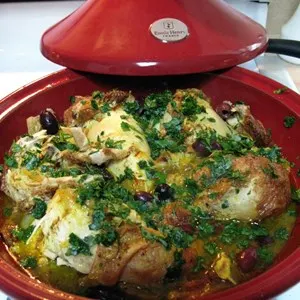
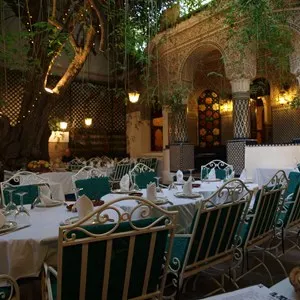
Fez is known for its rich culinary heritage. Be sure to try traditional dishes like pastilla, a sweet and savory pie made with pigeon or chicken, and harira, a hearty soup often served during Ramadan. Don't miss the chance to taste local tagines and couscous dishes as well.
When visiting Fez, dress modestly, especially when exploring the medina and religious sites. It's customary to greet people with a handshake or a nod. Always ask for permission before taking photos of locals, and be respectful of prayer times and spaces.
Fez hosts several vibrant festivals, including the Fez Festival of World Sacred Music in June, which features performances from international artists. The Moussem of Moulay Idriss II, a religious festival, is another significant event, offering a unique cultural experience.