
Prague Travel & Vacation Guide

Current Weather

Description
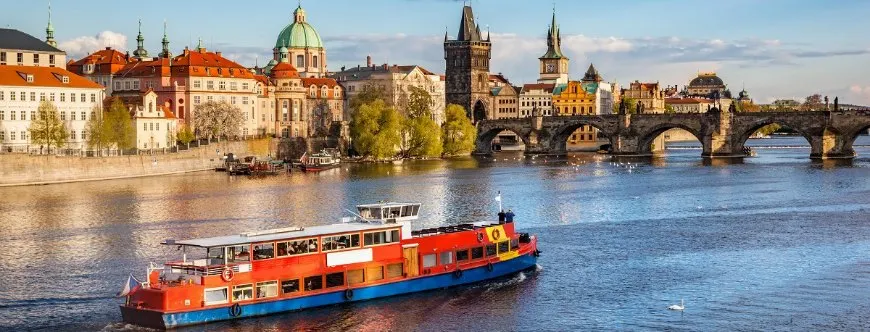
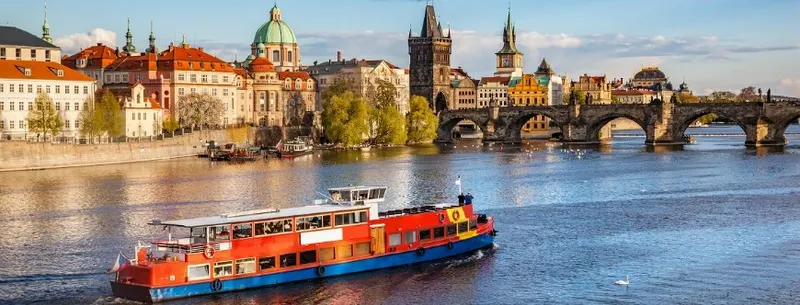
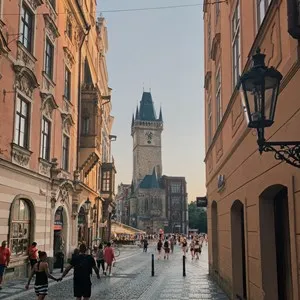
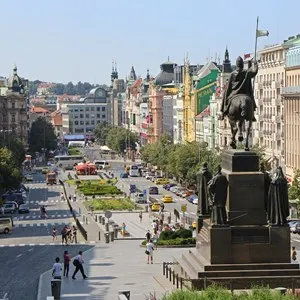
After the ’Velvet Revolution’ in 1989, Prague became an international metropolis with all the usual trappings of the genre, but has also managed to successfully retain its unspoiled local character. The Czech capital is small and compact, with hospody (beer-houses) that offer the world’s best beers stationed on every street corner. The most important areas in the central districts of the city are Staré Město (Old Town), Josefov, Nové Město (New Town), and Malá Strana (Lesser Town). These are best explored on foot. In recent years, the district of Vinohrady (Vineyards) has established itself as the district favoured by Pražani (the Prague inhabitants), and the restaurants and cafes lie closely packed. When you visit Prague, it is worth remembering that not only does the city boast an impressive history, which stretches back many hundreds of years, but it has also fostered prominent architects, artists, and designers of the 20th century. Prague was once the centre of Central European modernism, a fact which today, after a long period of dictatorship, has almost faded into oblivion. In recent years, modernist Czech architecture and interior design have experienced a recovery, and there is nearly always a good exhibition to see.
Useful information
1.36 million (2023)
1 koruna česká (Kč - CZK) = 100 haléřů Comes in banknotes of 100, 200, 500, 1000, 2000 and 5000.
Emergency: 112
Shops are open Monday to Saturday from 7/8am to 8/10pm. Many shops close on Sunday, but the biggest shopping malls and the shops around the tourist areas remain open. Banks open Monday to Friday, 9am to 5pm.
Do & See



Dining







Cafés








Bars & Nightlife







Shopping

Tourist Information






Frequently Asked Questions
The best time to visit Prague is during the spring (April to June) and fall (September to October) when the weather is mild and the city is less crowded. These seasons offer a pleasant climate for exploring the city's historic sites and enjoying outdoor activities.
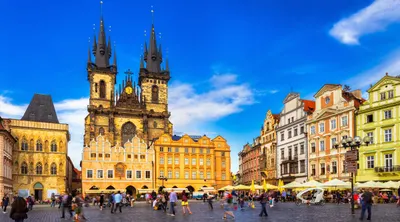
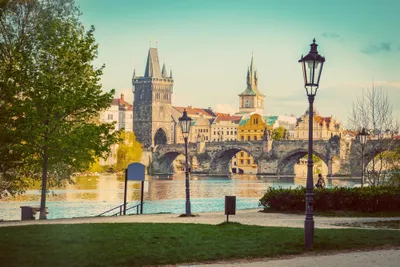
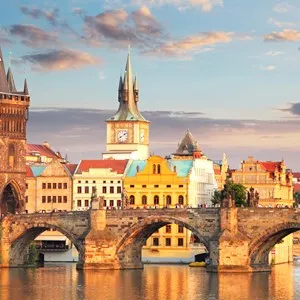
A stay of 3 to 4 days in Prague is ideal to explore the main attractions. This allows you to visit iconic sites such as Prague Castle, Charles Bridge, Old Town Square, and the Astronomical Clock, as well as enjoy a leisurely stroll through the charming neighborhoods.
Prague is home to several must-see landmarks including: - Prague Castle: A historic complex with stunning views of the city. - Charles Bridge: A picturesque medieval bridge lined with statues. - Old Town Square: Famous for its Astronomical Clock and vibrant atmosphere. - St. Vitus Cathedral: A Gothic masterpiece located within Prague Castle. - The Jewish Quarter: Rich in history with preserved synagogues and a cemetery.
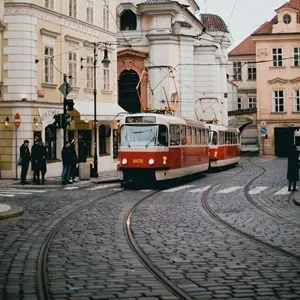
Prague has an efficient and affordable public transportation system that includes trams, buses, and the metro. The city is also very walkable, especially in the historic center. Consider purchasing a Prague Card for unlimited travel and discounts on attractions.
Prague offers a variety of traditional Czech dishes to try, including: - Svíčková: Marinated beef with creamy sauce and dumplings. - Trdelník: A sweet pastry rolled in sugar and nuts. - Goulash: A hearty stew often served with bread dumplings. - Pilsner beer: The Czech Republic is famous for its beer, and Prague is the perfect place to enjoy it.
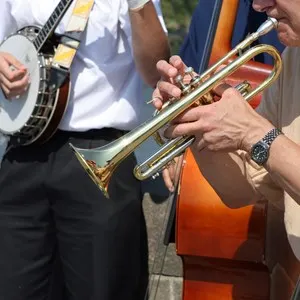
Prague hosts numerous cultural events and festivals throughout the year. The Prague Spring International Music Festival in May is a highlight, showcasing classical music performances. The Christmas markets in December are also a magical experience, with festive stalls and traditional crafts.
There are several worthwhile day trips from Prague, including: - Kutná Hora: Known for the Sedlec Ossuary, a chapel decorated with human bones. - Karlštejn Castle: A stunning Gothic castle set in the countryside. - Český Krumlov: A picturesque town with a beautiful castle and medieval architecture.