
Details for Athens
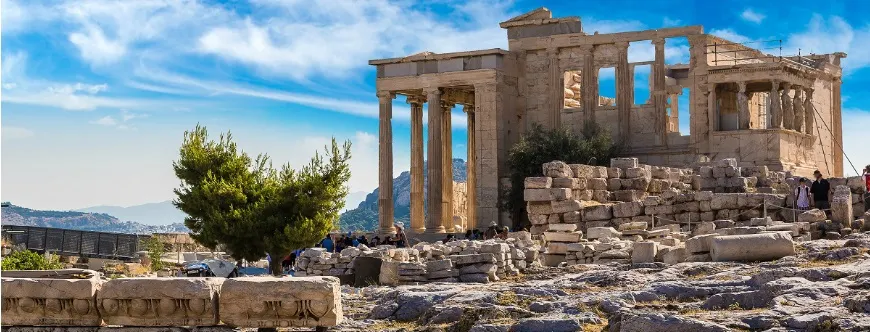


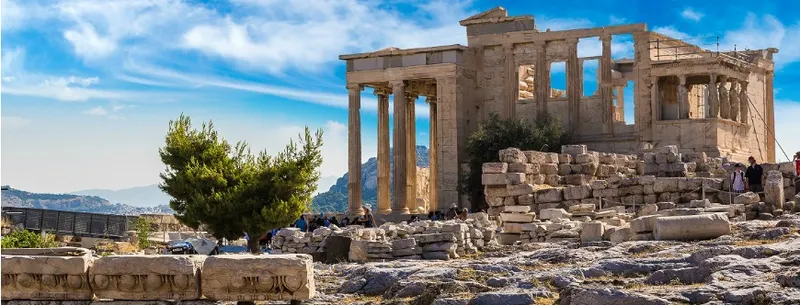
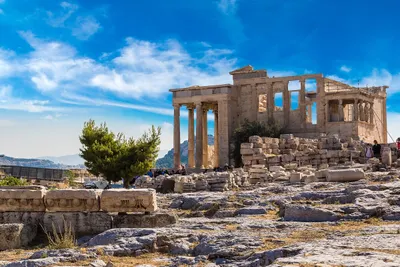
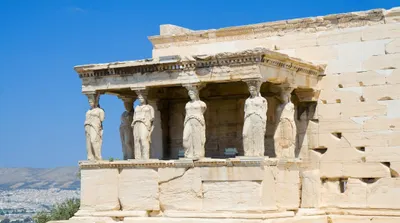
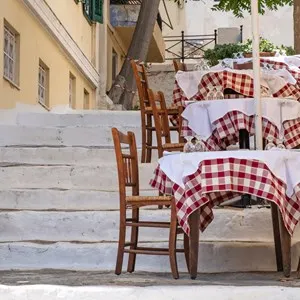
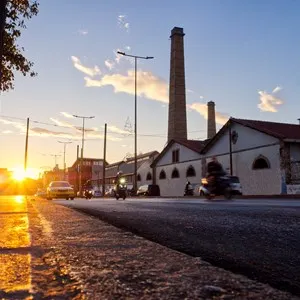
Athens’ heyday was around 400 years BC, that’s when most of the classical monuments were built. During the Byzantine and Turkish periods the city decayed into just an insignificant little village, only to become the capital of the newly-liberated Greece in 1833. Ahead of the 2004 Olympics, almost the entire infrastructure was transformed: the Metro, trams, new ring roads and viaducts have eased the pressure of heavy traffic. Athens is still a rather messy and chaotic place — it wouldn’t be Athens otherwise — and despite all the improvements, it still retains a great deal of its original charm. The whole coastal stretch from Piraeus to the old Hellenikon airport has been improved with new plantings, viaducts and paths for walking. The Plaka district is becoming more and more popular and it is on the way to catching up with Psyrri, Gazi and Rouf when it comes to restaurants and cafes. Discover the beauties of the Anafiotika district, at the feet of the Acropolis, and visit the ancient village still housed in the midst of the city. In Exarchia, there is a somewhat in-your-face anarchic atmosphere around the Technical University. Meanwhile, Kolonaki is becoming more and more gentrified.
3.155 million (2025)
Euro (EUR, €)
Police: 100
Fire & Rescue: 199
Ambulance: 166
Shops are generally open Monday, Wednesday and Saturdays from 9am to 3pm; Tuesday, Thursday and Friday are siesta days, which means businesses are open from 9am to 2pm and from 5:30pm to 9pm. Most shops are closed on Sundays. Department stores have more regular opening hours: Monday to Saturday from 10am to 9pm.
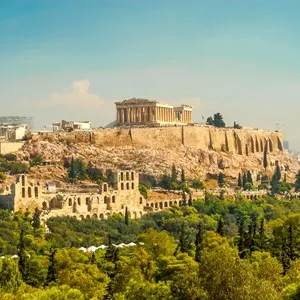
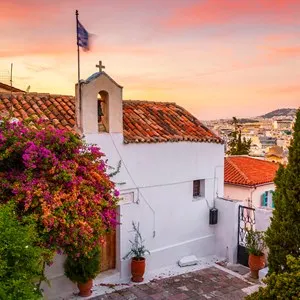
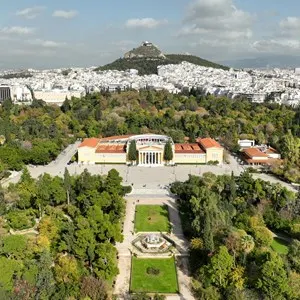
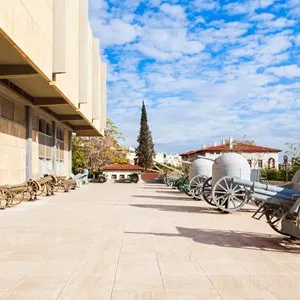
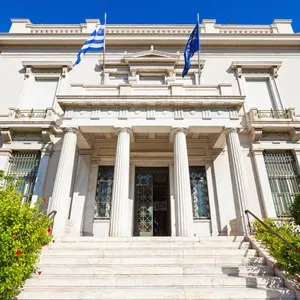
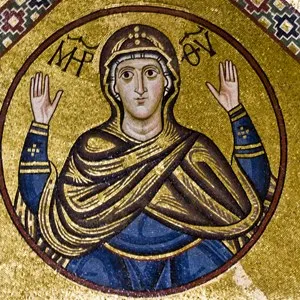




























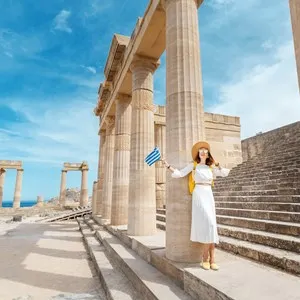





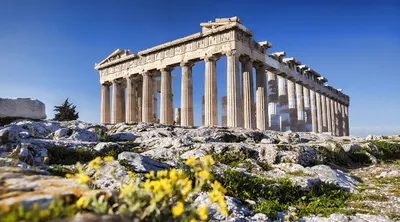
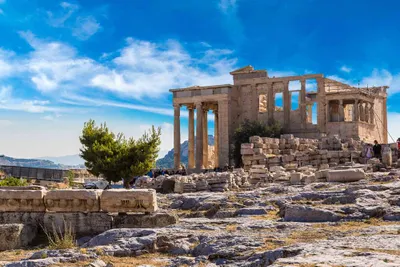
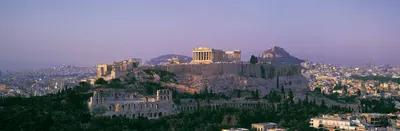
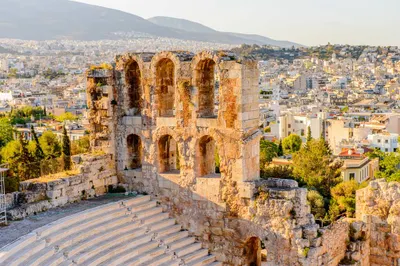
The Acropolis, with its iconic Parthenon, is a must-see in Athens. Other top attractions include the Ancient Agora, the Temple of Olympian Zeus, and the National Archaeological Museum. Don't miss wandering through the historic Plaka neighborhood and enjoying the views from Mount Lycabettus.
The best time to visit Athens is during the spring (April to June) and fall (September to October) when the weather is mild and the tourist crowds are smaller. Summers can be hot and crowded, while winters are cooler and less busy.
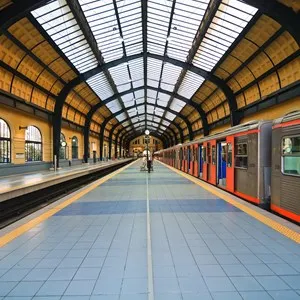
Athens has an efficient public transportation system including buses, trams, and the metro, which is a convenient way to get around the city. Taxis are also widely available and relatively affordable. Many of the main attractions are within walking distance of each other in the city center.
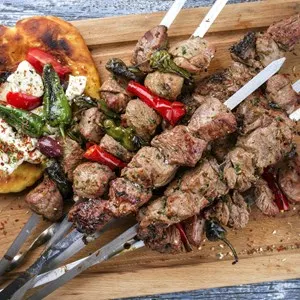
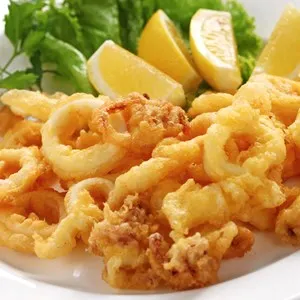
In Athens, try traditional Greek dishes such as moussaka, souvlaki, and gyros. Don't miss out on tasting fresh Greek salads, spanakopita (spinach pie), and local seafood. For dessert, try baklava or loukoumades, honey-soaked doughnuts.
A stay of three to four days in Athens is ideal to explore the main attractions, enjoy the local cuisine, and experience the city's vibrant culture. This allows time for both sightseeing and relaxing in the city's cafes and neighborhoods.
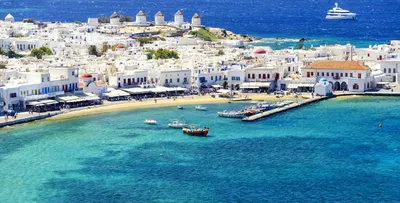
Popular day trips from Athens include visiting the ancient site of Delphi, exploring the Temple of Poseidon at Cape Sounion, and taking a ferry to the nearby islands of Aegina, Hydra, or Poros. These trips offer a glimpse into Greece's rich history and natural beauty.
The Plaka neighborhood is a popular choice for its charming streets and proximity to major attractions like the Acropolis. Syntagma and Monastiraki are also great areas to stay, offering easy access to public transport, shopping, and dining options.