

Details for Greece











































U.S. citizens can enter Greece for tourism or business purposes without a visa for stays of up to 90 days within a 180-day period. A valid passport is required, and it must be valid for at least three months beyond your planned departure date from the Schengen Area. Always check the latest travel advisories and entry requirements before your trip.
The currency used in Greece is the Euro (EUR). Credit cards are widely accepted in cities and tourist areas, but it's advisable to carry some cash for smaller establishments, markets, or rural areas where card payment might not be available. ATMs are readily accessible, and tipping is appreciated but not obligatory.
The best time to visit Greece is during the shoulder seasons of spring (April to June) and fall (September to October). During these months, the weather is pleasant, and popular sites are less crowded. Summer (July and August) is peak tourist season, with hot weather and busy attractions, while winter (November to March) is quieter but cooler, with some attractions operating on reduced hours.
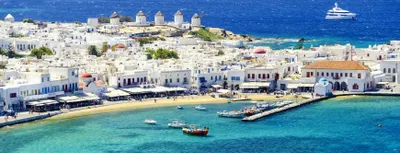
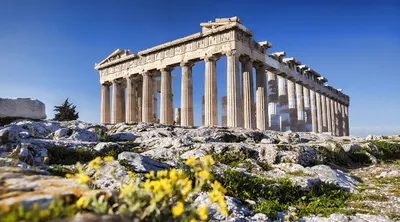
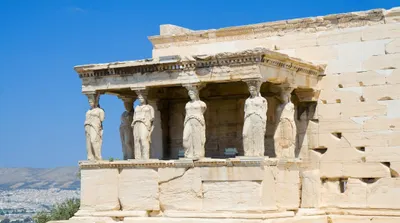
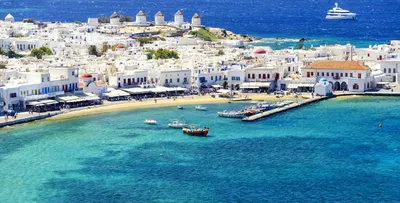
Greece offers a wealth of must-see destinations, including the ancient ruins of Athens, the stunning beaches of Mykonos and Santorini, and the historical sites of Delphi and Olympia. The monasteries of Meteora, perched atop towering rock formations, and the charming old town of Rhodes are also highly recommended. Each location offers a unique glimpse into Greece's rich history and culture.
Traveling around Greece can be efficiently done by a combination of domestic flights, ferries, and buses. For island hopping, ferries are a scenic and popular choice, with frequent services between major islands. In mainland Greece, renting a car offers flexibility to explore at your own pace, while buses and trains connect major cities and towns. Domestic flights are convenient for covering longer distances quickly.
Greek cuisine is renowned for its fresh ingredients and bold flavors. Be sure to try moussaka (a baked dish with eggplant and meat), souvlaki (grilled meat skewers), and spanakopita (spinach and feta pastry). Seafood is abundant, especially on the islands, and traditional desserts like baklava (a sweet pastry with nuts and honey) are a must-try. Pair your meals with local wines or ouzo, an anise-flavored spirit.
Greece hosts numerous cultural events and festivals throughout the year. The Athens and Epidaurus Festival, held from June to August, features performances of ancient Greek drama and contemporary productions. The Carnival season, known as Apokries, offers vibrant parades and celebrations. Easter is a significant event, celebrated with traditional customs and feasts. Each region has its own local festivals, providing a glimpse into Greece's diverse cultural heritage.