
:no_upscale()/LocalImage/Destinations/636069677034320627.jpg)


:no_upscale()/LocalImage/Destinations/636069677034320627.jpg)


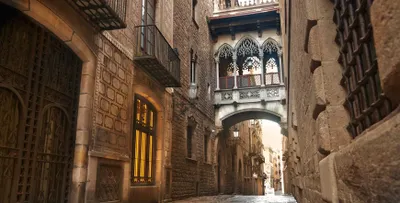
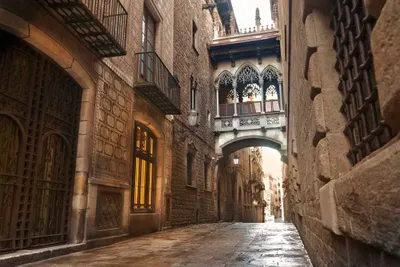
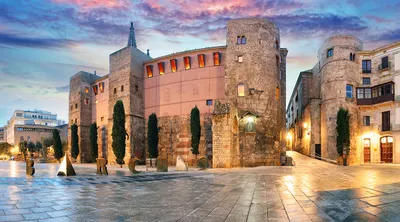
Like many cities in the Mediterranean, Barcelona has ancient Roman roots. The original settlement, Barcino, was a small but strategic port located where the city's cathedral now stands. Unlike today’s bustling metropolis, Barcino was overshadowed by Tarragona, the provincial capital of Roman Hispania. Over the centuries, Barcelona saw invasions by Visigoths and Moors, though their lasting impact was minor compared to the transformative influence of the Franks in the late 9th century. This marked the emergence of Barcelona – and Catalonia – as a distinct entity, setting it apart from the rest of Spain. This uniqueness is most evident in the language. While Spanish (or Castilian) features many Arabic loanwords, Catalan reflects its ties to neighbouring Romance languages like French and Occitan. Catalan is not a dialect of Spanish but a language with its own identity, spoken proudly across Catalonia. Barcelona’s layered history is visible throughout the city. The oldest areas are clustered by the sea, including the Gothic Quarter (Barri Gòtic), a maze of medieval streets with Roman foundations. Across the famous boulevard La Rambla lies El Raval, a neighbourhood once infamous for its red-light district and the city's 'Chinatown' (Barrio Chino). In the 1980s, Raval began shedding its rough reputation and is now a hub for trendy cafés, art galleries, and eclectic culture. Further north, the Eixample district showcases Barcelona’s 19th-century urban expansion, with its strict grid, airy boulevards, and modernist architecture, including Gaudí’s unmistakable landmarks. From narrow alleys to wide avenues, the city moves between centuries effortlessly, its streets, buildings, and plazas carrying traces of the past while buzzing with contemporary life.
The city: 1.7 million (2025) Metro area: 5.7 million (2025)
Euro (€, EUR)
Emergency call: 112

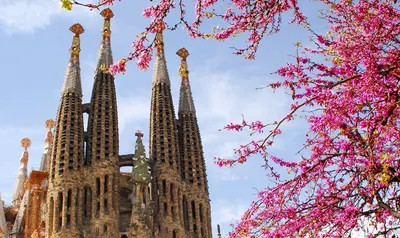
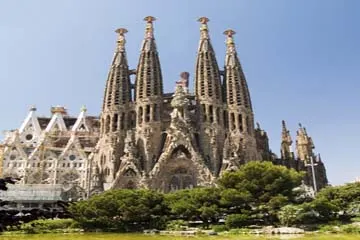
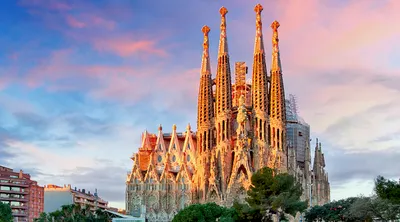
Antoni Gaudí's ambitious project remains, as of today, unfinished, which by no means takes away its massive popularity, receiving over 4.5 million visitors every year. The Basílica de la Sagrada Família, or simply La Sagrada Família, is a large unfinished Roman Catholic minor basilica, considered the best example of Modernist architecture. Meticulously crafted to embody the Christian faith through composition, sculpture, and individualistic, offbeat design, this masterpiece is the kind of attraction that has to be experienced to be believed.

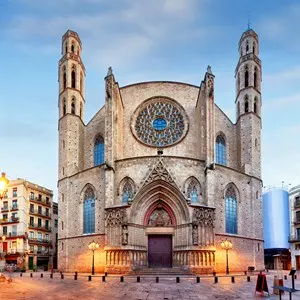
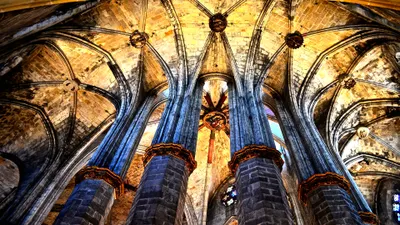
The Basilica de Santa Maria del Mar is one of Barcelona’s most stunning churches and a prime example of Catalan Gothic architecture. Its design showcases a cleaner, more restrained style compared to the elaborate ornamentation typically associated with Gothic structures. Construction began in 1329 and was completed in 1383 — an impressive feat for such a monumental project. Inside, the basilica feels remarkably spacious and airy, with its three naves of equal height supported by towering, slender pillars. The sparse decoration of the chapels enhances this sense of openness. Natural light filters through the magnificent rose window on the main façade and the vibrant stained glass windows, bathing the interior in a serene glow.

Once Gaudí got his hands on this previously unremarkable building in Passeig de Gràcia, it was never to be simply passed by again. Fascinatingly idiosyncratic and almost beast-like on the outside, it continues to amaze from within, with twisted lines and elements that could only be thought up by the genius of Gaudí.

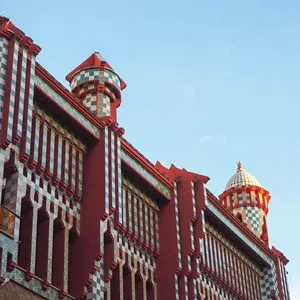
Casa Vicens, the first house designed by Antoni Gaudí, is one of his earliest masterpieces and the latest to open its doors to the public. Built between 1883 and 1885 as a summer residence, it showcases the unmistakable beginnings of Gaudí’s creative genius. Located in the Gràcia district, this UNESCO World Heritage Site combines elements of nature into a chaotic yet peaceful retreat.

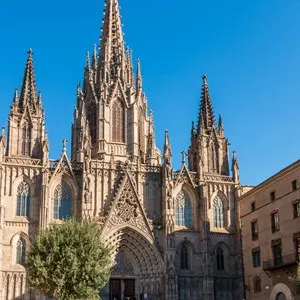
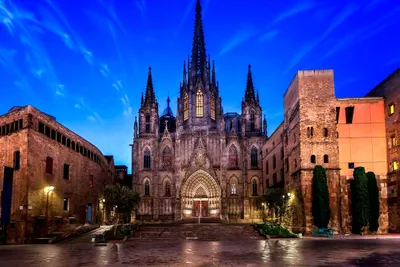
The Cathedral of the Holy Cross and Santa Eulàlia, or simply the Barcelona Cathedral, is the Gothic cathedral and seat of the Archbishop of Barcelona. Its construction began in 1298 on the site of an ancient Roman temple and took more than 150 years to be completed. Located in the centre of the historic Gothic Quarter of Barcelona, the cathedral is dedicated to the martyr Santa Eulàlia – the patron saint of Barcelona – who was tortured to death in late Roman times. Her corpse is buried under the main altar. Be sure to climb to the roof for a nice view of the city, and don't forget to visit the serene and beautiful courtyard, which is occupied by thirteen white geese representing the years of Saint Eulalia's life before she was martyred.

Built between 1906 and 1912, Casa Milà, commonly known as La Pedrera ('The stone quarry'), is a modernist building in Passeig de Gràcia and the last private residence designed by Catalan architect Antoni Gaudí. Its interior is even more striking than its wrought-iron, stone-carved facade, especially the rooms displaying where people actually lived. So get inside Casa Milà to discover another one of Gaudí's unconventional architectural creations.

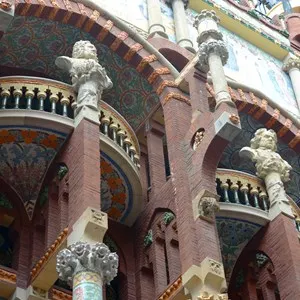
This sublime concert hall, designed by Lluís Domènech i Montaner and built between 1905 and 1908, is not quite as wacky as some of Gaudí's architecture, but it's still equally impressive.

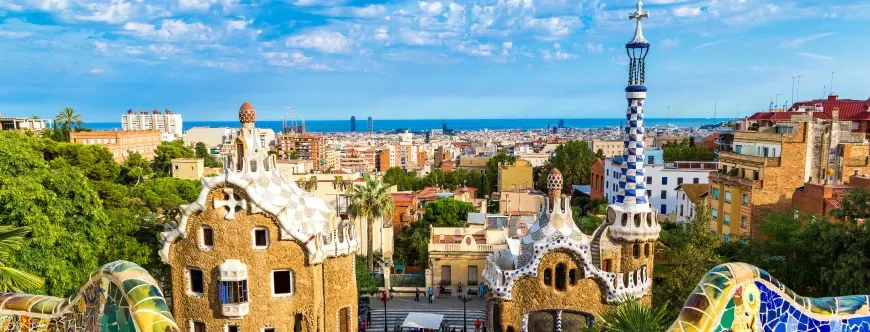
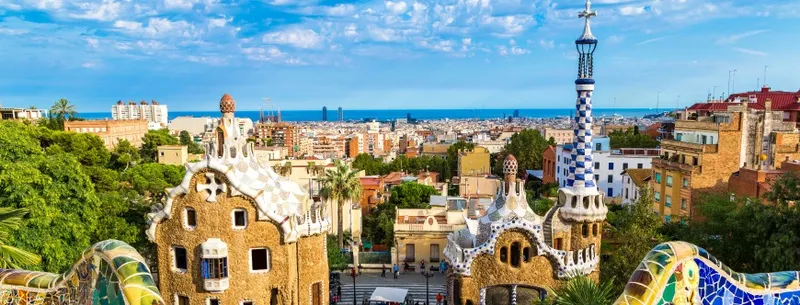
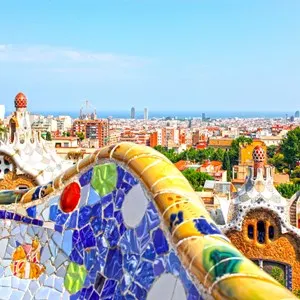
Park Güell is one of Barcelona’s most iconic landmarks and a masterpiece of Antoni Gaudí’s creative vision. Perched on a hill in the Gràcia district, this enchanting park offers sweeping views of the city alongside whimsical architectural designs. Originally conceived as a residential project, the park is now a UNESCO World Heritage Site and showcases Gaudí's signature style, with colourful mosaics, curving structures, and imaginative sculptures. From the famous lizard at the entrance to the serpentine bench of the Terrace, every corner of Park Güell is a testament to Gaudí’s ingenuity and a must-visit for any traveller.

Hop on the Barcelona City Tour Bus and discover all the highlights that make this Mediterranean city so special. From the modernist buildings to the Olympic City and the Mediterranean Sea: it's all Barcelona. The air-conditioned double-decker open coaches travel all around the city, stopping at the most famous attractions, including the Sagrada Familia and the Arc de Triomf. There is a multilingual audio guide system and individual headphones, as well as free Wi-Fi onboard. Hop on or off wherever you choose from one route to another. Because it can be very busy at the ticket offices, buy your ticket online now and hop on at the location of your choice.

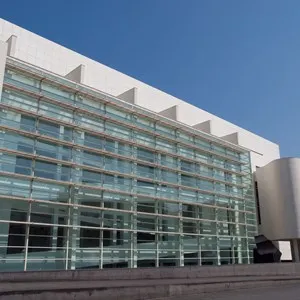
Escape the hustle and bustle of Barcelona with a visit to the Museu d’Art Contemporani de Barcelona (MACBA), a hub of contemporary art located in the El Raval neighbourhood. The museum showcases an impressive collection of Spanish and Catalan works from the mid-20th century onward. It also features an array of international pieces, with rotating exhibitions that bring fresh perspectives to its permanent collection.

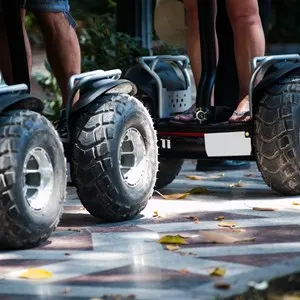
Are you ready for an adventure to remember for a lifetime? Then jump on a private Segway tour of Barcelona and explore the beautiful city in style. Never tried a Segway? Don't worry, it is as safe and easy as walking.

Located within the picturesque Parc de la Ciutadella, the Barcelona Zoo is home to approximately 2,000 animals representing over 300 species. Families can enjoy observing a diverse range of animals, including lions, leopards, hippopotami, red pandas, and gorillas. The zoo also features a terrarium with one of Europe's largest collections of reptiles and amphibians, an aviary housing numerous bird species, and the Palmeral, which consists of thirteen aviaries with different species of macaws and cockatoos.

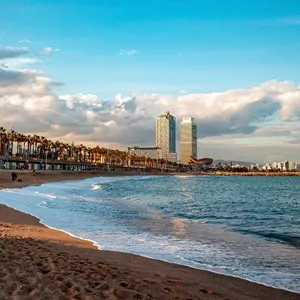
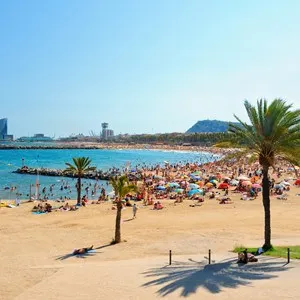
Barcelona has several beaches within easy reach, each with its own vibe. Mar Bella and Bogatell sit just minutes apart. Mar Bella is naturist and gay-friendly, while Bogatell draws volleyball players and sunbathers. Both are close to trendy bars and restaurants. The most famous one is Barceloneta, stretching roughly 1.1 km from the W Hotel to Port Olímpic. It's popular with locals and tourists alike, especially after work. Cyclists, joggers, and inline skaters love its promenade. For a quieter scene, Nova Icària offers calm waters and family-friendly facilities, while Ocata Beach in El Masnou, a 20-minute train ride north, provides expansive sands and a peaceful escape from the city.

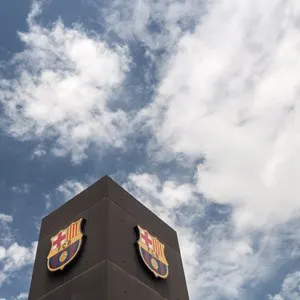
FC Barcelona is much more than just a football club. Sometimes it feels as if it carries the whole nation's pride on its shoulders. Even those not interested in football will enjoy a visit to the grandiose Camp Nou, the largest stadium in Europe, with a seating capacity of 99,354 spectators. Follow in the footsteps of football legends from the past and present by taking a tour of the stadium and then visiting the FC Barcelona Museum to learn all about the club's history, see its trophy collection, the press room, the presidential box, and the locker room.

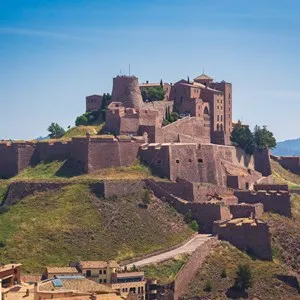
Cardona, a charming medieval village just an hour from Barcelona, is steeped in history and natural beauty. A highlight of any visit is the iconic Salt Mountain, a one-of-a-kind geological formation that offers guided tours into its shimmering salt caves. The imposing Castell de Cardona, perched on a hill, once served as the residence of the influential Cardona family, among Catalonia’s wealthiest lineages. Today, the castle houses a parador (luxury hotel) and offers breathtaking views of the surrounding countryside. Don’t miss exploring the Medieval Centre, where cobbled streets and historic buildings will transport you back in time.

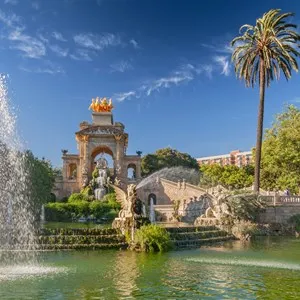
Parc de la Ciutadella, Barcelona's green lung, is not only the most central park in the city but also a park that includes a zoo, a lake, a large fountain, and a couple of museums. In the centre of the park, you will even find the building where the Catalan Parliament is seated. So take a walk, have a picnic, and enjoy this very lusciously green and well-maintained park.

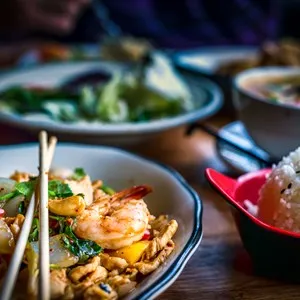
Unpretentious Asian restaurant specialised in Thai cuisine offering curries, stir-fries, plus Singha beer in a cosy atmosphere in the heart of the Gràcia neighbourhood.

Tucked away on a small side street, Blavis offers a truly unique culinary experience in an intimate and cosy atmosphere. The owners, Paco and Marc, are an attentive and warm duo. Together, they offer simple yet mouthwatering tapas dishes with Italian and Japanese influences. The place is, indeed, small and seats only 18 people, so booking in advance is highly recommended.

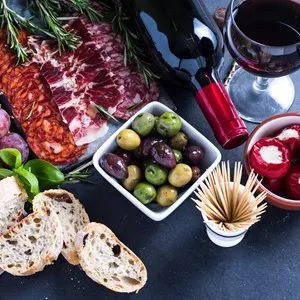
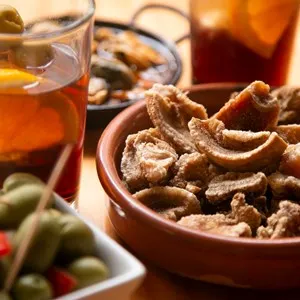
Bodega Biarritz 1881 is a cosy little tapas bar located near the famous La Rambla. Make sure to pick a wide variety of different tapas from the menu to get a comprehensive overview of the Spanish specialty. To round up your menu, enjoy one of the available Spanish, Basque, or Catalan wines with your dish.

Famed for its exquisite and varied cocktails, great selection of tapas, and wooden decor that gives the place a homey feeling, Café Salambó attracts a young and vibrant crowd, many of whom stop by for a snack and a bite to eat before or after a visit to the nearby Verdi Park cinema.

A long-time favourite in El Born, Cal Pep is known for its lively counter and seafood-driven tapas. There’s no printed menu, just point, ask, and let the team guide you through whatever came in fresh that day. The place still draws a line, especially for the bar seats, so going early helps. Founded by Josep “Pep” Manubens, the restaurant is now run by his team, and the spirit of the original spot remains firmly in place.

Carlota Akaneya brings the essence of Kyoto to Barcelona as the city’s first sumibiyaki restaurant. Each table is fitted with a central charcoal grill, allowing diners to cook premium cuts of wagyu and Kobe beef, as well as fresh seafood and vegetables, right at their seats. The industrial-chic décor and intimate lighting create a warm, stylish setting that enhances the authentic Japanese dining experience.

Three friends brought their shared passion for food to life at Cera 23, located in the El Raval neighbourhood. The menu covers seafood, meat and vegetables, but one dish steals the show: the black-rice “volcano", which consists of black rice stacked like a mountain, saffron-“lava” flowing over seafood and dried tuna flakes crackling on top.

Disfrutar delivers an avant-garde culinary adventure in Barcelona with two standout tasting menus: the Disfrutar Classic, featuring signature staples, and the Disfrutar Festival, highlighting seasonal innovations. The sleek, modern interior exudes understated elegance, setting the stage for the creative dishes to shine. With its reputation as one of the city’s most sought-after dining spots, reservations are essential.

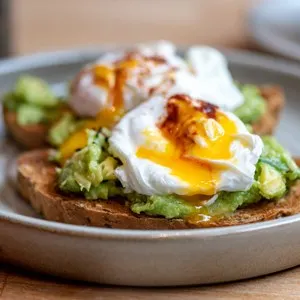
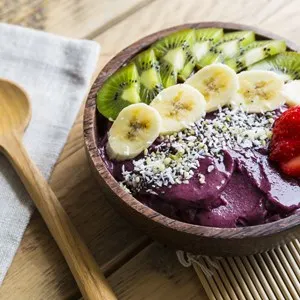
Bloome by Sasha is all about fresh, feel-good food. The menu is packed with items like avocado toast, colourful salads, and smoothie bowls piled high with fruit. They also do great coffee and fresh juices if you need a pick-me-up. The space itself is light and airy, with minimalist décor and plants everywhere, giving it a relaxed, almost Scandinavian feel.

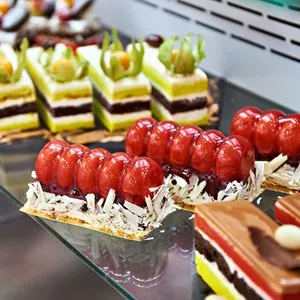
Offering a wealth of cakes and pastries, Caelum aims to satisfy even the most discerning visitors' sweet tooth. The products on offer are made by monks and nuns in various monasteries and convents located around the region, and they can be enjoyed along with a steaming cup of coffee in the small café area of the shop.

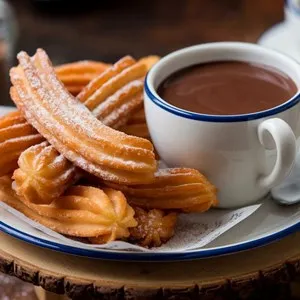
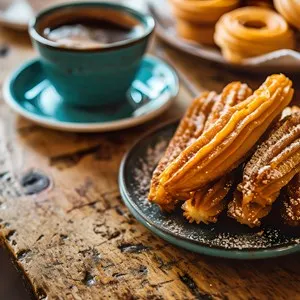
Churrería Laietana is a classic spot in the heart of Barcelona, serving up freshly made churros with a rich, creamy chocolate dip. It’s the perfect place to stop for breakfast, an afternoon treat, or just a quick break while wandering the city.

Barcelona's traditional cafés are known as 'granjas', and M. Viader may be one of the most famous. Opened in 1870, Granja M. Viader remains, after all these years, a great place to stop by for coffee, traditional desserts, pastries, and sandwiches, as well as to try the traditional cacaolat (a Catalan chocolate drink), always best paired with churros.

Laie Llibreria Cafè is one of those places where you can easily lose track of time. Hidden above a lovely bookstore, the café feels like a retreat in the middle of the city. Shelves of books surround the tables, and there’s a small terrace if you prefer some fresh air. The menu offers coffee, pastries, and simple dishes like pasta and salads.

In the up-and-coming Poblenou district, Little Fern delivers a relaxed brunch with creative flair. The kimchi pancakes stand out, and the avocado toast, smoothie bowls, and vegan options are strong contenders as well. Specialty coffee, fresh juices, and breakfast cocktails round out the lineup. It’s a popular spot, so expect a short wait if you arrive at peak time.

Tucked in El Poble Sec, Molinet Cafè Antic offers a menu spanning breakfast, brunch, and lunch, with notable dishes like their fluffy homemade pancakes and a tempting selection of cakes to be enjoyed in a quaint space filled with vintage furniture and décor.

Established in 1933, Boadas is Barcelona's oldest cocktail bar, located just off La Rambla. Bartenders, dressed in tuxedos, craft classic cocktails like the Martini and the house-special Boadas in an intimate setting featuring wood-panelled walls adorned with vintage photographs and memorabilia.

Can Paixano, best known as La Xampanyeria, is a traditional bar in the heart of the Barceloneta neighbourhood, famous for its cava – a typical Catalonian sweet sparkling wine – best enjoyed with a side of tapas and bocadillos (sandwiches). La Xampanyeria is quite a popular bar among travellers and locals, so it is continuously packed. Stand wherever you can find space, and don't be afraid to gently push your way through the crowd to place your order.

Discover a world of entertainment where gastronomy, live music, and gambling are brought to life. Come and taste their Mediterranean, international and fusion cuisines, paired with the best wines and champagnes. Enjoy live concerts and a variety of musical performances and entertainment, which take place in their most innovative gaming rooms.

The location is by far the greatest draw for Carpe Diem, as its fantastic spot right on the beach makes for an enjoyable evening meal and drink. Many come here to start the evening off, and some even stay longer and enjoy the restaurant's transformation into a nightclub later at night.

CocoVail Beer Hall brings a taste of American beer culture to the centre of Barcelona. It’s a big, warehouse-style space with long communal tables where strangers end up sharing stories over pints. With 24 craft beers on tap, there’s always something new to try. The food sticks to proper comfort classics: burgers, wings, and mac ’n’ cheese done right. Come game night, the lights dim a little, the crowd grows louder, and the place turns into a sea of clinking glasses and football chants.

A true hidden gem in the maze of back streets of the El Born district, Dr Stravinsky is a small and unique cocktail bar serving masterfully crafted drinks and bar bites in a cosy and whimsical atmosphere.

Barcelona's premier destination for live jazz, swing, blues, and rock music, Harlem Jazz Club brings the feel of the Harlem music scene to the Catalan coast. There are performances almost every night, attracting the best of the local talent as well as visitors from all around the globe.

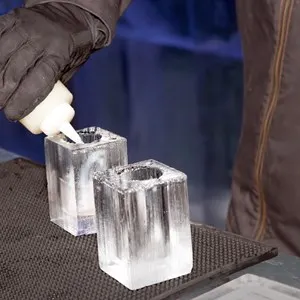
Maintained at a chilled -5ºC, Icebarcelona is the only ice bar in the world located directly on the beach, a nice respite from the oppressive heat of the Barcelona summer. Enjoy cocktails and beers surrounded by ice blocks and ice sculptures in this unique bar.

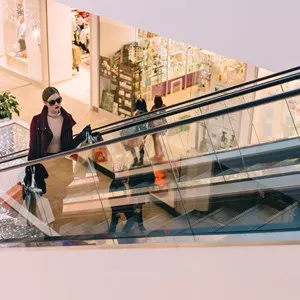
Housed on the site of a former bullfighting ring near Montjuïc, Arenas de Barcelona is a beautiful shopping complex boasting plenty of shops, eateries, a cinema, a large supermarket, and best of all, a 360 rooftop view of the city.

Avinguda del Portal de l'Àngel is a crowded, pedestrian-only avenue in the heart of Barcelona, known as one of the best addresses for shopping in the city. Throughout this long avenue, which stretches from the always busy Plaça Catalunya to the historic Gothic Quarter, you'll find plenty of global retailers such as Bershka, Pull & Bear, and H&M, as well as another El Corte Inglés, Zara, Disney Store, and a handful of souvenir shops.

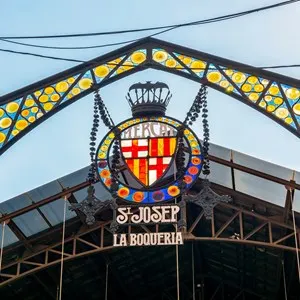
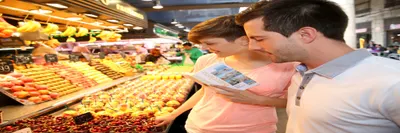
Visiting the Mercat de Sant Josep de la Boqueria, or simply La Boqueria, is a rite of passage for every traveller in Barcelona. Located halfway down La Rambla, this historic, colourful market bursts with fresh fruits, vegetables, nuts, sweets, and local delicacies. It’s also a favourite spot for a quick lunch, a snack, or a refreshing glass of cava.

Spain's department store colossus is both loved and hated, but it successfully performs the main task of a department store, which is to offer most things to most people. Designer fashions, their own low and medium-priced lines, enormous perfumery and make-up departments, accessories, toys, souvenirs, food and delicatessen, house decor, books, and a range of services can be found here. The largest El Corte Inglés in Barcelona is situated in Plaça Catalunya.

Grey Street is a cute little shop offering a well-curated selection of one-of-a-kind and quirky gifts, such as ceramics, illustrations, and jewellery from local artists and a few international ones, right in the heart of the Raval neighbourhood.

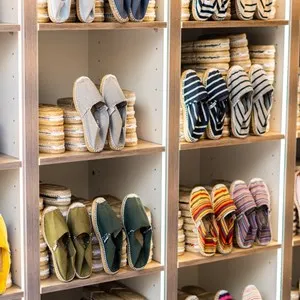
If you're visiting Barcelona during the summer, you'll probably notice some locals walking around the city wearing a pair of espadrilles – sandals typical of Catalonia, which are handmade in cotton canvas, with a sole of jute rope and long cotton laces. And if you're thinking about getting a pair for yourself or someone back home, the best place to buy them is at La Manual Alpargatera, a long-running workshop selling these traditional and quite comfortable summer shoes in every colour and several styles.

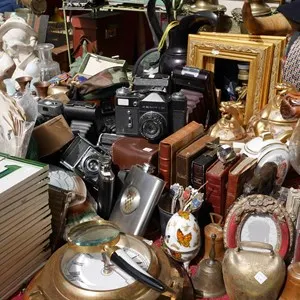
Mercat dels Encants, also called Encants Vells or Mercat de Bellcaire, is one of Europe’s oldest flea markets, tracing its roots back to the 14th century. Situated near the iconic Agbar Tower, its distinctive mirrored roof shelters a sprawling array of treasures. The market offers an eclectic mix of goods, from books, jewellery, and clothing to furniture, art, and quirky knick-knacks. It’s a haven for bargain hunters and vintage lovers alike. Arriving early is key to snagging the best finds before the crowds descend.

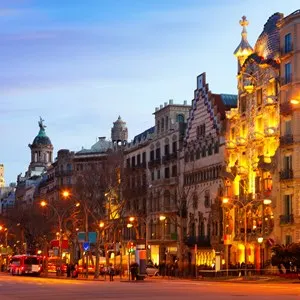
If you're looking for some serious fashion shopping, then make your way to Passeig de Gràcia, the parallel street, Rambla de Catalunya, and the surrounding district. You'll find all the big international fashion names here, including Spanish greats like Adolfo Domínguez, Armand Basi, Groc, and the leather specialist Loewe. More affordable alternatives such as Zara, Mango, and Massimo Dutti are also represented here. You can also find a good selection of trend-conscious designer fashions at Noténom.

The best time to visit Barcelona is during the spring (April to June) or autumn (September to early November). The weather is pleasantly warm, typically ranging from 17°C to 25°C, perfect for exploring the city's attractions like the Sagrada Família and Park Güell or enjoying the beach without the summer crowds. Spring ushers in the city's vibrant festival season, with highlights like La Feria de Abril de Catalunya, a lively Andalusian fair, and the Sant Jordi Festival in April, celebrating books and roses. In autumn, the La Mercè Festival in late September steals the spotlight with parades, concerts, and fireworks.

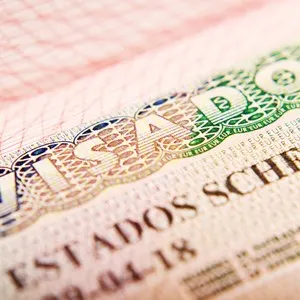
Citizens of the European Union (EU) and the European Economic Area (EEA) do not need a visa to enter Spain; only a valid ID is required. Many other countries, including the United Kingdom, United States, Canada, United Arab Emirates, Australia, and New Zealand, benefit from visa-free entry for short stays of up to 90 days within a 180-day period. Visitors from visa-exempt countries must hold a valid passport and, starting in late 2025, will need to apply for an ETIAS (European Travel Information and Authorisation System) authorisation online before travelling. For those requiring a visa, such as travellers from some Middle-East, African, or Asian nations, a Schengen visa must be obtained prior to arrival. All travellers should ensure their passport is valid for at least three months beyond their intended stay.

Girona–Costa Brava Airport is located approximately 90 kilometres northeast of Barcelona, translating to a journey of about 1 hour by car. Travellers can reach Barcelona via a direct bus service operated by Sagalés, which departs from the airport and arrives at Barcelona's Estació d'Autobusos Nord in approximately 75 minutes. Buses run every three to four hours, with schedules coordinated with flight arrivals. Alternatively, taxis are available at the airport, though this option is more costly.

Josep Tarradellas Barcelona-El Prat Airport is situated approximately 14 kilometres southwest of Barcelona's city centre, a journey that typically takes around 30 minutes, depending on the chosen mode of transport and traffic conditions. Travellers have several options to reach the city: The Aerobús provides a direct shuttle service from both Terminal 1 and Terminal 2 to central locations like Plaça Catalunya and Plaça Espanya, with departures every 5 to 20 minutes. Alternatively, the R2 Nord train line connects Terminal 2 to key city stations such as Barcelona-Sants and Passeig de Gràcia in about 20 minutes. For those preferring underground travel, Metro Line L9 Sud serves both terminals, though reaching central areas requires transfers and may take up to 50 minutes. Public buses, including Line 46, offer economical routes to the city, albeit with longer travel times. Taxis are readily available at designated ranks outside the arrival areas of each terminal. Additionally, ride-hailing services like Uber operate at the airport, with pick-up points in specified parking areas.

Public transport in Barcelona is extensive, efficient, and one of the best ways for tourists to explore the city. The network includes buses, trams, and the subway (known locally as the Metro), all operated by Transports Metropolitans de Barcelona (TMB). The Metro is particularly useful for quickly getting around key areas of the city, including popular attractions, while buses cover areas the Metro doesn't reach. Trams are an excellent option for travelling along the waterfront and in some suburban areas. For tourists, the T10 ticket is a convenient and cost-effective option, offering ten single journeys on the Metro, buses, and trams. Additionally, the Barcelona Card provides unlimited travel on public transport, including discounts on various attractions, making it ideal for longer stays or those planning to visit several sites. For information on fares, routes, and timetables, visit the TMB's official website.

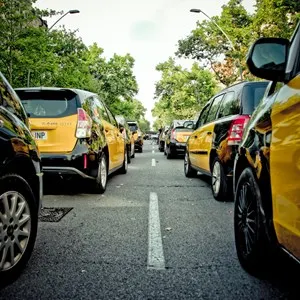
Taxis in Barcelona are easy to find and can be hailed on the street or picked up at designated taxi ranks throughout the city. The iconic yellow and black taxis are a familiar sight and are equipped with a meter, so fares are regulated. In addition to traditional taxis, ride-sharing apps like Cabify, Bolt, and Uber operate in the city, offering a convenient alternative to taxis.

Spain’s power grid operates at 230 volts with a frequency of 50 Hz, using Type F (Schuko plug) and Type C (Europlug) outlets. Both types accept plugs with two round prongs, common across continental Europe.

- Is Barcelona a safe city? Yes. Although Barcelona is a big city – the second-largest in Spain and a top tourist destination in the country – it is still considered a fairly safe place for tourists. However, as with most popular tourist destinations, such as Paris, pickpockets and bag thieves are the biggest concerns here. So be careful when walking around and taking pictures near major tourist attractions, such as La Rambla, Plaça Catalunya, and La Sagrada Familia. - What is Barcelona famous for? Barcelona is famous for its remarkable architecture, gold-sand beaches, vibrant nightlife, world-class cuisine, and, of course, its local football team, commonly known as Barça. - Is Barcelona expensive? Yes, Barcelona is quite expensive to visit but still more affordable when compared to other European destinations, such as Paris, London, and Rome. - How many days do you need for Barcelona? First-time travellers should try and plan around 4-5 days – enough time to visit the city's main attractions, explore its characterful neighbourhoods and still have time to kick back and relax at the beach.
The best time to visit Barcelona is during the spring (April to June) or fall (September to October) when the weather is pleasant, and the city is less crowded.
Must-see attractions in Barcelona include the Sagrada Família, Park Güell, La Rambla, the Gothic Quarter, and the Picasso Museum.
Spending three to four days in Barcelona is ideal to explore the main sights, enjoy the local cuisine, and soak in the vibrant culture.
In Barcelona, try traditional dishes like paella, escalivada, esqueixada, and crema catalana, as well as tapas such as patatas bravas and pan con tomate.
The best way to get around Barcelona is by using the efficient public transportation system, including the metro, buses, and trams, or by walking in the city center.
Popular neighborhoods to stay in Barcelona include the Gothic Quarter for its historic charm, Eixample for its architecture, and Gràcia for its bohemian vibe.
Yes, consider day trips to Montserrat for its stunning monastery, Sitges for its beaches, or Girona for its medieval architecture and history.
:no_upscale()/LocalImage/Vacation_Packages/81/Taste_of_Barcelona_6.jpg)
:no_upscale()/LocalImage/Vacation_Packages/723/Iberian_Triangle_Spain_Multi_City_Vacation_2.jpg)
:no_upscale()/LocalImage/PictureLibrary/Europe-Mediterranean/Spain/City%20Shots/Madrid/Royal%20Palace%20Exterior.jpg)
:no_upscale()/LocalImage/PictureLibrary/Europe-Mediterranean/Spain/City%20Shots/Madrid/the%20Prado%20Museum%20Exterior.jpg)
:no_upscale()/LocalImage/Vacation_Packages/2175/Paris_and_Barcelona_Highlights_Multi_City_Vacation_1.jpg)
:no_upscale()/LocalImage/Vacation_Packages/2445/Barcelona_Pre_or_Post_Cruise_Stay_II_1.jpg)
:no_upscale()/LocalImage/Vacation_Packages/3960/Paris_and_Barcelona_Discovery_1.jpg)
:no_upscale()/LocalImage/PictureLibrary/Europe-Mediterranean/Spain/City%20Shots/Barcelona/the%20Gothic%20Cathedral.jpg)
:no_upscale()/LocalImage/PictureLibrary/Europe-Mediterranean/Spain/City%20Shots/Barcelona/Royal%20Basilica.jpg)
:no_upscale()/LocalImage/PictureLibrary/Europe-Mediterranean/Spain/Landmarks/Spain,%20Barcelona,%20Gothic%20Quarter-01.jpg)
:no_upscale()/LocalImage/PictureLibrary/Europe-Mediterranean/Spain/barcelona%20ancient%20roman%20gate%20placa%20noav%20shutterstock_383704999WEB.jpg)
:no_upscale()/LocalImage/PictureLibrary/Europe-Mediterranean/Spain/barcelona%20gaudi%20iStock-1130443789WEB.jpg)
:no_upscale()/LocalImage/PictureLibrary/Europe-Mediterranean/Spain/Family/Barcelona03.jpg)
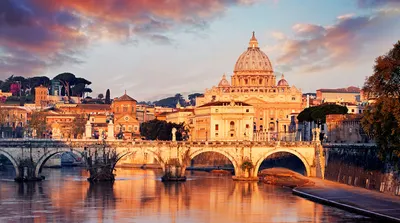
:no_upscale()/LocalImage/PictureLibrary/Europe-Mediterranean/Italy/rome%20vatican%20italy%20sunset%20WEB.jpg)
:no_upscale()/LocalImage/PictureLibrary/Europe-Mediterranean/Spain/barcelona%20gaudi%20iStock-1130443789WEB.jpg)
:no_upscale()/LocalImage/Vacation_Packages/81/Taste_of_Barcelona_6.jpg)
:no_upscale()/LocalImage/Vacation_Packages/723/Iberian_Triangle_Spain_Multi_City_Vacation_2.jpg)
:no_upscale()/LocalImage/PictureLibrary/Europe-Mediterranean/Spain/City%20Shots/Madrid/Royal%20Palace%20Exterior.jpg)
:no_upscale()/LocalImage/PictureLibrary/Europe-Mediterranean/Spain/City%20Shots/Madrid/the%20Prado%20Museum%20Exterior.jpg)
:no_upscale()/LocalImage/Vacation_Packages/2175/Paris_and_Barcelona_Highlights_Multi_City_Vacation_1.jpg)
:no_upscale()/LocalImage/Vacation_Packages/2445/Barcelona_Pre_or_Post_Cruise_Stay_II_1.jpg)
:no_upscale()/LocalImage/Vacation_Packages/3960/Paris_and_Barcelona_Discovery_1.jpg)
:no_upscale()/LocalImage/PictureLibrary/Europe-Mediterranean/Spain/City%20Shots/Barcelona/the%20Gothic%20Cathedral.jpg)
:no_upscale()/LocalImage/PictureLibrary/Europe-Mediterranean/Spain/City%20Shots/Barcelona/Royal%20Basilica.jpg)
:no_upscale()/LocalImage/PictureLibrary/Europe-Mediterranean/Spain/Landmarks/Spain,%20Barcelona,%20Gothic%20Quarter-01.jpg)
:no_upscale()/LocalImage/PictureLibrary/Europe-Mediterranean/Spain/barcelona%20ancient%20roman%20gate%20placa%20noav%20shutterstock_383704999WEB.jpg)
:no_upscale()/LocalImage/PictureLibrary/Europe-Mediterranean/Spain/barcelona%20gaudi%20iStock-1130443789WEB.jpg)
:no_upscale()/LocalImage/PictureLibrary/Europe-Mediterranean/Spain/Family/Barcelona03.jpg)
:no_upscale()/LocalImage/PictureLibrary/Europe-Mediterranean/Italy/rome%20vatican%20italy%20sunset%20WEB.jpg)
:no_upscale()/LocalImage/PictureLibrary/Europe-Mediterranean/Spain/barcelona%20gaudi%20iStock-1130443789WEB.jpg)
:no_upscale()/LocalImage/Vacation_Packages/81/Taste_of_Barcelona_6.jpg)
:no_upscale()/LocalImage/Vacation_Packages/723/Iberian_Triangle_Spain_Multi_City_Vacation_2.jpg)
:no_upscale()/LocalImage/PictureLibrary/Europe-Mediterranean/Spain/City%20Shots/Madrid/Royal%20Palace%20Exterior.jpg)
:no_upscale()/LocalImage/PictureLibrary/Europe-Mediterranean/Spain/City%20Shots/Madrid/the%20Prado%20Museum%20Exterior.jpg)
:no_upscale()/LocalImage/Vacation_Packages/2175/Paris_and_Barcelona_Highlights_Multi_City_Vacation_1.jpg)
:no_upscale()/LocalImage/Vacation_Packages/2445/Barcelona_Pre_or_Post_Cruise_Stay_II_1.jpg)
:no_upscale()/LocalImage/Vacation_Packages/3960/Paris_and_Barcelona_Discovery_1.jpg)
:no_upscale()/LocalImage/PictureLibrary/Europe-Mediterranean/Spain/City%20Shots/Barcelona/the%20Gothic%20Cathedral.jpg)
:no_upscale()/LocalImage/PictureLibrary/Europe-Mediterranean/Spain/City%20Shots/Barcelona/Royal%20Basilica.jpg)
:no_upscale()/LocalImage/PictureLibrary/Europe-Mediterranean/Spain/Landmarks/Spain,%20Barcelona,%20Gothic%20Quarter-01.jpg)
:no_upscale()/LocalImage/PictureLibrary/Europe-Mediterranean/Spain/barcelona%20ancient%20roman%20gate%20placa%20noav%20shutterstock_383704999WEB.jpg)
:no_upscale()/LocalImage/PictureLibrary/Europe-Mediterranean/Spain/barcelona%20gaudi%20iStock-1130443789WEB.jpg)
:no_upscale()/LocalImage/PictureLibrary/Europe-Mediterranean/Spain/Family/Barcelona03.jpg)
:no_upscale()/LocalImage/PictureLibrary/Europe-Mediterranean/Italy/rome%20vatican%20italy%20sunset%20WEB.jpg)
:no_upscale()/LocalImage/PictureLibrary/Europe-Mediterranean/Spain/barcelona%20gaudi%20iStock-1130443789WEB.jpg)

Let us take care of all the details to create the perfect trip for you. With our expertise and personalized service, we will ensure that every moment of your trip is special and unforgettable. Get ready to embark on a dream adventure!