

Details for Spain









































U.S. travelers visiting Spain for tourism or business purposes do not need a visa for stays up to 90 days within a 180-day period. However, a valid passport is required, and it must be valid for at least three months beyond your planned departure date from the Schengen Area. It's advisable to check the latest travel advisories and entry requirements with the Spanish consulate or embassy before your trip.
Spain uses the Euro (€) as its currency. Credit cards, particularly Visa and MasterCard, are widely accepted in cities and tourist areas. However, it’s a good idea to carry some cash for smaller establishments, local markets, or rural areas where card payments might not be possible. ATMs are readily available for cash withdrawals.
The best time to visit Spain depends on your interests. Spring (April to June) and fall (September to November) offer mild weather and fewer crowds, ideal for sightseeing and cultural experiences. Summer (June to August) is perfect for beach destinations but can be hot and crowded. Winter (December to February) is great for skiing in the Pyrenees or exploring cities like Barcelona and Madrid with fewer tourists.
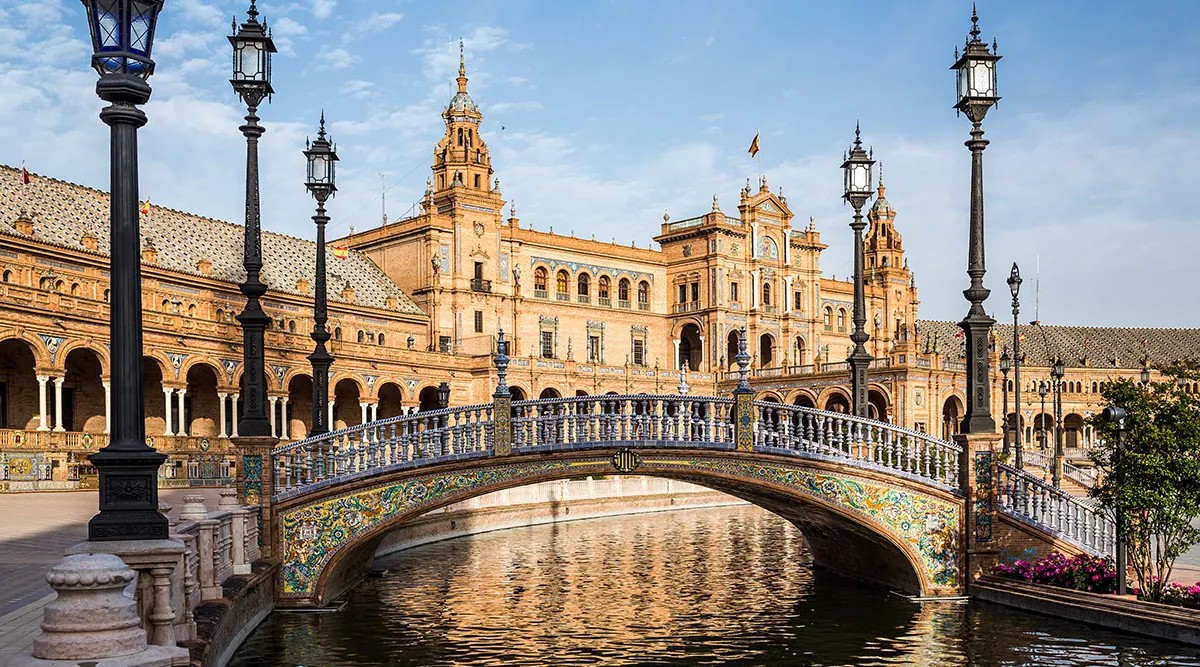
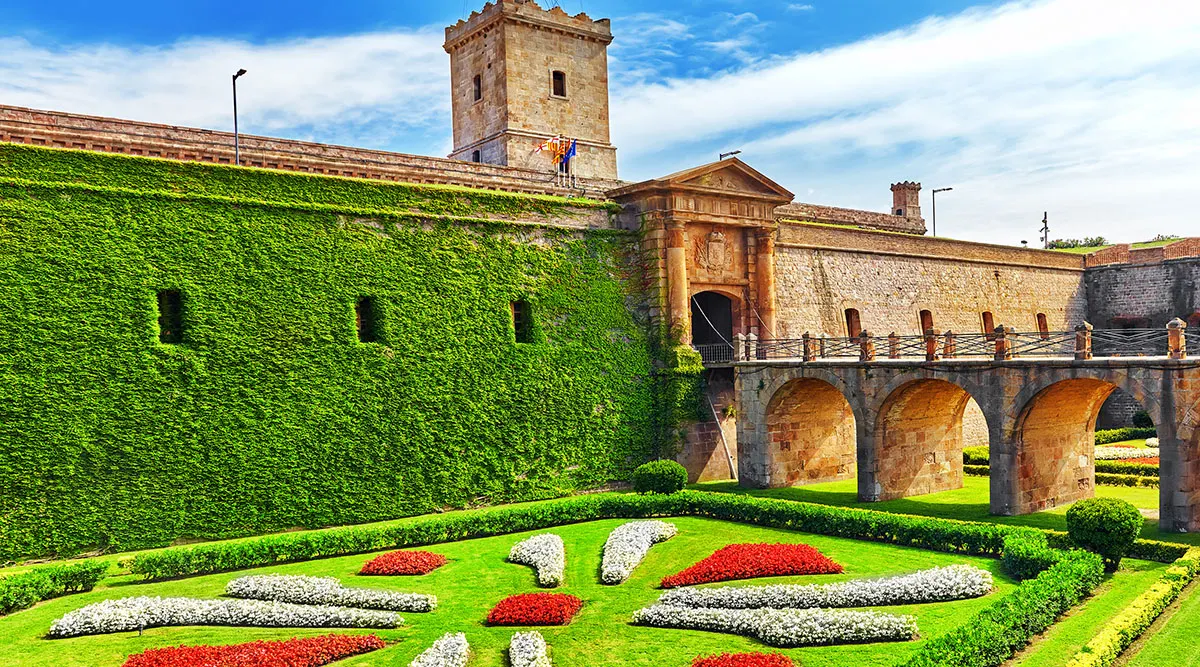
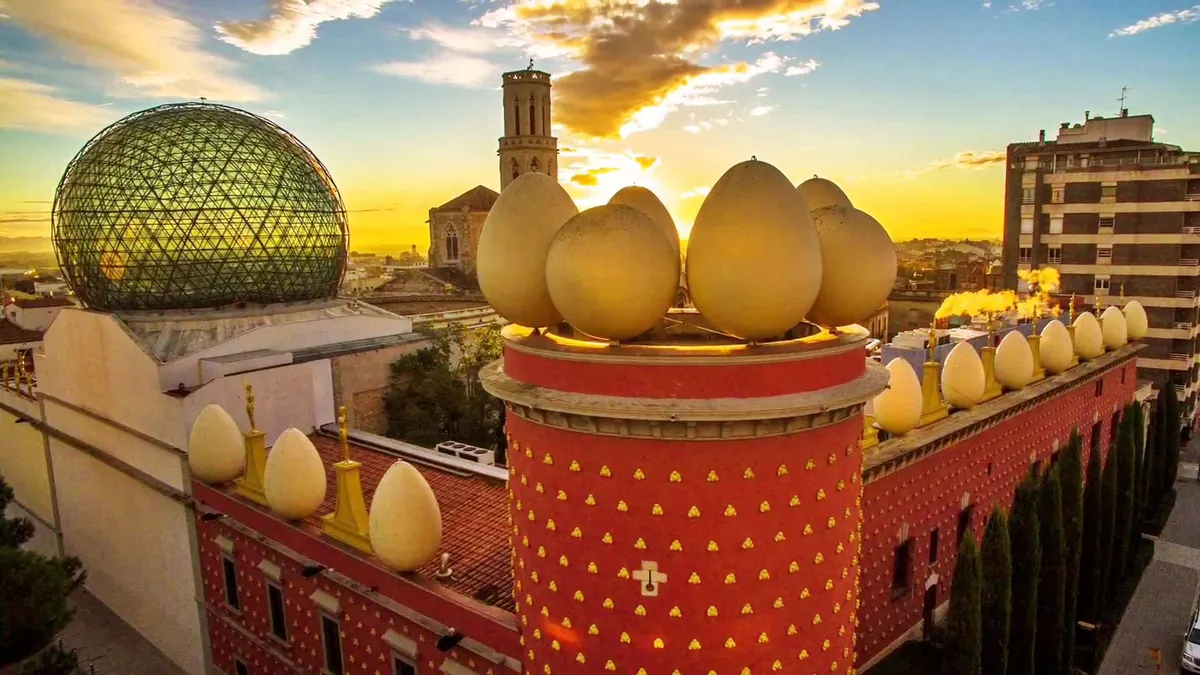
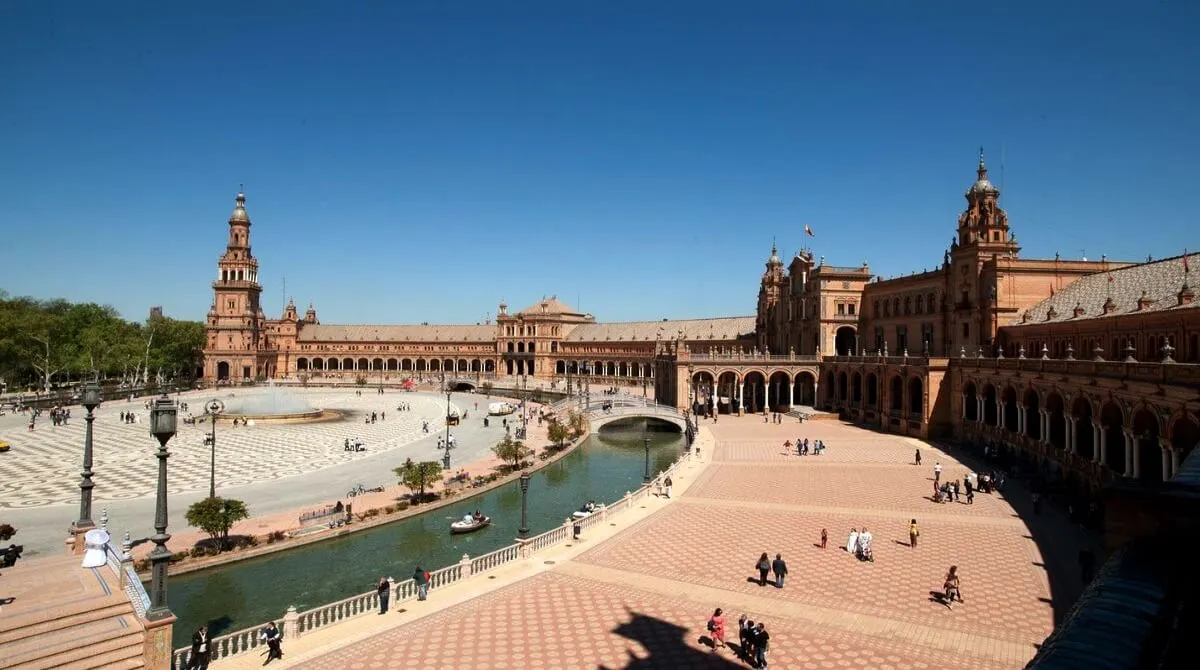
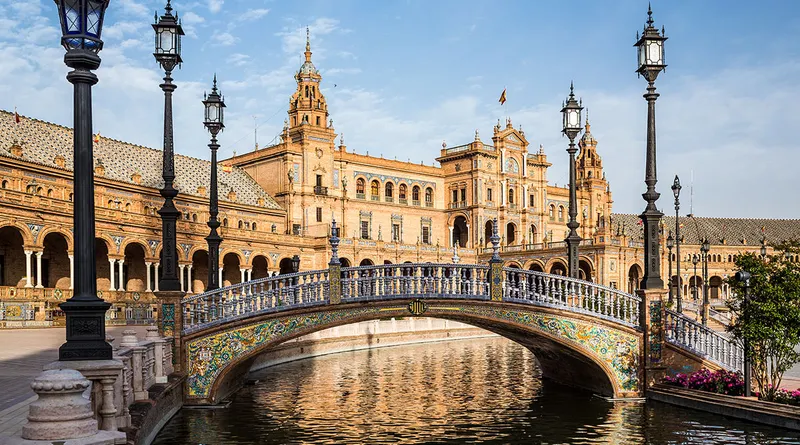
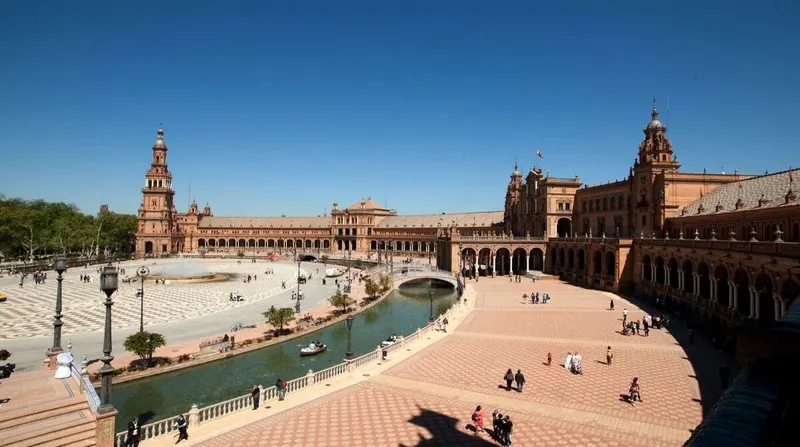
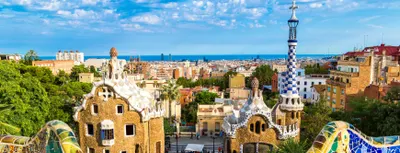
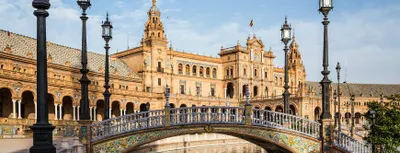
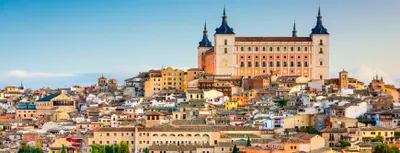
Spain boasts a wealth of attractions, including the Alhambra in Granada, Sagrada Familia in Barcelona, and the Prado Museum in Madrid. Don't miss the historic city of Toledo, the stunning beaches of Costa del Sol, and the unique architecture of Seville. Each region offers its own distinct culture and landmarks, making Spain a diverse and rewarding destination.
Spain is famous for its diverse cuisine. Be sure to try tapas, small dishes that vary by region. Paella, a rice dish with seafood or meat, is a must-try in Valencia. Other specialties include jamón ibérico (cured ham), gazpacho (cold tomato soup), and churros with chocolate. Each region has its own culinary specialties, reflecting the rich cultural tapestry of Spain.
Spain offers excellent transportation options. The high-speed AVE trains connect major cities like Madrid, Barcelona, and Seville efficiently. For regional travel, consider renting a car to explore at your own pace. Buses are also a budget-friendly option for reaching smaller towns. In cities, public transportation like metro systems and buses are convenient and affordable.
Spain is renowned for its vibrant festivals. The Running of the Bulls in Pamplona, La Tomatina in Buñol, and Las Fallas in Valencia are world-famous events. Semana Santa (Holy Week) is celebrated with elaborate processions across the country. Flamenco festivals in Andalusia and the Feria de Abril in Seville offer a glimpse into Spain's rich cultural traditions. These events provide unforgettable experiences for visitors.