
Berlin, Germany: A City of History, Art and Culture

Current Weather

Description
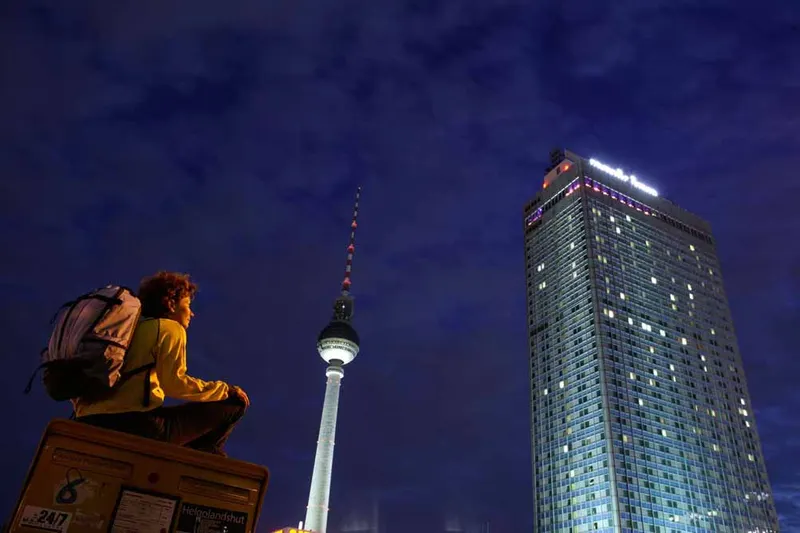
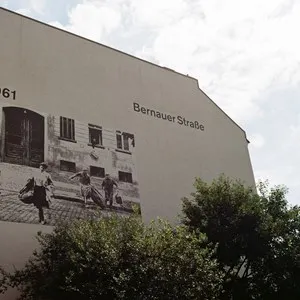
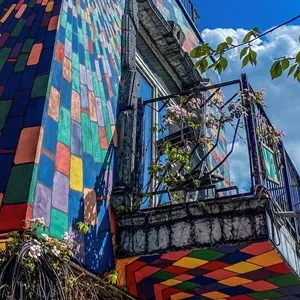
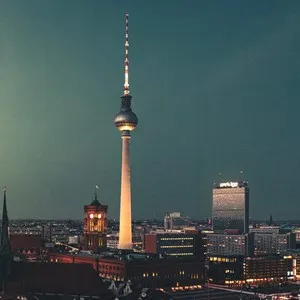
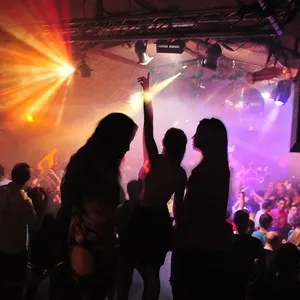
Berlin defies categorization, and it's this very quality that sets it apart. Once a symbol of the Cold War and a divided Germany, this former 'Walled-in City' has transformed into a year-round travel magnet. For nearly three decades, the Berlin Wall split one of Europe's most beloved cities. Its fall on 9th November 1989 marked a pivotal moment in history. For those keen to explore the Wall's remnants, numerous options await. The Bernauer Straße Memorial, with its original sections of the death strip, vividly recalls the divide. Other significant sites include the East Side Gallery, Checkpoint Charlie, and the Wall Museum. Today, the appeal of Berlin is its fascinating mixture of history and zeitgeist, offering diverse attractions in art, culture, music, entertainment and countless shopping possibilities. The modern hotel landscape, an incredibly diverse gastronomy and unbeatably favourable prices will make you want to return again and again. The city’s vibrant and flourishing creative scene combines with the fire-hot music and club culture to put a unique stamp on the unmistakable character of this metropolis. On your first visit, iconic landmarks are a must-see. But it's often on a second visit that Berlin's true essence emerges. Each of its 12 districts has its own charm: Mitte is a fashion hub, Neukölln has evolved into a hipster haven, Prenzlauer Berg is known for its family-friendly vibe, Kreuzberg boasts a multicultural atmosphere, and Friedrichshain is the heart of alternative living.
Useful information
3.58 million
Euro, €1 = 100 cents
Emergency / Police: 110
Fire brigade / Rescue Coordination Centre: 112
On-call medical service: +49 30 31 00 31
Most businesses are closed on Sundays. Shops and department stores are usually open from 8am to 10pm from Monday to Saturday, though your best chance to get what you need is before 8pm. Fortunately, some grocery stores and pharmacies in Berlin are open on Sundays, but you'll have to spend some time looking for them. For small things, head to a Spätkauf (or Späti). It's a type of convenience shop particular to Berlin, known for staying open late. The term literally translates to 'late purchase'.
Do & See
Dining



Cafés






Bars & Nightlife



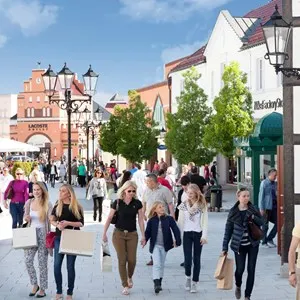
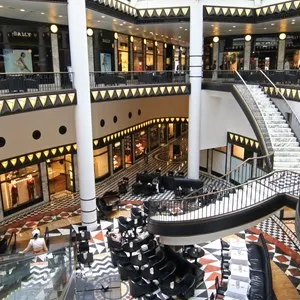
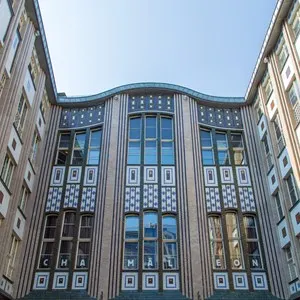
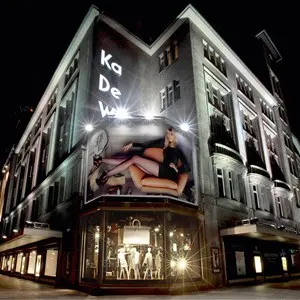
Shopping

Tourist Information


Frequently Asked Questions
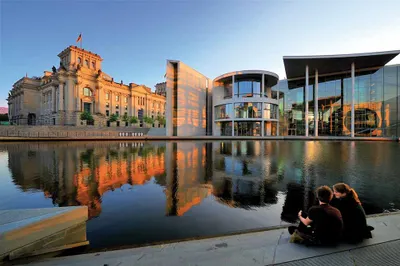
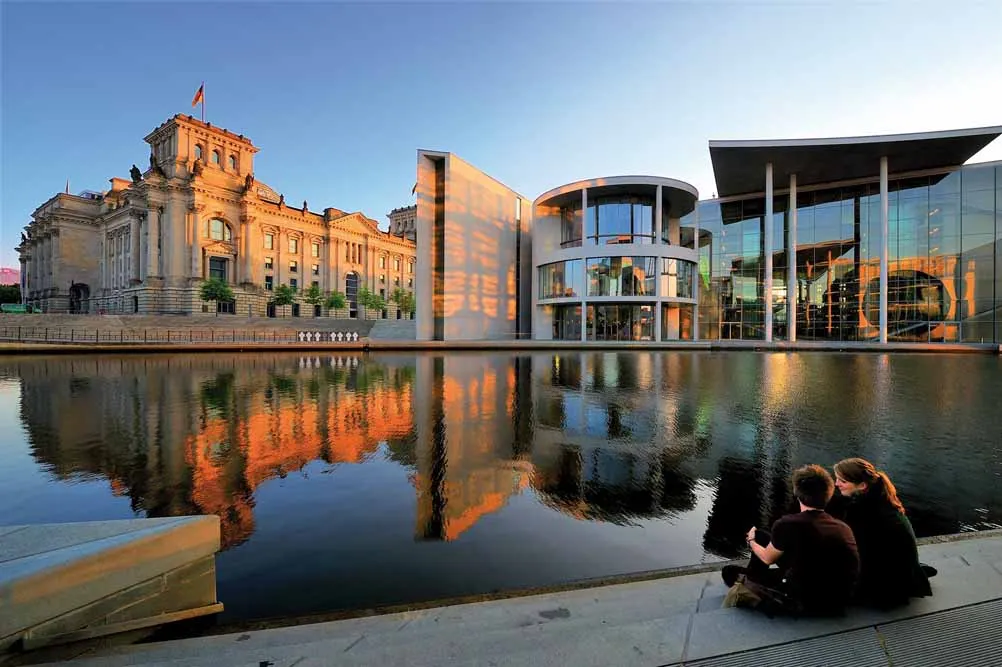
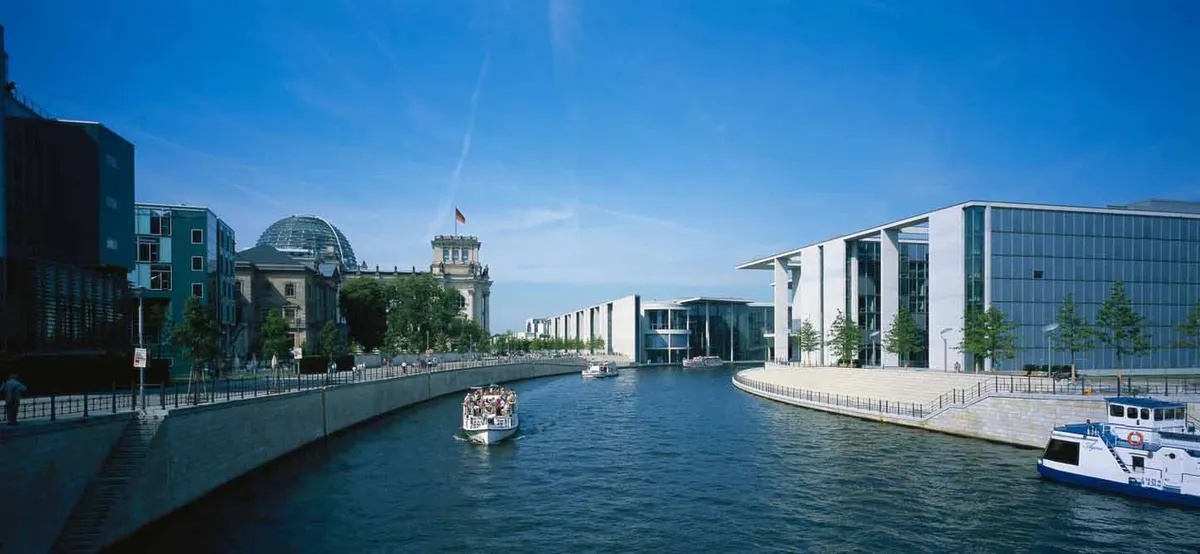
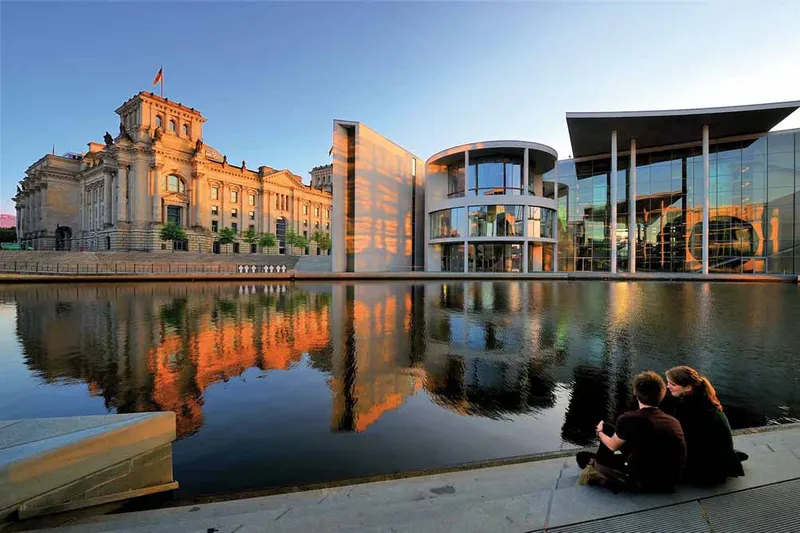
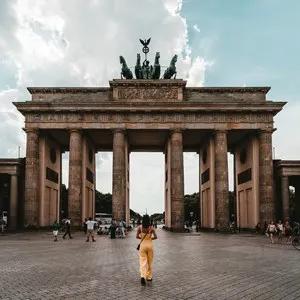
Berlin offers a rich tapestry of history and culture. Key attractions include the Brandenburg Gate, a symbol of German reunification, and the Berlin Wall Memorial, which provides insight into the city's divided past. Museum Island, a UNESCO World Heritage site, hosts five world-renowned museums. Don't miss the Reichstag Building for its historic significance and stunning glass dome. Additionally, the East Side Gallery, a preserved section of the Berlin Wall, showcases vibrant murals.
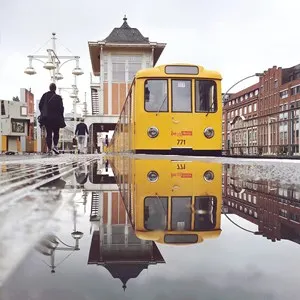
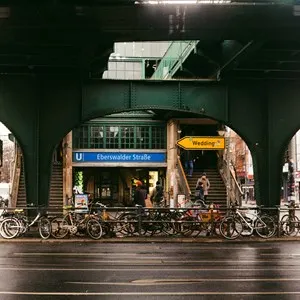
Berlin's public transportation system is efficient and comprehensive, making it easy to navigate the city. The U-Bahn (subway) and S-Bahn (light rail) are the fastest ways to travel longer distances. Buses and trams cover areas not served by trains. Consider purchasing a Berlin WelcomeCard for unlimited travel and discounts on attractions. Biking is also popular, with numerous bike lanes and rental services available.
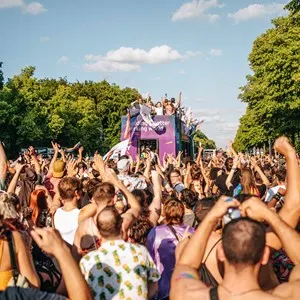
The best time to visit Berlin is from late spring to early autumn (May to September) when the weather is mild and outdoor events are plentiful. Summer hosts numerous festivals, including the Berlin International Beer Festival and the Carnival of Cultures. The city is vibrant with open-air cinemas and concerts. For fewer crowds and lower prices, consider visiting in late spring or early fall.
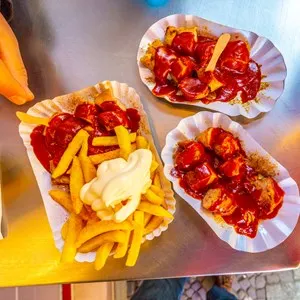
Berlin's culinary scene is diverse, but some traditional dishes are must-tries. Currywurst, a sausage with curry ketchup, is a local favorite. Try Eisbein, a hearty pork knuckle dish, or Königsberger Klopse, meatballs in a creamy caper sauce. For dessert, indulge in Berliner Pfannkuchen, a type of jelly doughnut. Pair your meal with a Berliner Weisse, a sour wheat beer often served with flavored syrup.
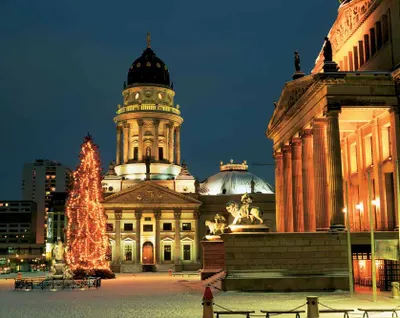
Berlin hosts a variety of unique cultural events throughout the year. The Berlinale, or Berlin International Film Festival, is one of the world's leading film festivals held in February. In September, the Berlin Art Week showcases contemporary art across the city. The Festival of Lights in October illuminates Berlin's landmarks with spectacular light displays. These events offer a glimpse into the city's dynamic cultural scene.
Kreuzberg is known for its vibrant arts scene and multicultural atmosphere, with numerous galleries, street art, and diverse eateries. Prenzlauer Berg offers a more laid-back vibe with its charming cafes and boutiques. Mitte is the historical heart of Berlin, featuring iconic landmarks and a mix of old and new architecture. Each neighborhood provides a unique perspective on Berlin's eclectic culture.
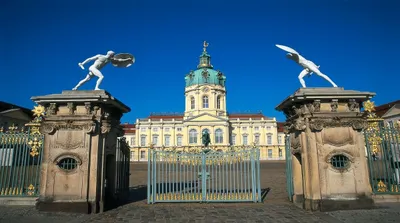
To fully experience Berlin, plan to spend at least 3 to 4 days. This allows time to explore major attractions, delve into the city's history, and enjoy its vibrant neighborhoods. With more time, consider day trips to nearby destinations like Potsdam, known for its palaces and gardens, or Sachsenhausen, a former concentration camp memorial site.