

Details for Botswana












U.S. travelers visiting Botswana need a valid passport with at least six months of validity remaining and two blank pages for entry stamps. A visa is not required for stays up to 90 days within a 12-month period. However, travelers should check with the Botswana Embassy or Consulate for the latest entry requirements before departure.
The currency used in Botswana is the Botswana Pula (BWP). Credit cards are widely accepted in urban areas and major tourist destinations, especially Visa and MasterCard. However, it's advisable to carry some cash for transactions in remote areas or smaller establishments where card facilities might not be available.
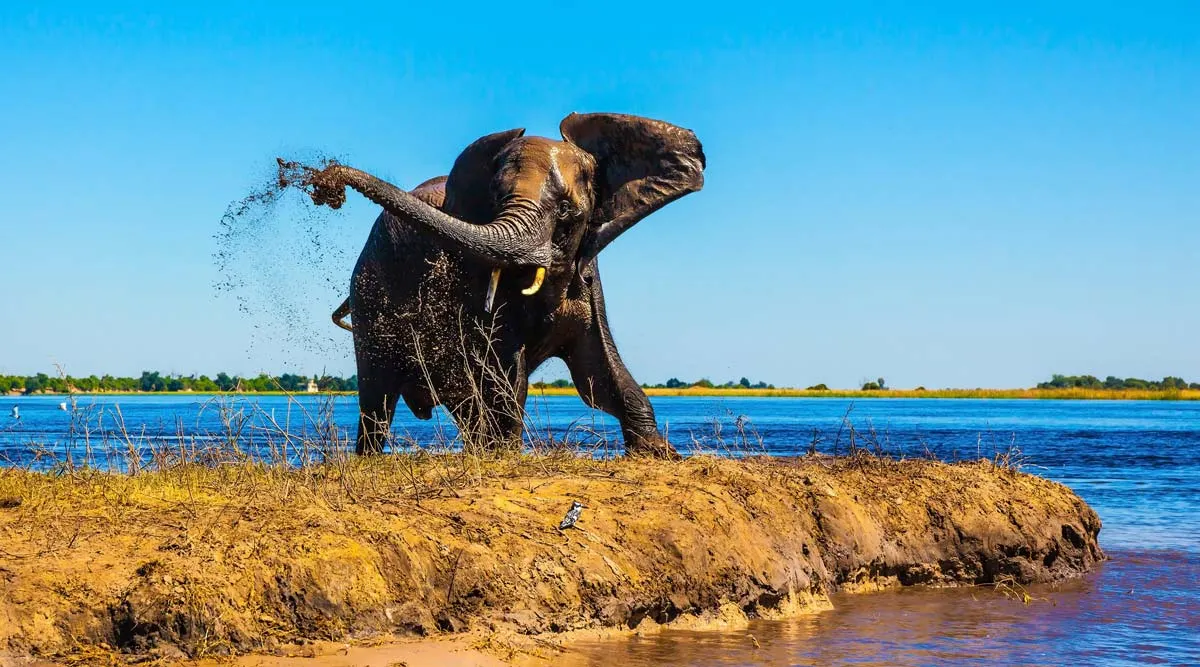
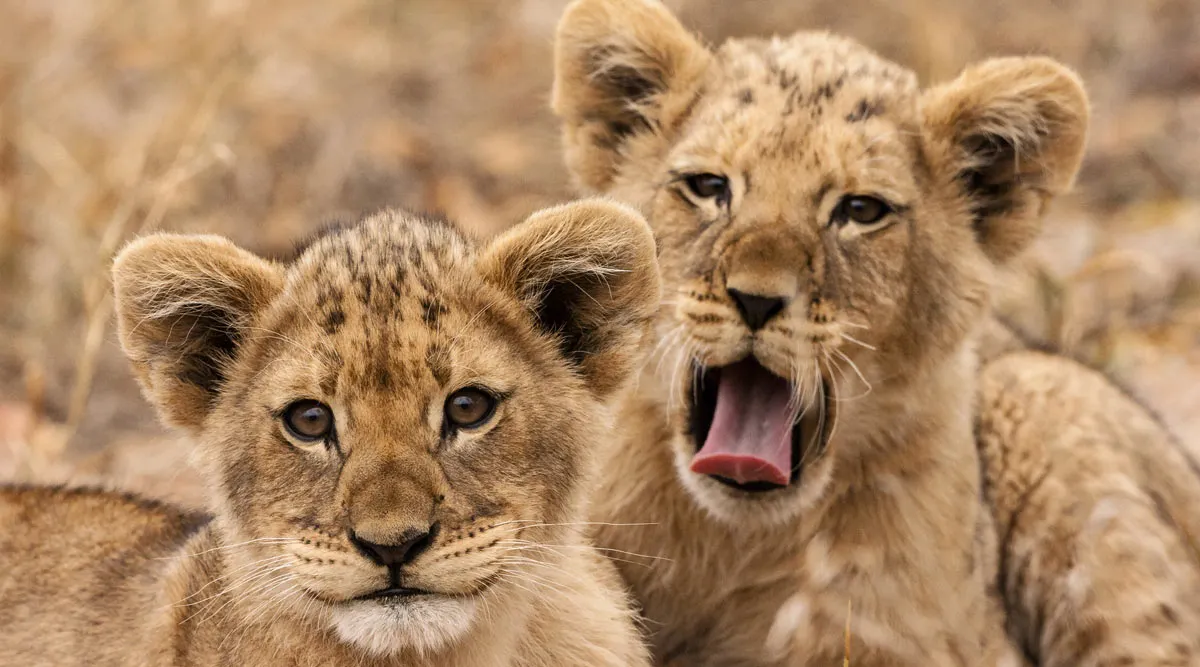
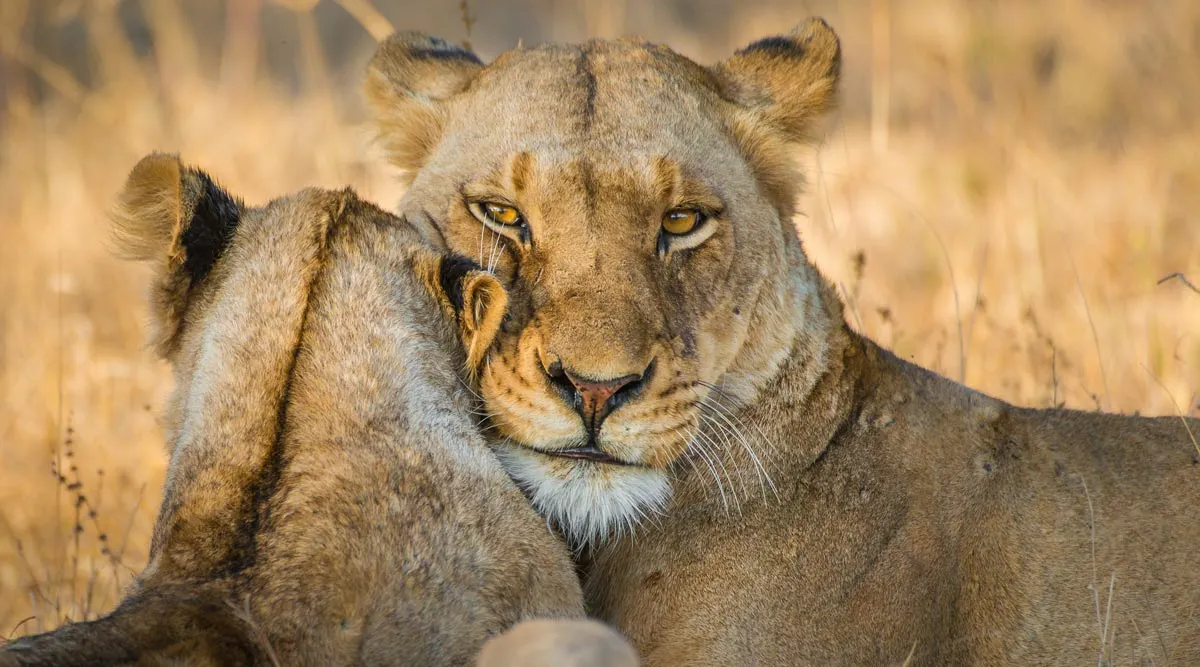
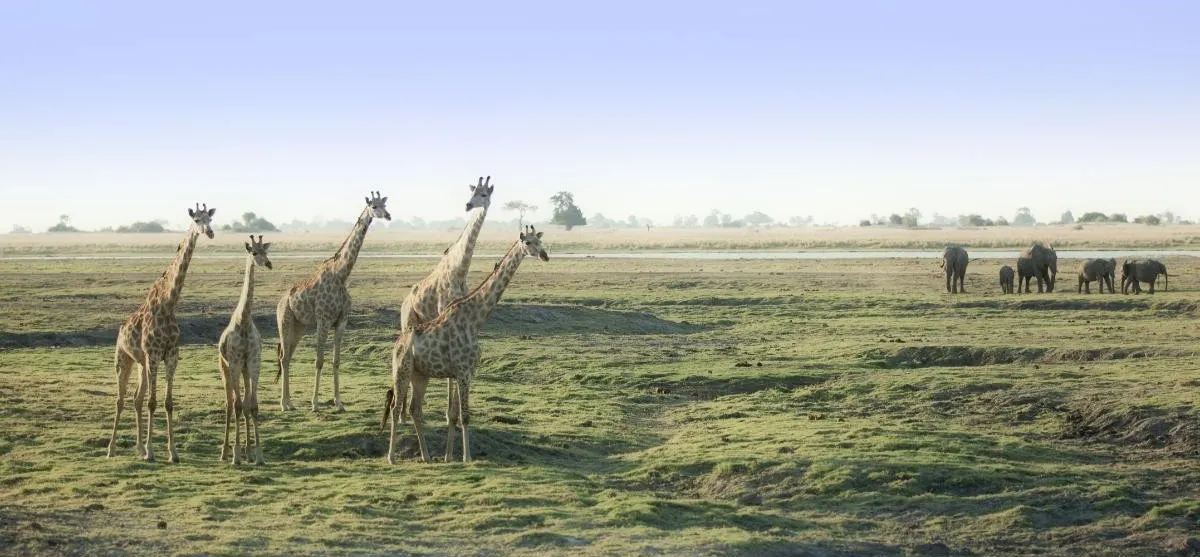
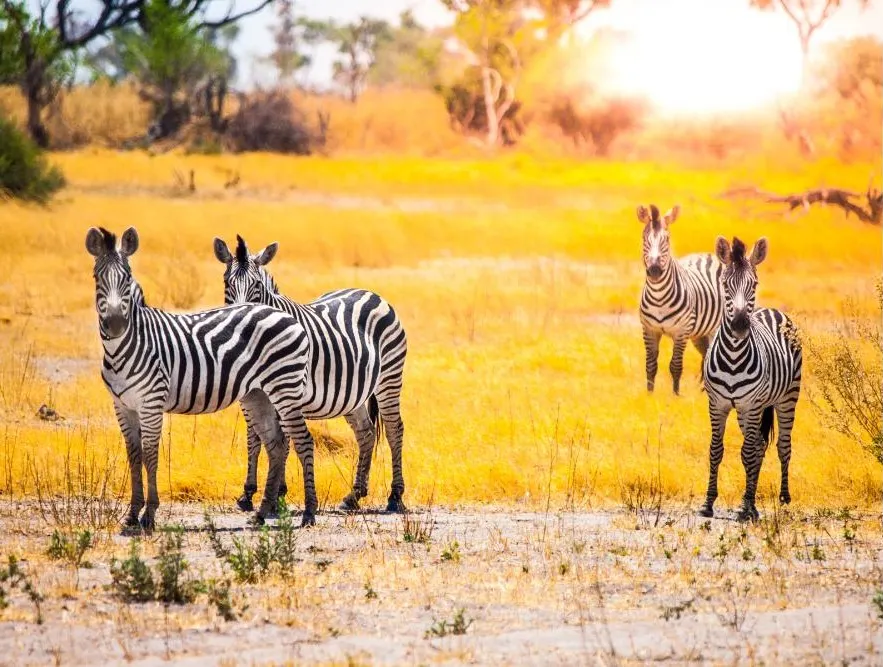
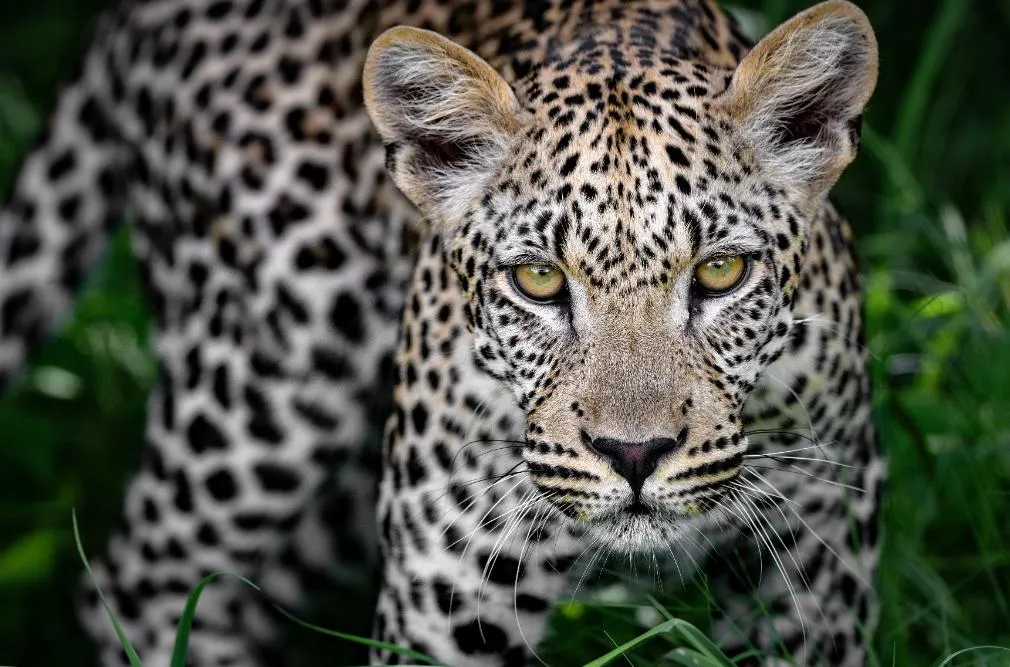
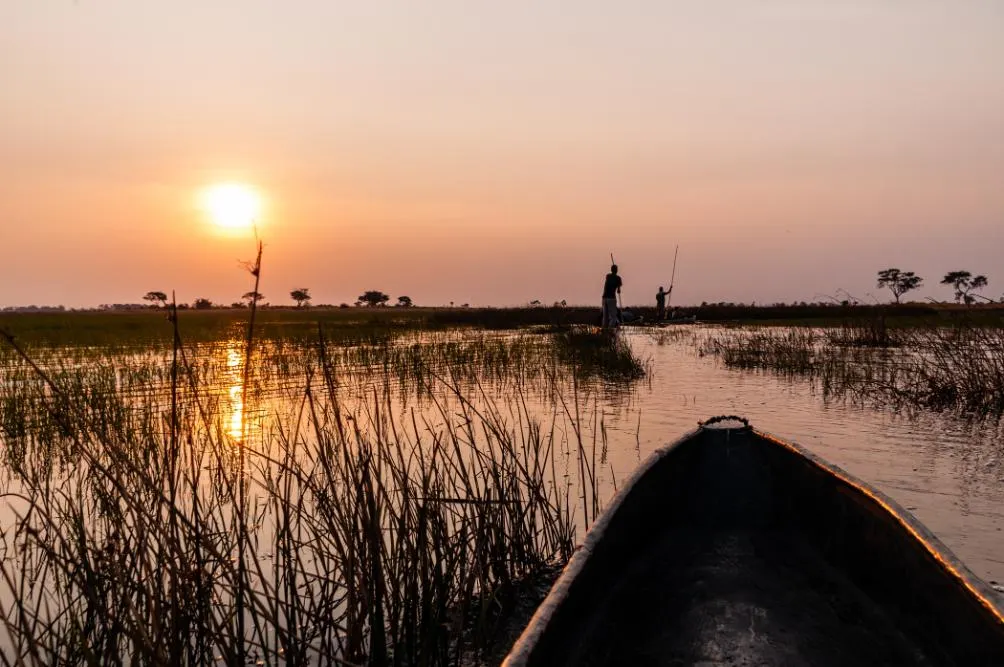
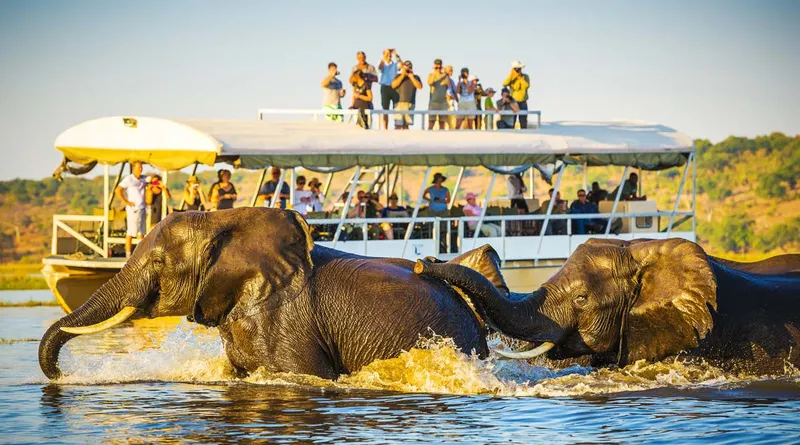
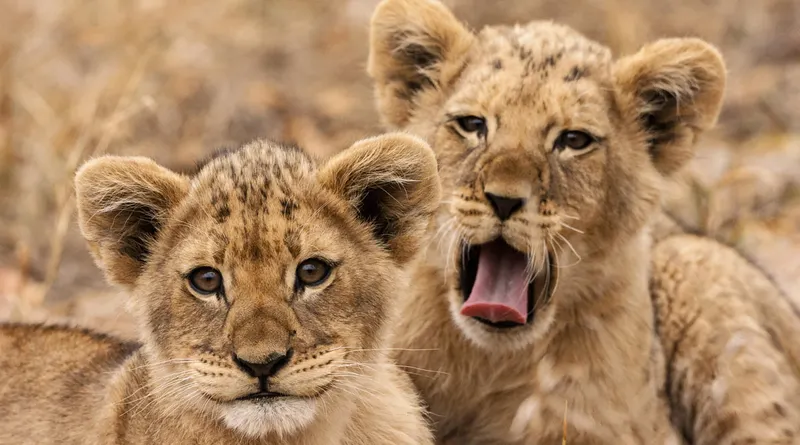
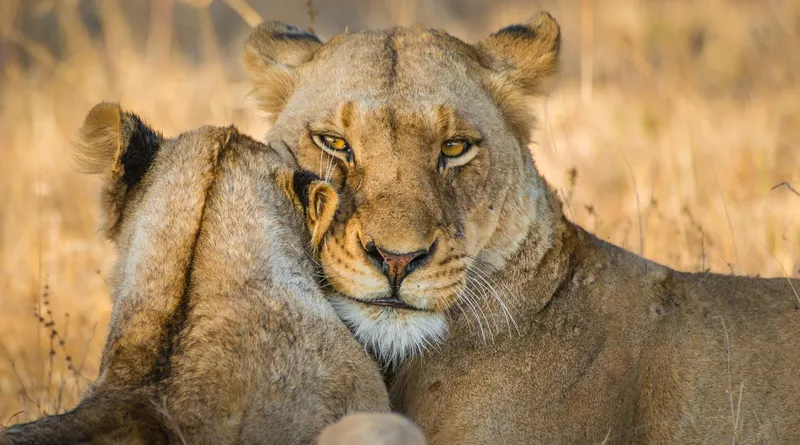
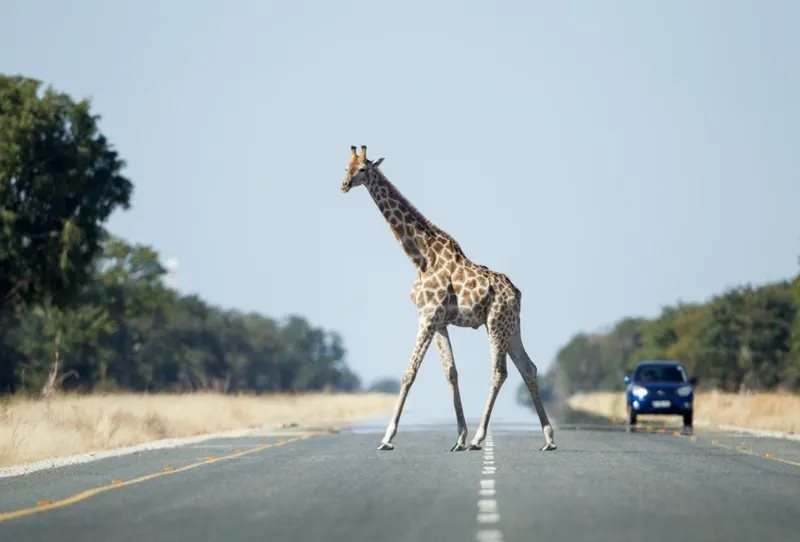
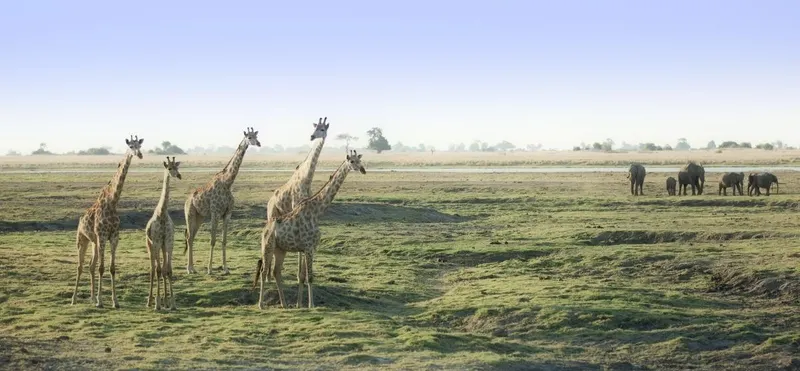
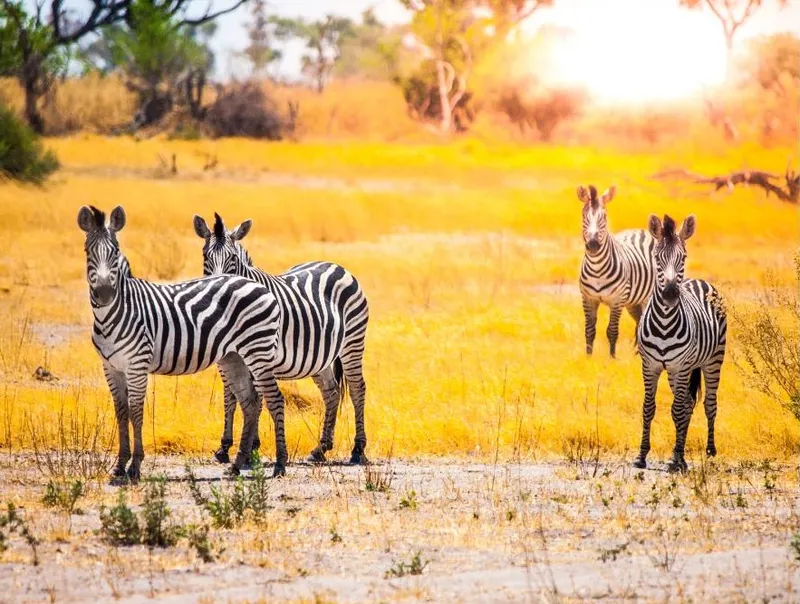
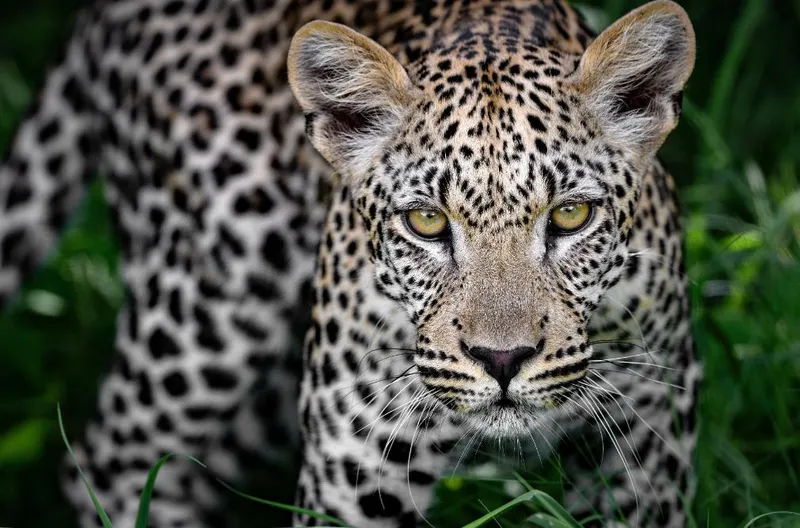
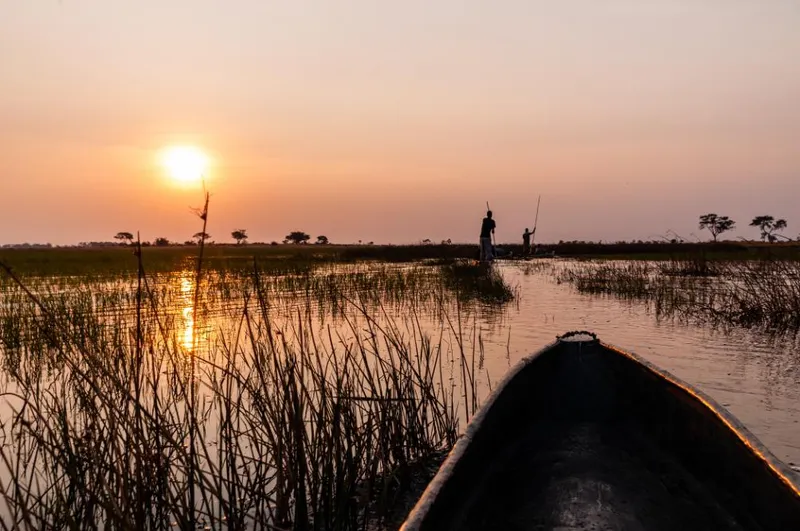
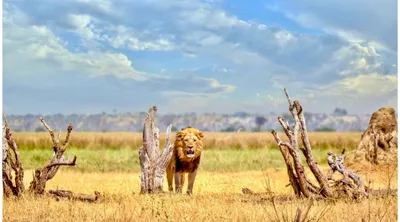
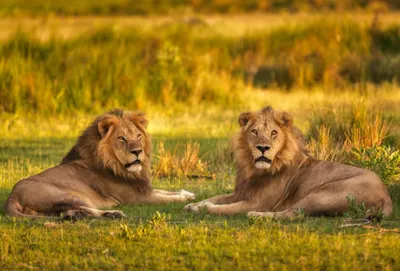
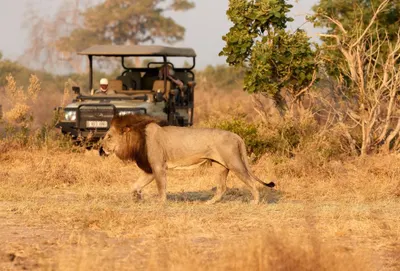
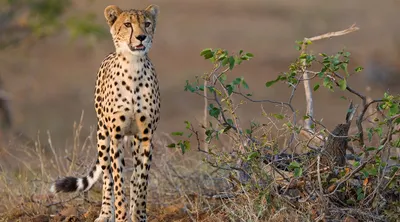
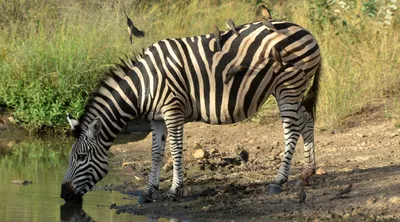
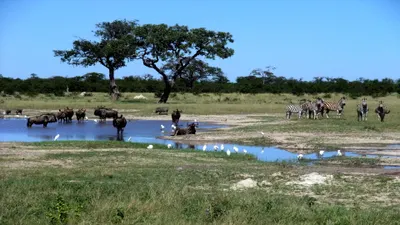
The best time to visit Botswana for wildlife viewing is during the dry season, from May to October. During this period, animals congregate around water sources, making them easier to spot. The Okavango Delta, Chobe National Park, and Moremi Game Reserve are particularly rewarding during these months.
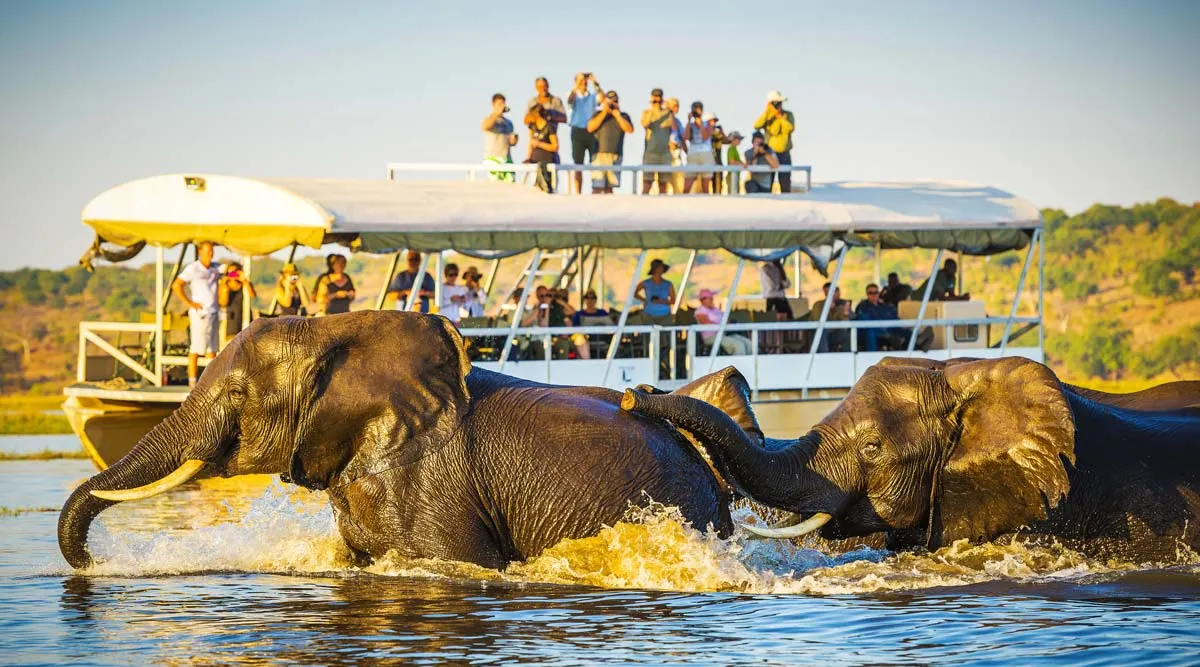
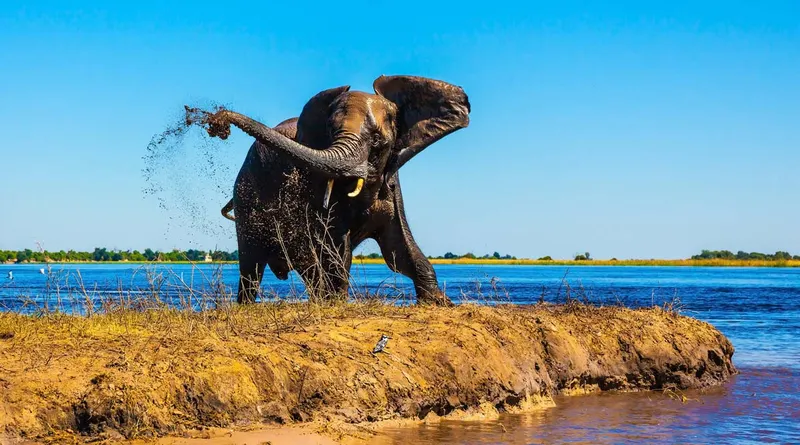
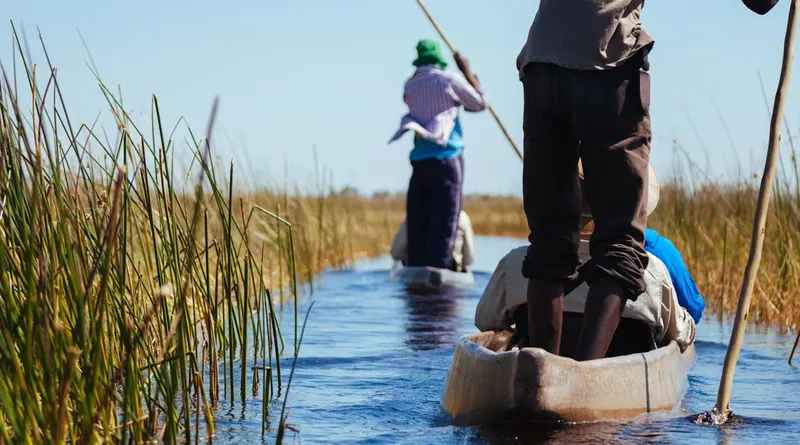
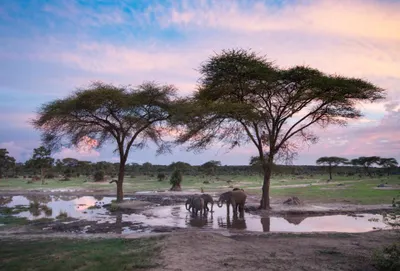
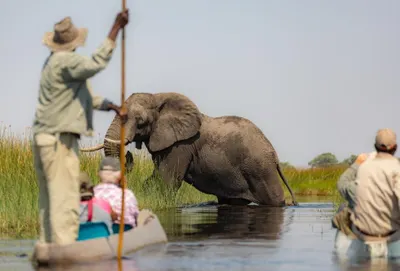
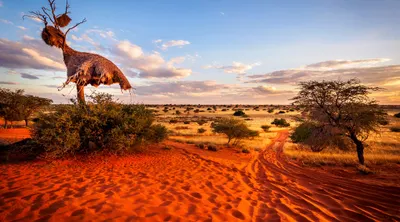
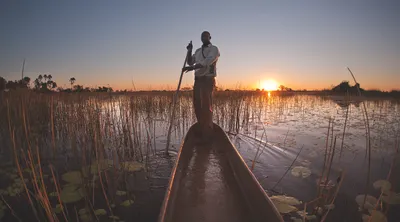
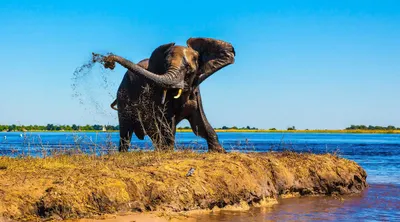
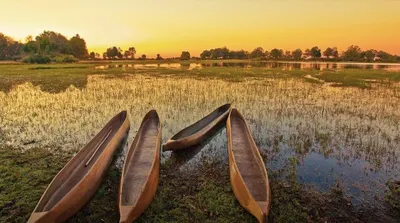
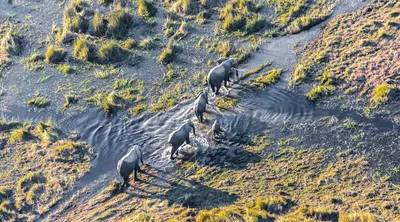
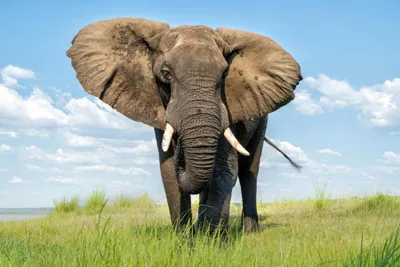
Botswana offers several must-see destinations, including the Okavango Delta, known for its unique ecosystem and rich wildlife. Chobe National Park is famous for its large elephant herds, while the Kalahari Desert offers a chance to see the San people and the unique flora and fauna of the region. The Makgadikgadi Pans, one of the largest salt flats in the world, is also worth a visit.
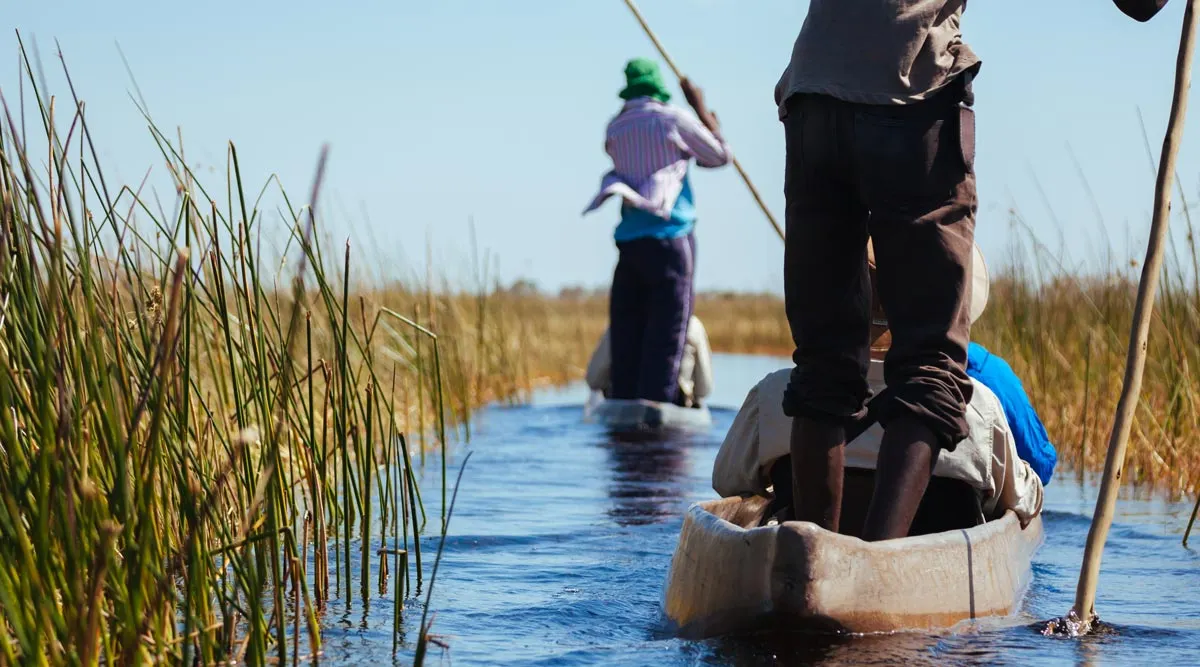
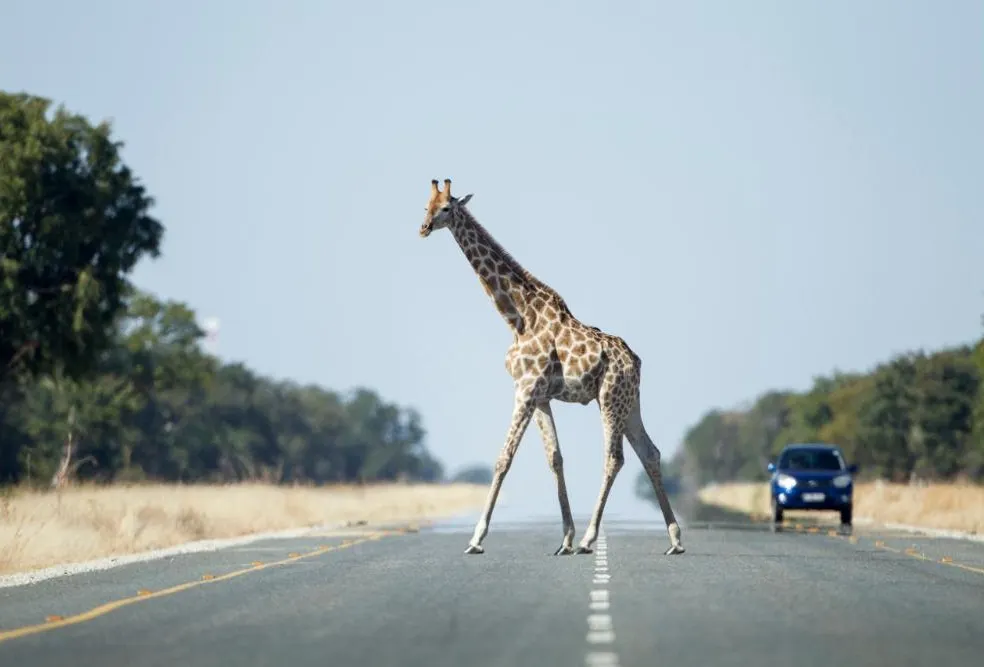
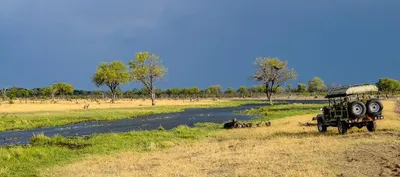
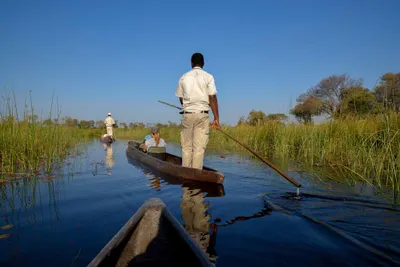
Traveling around Botswana can be done by air, road, or water. Domestic flights are available between major destinations like Maun and Kasane. Self-driving is popular, but a 4x4 vehicle is recommended for remote areas. Guided tours and safaris are also a great way to explore the country, providing expert insights and convenient transportation.
In Botswana, traditional foods to try include Seswaa, a slow-cooked beef dish often served with pap (maize porridge). Other local favorites are Morogo, a type of wild spinach, and Vetkoek, a fried dough bread. Be sure to also sample the local beer and Amarula, a cream liqueur made from the fruit of the marula tree.
Botswana hosts several cultural events and festivals throughout the year. The Maitisong Festival in Gaborone is a major arts festival featuring music, dance, and theater. The Dithubaruba Cultural Festival celebrates the heritage of the Bakwena people with traditional music, dance, and crafts. Attending these events offers a unique insight into the country's vibrant culture.