
Discover Dresden Along the Elbe River

Current Weather

Description
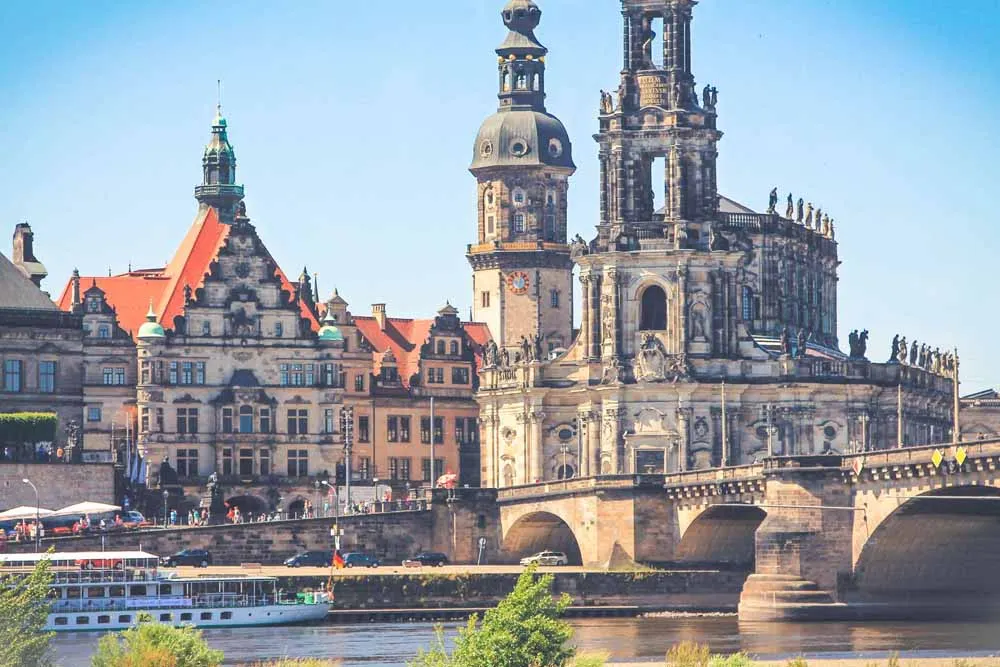
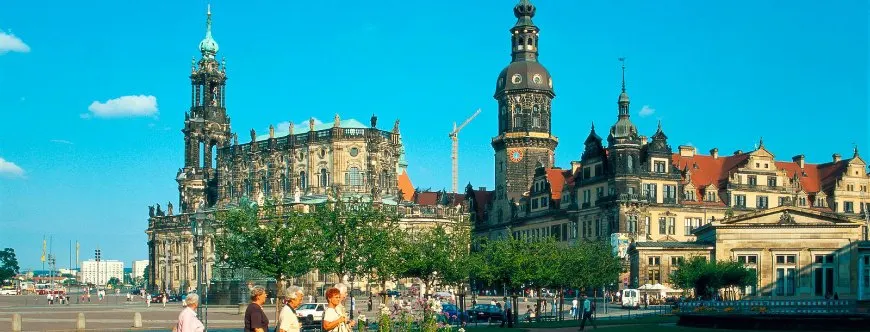
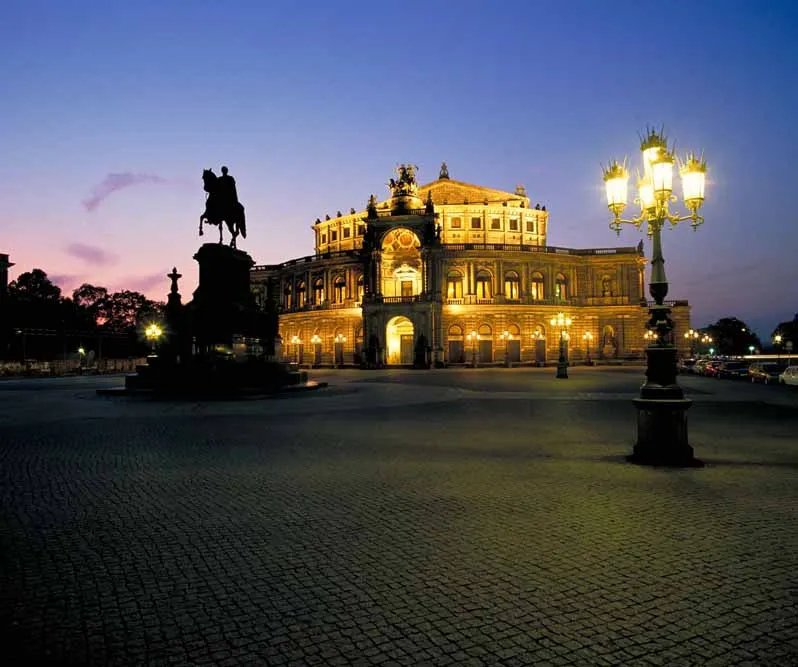
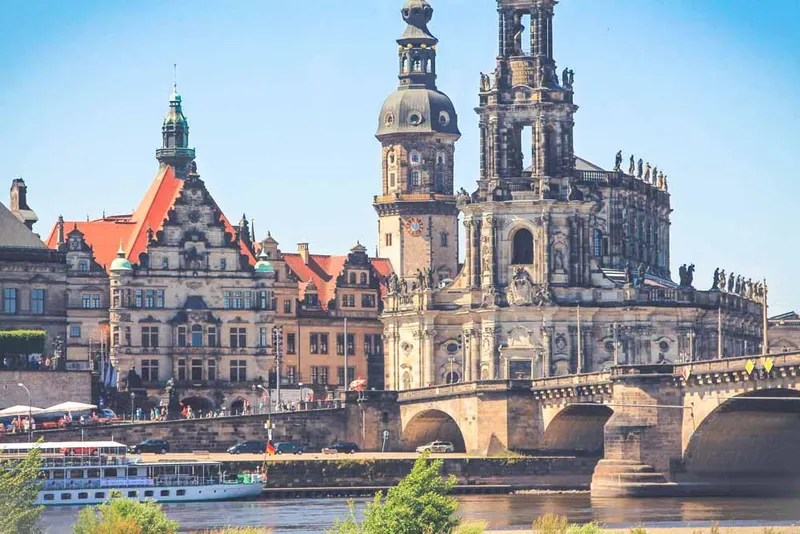
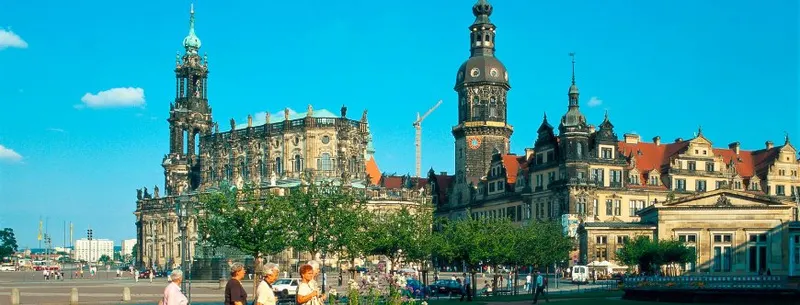
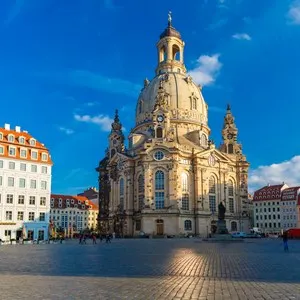
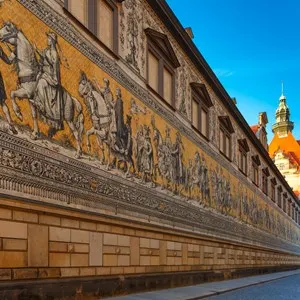
Ignoring history is impossible when visiting Dresden, which saw its city centre reduced to ashes and rubble during the massive air raids by the allies in February 1945. However, following Germany’s reunification in 1990, the city has experienced a building boom hardly seen anywhere else in the country, and the main landmark, the Frauenkirche, yet again stands proud in the city’s main square. As the capital of the state of Saxony and with a population of nearly 500.000 people, today’s Dresden is a modern and vibrant city that yet again acts as the cultural magnet it once was. Visit the Old Town for magnificent Renaissance, Baroque and 19th-century buildings and museums and galleries on the river bank. Go to the Neustadt Quarter (the New Town Quarter), across the Elbe, where you find an eclectic mix of Baroque architecture and monumental government buildings from the 19th century. You can also find pockets of alternative culture, as well as a raft of shopping facilities and restaurants.
Useful information
500,000
1 euro = 100 cents
Police: 110
Fire brigade and ambulance: 112
Stores are normally open from 9am-8pm, but close at around 1pm or 2pm on Saturdays. Supermarkets are often open until 8pm on Saturdays.
Do & See


Dining







Cafes







Bars & Nightlife







Shopping







Tourist Information








Frequently Asked Questions
The best time to visit Dresden is from late spring to early autumn, particularly between May and September. During this period, the weather is pleasant, and many cultural events and festivals take place, such as the Dresden Music Festival in May and the Dresden City Festival in August.
A stay of 2 to 3 days in Dresden is ideal to explore its main attractions. This allows time to visit the historic Old Town, the stunning Zwinger Palace, and the Semper Opera House, as well as to enjoy a leisurely stroll along the Elbe River.
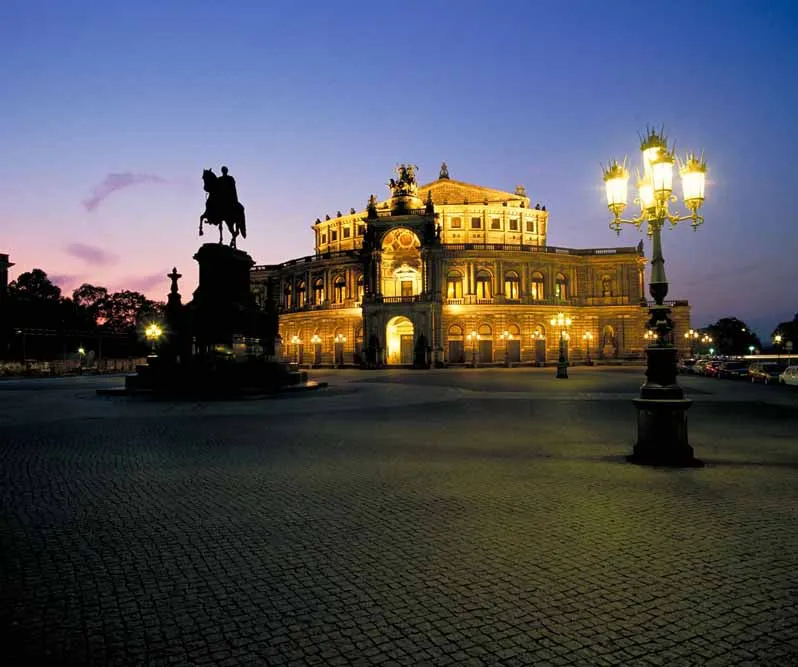
Dresden is renowned for its Baroque architecture and cultural sites. Key attractions include the Frauenkirche (Church of Our Lady), the Zwinger Palace with its art collections, the Semper Opera House, and the Dresden Royal Palace, which houses several museums.
Dresden has an efficient public transportation system, including trams and buses, which makes it easy to navigate the city. Walking is also a great option, especially in the compact Old Town area. For exploring the surrounding regions, consider renting a bicycle or using regional trains.
Dresden offers a variety of Saxon culinary delights. Be sure to try 'Sauerbraten' (marinated pot roast), 'Eierschecke' (a layered cake), and 'Dresdner Stollen,' a traditional Christmas fruit bread. Pair these with local Saxon wines or beers for an authentic experience.
Dresden hosts several notable events throughout the year. The Dresden Music Festival in May features classical and contemporary performances. In December, the Striezelmarkt, one of Germany's oldest Christmas markets, offers a festive atmosphere with local crafts and foods.
Consider a day trip to the nearby Saxon Switzerland National Park for stunning natural landscapes and hiking opportunities. Another option is the picturesque town of Meissen, known for its porcelain and charming medieval architecture.