
Details for Frankfurt
:no_upscale()/LocalImage/PictureLibrary/Europe-Mediterranean/Germany/City%20Shots/Germany,%20Frankfurt-02.jpg)
:no_upscale()/LocalImage/PictureLibrary/Europe-Mediterranean/Germany/City%20Shots/Germany,%20Frankfurt-06.jpg)
:no_upscale()/LocalImage/PictureLibrary/Europe-Mediterranean/Germany/City%20Shots/Germany,%20Frankfurt-11.jpg)
:no_upscale()/LocalImage/Destinations/636021055790989816.jpg)





:no_upscale()/LocalImage/PictureLibrary/Europe-Mediterranean/Germany/City%20Shots/Germany,%20Frankfurt-02.jpg)
:no_upscale()/LocalImage/PictureLibrary/Europe-Mediterranean/Germany/City%20Shots/Germany,%20Frankfurt-06.jpg)
:no_upscale()/LocalImage/PictureLibrary/Europe-Mediterranean/Germany/City%20Shots/Germany,%20Frankfurt-11.jpg)
:no_upscale()/LocalImage/Destinations/636021055790989816.jpg)


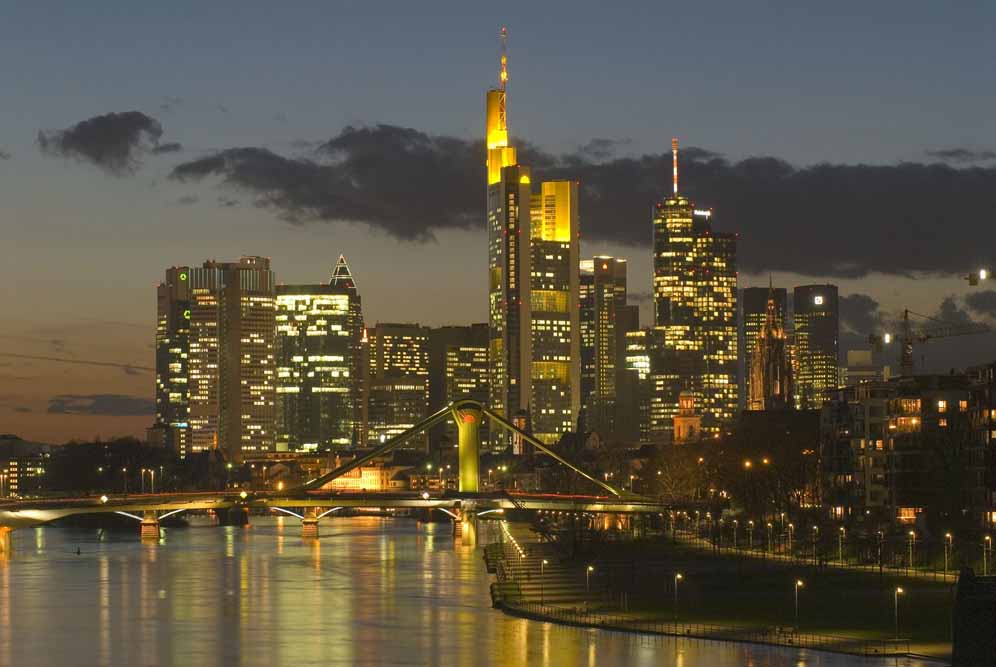
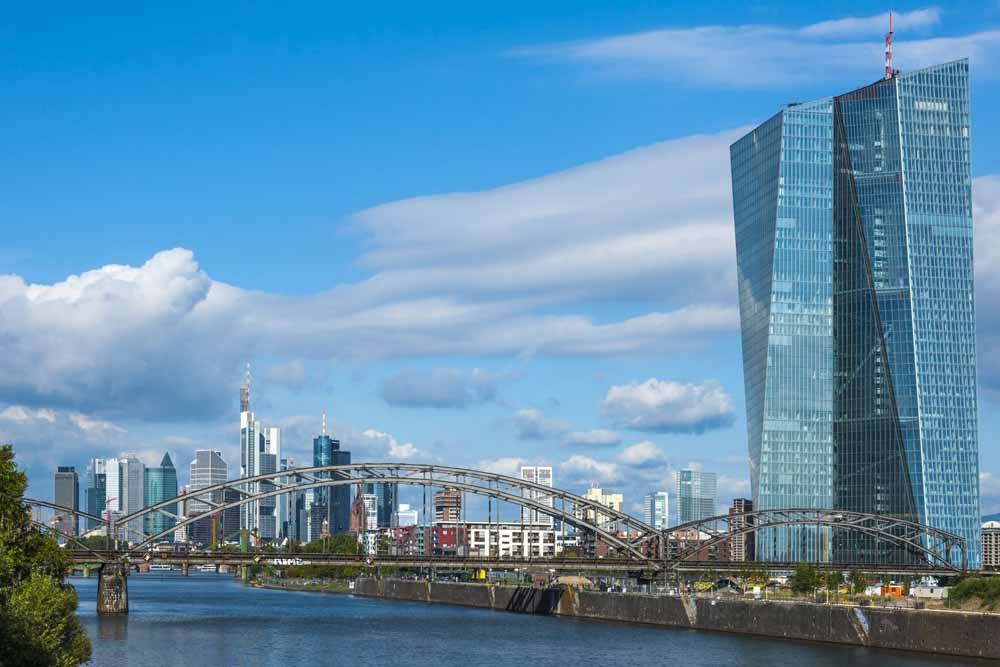
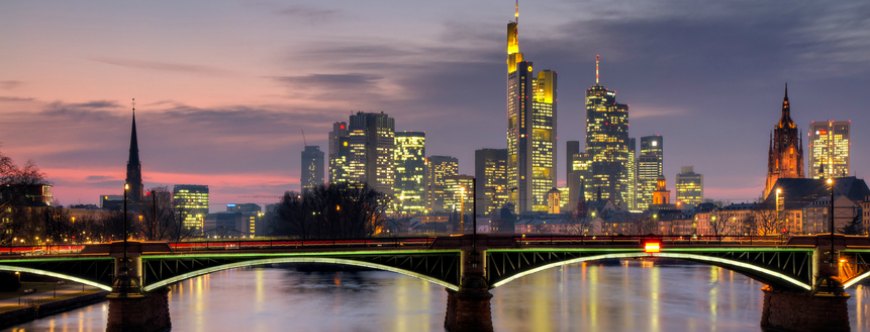
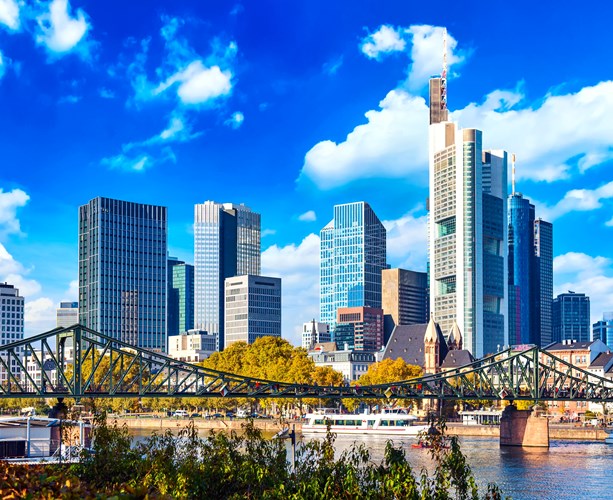
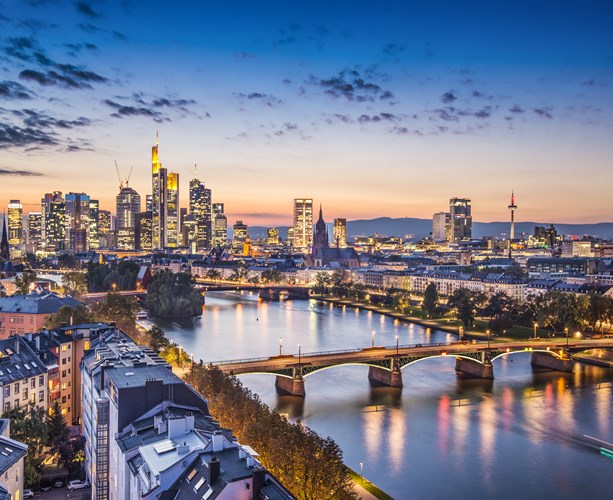
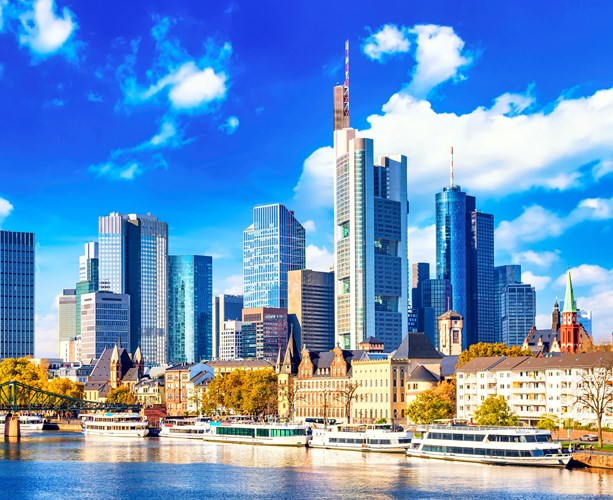
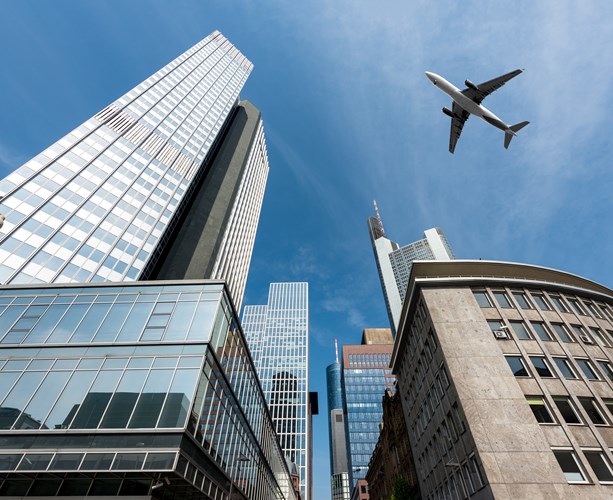
Frankfurt has been a centre of trade and ideas for centuries. Its story goes back to the Middle Ages, when merchants gathered along the River Main to exchange goods and news from across Europe. Over time, the city grew into one of the continent’s key financial and commercial centres — a role it still plays today as the home of the European Central Bank. Modern Frankfurt is often called 'Mainhattan' for its skyline of glass towers, but there’s more to it than business and banking. Beyond the high-rises, the city has a creative, down-to-earth side. Independent galleries, fashion labels, and bars fill its former warehouses, while the cobbled streets of Alt-Sachsenhausen still echo with the clink of apple wine glasses in traditional pubs. It’s a city of contrasts: historic squares and futuristic skyscrapers, quiet parks and buzzing markets, all tied together by the River Main. Whether you’re here for business, culture, or a riverside stroll, Frankfurt feels both distinctly German and unmistakably international.
804,000 (2025)
Euro (EUR, €)
Emergency: 112
Police: 110


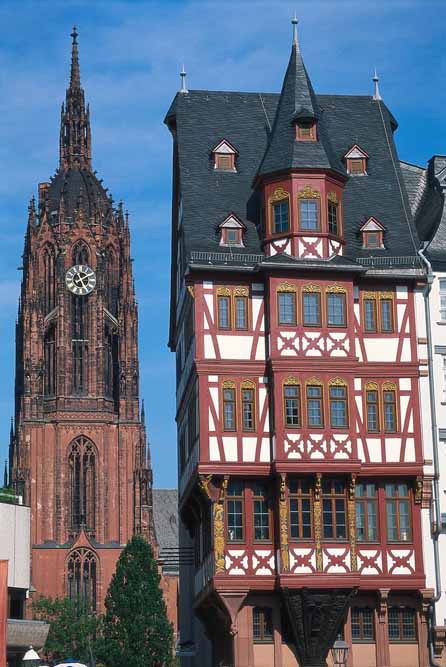
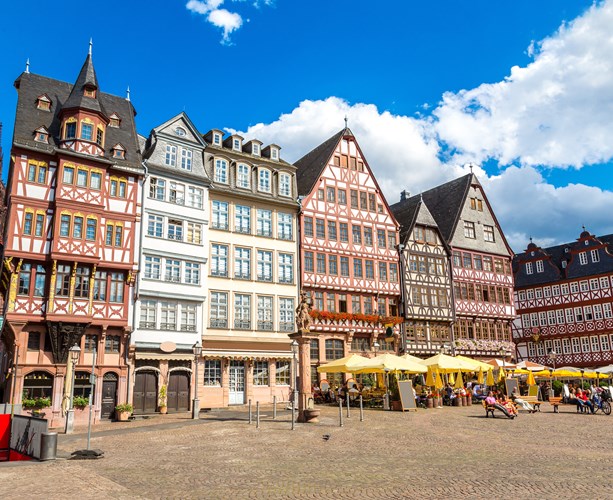
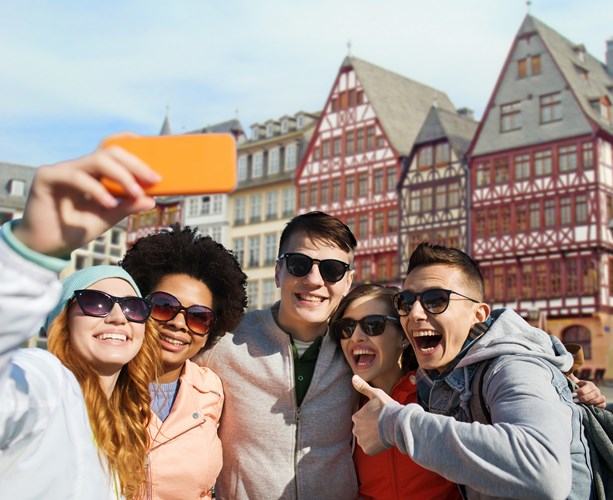
Frankfurt is known for its impressive skyline and cultural sites. Don't miss the Römer, a historic town hall, St. Bartholomew's Cathedral, and the Palmengarten botanical gardens. The Museumsufer, or Museum Embankment, is a must-visit for art and history enthusiasts.
The best time to visit Frankfurt is from late spring to early fall, particularly May to September, when the weather is pleasant for outdoor activities and sightseeing. The city also hosts several festivals during these months, offering a vibrant atmosphere.
Frankfurt has an excellent public transportation system, including trams, buses, and the U-Bahn and S-Bahn trains. Purchasing a Frankfurt Card provides unlimited travel on public transport and discounts on attractions. Taxis and bike rentals are also available for more flexible travel.
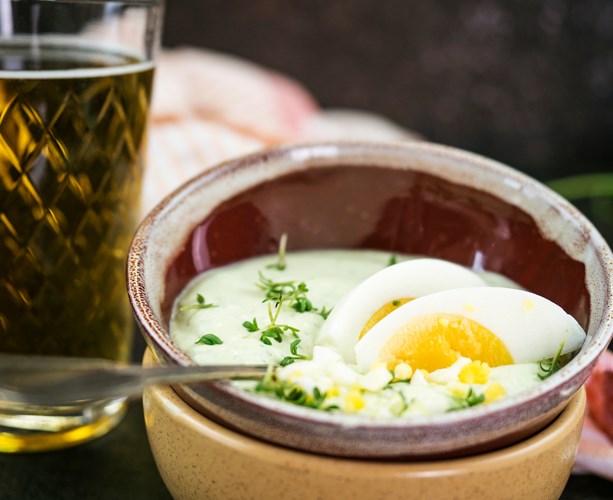
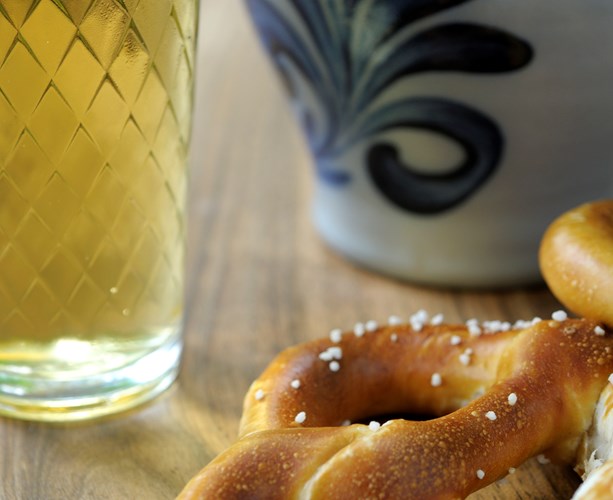
While in Frankfurt, try the local specialties such as Grüne Soße, a green sauce made with herbs, and Handkäse mit Musik, a cheese dish served with onions. Don't miss sampling Apfelwein, a regional apple wine, which is a staple in local taverns.
A stay of two to three days is sufficient to explore Frankfurt's main attractions and enjoy its cultural offerings. This allows time to visit key sites, enjoy local cuisine, and perhaps take a short day trip to nearby destinations like the Rhine Valley.
Sachsenhausen is known for its traditional cider taverns and vibrant nightlife. The Westend district offers beautiful architecture and green spaces, while Bornheim is popular for its charming streets and local markets. Each neighborhood provides a unique glimpse into Frankfurt's diverse character.
Yes, consider a day trip to the Rhine Valley, known for its stunning landscapes and castles. Alternatively, visit Heidelberg for its historic university and picturesque old town, or explore the medieval charm of the town of Rothenburg ob der Tauber.
:no_upscale()/LocalImage/PictureLibrary/Europe-Mediterranean/Germany/munich%20germany%20shutterstock_599819969%201600x890.jpg)
:no_upscale()/LocalImage/PictureLibrary/Europe-Mediterranean/Germany/Christmas/Germany,%20Berlin,%20Gendarmenmarkt%20Square,%20Christmas-01.jpg)
:no_upscale()/LocalImage/PictureLibrary/Europe-Mediterranean/Germany/Christmas/Germany,%20Munich,%20Christmas%20Market-01.jpg)
:no_upscale()/LocalImage/PictureLibrary/Europe-Mediterranean/Switzerland/Christmas/Switzerland,%20Lucerne,%20Christmas-01.jpg)