

Details for Gdansk
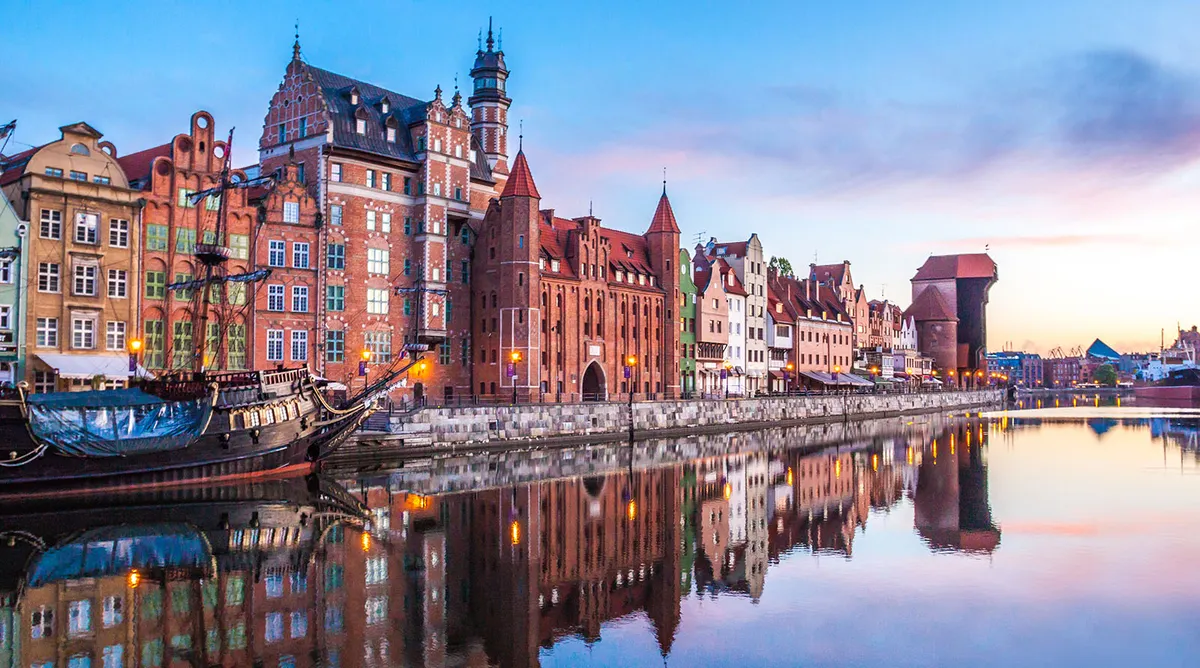
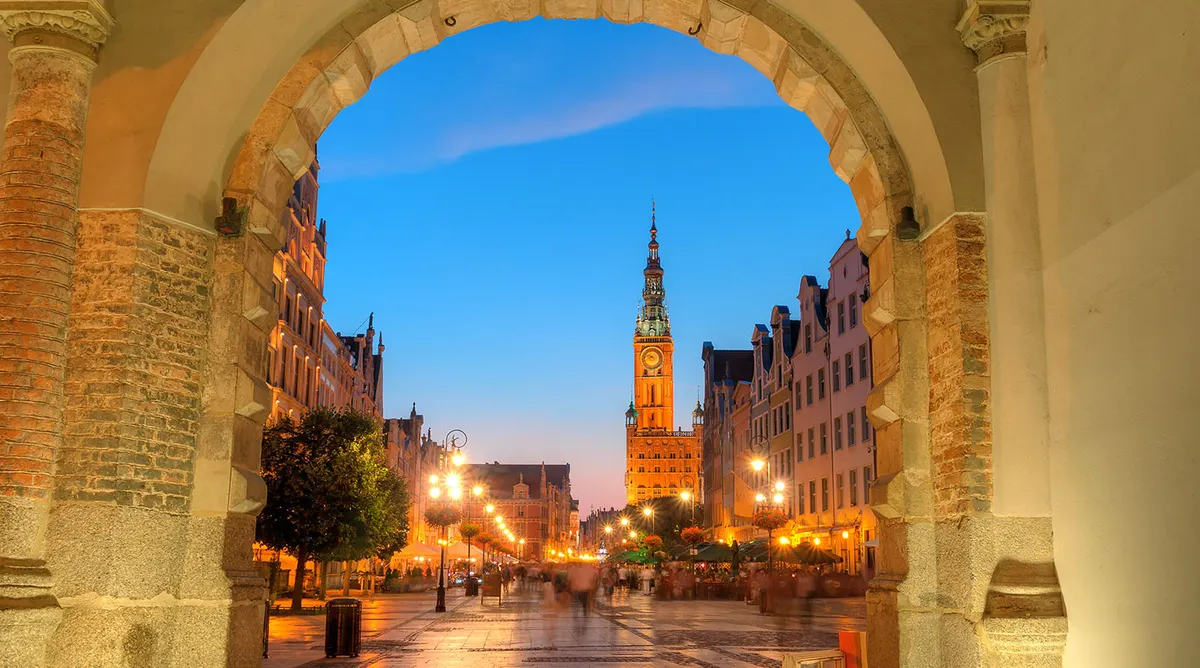
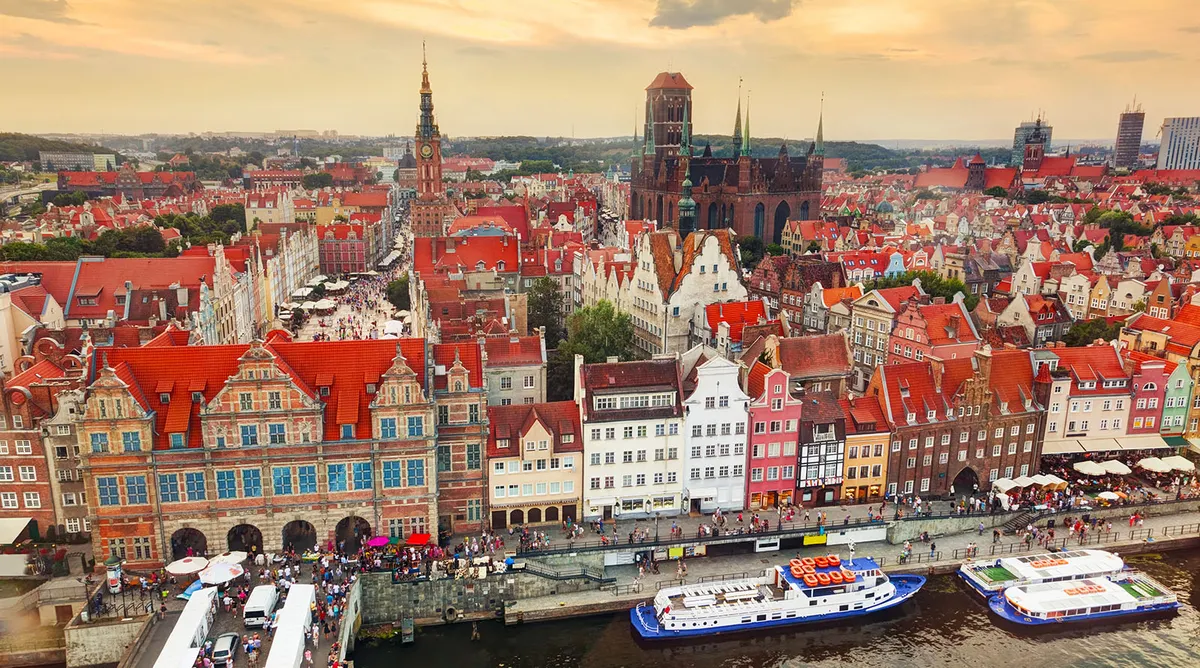

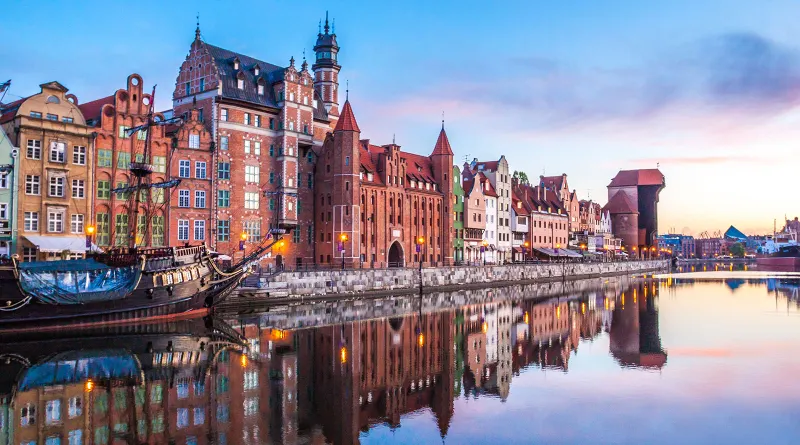
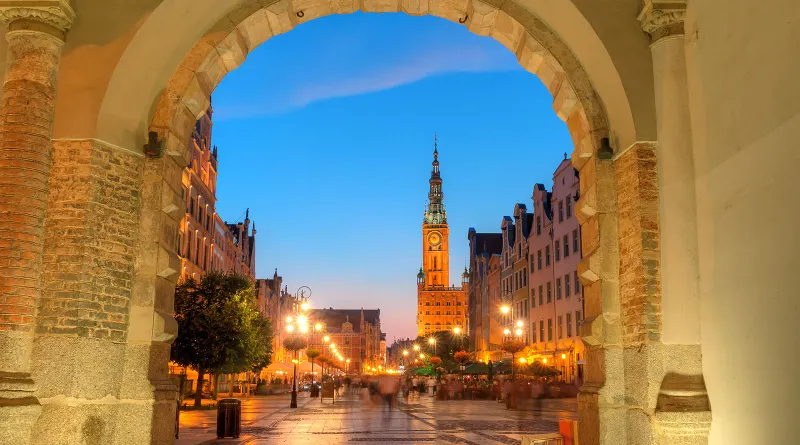
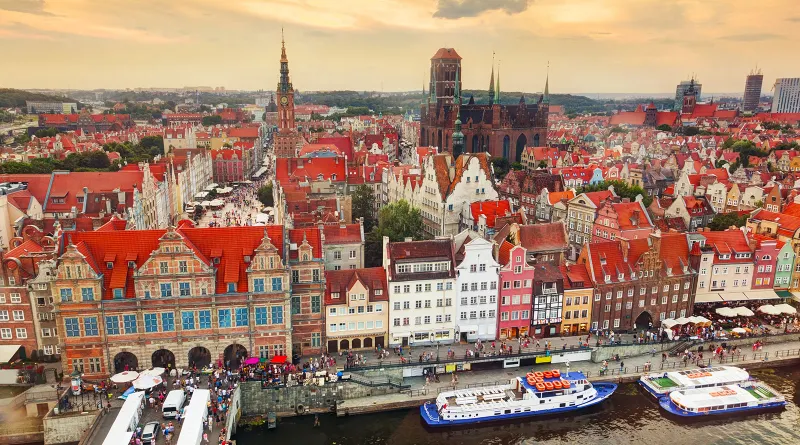
Gdansk During its over a thousand-year-long history, the city of Gdańsk has witnessed events that changed the world. It is the place where, on 1 September 1939, the event that changed the world started – World War II. At the same time, Gdańsk is the birthplace of Solidarity, the social movement that led to the fall of communism. Sopot Sopot is a famous health resort and spa. The city never sleeps, with artistes, scientists and tourists mixing around the clock. Sopot hosts various events such as exhibitions, concerts, festivals, conferences and international meetings. The streets are crowded with cafes, restaurants, and art galleries; the beach, visible from various points in the city, offers a pleasant alternative to Gdynia and Gdańsk. It is a place to relax after a long day. Gdynia Gdynia was created from the sea and dreams of the post-war generation of Poles, according to the words of Stefan Żeromski, the Polish writer of the times, “…a poem created in wood, stone, concrete and iron, an overwhelming drama depicting the taking from the sea of the forces of water, depth and power…”. Today it is a modern and dynamically growing city with its modern development and economy, open towards the sea.
461,800
1 Polish zloty = 100 groszy
Emergency Number: 112
Police: 997
Fire brigade: 998
Medical: 999
Shops in Gdansk are usually open 11.00 to 19.00, Monday-Friday and 07.00 to 13.00 on Saturdays. Most shops are closed on Sundays.



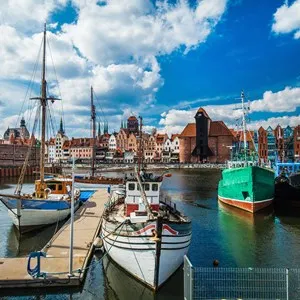




















The best time to visit Gdansk is during the late spring and summer months, from May to September. During this period, the weather is mild and pleasant, making it ideal for exploring the city’s historic sites and enjoying outdoor activities. Summer also hosts various cultural events and festivals, enhancing the vibrant atmosphere of the city.
A stay of 3 to 4 days in Gdansk is ideal to explore the main attractions, including the Old Town, the European Solidarity Centre, and the Museum of the Second World War. This duration also allows time for a day trip to the nearby coastal town of Sopot or the medieval castle in Malbork.
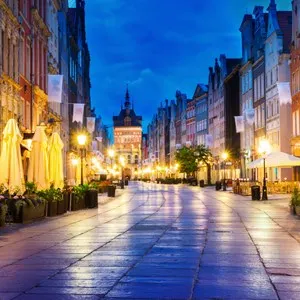
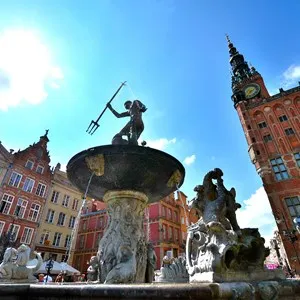
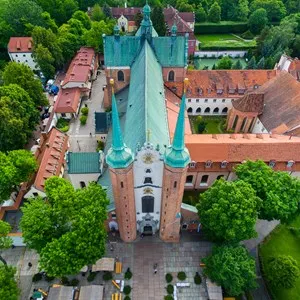
Gdansk offers several must-see attractions, including the historic Long Market and the iconic Neptune Fountain. Don't miss St. Mary's Church, the largest brick church in the world. The European Solidarity Centre and the Museum of the Second World War provide deep insights into the city's rich history.
Gdansk is well-connected by public transportation, including buses and trams, which are efficient for getting around the city. Walking is also a great option, especially in the Old Town area. For longer distances, taxis and ride-sharing services are available. Consider renting a bike to explore the city’s scenic routes.
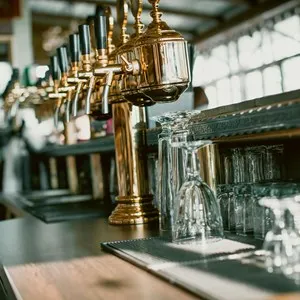
Gdansk is known for its hearty Polish cuisine. Be sure to try pierogi (dumplings filled with various ingredients), bigos (a traditional meat and cabbage stew), and fresh seafood from the Baltic Sea. For dessert, try the local specialty, Sernik (Polish cheesecake). Pair your meal with a glass of local beer or a shot of Polish vodka.
Yes, Gdansk hosts several cultural events and festivals throughout the year. The St. Dominic's Fair, held in August, is one of the largest and oldest fairs in Europe, featuring crafts, food, and entertainment. The Gdansk Shakespeare Festival in July is another highlight, celebrating the city's connection to the playwright with performances and workshops.
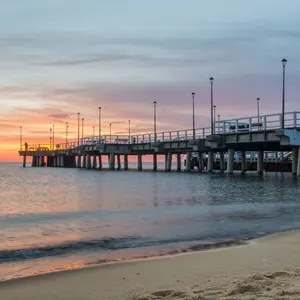
From Gdansk, consider a day trip to Sopot, a charming seaside resort known for its sandy beaches and the longest wooden pier in Europe. Another popular excursion is to Malbork Castle, a UNESCO World Heritage site and the largest brick castle in the world, located about an hour's drive from Gdansk.