

Poland Travel & Vacation Guide


Cities & Region
Frequently Asked Questions
U.S. citizens can enter Poland for tourism or business without a visa for up to 90 days within a 180-day period. A valid U.S. passport is required, and it must be valid for at least three months beyond the planned departure date from the Schengen Area. It's always a good idea to check the latest entry requirements with the Polish consulate or embassy before traveling.
The currency used in Poland is the Polish Zloty (PLN). Credit cards are widely accepted in larger cities, hotels, restaurants, and shops. However, it's advisable to carry some cash, especially when visiting smaller towns or rural areas where card payments might not be an option. ATMs are readily available for withdrawing local currency.
The best time to visit Poland largely depends on your interests. Spring (April to June) and fall (September to October) offer mild weather and fewer crowds, ideal for sightseeing and outdoor activities. Summer (July to August) is warm and vibrant, with numerous festivals, but it can be crowded, especially in tourist hotspots. Winter (December to February) is perfect for enjoying Poland's Christmas markets and winter sports in the mountains.
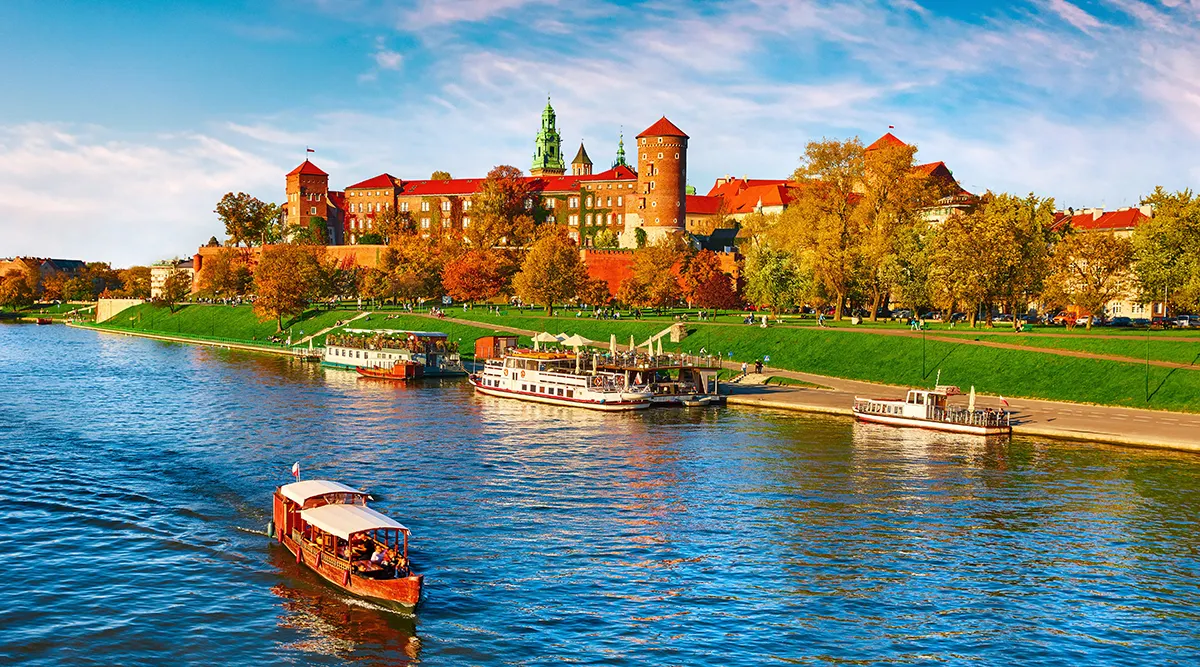
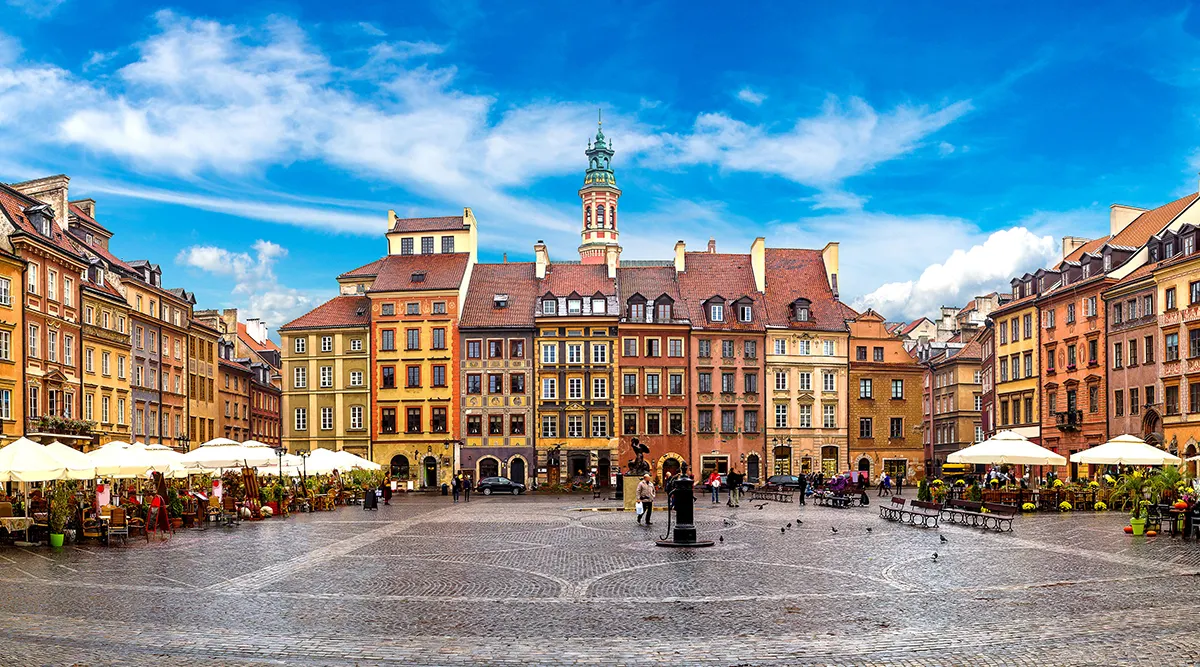
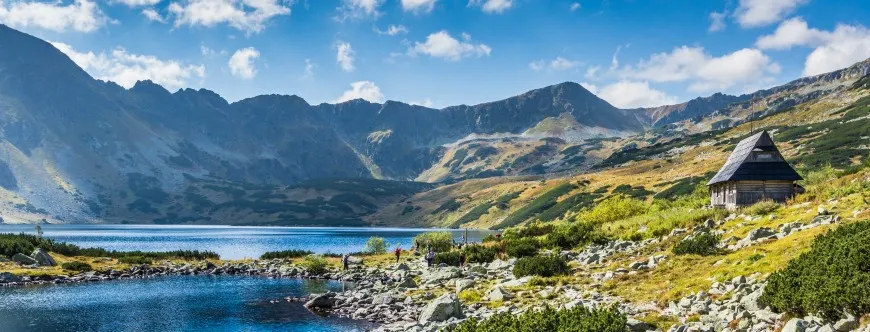
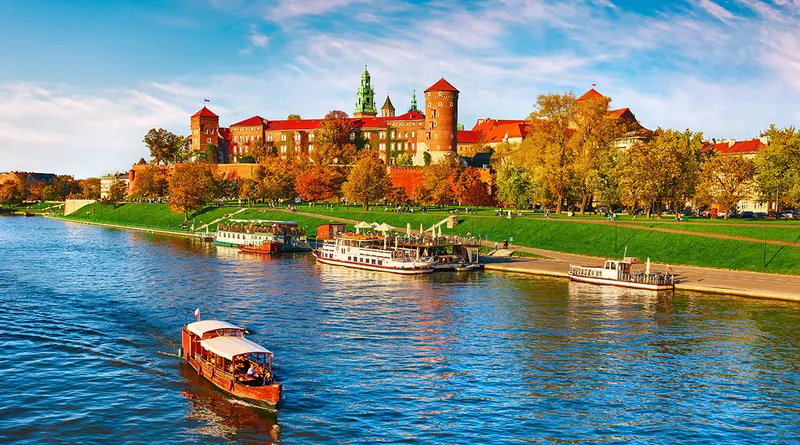
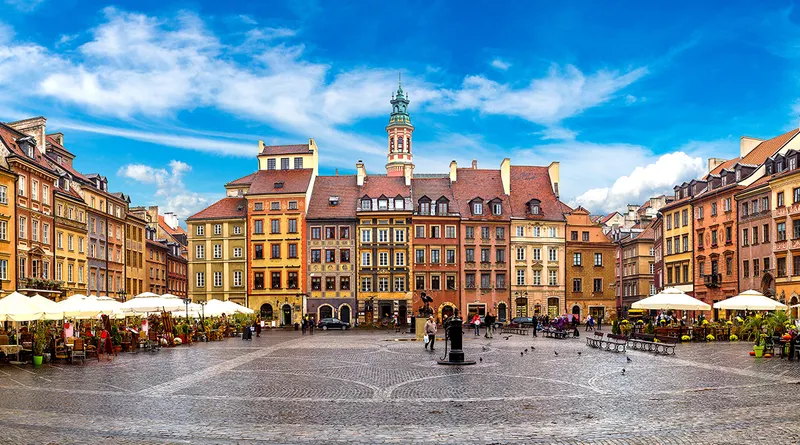
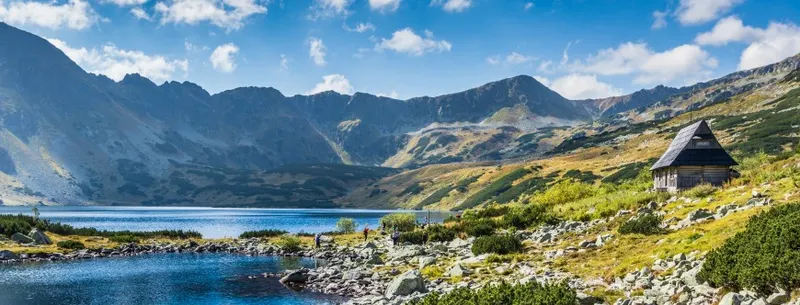
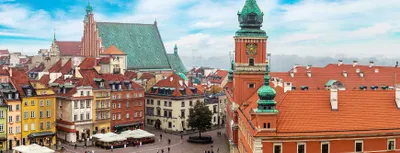
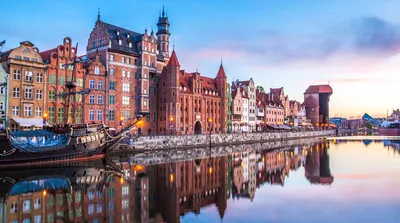
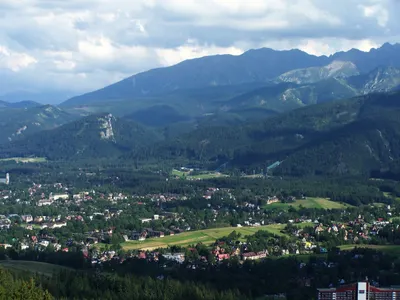
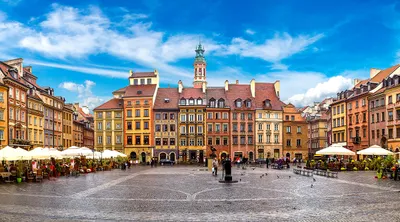
Poland offers a rich tapestry of attractions. In Warsaw, explore the historic Old Town and the Royal Castle. Kraków's Wawel Castle and the historic Jewish Quarter are essential visits. The Wieliczka Salt Mine near Kraków is a UNESCO World Heritage site. Gdańsk, with its maritime history and beautiful architecture, is another highlight. Don't miss the Tatra Mountains for hiking and Zakopane for its unique highlander culture.
Polish cuisine is hearty and flavorful. Be sure to try pierogi, which are dumplings filled with various ingredients like potatoes, cheese, or meat. Bigos, a hunter's stew made with sauerkraut and meat, is a traditional favorite. Żurek, a sour rye soup often served with sausage, is another must-try. For dessert, sample sernik, a Polish-style cheesecake, or paczki, delicious filled doughnuts.
Poland has a well-developed transportation system. Trains are a convenient option for traveling between major cities, with the Polish State Railways (PKP) offering reliable services. Buses are available for reaching smaller towns and rural areas. In cities, public transportation like trams and buses are efficient and affordable. Renting a car is an option for more flexibility, especially if you plan to explore the countryside.
Poland hosts numerous cultural events and festivals throughout the year. The Kraków Film Festival in May and the Warsaw Film Festival in October are popular among film enthusiasts. The Wianki Festival in Kraków, celebrating the summer solstice, features music and traditional customs. In Gdańsk, the St. Dominic's Fair in July and August is one of the largest trade and cultural events in Europe, offering crafts, food, and entertainment.