

Details for Gdansk
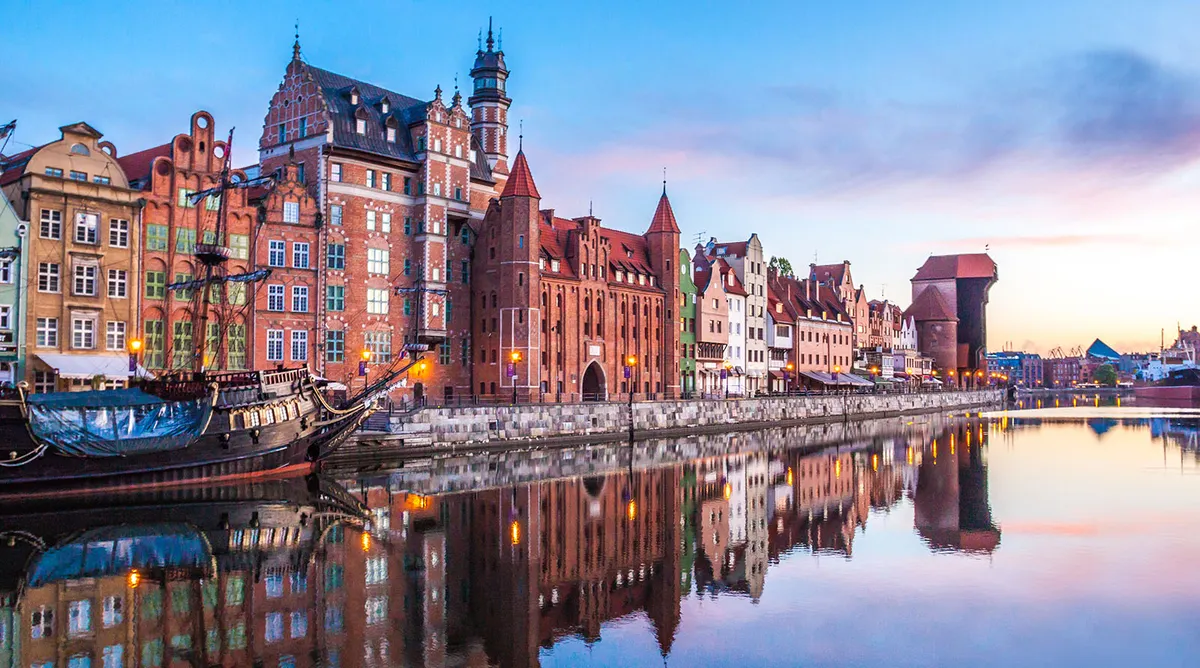
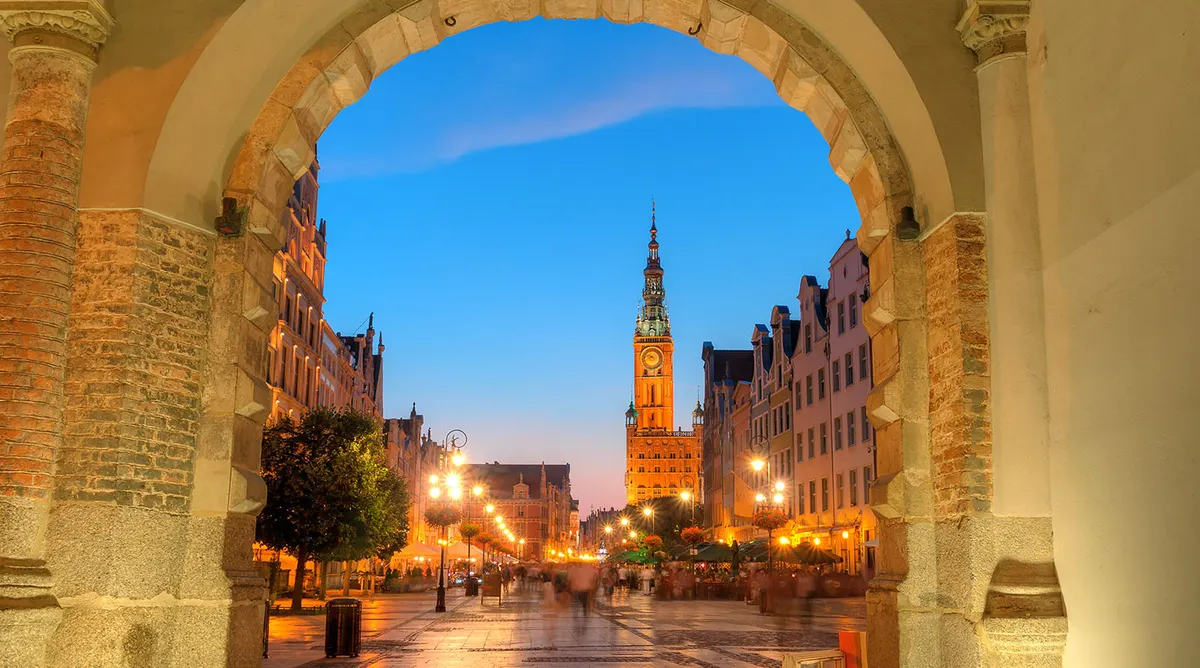
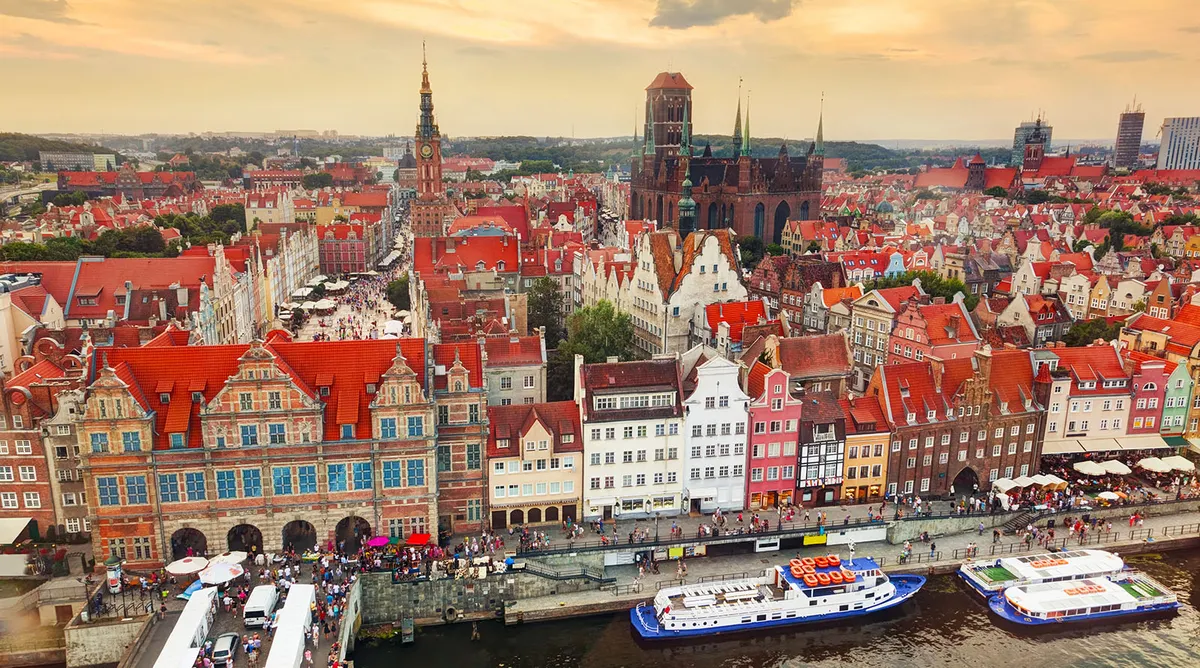




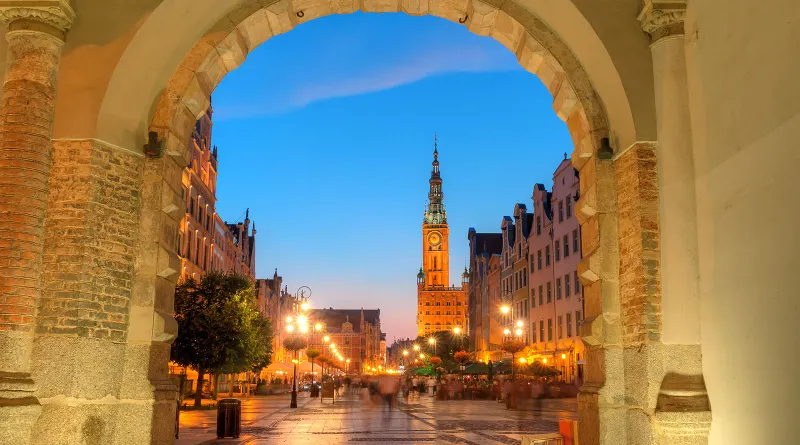
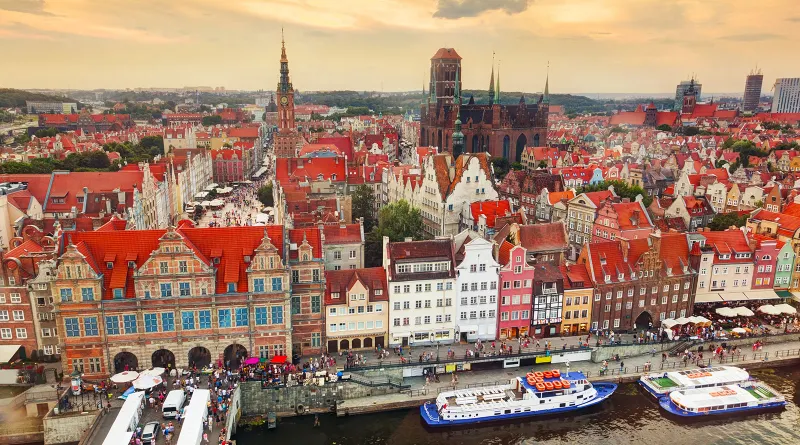
Gdansk During its over a thousand-year-long history, the city of Gdańsk has witnessed events that changed the world. It is the place where, on 1 September 1939, the event that changed the world started – World War II. At the same time, Gdańsk is the birthplace of Solidarity, the social movement that led to the fall of communism. Sopot Sopot is a famous health resort and spa. The city never sleeps, with artistes, scientists and tourists mixing around the clock. Sopot hosts various events such as exhibitions, concerts, festivals, conferences and international meetings. The streets are crowded with cafes, restaurants, and art galleries; the beach, visible from various points in the city, offers a pleasant alternative to Gdynia and Gdańsk. It is a place to relax after a long day. Gdynia Gdynia was created from the sea and dreams of the post-war generation of Poles, according to the words of Stefan Żeromski, the Polish writer of the times, “…a poem created in wood, stone, concrete and iron, an overwhelming drama depicting the taking from the sea of the forces of water, depth and power…”. Today it is a modern and dynamically growing city with its modern development and economy, open towards the sea.
461,800
1 Polish zloty = 100 groszy
Emergency Number: 112
Police: 997
Fire brigade: 998
Medical: 999
Shops in Gdansk are usually open 11.00 to 19.00, Monday-Friday and 07.00 to 13.00 on Saturdays. Most shops are closed on Sundays.

























The best time to visit Gdansk is from May to September when the weather is warm and ideal for exploring the city's outdoor attractions and beaches.
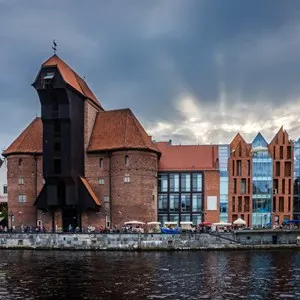
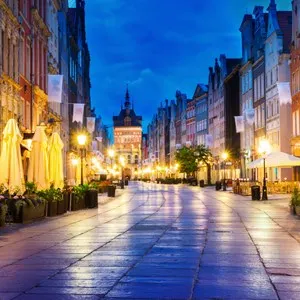
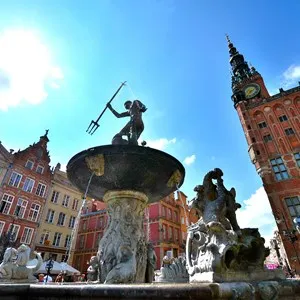
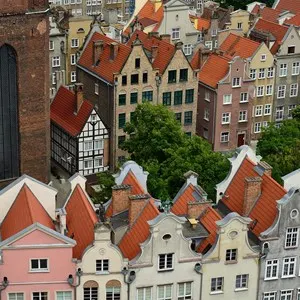
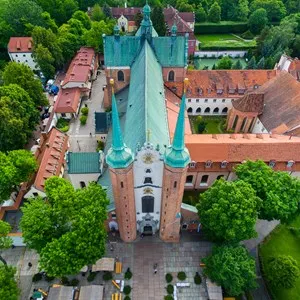
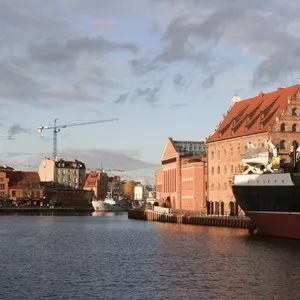
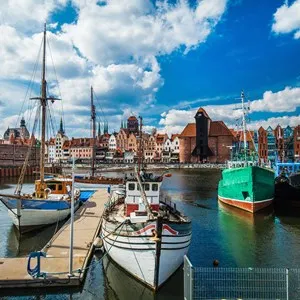
Must-see attractions in Gdansk include the historic Long Market, St. Mary's Church, the European Solidarity Center, and the picturesque Gdansk Crane.
Gdansk is easily accessible by train from major Polish cities like Warsaw and Krakow, with frequent services operated by PKP Intercity.
In Gdansk, try local dishes such as pierogi (dumplings), kaszanka (blood sausage), and fresh Baltic fish, often served with potatoes.
To fully experience Gdansk, plan to spend at least three days exploring its historical sites, museums, and nearby beaches.
Popular day trips from Gdansk include visiting the medieval Malbork Castle and exploring the scenic Hel Peninsula.
The best way to get around Gdansk is by using the efficient public transport system, which includes trams and buses, or by walking in the city center.