

Details for Girona
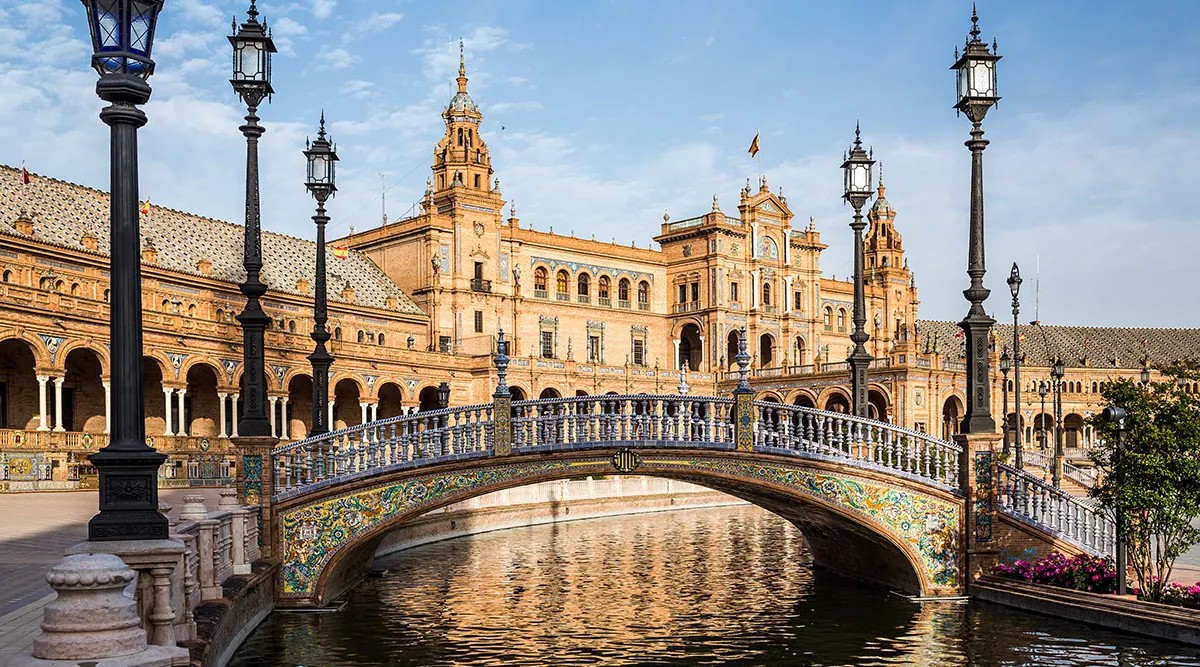
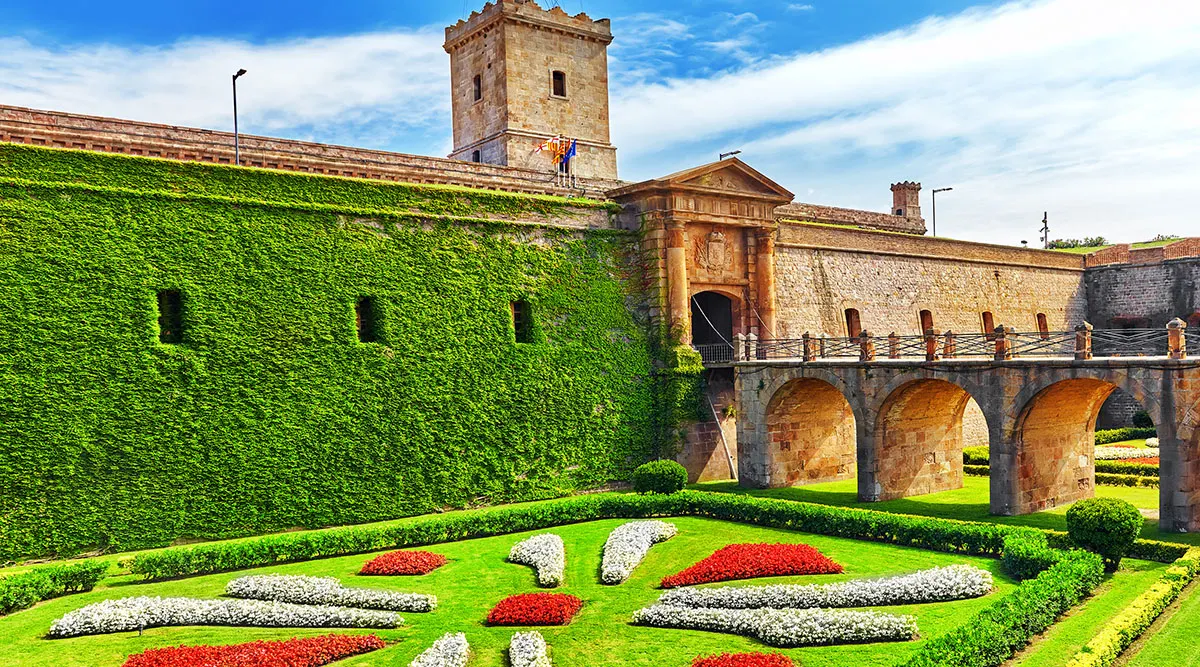
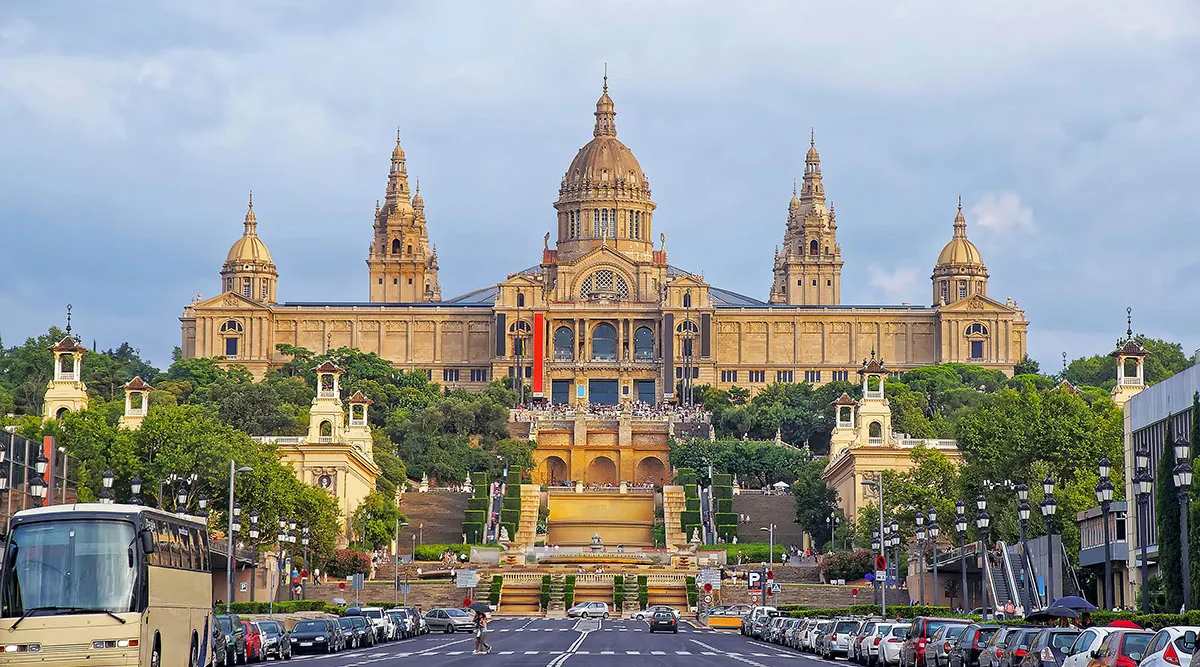
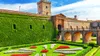
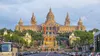
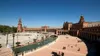

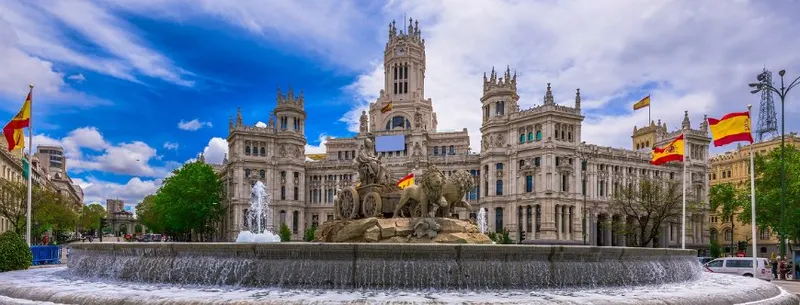
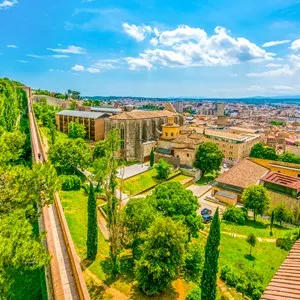
Girona presents an intriguing blend of medieval history and contemporary Catalan life. Less than an hour from Barcelona, this northern Catalan regional capital is bisected by the Riu Onyar, its famously colourful riverside houses reflected in the water. These buildings, painted in warm ochres and deep reds, provide a striking visual link between the ancient and modern halves of the city. The historic eastern bank is a labyrinth of cobbled lanes, secluded plazas and well-preserved medieval walls. Here, the Call — one of Europe’s best-preserved Jewish quarters — offers a quiet network of stone stairways and archways to explore. A walk along the Passeig de la Muralla, the restored city ramparts, provides sweeping views over the terracotta rooftops and church spires. Across the river, the modern commercial centre pulses with a different energy, driven by a large student population. This contrast is perhaps best seen from the city’s bridges — from a stone footbridge to the sleek ironwork of the Eiffel Company's Pont de les Peixateries Velles. Today, Girona is a destination in its own right, known for its innovative dining scene, hip boutiques and dynamic cultural calendar, including the renowned spring flower festival. It offers a compelling and more relaxed alternative to Barcelona, without sacrificing any of the depth or character.
100,266
Euro, €1 = 100 cents
Emergency: 112
Local police: 092
Fire department: 086
Urgent medical service: 061
Shops are normally open Monday to Saturday from 9am to 1:30pm and 4:30pm to 8pm, while large department stores tend to open 9am–9pm Monday to Saturday. Restaurants serve food from 12:30pm to 4pm and again from 8pm to midnight. However, many of them are closed on Mondays.
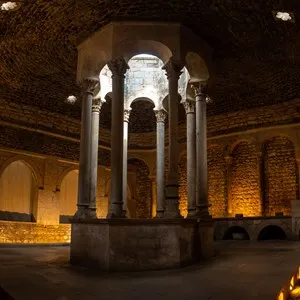
Arab Baths
Arab Baths
The Arab Baths are a striking example of 12th-century Romanesque architecture, inspired by Roman and Islamic bathhouse traditions rather than built by them. Designed during a period of Christian rule, they served as public baths for Girona’s diverse medieval community, blending functional elements from Roman thermae, Muslim hammams, and Jewish purification rituals. The centrepiece is the apodyterium (changing room), a sublime octagonal space crowned by a dome and supported by slender columns, where a central pool reflects light from above. Other rooms — the frigidarium (cold bath), tepidarium (warm room) and furnace-heated caldarium (sauna) — showcase sophisticated hydraulic engineering. Despite damage during sieges and later use by Capuchin nuns, the baths were meticulously restored in the 20th century. Today, they offer a quiet glimpse into medieval daily life and the cross-cultural exchanges that defined the era.
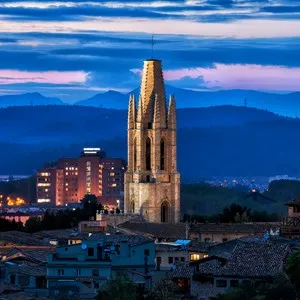
Basilica of St Felix
Basilica of St Felix
The Basilica of St Felix is one of Girona’s oldest churches, a site of continuous worship since the early Christian period. Its architecture is a palimpsest of styles: a Romanesque core, a majestic Gothic nave, and a Baroque façade topped by a distinctive truncated bell tower. The interior safeguards priceless treasures, including eight rare Roman and early Christian sarcophagi and the ornate 14th-century Gothic tomb of Sant Narcís, the city's patron saint. Though never the cathedral, its historical and artistic importance is profound. It remains an active parish church, offering a quieter but deeply atmospheric counterpoint to the larger cathedral nearby.
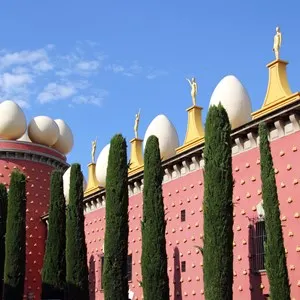
Dalí Theatre-Museum
Dalí Theatre-Museum
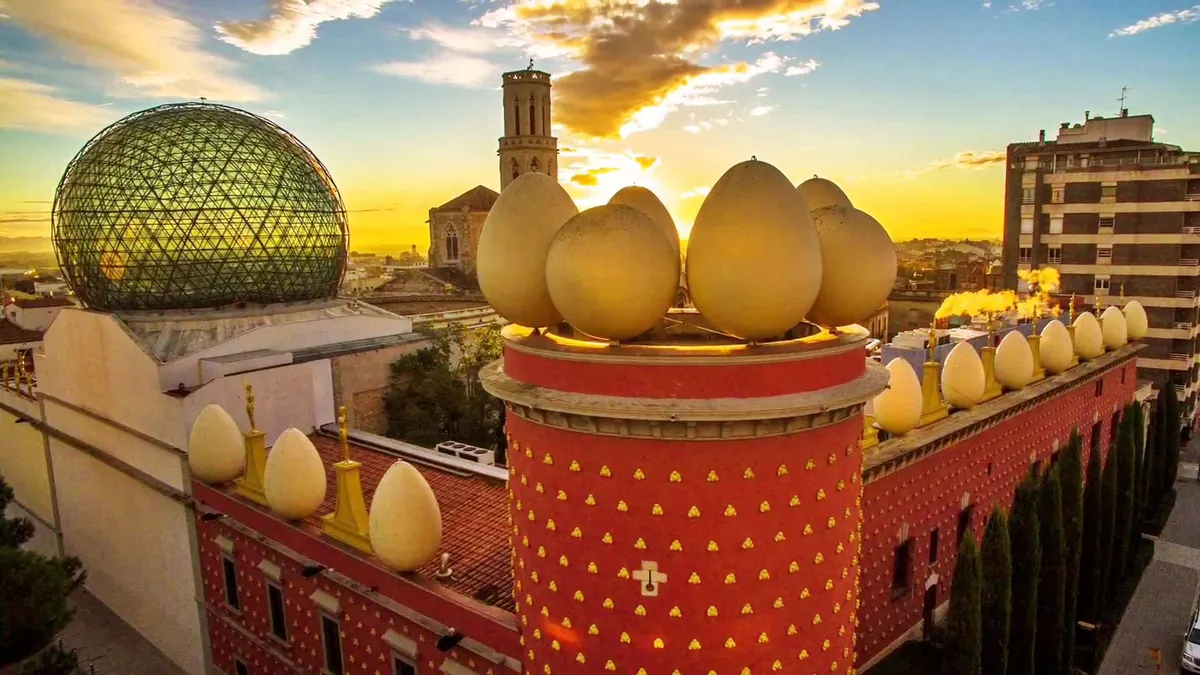
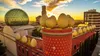
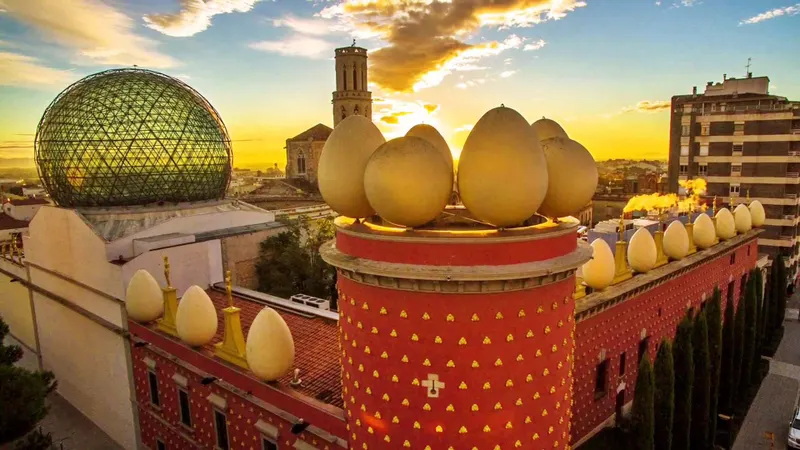
Take a 1-hour journey to Figueres, the birthplace of Salvador Dalí, and step into his surreal masterpiece — the Dalí Theatre-Museum, designed by the artist himself. Constructed to replace an old theatre that burnt down during the Spanish Civil War, the building is a work of surrealist art, topped with giant eggs and crowned by a geodesic dome. Inside, it holds the world’s largest collection of Dalí’s works, from early impressionist pieces like Port Alguer (1924) to later marvels like Galatea of the Spheres (1952). Don’t miss the Mae West room, an upside-down bathtub fixed to the ceiling, or the glittering jewellery collection. The artist himself is buried in a crypt below the stage, adding a layer of solemnity to the whimsy. Book tickets online to avoid long queues, and allow at least half a day to fully absorb the labyrinthine galleries, optical illusions, and the sheer audacity of Dalí’s vision.

Fundació Mona
Fundació Mona
Fundació Mona is a pioneering primate rehabilitation centre dedicated to rescuing and caring for chimpanzees and macaques recovered from abusive situations like circuses, the advertising industry and the illegal pet trade. Here, primates regain physical and emotional health while living in social family groups within large, naturalistic enclosures. Visits are educational and ethically focused: guided by expert staff, you’ll learn about primate behaviour, conservation challenges, and the stories of individual animals. Advance booking is essential, and tours emphasise respect for the residents’ well-being over entertainment. Through its work, Mona raises awareness about wildlife trafficking, species extinction, and the importance of protecting our closest evolutionary relatives.
Gala Dalí Castle & Museum
Gala Dalí Castle & Museum
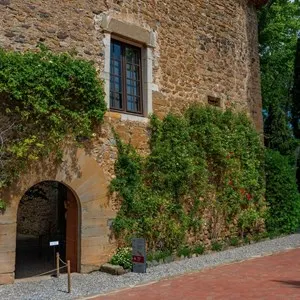
The Gala Dalí Castle in Púbol is a Gothic fortress transformed by Salvador Dalí into a secluded shrine for his wife and muse. Acquired in 1969, the medieval structure became a stage for their unconventional relationship — Dalí could only visit with Gala’s written invitation. He personally designed the interiors, blending Baroque furnishings with surreal touches: trompe l’oeil radiators, spindly-legged elephant sculptures in the garden, and celestial frescoes honouring Gala as a divine figure. After Gala’s death in 1982, the castle became her mausoleum (she lies entombed in the crypt) and Dalí’s final studio. Today, you can explore rooms frozen in time, from Gala’s lavish wardrobe to the artist’s melancholic paintings. Part love letter, part psychological portrait, it completes the “Dalí Triangle” alongside his Portlligat home and Figueres museum.
Girona Art Museum
Girona Art Museum
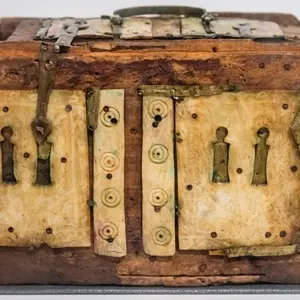
Housed within the historic Episcopal Palace that dates back to the 10th century, the Museu d'Art de Girona boasts the most important art collection in the province. Its chronologically arranged galleries guide visitors through Catalan artistic evolution, from striking Romanesque altarpieces and Gothic gold-leaf panels to Renaissance sculptures and Modernista works by artists like Santiago Rusiñol. Notable highlights include the 9th-century liturgical treasures from Sant Pere de Rodes, a 15th-century illuminated martyrology, and hauntingly beautiful Romanesque woodcarvings. The palace itself is a masterpiece. Don’t miss the medieval gaol and the serene gardens. Room 8, draped in Gothic religious art, feels like stepping into a cathedral shrine. With over 8,500 works and a programme of temporary exhibitions, this museum offers a profound dive into the region’s soul, all within a stone’s throw of Girona Cathedral.
Girona Cathedral
Girona Cathedral
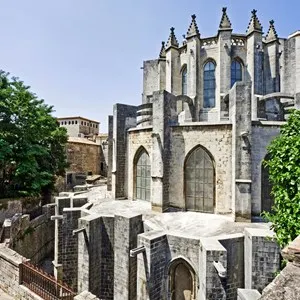
Crowning Girona’s skyline, the Cathedral of Santa Maria commands attention from the top of a majestic 86-step staircase. Its soaring Baroque façade, added in the 17th century, belies a far older history: foundations date to the 5th century, with a Romanesque church and 12th-century cloister still preserved within. The cathedral’s most notable feature is the 23-metre-wide Gothic nave (widest in the world!) completed in the 14th century and illuminated by vast stained-glass windows. Inside, the Museum of the Cathedral safeguards extraordinary treasures, including the 11th-century Tapestry of Creation, a vivid Romanesque depiction of divine order, and a gem-studded 14th-century silver altarpiece. The cloister captivates with carved capitals portraying biblical tales and mythical beasts. For context, use the included audio guide to unravel layers of history, from Roman forums to medieval masterpieces.
Golf de Pals
Golf de Pals
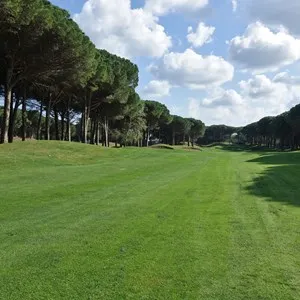
The de Pals golf course is located on the farmland of Arenals del Mar, among a stunning pine forest. The club boasts 18 pristine holes, as well as a welcoming clubhouse with dining, a TV room and a games room, as well as a shop and facilities for rental equipment.
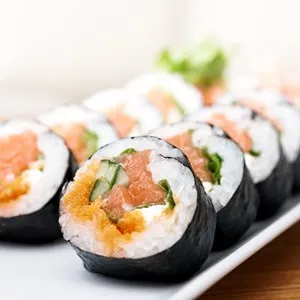
Apple Cafe Restaurant
Apple Cafe Restaurant
Tasty, laid-back and inexpensive, Apple Cafe Restaurant serves some of the best sushi in town, along with other Japanese specialities and some other options of Asian cuisine. Being a Girona establishment, they also have a very decent wine list to accompany your meal with a local vintage.
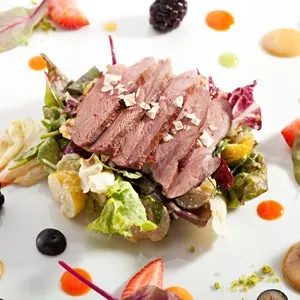
Casa Marieta
Casa Marieta
Casa Marieta is one of Girona’s oldest and most emblematic restaurants, offering traditional Catalan specialities from its central location at Plaça de la Independència. Favourite dishes include Iberica ham, chicken croquettes, salt cod and lamb cutlets, best accompanied by a choice vintage from the wine cellar. It is highly recommended to book ahead, as it can be difficult to find a table unless you're willing to eat very early.
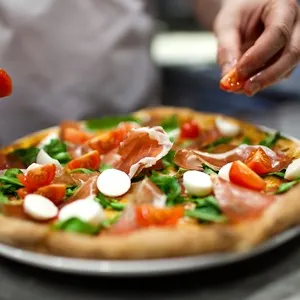
Corsaro Els Químics
Corsaro Els Químics
With its four locations in Girona, Corsaro is one of the most popular pizzerias in the city. Prices are very affordable and service is fast, so it's perfect if you're looking for a quick bite to eat while out and about exploring the city.
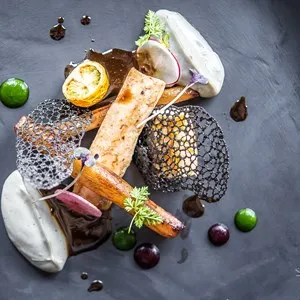
Divinum
Divinum
Divinum is another of Girona's best gourmet restaurants, run by top chefs who learned their trade from world-famous chef Joan Roca of El Celler de Can Roca. They offer sensational tasting menus and ever-changing seasonal menus as well, all of course paired with the finest vintages from the cellar.
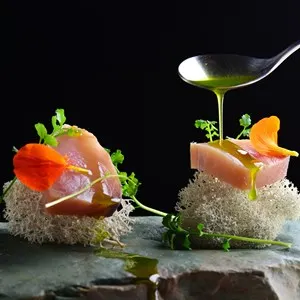
El Celler de Can Roca
El Celler de Can Roca
El Celler de Can Roca is the internationally famed restaurant of the Roca brothers, three expert chefs known worldwide for their spectacular Catalan cooking. Three brothers — three Michelin stars! It's absolutely necessary to book ahead, and if you manage to make a reservation, you are in for one of the best meals of your life.
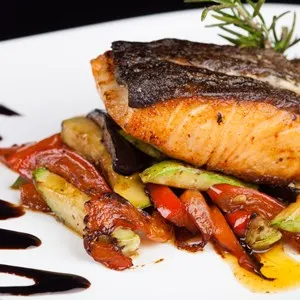
Fonda Cal Ros
Fonda Cal Ros
Fonda Cal Ros, located in a rustic 12th-century building in Girona's old quarter, serves traditional Catalan cuisine with a modern twist. The bacallà (cod) with pistachios and olives comes highly recommended, as does the fillets de llenguado (sole) in cava.
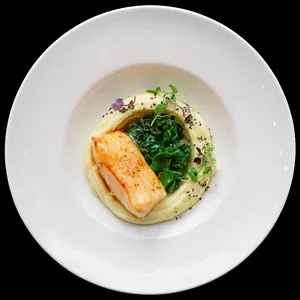
Les Magnòlies
Les Magnòlies
Les Magnòlies is located in the town of Arbúcies, to the southwest of Girona and close to the Parque Natural del Montseny. Those willing to venture to this beautiful area will be greatly rewarded with mouth-watering cooking. The restaurant serves Mediterranean cuisine in a modern style, and both mains and desserts deserve a taste. The restaurant has a Michelin star!
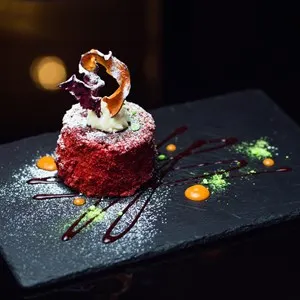
Massana
Massana
Massana holds a Michelin star, a testament to over 25 years of culinary excellence that builds on its origins as a family-run establishment. The kitchen creates innovative dishes with inventive flavour combinations. A notable offering is an extensive 15-course lunch menu, paired with regional wines, served within an elegant setting that reflects Girona's fine dining tradition.
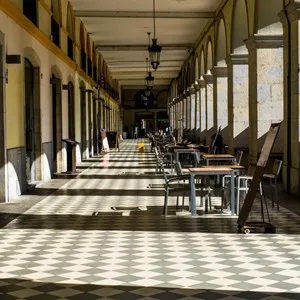
Café Royal
Café Royal
If you can put up with occasionally sub-par service, Café Royal is one of the liveliest and most stylish café-bars in Girona, right on the Plaça de la Independència. The shaded portico is a great place to relax during the day and an excellent starting point for a night out. Restore your strength with a café bombó or cool down with an Aperol Spritz!
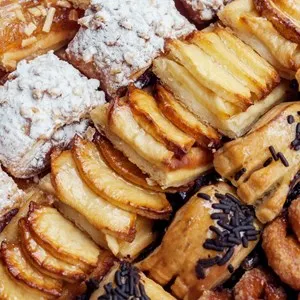
Cafeteria El Pessic
Cafeteria El Pessic
El Pessic has a wide selection of quick snacks and light meals, including typical options like empanadas and coques, but the real draw is the heaps of seductive pastries (both sweet and savoury) and baked goods that line the windows and tempt passers-by into popping in.
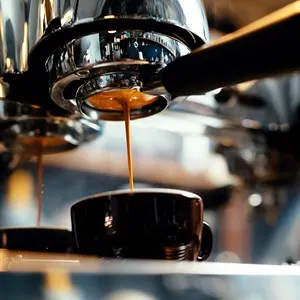
Espresso Mafia
Espresso Mafia
Espresso Mafia occupies a bright, open space where modern white interiors contrast with original stone walls and wood beams of the covered terrace. The café is recognised for its serious approach to coffee, using carefully roasted, sustainable beans prepared by skilled baristas.
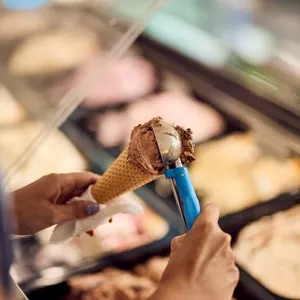
Gelateria La Gioconda
Gelateria La Gioconda
Besides the great selection of different and creative flavours of ice cream (including Kinder Bueno, pistachio and turrón, among many others) and Illy coffee, locals come to Gelateria La Gioconda for their orxata, a traditional nut-based beverage, made fresh daily.
L’Arc
L’Arc
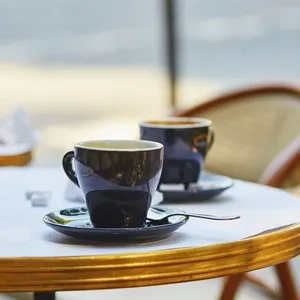
L’Arc sits at the foot of the steps that lead to the imposing cathedral, and has for 50 years provided a first-row seat to the city's most iconic structure. It is especially popular among students, artists and tourists, and is thus always lively. Try the ratafia, a drink made from 80 herbs, best served over ice.
La Fabrica
La Fabrica
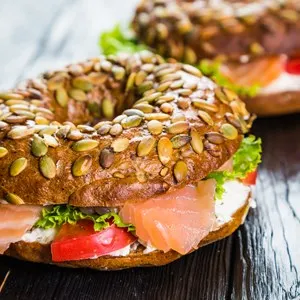
Established and run by professional cyclist Christian Meier and his wife Amber, La Fabrica is a wonderful speciality coffee shop, the city's high-quality first third wave coffee. The building's original stone walls are exposed throughout the cafe, decorated with cycling photos and memorabilia, making it a unique spot in Girona.
Originem
Originem
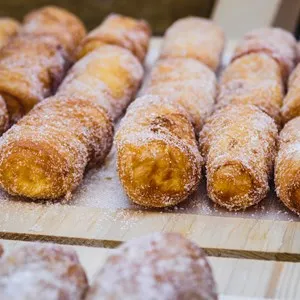
Originem is a specialty coffee shop and brunch spot in central Girona, celebrated for its commitment to local producers and zero-waste ethos. The menu features organic, kilometre-zero ingredients, with vegan options like seasonal toasts and cakes alongside traditional Catalan pastries. Don’t miss the xuixo (a sugar-dusted custard pastry) or a glass of herbal ratafía liqueur. The cosy interior doubles as a small market selling regional products. With no reservations and a relaxed vibe, it’s a perfect pause for conscious travellers.
Saratoga Cafe
Saratoga Cafe
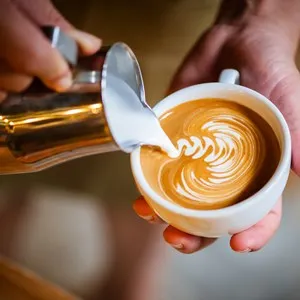
Saratoga Cafe combines a simple, elegant setting with attentive service and strong value. The set-menu lunches and weekend dinners are particularly popular with local residents, as are the breakfast offerings and carefully prepared coffee.
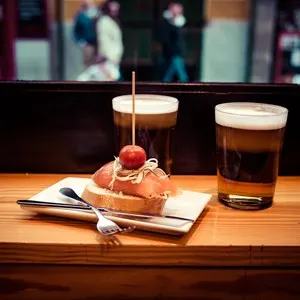
La Tòria
La Tòria
La Tòria, known for its inventive tapas and considered selection of craft beers, occupies a corner spot near the City Hall. Its combination of a central location, creative food and quality drinks makes it a reliable and well-regarded choice.

Lapsus Cafè
Lapsus Cafè
The centrally-located Lapsus, right in the heart of the city on Plaça de la Independència, transitions smoothly from a cafe by day to a lively bar at night. It's very popular with locals, and visitors can get a taste of Catalan hospitality, spending hours talking and watching the busy life of Girona's central square.
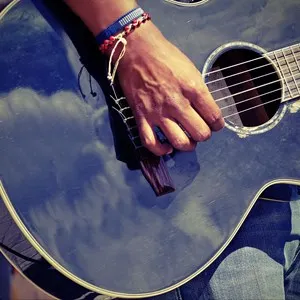
Lola Cafè
Lola Cafè
Lola Café brings a vibrant Latin American energy to Girona's old quarter, making it a popular spot to begin an evening. The bar serves a selection of classic cocktails throughout the week. Its key draws are the live music nights on Wednesdays and Thursdays, featuring accomplished Latin-American and Catalan rumba artists, alongside regular karaoke events.
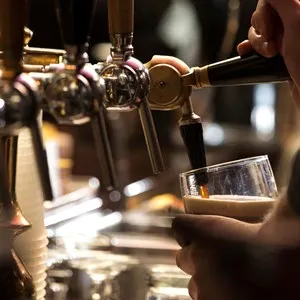
McKiernans
McKiernans
Girona's Irish pub par excellence, McKiernans has a great range of imported beers, as well as other beverages and standard pub fare. As any Irish pub should be, this place is all about good beer, good conversation and an all-around good vibe.
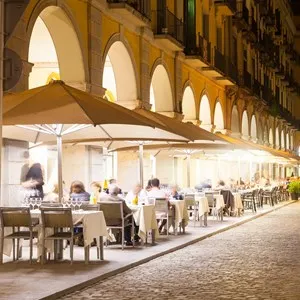
Nightlife at Plaça de la Independència
Nightlife at Plaça de la Independència
Girona’s central square is a meeting place for people of all ages at any hour of the day, but after dark is when it really comes to life. That's when students, tourists and workers gather in throngs to eat, drink and be merry in the numerous restaurants and bars that surround the plaza. It is, by far, the best place to experience Girona's nightlife and immerse yourself in the spirit of the city.

River Girona
River Girona
The River Girona is a great option for celiacs, be it for breakfast, a light snack or a larger meal, since up to 90% of their dishes are gluten-free. After dark, the café-bar becomes quite a happening spot, with cold beer, brightly-coloured cocktails, football on large screens, and occasional live music.
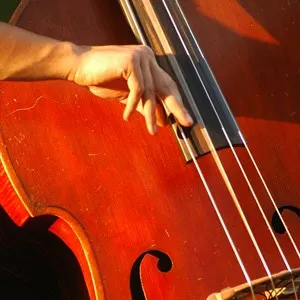
Sunset Jazz Club
Sunset Jazz Club
Girona's only jazz club plays live music most days of the week. Both international and national musicians come here to jam in the bar's small and intimate, yet comfortable space, and crowds gather to enjoy the show and sip on the wonderful house cocktails.
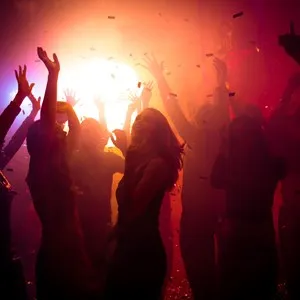
Yeah! Girona
Yeah! Girona
Yeah! Girona furiously says No! to anything mainstream. The DJs spin exclusively indie and underground music, and live performances always feature the best of local alternative music. It's the place to head for a different sort of night out, a place full of character and originality.

El Corte Inglés
El Corte Inglés
Girona’s branch of the largest Spanish department store, El Corte Inglés, can be found south of the old quarter. Clothes, accessories, a superb food court and nearly anything else you might need or want to purchase during your stay can probably be found here.
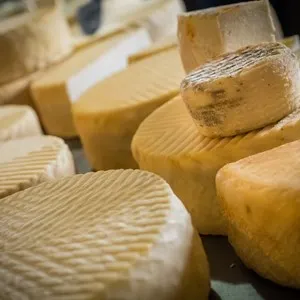
La Noucentista
La Noucentista
Formerly a much-loved 'colmado' (traditional Catalan grocery shop), La Noucentista has renovated, modernised and established itself as one of the best cheese specialists in Girona, with over 200 varieties from Spain, France, Italy, and of course, Catalonia.
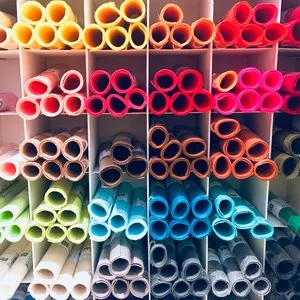
Papers Girona
Papers Girona
Papers is a special gift shop that specialises in paper mache sculptures, hand-painted fans, notebooks and customisable photo albums of all sizes. Though everything at Papers is quirky and unique, the huge amount of Tintin paraphernalia takes first prize in originality and nostalgia.
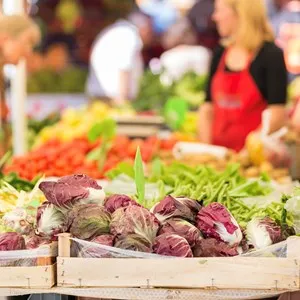
Parc de la Devesa Market
Parc de la Devesa Market
Tuesdays and Saturdays are market days at the beautiful Parc de la Devesa, with stalls selling clothes, handicrafts and food products. It is a fascinating window into local food culture, displaying fresh produce, meats, jams and nuts, as well as miscellaneous items and knick-knacks.
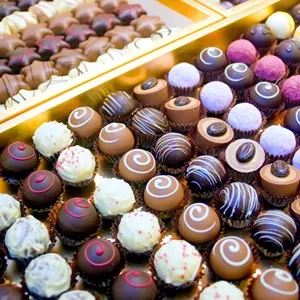
Pastisseria Can Xapa
Pastisseria Can Xapa
If anything warrants a trip outside of the city, it is Pastisseria Can Xapa. Located in a 13th-century castle in the town of Bordils to the northeast of Girona, this speciality chocolaterie and bakery boasts some of the finest creations around, including dark chocolate pralines and original recipes like the gin-and-tonic cake.

Rambla de la Llibertat
Rambla de la Llibertat
The best place to start a shopping tour of Girona is on Rambla de la Llibertat and the streets in and around the old quarter, which offer plenty of shopping. Just wander around and you'll easily find small boutiques and original shops that sell unique design items and clothing, as well as crafts, delicatessen, and much more.
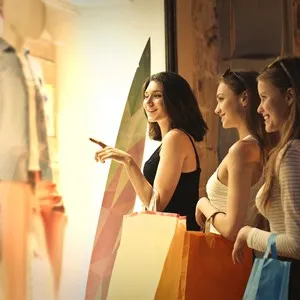
Santa Clara
Santa Clara
Across the Onyar River, you can find high-street shops along the length of the lively Santa Clara street with shops selling everything from shoes and clothing to interior design, home-ware, accessories and souvenirs. Explore some of the smaller sidestreets and alleys in the area to discover hidden gems with truly unique items.

The Espai Gironès
The Espai Gironès
Shopping addicts will find Girona’s new shopping paradise on the city outskirts alluring, to say the least. The Espai Gironès has more than 130 retailers, a multiplex cinema and a bowling centre.
Best Time to Visit
Best Time to Visit
Girona, located in Spain's northeastern Catalonia region, has a temperate climate throughout the year. The hottest months are June, July and August, with daytime temperatures easily reaching 30°C. During this period, the city becomes a favourite haunt for tourists from the world over, and the accommodation prices go up 60%. You can enjoy slightly cooler weather and more moderate prices during the shoulder seasons in April, May, September and even October. A notable exception is mid-May, when the city hosts the well-attended Temps de Flors festival. This event fills the historic centre with elaborate floral displays, creating a vibrant and celebratory atmosphere. Be aware that the festival draws very large crowds.
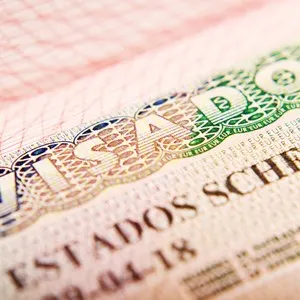
Passport & Visa
Passport & Visa
Citizens of European Union (EU) and European Economic Area (EEA) countries do not need a visa to enter Spain, only a valid ID. Many other countries, including the United Kingdom, United States, Canada, United Arab Emirates, Australia, and New Zealand, benefit from visa-free entry for short stays of up to 90 days within a 180-day period. Visitors from visa-exempt countries must hold a valid passport and, starting in late 2025, will need to apply for an ETIAS (European Travel Information and Authorisation System) authorisation online before travelling. For those requiring a visa, such as travellers from some Middle-East, African or Asian nations, a Schengen visa must be obtained prior to arrival. All travellers should ensure their passport is valid for at least three months beyond their intended stay.
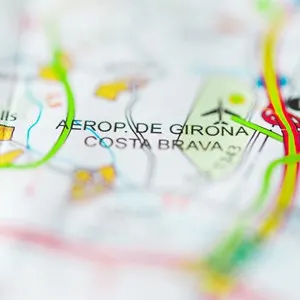
Girona–Costa Brava Airport (GRO)
Girona–Costa Brava Airport (GRO)
Girona–Costa Brava Airport sits 12 kilometres southwest of the city centre. Sagalés buses depart regularly for the 30-minute journey to Girona’s central station. Taxis queue outside arrivals, offering a quicker 15-20 minute ride into town. Insist on the meter for fair pricing.

Public Transport
Public Transport
Girona’s compact size makes its historic centre ideal for exploring on foot. For journeys further afield, the city offers ten local bus routes serving all major neighbourhoods. Purchase single tickets or travel cards directly from the driver when boarding. Intercity buses connect Girona to towns across Catalonia. The city’s main railway station, located west of the Old Town on Plaça d’Espanya, provides conventional services to Barcelona, Portbou, and the French border. It also serves as a stop on high-speed AVE routes linking Paris, Marseille, Toulouse, Figueres, Barcelona and Madrid.

Taxi
Taxi
You can also order a car from Taxi Girona (+34 972 222 323) or Girotaxi (+34 627 440 440). There is no Uber in Girona, but you can use a local app called Gitaxi. The rates are defined by the local government. There are taxi ranks at the train station and in front of the main Post Office, near Plaça de la Independència.
Bicycle
Bicycle
Girona, with its road biking routes is the perfect spot for cycling enthusiasts, pros and beginners. Cycling in the narrow streets of the city or in wider ones just a few metres away from the stone city walls will be an unforgettable experience, though it might be tiring if you aren't a pro. Contact Bikecat and book your cycling tour around Girona, or rent a bike from the aptly named Bike Rent Girona, and discover the city's hidden wonders. You can also subscribe to the public bicycle service called Girocleta, which provides bicycles for short journeys at stations located throughout the city. There is a 1-day option for visitors.
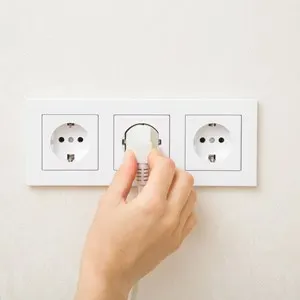
Electricity
Electricity
Spain’s power grid operates at 230 volts with a frequency of 50 Hz, using Type F (Schuko plug) and Type C (Europlug) outlets. Both types accept plugs with two round prongs, common across continental Europe.
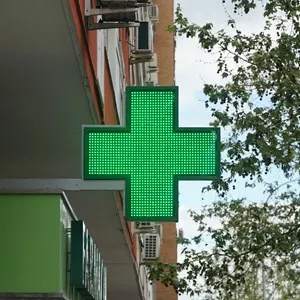
Pharmacy
Pharmacy
Pharmacies are marked with an illuminated red or green cross. To find an open pharmacy outside regular business hours, go to the nearest pharmacy and look at the rotation schedule with addresses printed on the door, or consult the schedule online.
Let’s plan your next vacation
Let us take care of all the details to create the perfect trip for you. With our expertise and personalized service, we will ensure that every moment of your trip is special and unforgettable. Get ready to embark on a dream adventure!