

Details for Ho Chi Minh
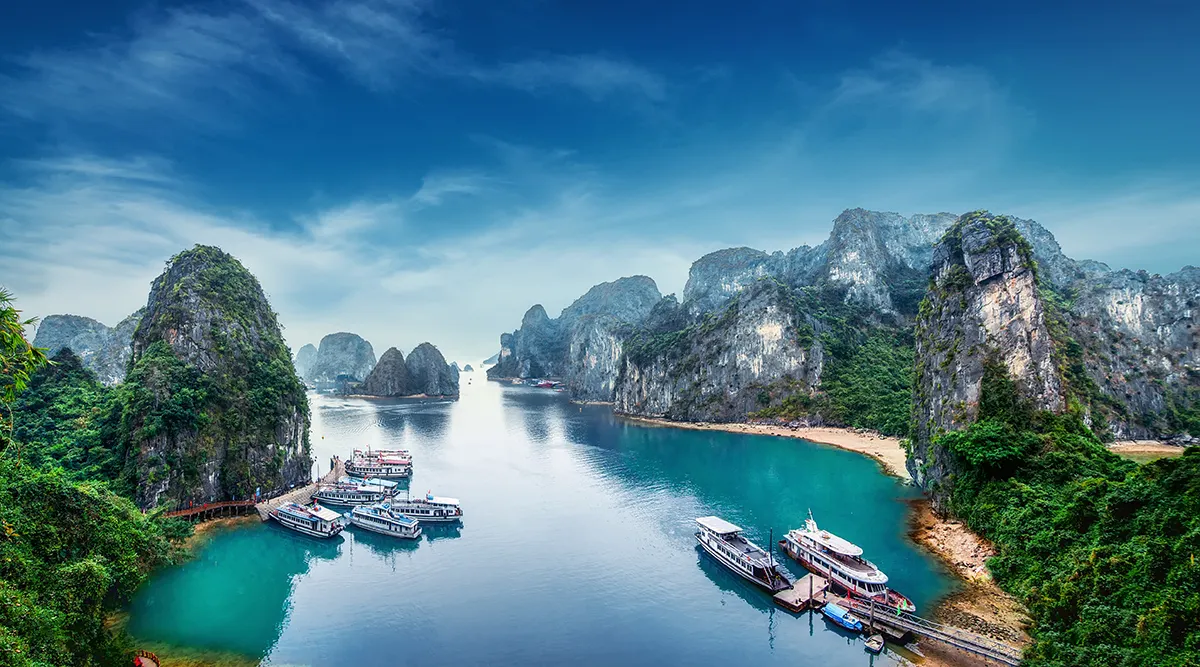
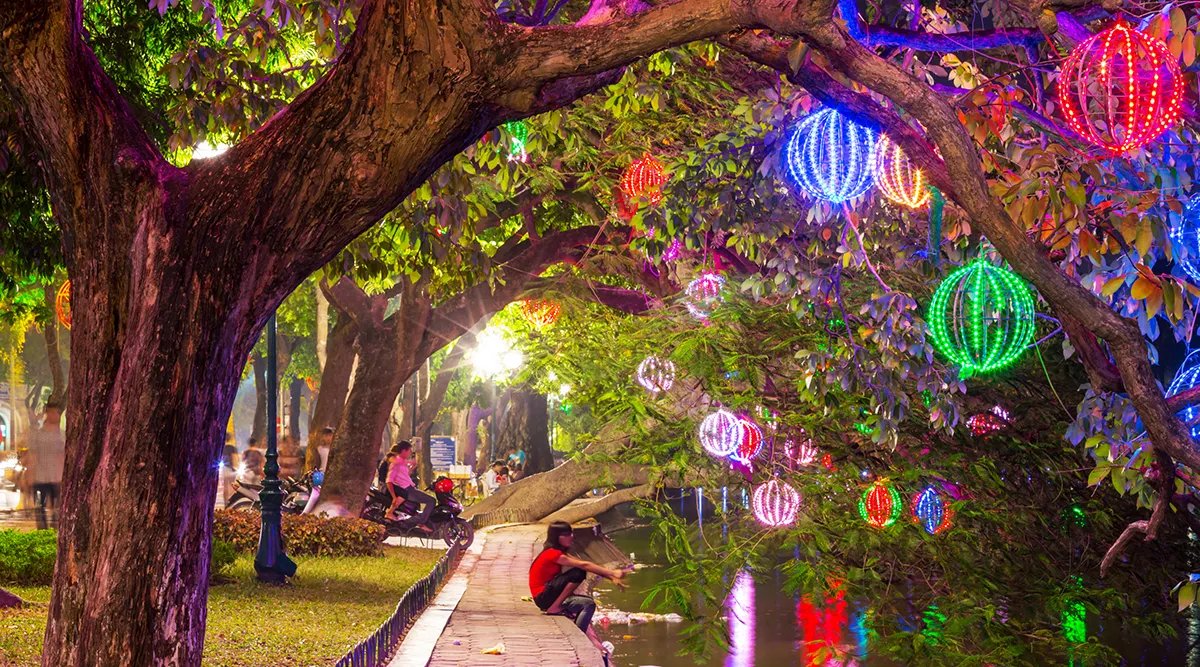
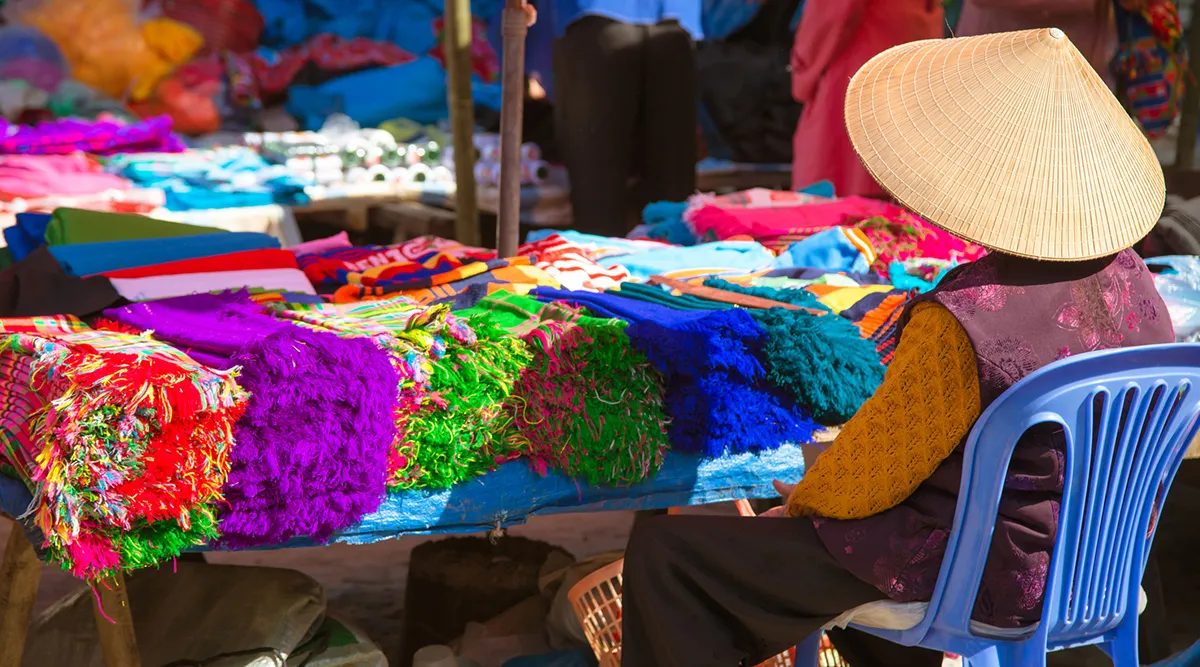
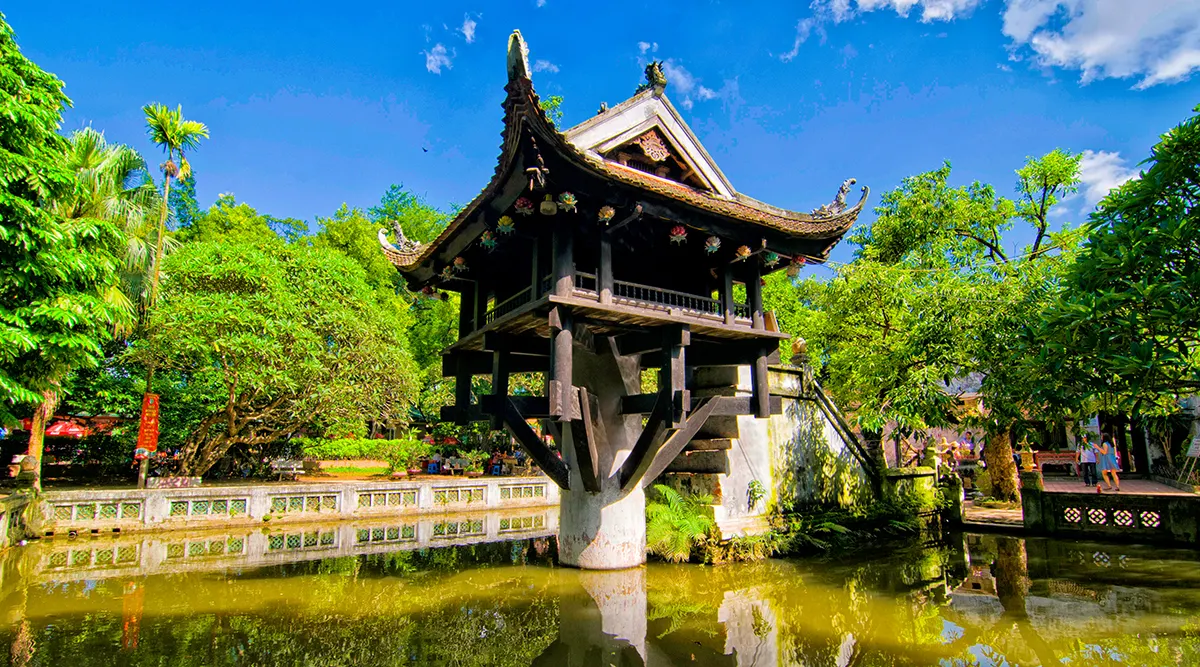
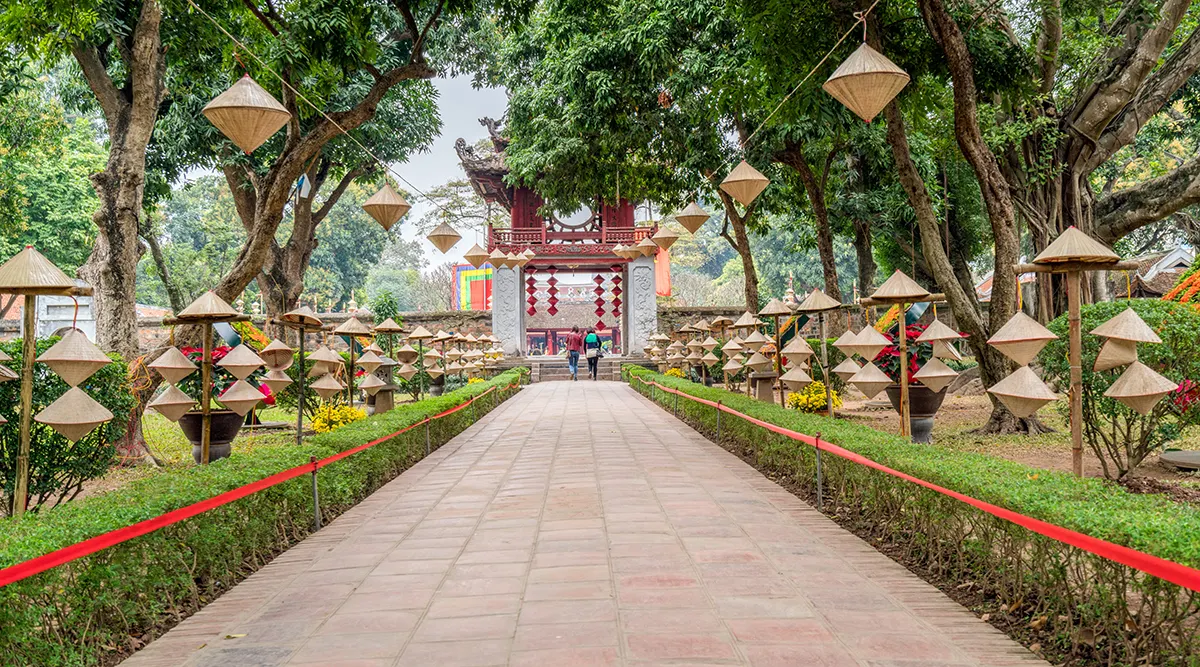
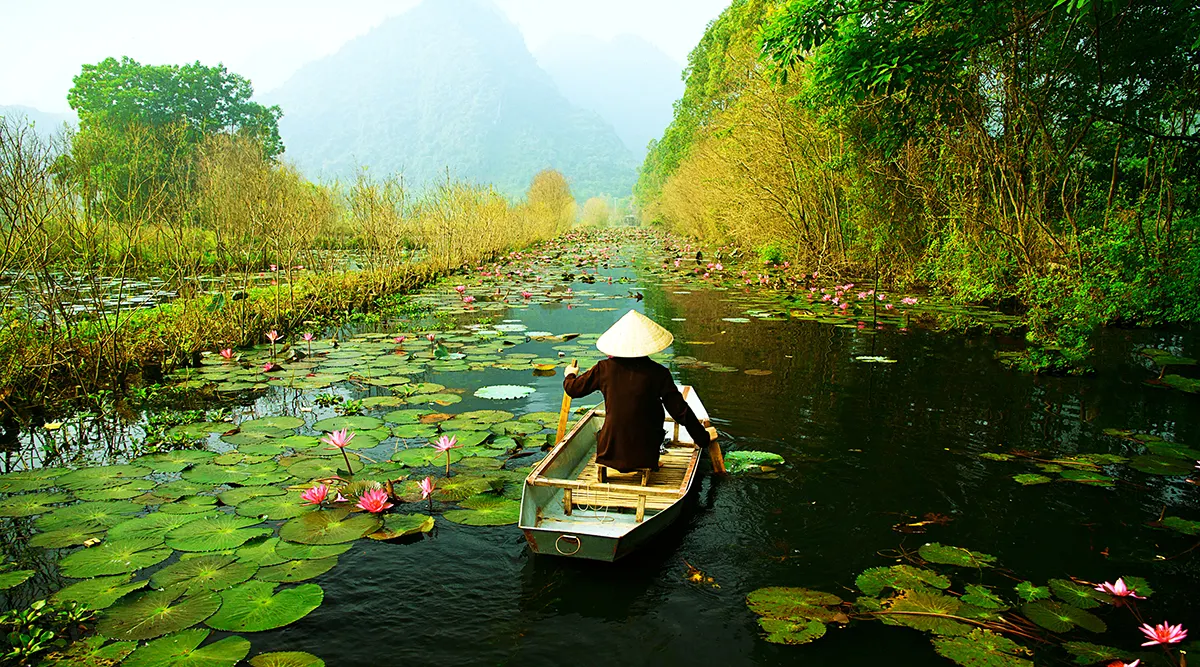
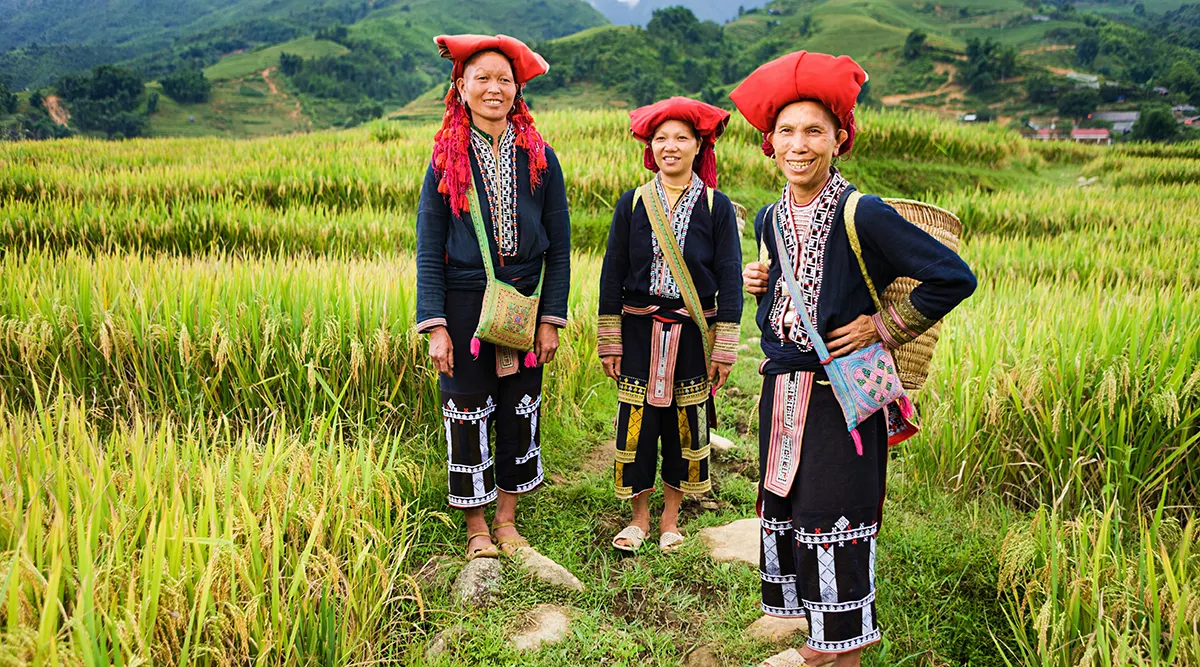
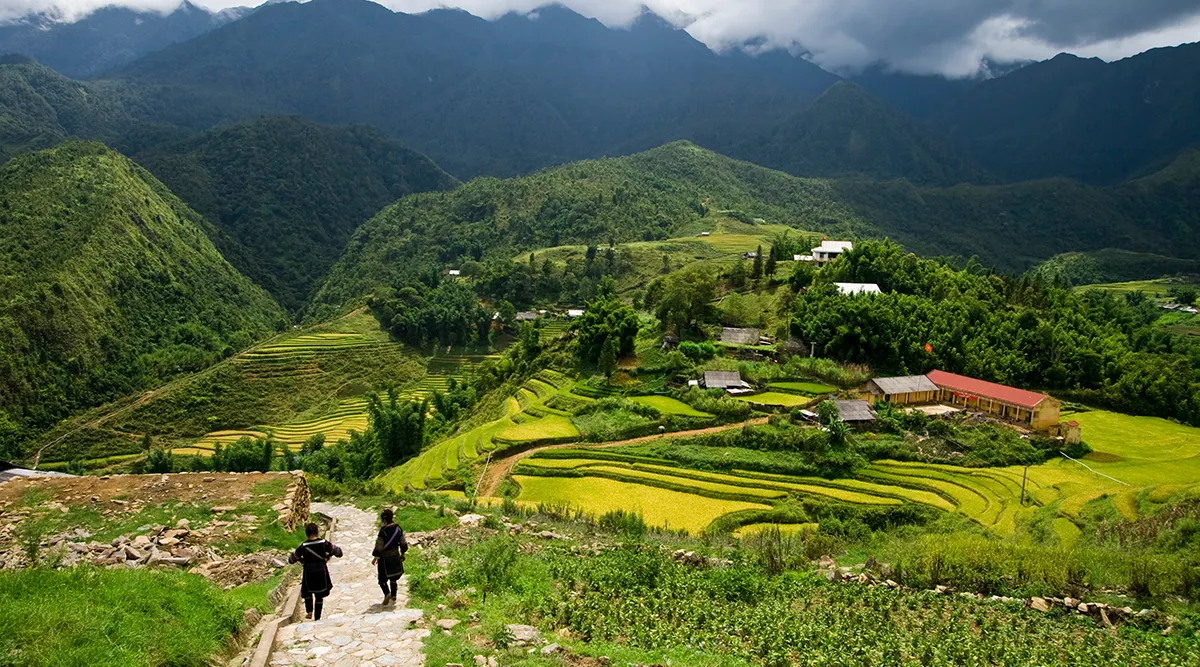









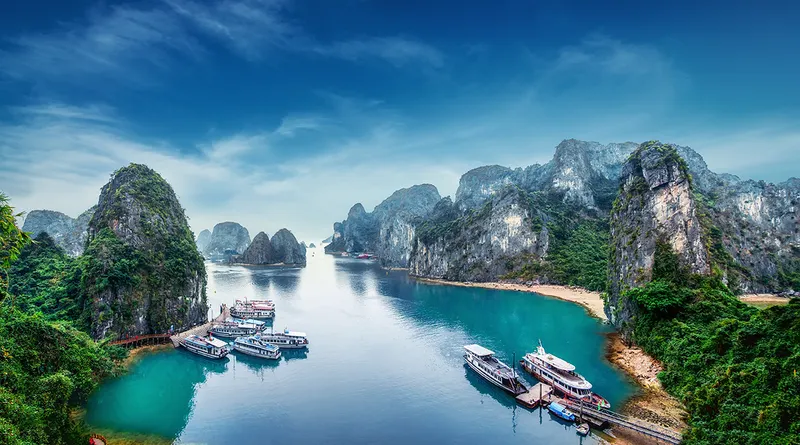
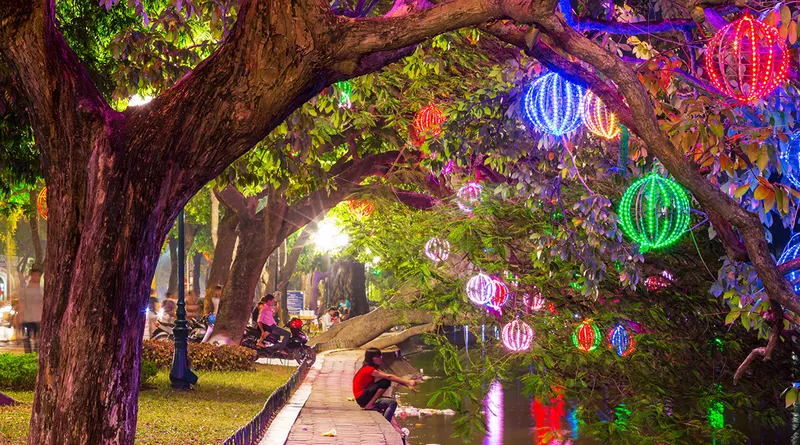
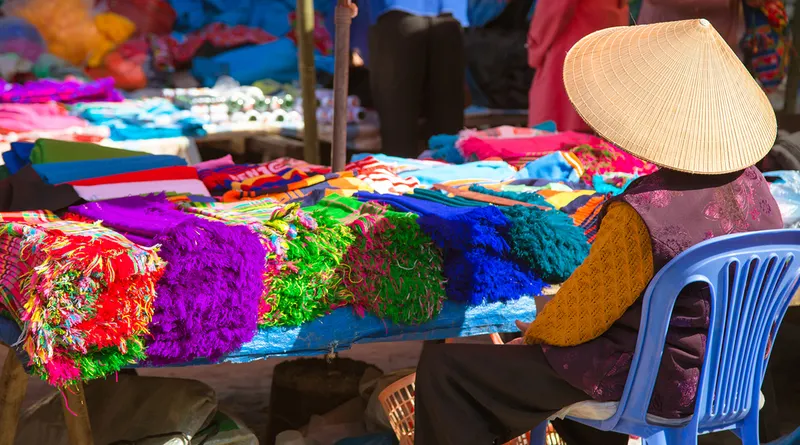
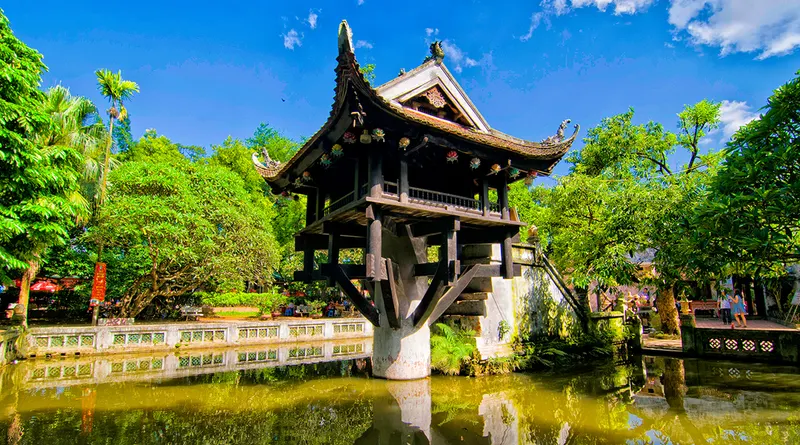
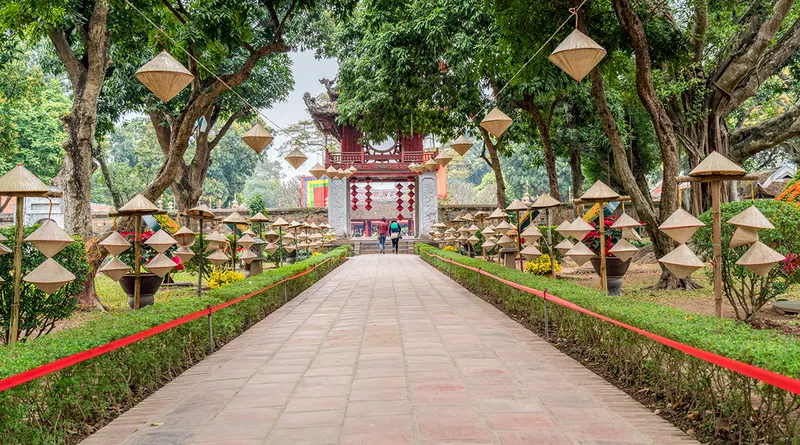
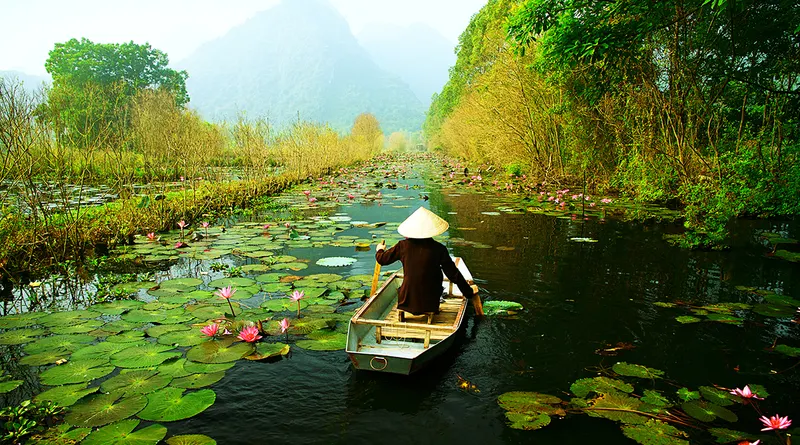
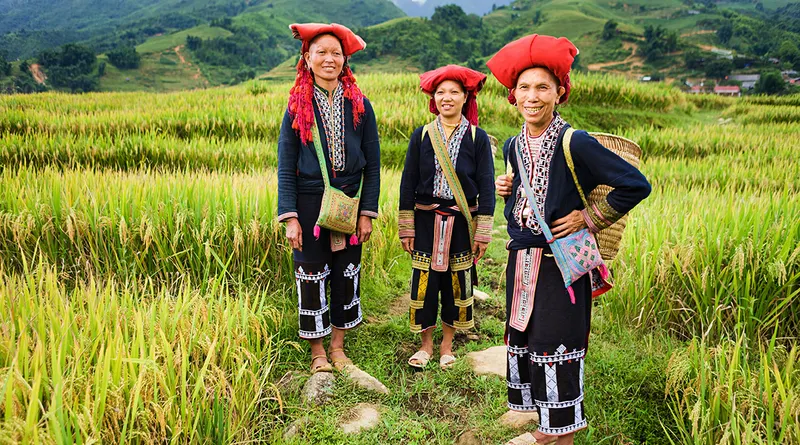
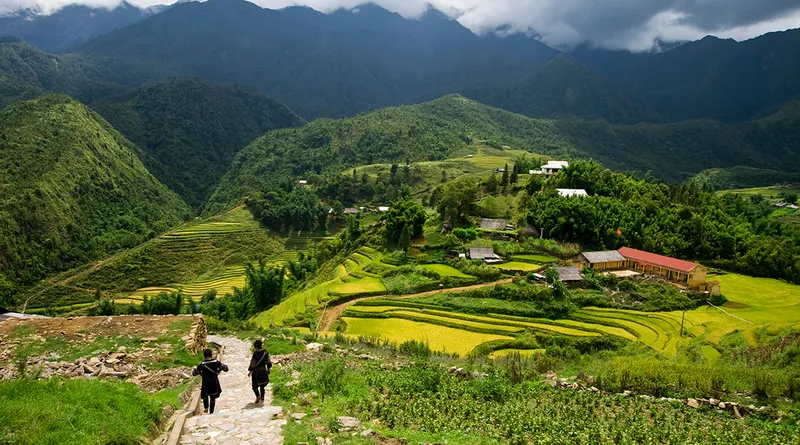
Formerly known as Saigon, Ho Chi Minh City is a vibrant testament to Vietnam's rich history and rapid modernisation. Its origins trace back to the 4th-century Khmer settlement and later flourished as a vital port during the Cham Empire. The city's narrative took a significant turn during French colonisation in the 19th century, blossoming into a bustling hub of commerce and culture marked by elegant boulevards and grand colonial architecture. Despite enduring the crucible of conflict during the Vietnam War and witnessing intense battles as the capital of South Vietnam, the city emerged with resilience after the fall of Saigon in 1975, eventually being renamed in honour of Ho Chi Minh, the revolutionary leader. Today, Ho Chi Minh City pulsates with energy, blending old-world charm with contemporary dynamism, offering a unique mix of ancient pagodas, French colonial landmarks, sleek skyscrapers, and lively markets.
9.3 million (2023)
Vietnamese dong (VND)
Police: 113
Fire: 114
Ambulance/ First Aid: 115
Bitexco Financial Tower Skydeck
Bitexco Financial Tower Skydeck
From the 49th level in Bitexco Financial Tower you can enjoy the panoramic view over the city and its surroundings. The design of the tallest building in the city is inspired by a Lotus bud, which makes it stand out against the city skyline.
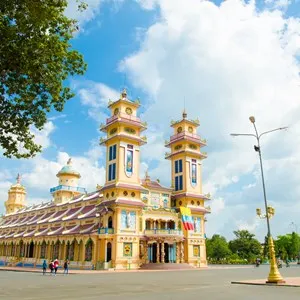
Cao Dai Temple
Cao Dai Temple
Also known as Holy See, Cao Dai Temple is the center of Cao Dai faith, an indigenous Vietnamese religion that incorporates the teachings of Taoism, Buddhism, Confucianism as well as part of Islam and Christianity. The balcony on the 2nd floor is the best vantage point from which the religious ceremony can be viewed.
Central Post Office
Central Post Office
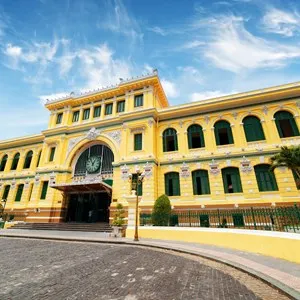
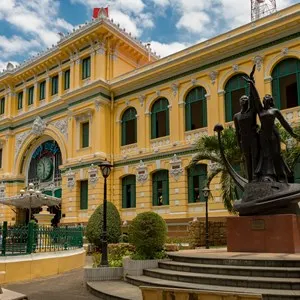
The historic Saigon Central Post Office, which has long been one of the city's symbols, continues to offer postal services such as mailing and money exchange to-date. One interesting fact about the Post Office is that it was designed and constructed by the renowned French architect Alexandre Gustave Eiffel, who is best known for the eponymous Eiffel Tower. Eiffel derived artistic inspiration from Western neoclassical architecture and Asian decor styles before harmoniously fusing them during the construction of the Central Post Office.
Cho Lon (Chinatown)
Cho Lon (Chinatown)
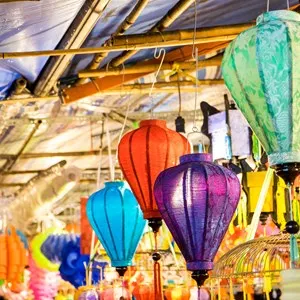
Cho Lon, also well-known as Chinatown, is an area of Ho Chi Minh where many Chinese immigrants reside and earn their living. Within Cho Lon, the biggest and most crowded trade hub is Tan Binh Market, where you can find a wide range of clothing and knick-knacks at very low prices (although be warned the assortment is mostly made up of obscure dried edibles and Chinese ritual paraphernalia). An interesting time to visit Cho Lon is when locals celebrate the Chinese New Year Festival. During Tet, all shops and eateries are lavishly decorated with multi-coloured lanterns, and streets seem to become deluged with the lucky colour red.
Cu Chi Tunnels
Cu Chi Tunnels
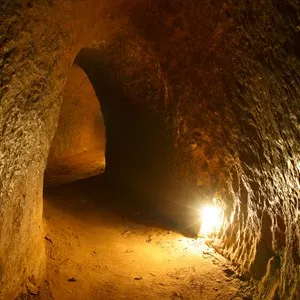
The tunnels of Cu Chi hide an entire world including classrooms, kitchens and medical facilities underground. Today you can see the tunnels from above and even try to go down one, so as to better understand the hardships that Vietnamese soldiers had been through during wartime. One is left utterly amazed by the determination and endurance of those who dug through solid soil, gravel and sand to construct this 200-kilometer (125 miles) long underground network.

Dam Sen Water Park
Dam Sen Water Park
To cool you off from the hot and bustling city, Dam Sen Water Park offers several swimming pools, water slides and rides that will keep you occupied and excited for a whole day. It is a very family-friendly destination, where you can try different levels of water slides, from easy to challenging ones.
Emperor Jade Pagoda
Emperor Jade Pagoda
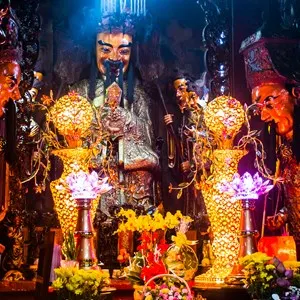
Many beautiful pagodas (temples) are located in Ho Chi Minh City while the Emperor Jade Pagoda is considered to be the finest and most lavishly decorated temple. To understand more about the meaning of the carvings and statues and the purpose of different rooms, it is recommended to visit with a local guide.
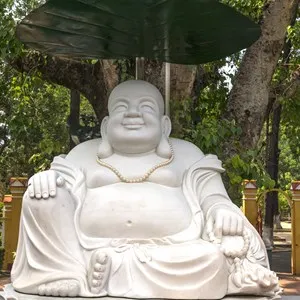
Giac Lam Pagoda
Giac Lam Pagoda
Built in 1744, Giac Lam Pagoda is one of the oldest and most popular Buddhist pagodas, a place of pilgrimage during the Tet Holiday. It was officially accredited as a national cultural and historic site by the Vietnamese Department of Culture and Information. In addition, there are a lot of precious statutes of Buddha and Bodhisattvas made of both wood and bronze in the pagoda.
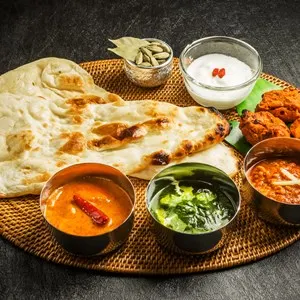
Baba's Kitchen
Baba's Kitchen
This restaurant explores Indian flavours in a bustling ambience. Baba's Kitchen is located in the backpacker district of the city and attracts travellers searching for a good place for a drink and, perhaps, a chat companion for the evening.
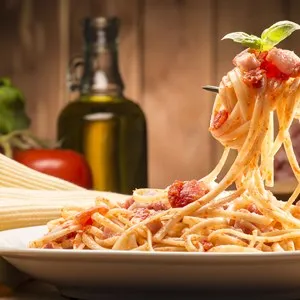
Ciao Bella
Ciao Bella
At Ciao Bella, the waiters and staff take good care of guests in the welcoming dining room. Home-made bread and dip are complimentary upon arrival and high-quality Italian dishes come out from the kitchen. The cosy setting makes this restaurant perfect for a romantic evening.
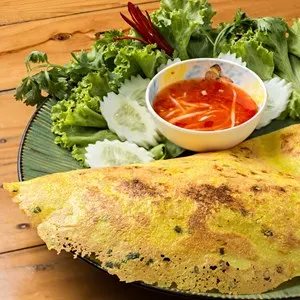
Cyclo Resto
Cyclo Resto
Looking to try some homemade Vietnamese food? Cyclo Resto is your ideal place to go. On top of enjoying fresh and authentic Vietnamese food, you will be served by attentive staff in a home-style atmosphere. Want to make your trip more memorable? You can even cook here yourself (with instructions from the chefs) and enjoy the results afterwards.
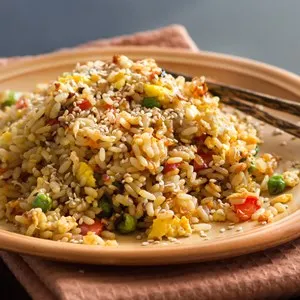
Hum, Cafe & Restaurant
Hum, Cafe & Restaurant
For vegetarian visitors to the city or anyone looking to dine meat-free, Hum, Cafe & Restaurant is the place to go. With its small garden with lotus flowers, this is a peaceful and quiet venue in the bustling city perfectly suited for enjoying a range of cuisines, including basil fried rice and crispy veggie chips.
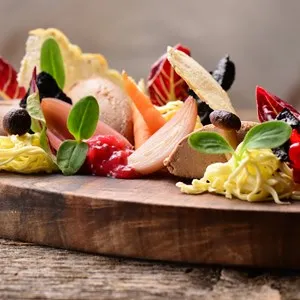
La Villa French Restaurant
La Villa French Restaurant
La Villa specialises in French cuisine. To accompany the meal, the wine selection offers a wide choice of options. Enjoy your dinner in the beautiful dining room or out in the lush garden by the swimming pool.
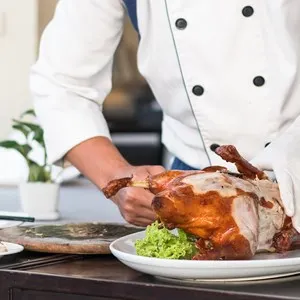
Lai Cantonese Restaurant
Lai Cantonese Restaurant
Lai is one of Ho Chi Minh City’s best venues for authentic Cantonese cuisine. Peking duck, dim sum and other classics are served either inside or out on the terrace – with a breathtaking view over the city. You can also book one of their ten private rooms for a special dining experience.
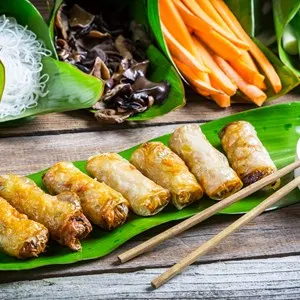
Nam Giao
Nam Giao
Another recommended venue for enjoying Vietnamese food, Nam Giao offers a range of excellent Hue-styled central Vietnamese cuisine including 'nem lụi' and 'bánh nậm'. Although prices are slightly higher than average, the relaxing atmosphere is great for friend and family gatherings.
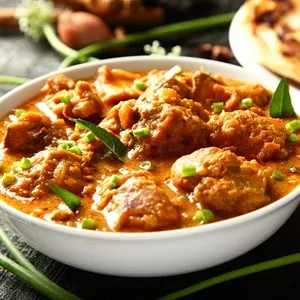
Nha Hang Asian Kitchen
Nha Hang Asian Kitchen
Nha Hang Asian Kitchen, which is one of the favourites among backpackers, serves wonderful Asian food including curry chicken and a range of vegetarian options of high value for money.
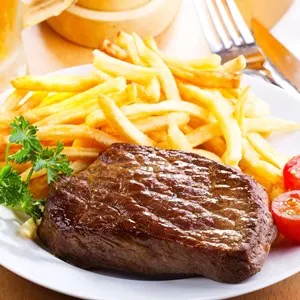
Bread & Butter
Bread & Butter
Bread & Butter is a great spot to meet fellow travellers in the backpacker’s district. They serve Western-style food like steak and fries, plus more.
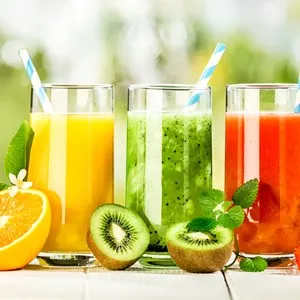
Café 343
Café 343
This café brings western European coffee and beverage culture to Vietnam. Pick from a wide selection of drinks, including freshly pressed juices and smoothies, or go for a light lunch. The menu in both Vietnamese and English makes ordering easier.
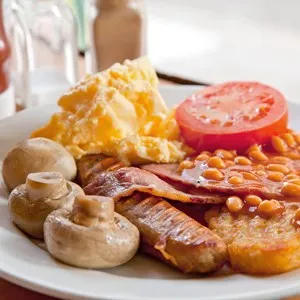
Eden Coffee House
Eden Coffee House
Eden Coffee House offers a wide range of premium local coffees and international foods, including poached eggs with mashed avocado and an all-day breakfast menu. Make your way into the inviting courtyard if you wish.

Little HaNoi Egg Coffee
Little HaNoi Egg Coffee
Little HaNoi Egg Coffee started with tea and egg coffee, a traditional Hanoi drink. Many people in Hanoi once could not afford condensed milk and put yolk and sugar in their coffee instead, creating a beverage now emblematic of Vietnamese coffee culture. As of lately, the cafe offers breakfast options, like eggs and toast, and has participated in the Say No to Plastic campaign.
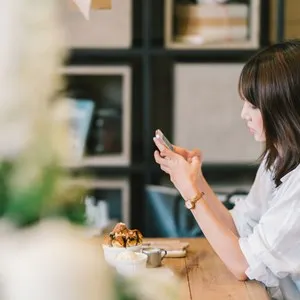
Miyama - Modern Tokyo Restaurant Cafe
Miyama - Modern Tokyo Restaurant Cafe
Miyama Café brings the essence of modern Tokyo to the heart of bustling Ho Chi Minh. Designed to evoke the feeling of sitting in Tokyo, watching the hectic streets of Shibuya and Shinjuku, Miyama offers an immersive experience and a tasty menu of freshly-made Japanese-flavored desserts and Tokyo cuisine.
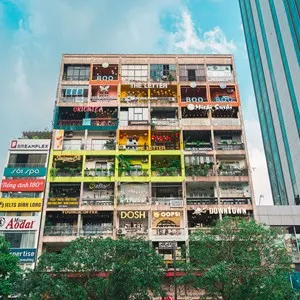
The Cafe Apartments
The Cafe Apartments
42 Nguyen Hue was once a relatively unremarkable residential building – that is until apartment owners began renting out their spaces to local businesses. Today, the entire building consists almost exclusively of eateries, tea shops and boutiques, each occupying a former apartment of their own. It's a fun place to explore with plenty of choices: Partea is a local tea-lovers favourite, and food offerings at various cafés range from steak to poke bowls.
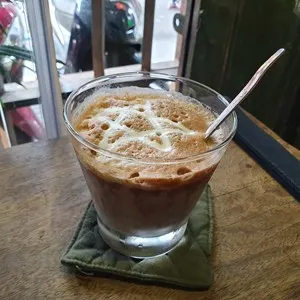
The Old Compass Cafe and Bar
The Old Compass Cafe and Bar
The Old Compass Cafe & Bar promises “an old Saigon experience” and is appreciated for its relaxed ambiance. It serves breakfast, lunch and dinner, as well as alcoholic beverages like craft beer and wine. Daily happy hour is from 5pm to 7pm.
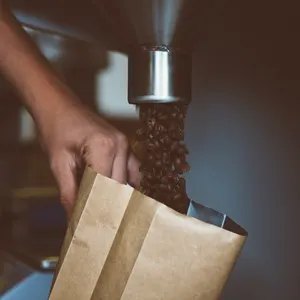
The Workshop Coffee
The Workshop Coffee
The Workshop is one of Ho Chi Minh’s most popular coffee spots. Here you can find freshly brewed Italian coffee, alongside many breakfast and lunch options, as well as other beverages. The interior is industrial but cozy, with long tables bathed in light from the floor-to-ceiling windows.
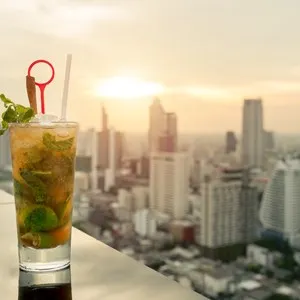
Banana Mama Rooftop & Kitchen
Banana Mama Rooftop & Kitchen
Banana Mama offers drinks and food on the 10th floor of WMC Tower. If you want to watch the sunset in a cozy bar with beach-style interior, this is the place.
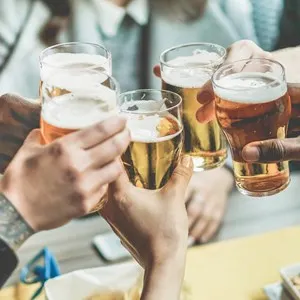
Hoa Vien Brauhaus
Hoa Vien Brauhaus
In this popular micro-brewery you’ll find some of the best Saigon beers. This venue can host over 600 guests and is a paradise for beer and European food lovers as it offers dark and light beers, as well as Czech and German specialities.
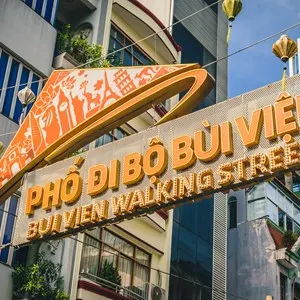
Pham Ngu Lao / Bui Vien Street
Pham Ngu Lao / Bui Vien Street
Pham Ngu Lao / Bui Vien Street (also known as 'Backpacker Street') is home to some of the city's most vibrant nightlife, with a plethora of bars, clubs, and street food stands stretching along it. There is also a high concentration of hostels here, which means tourists are represented in abundance, but it's a beloved local hangout hot spot, too.
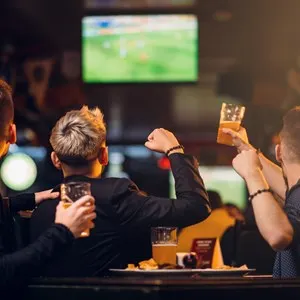
Phatty's Sports Bar and Grill
Phatty's Sports Bar and Grill
Phatty’s is an expat-owned sports bar, popular with both travelers and locals. Choose one of the various beers or another beverage and watch sports like football, basketball, and even cricket.
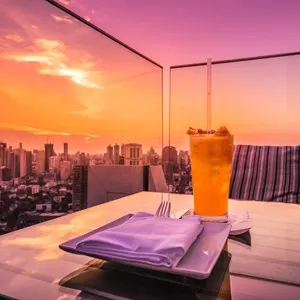
Rooftop Garden Bar
Rooftop Garden Bar
Being one of the best bars in Vietnam, Rooftop Garden Bar offers you a breathtaking view over the city, lovely drinks, local cuisine and a great atmosphere. Enjoy your favourite cocktail at sunset.
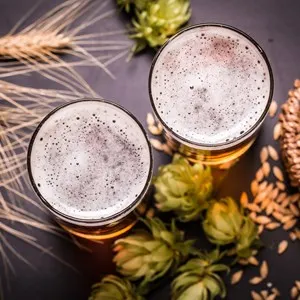
Ruong Pub & Hub
Ruong Pub & Hub
Looking for a pub to spend your night with new friends and good beer? Ruong Pub & Hub is the place to go. This pub offers a wide selection of beer including crafts.
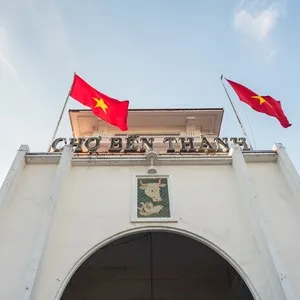
Ben Thanh Market
Ben Thanh Market
Ben Thanh Market is the most famous and oldest marketplace of Ho Chi Minh City, as well as one of its prominent landmarks. Here you can buy almost anything, especially handcrafts and souvenirs, but also local food. Bargaining is key for a successful shopping tour.
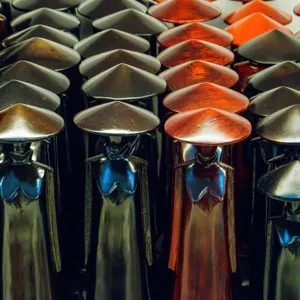
Saigon Kitsch
Saigon Kitsch
A great store to browse through for fun Vietnam-themed gifts and souvenirs that aren't you typical Chinese imports. Some of their best buys include wallets made from recycled storage bags, high-quality retro posters on rice paper, and unique postcard collections. They also stock a fantastic selection of books on all things Vietnam (in English).
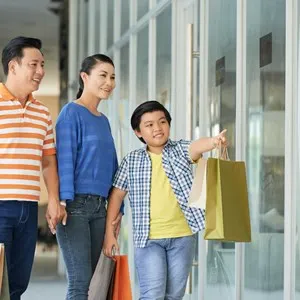
Saigon Square
Saigon Square
Saigon Square is a sprawling collection of vendors mainly dealing in clothing and accessories. Haggling is expected.

Takashimaya Ho Chi Minh City
Takashimaya Ho Chi Minh City
The reputable Japanese department store brand Takashimaya is present in Ho Chi Minh, too. it enjoys a reputation of a slightly more upscale shopping centre, with above average prices and an excellent selection of high-quality international brand shops.
Tan Dinh Market
Tan Dinh Market
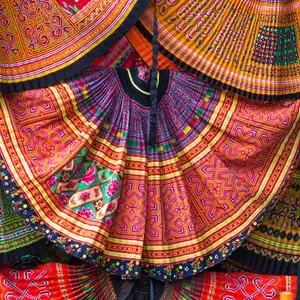
Tan Dinh is mostly known for its impressive assortment of fabrics, so if you're in the market for those, make sure to work Tan Dinh into your itinerary. There are also lots of street food stalls here serving Vietnamese cuisine and drinks like drip coffee and juices.

Vincom Center
Vincom Center
Conveniently located in the city centre, Vincom Center is a shopping complex that contains a substantial collection of stores and boutiques, of both local and international brands, plus a food court with several good casual dining spots. It's a great option for those who prefer a fixed-price shopping experience.
Best Time to Visit
Best Time to Visit
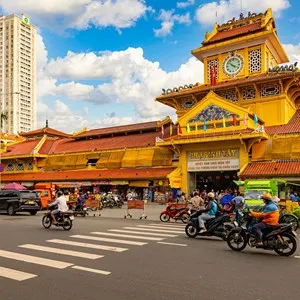
From December to April, Ho Chi Minh City enjoys moderate temperatures and light rainfall, which would probably make it the best time to visit. Note that the hottest months are from March to May with temperatures reaching as high as 39°C.
Passport / Visa
Passport / Visa
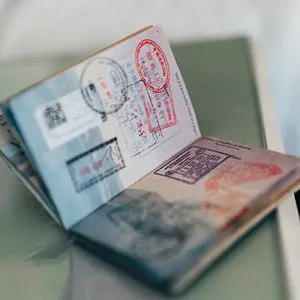
Travellers to Vietnam generally need a visa to enter the country, although some countries, such as Japan, South Korea, and several ASEAN member states, are exempt for short stays. For longer stays, visitors typically require a visa, which can be obtained from Vietnamese embassies or consulates. Another convenient option is to apply online for an e-visa, available for citizens of over 80 countries.
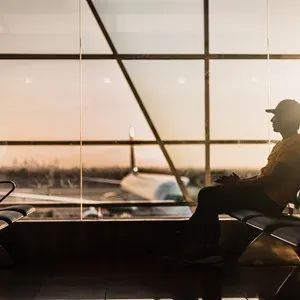
Tan Son Nhat International Airport (SGN)
Tan Son Nhat International Airport (SGN)
Tan Son Nhat International Airport, Vietnam's largest international airport, lies 7 km north of the city centre. Several public buses, including the Yellow Airport Bus 109, Yellow Airport Bus 49, and Public Bus 152, offer transportation to the city, with cash payment required. Taxis are the quickest option, taking around 45 minutes to reach the city centre. Make sure the meter is used or agree on a fare beforehand.
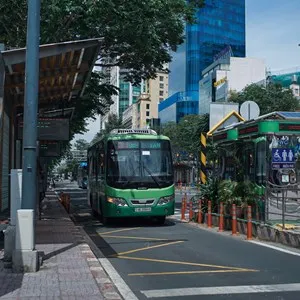
Public Transport
Public Transport
Ho Chi Minh City boasts an efficient public transit bus network with 150 green routes spanning the city, making it a cheaper and safer option than many alternatives. The ticket is bought from the fare collector on the bus. For shorter trips, however, ride-sharing apps, such as Grab, or cabs may prove to be more convenient and inexpensive.
Taxi
Taxi
Taxis are the most comfortable way of getting around affordably. It’s easy and safe to catch one off the side of the road, but do make sure the meters work properly and enquire as to the estimated total. Ride-sharing apps like Grab are also in use; in Vietnam, you can choose between Grab for scooters or cars (helmets are provided for the former).
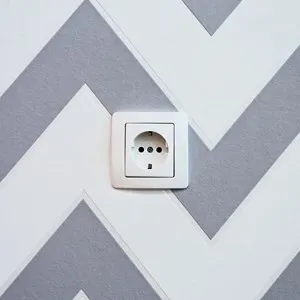
Electricity
Electricity
In Vietnam, electrical outlets typically operate at 220V/50Hz and commonly use plug types A and C. Type A features two flat parallel pins, while type C has two round pins. Travellers are advised to carry a power plug adapter to ensure compatibility with local sockets when visiting the country.

Pharmacy
Pharmacy
Some main pharmacy chains you will find in Ho Chi Minh City include Pharmacity — one of the largest and most well-known pharmacy chains in Vietnam —, Guardian, Long Châu, and An Khang.
Post
Post
The main post office is located on Dong Khoi in District 1 (it's more of a tourist attraction these days, but it's still a fully functional post office). Postal services such as mailing, money exchange, postcard and stamp sales are offered here.
Let’s plan your next vacation
Let us take care of all the details to create the perfect trip for you. With our expertise and personalized service, we will ensure that every moment of your trip is special and unforgettable. Get ready to embark on a dream adventure!