

Details for Hoi An


Hoi An is the kind of place where every street feels like a postcard. Yellow-walled shophouses, vibrant silk lanterns swaying in the breeze, and a slow-moving river reflecting the glow of candlelit boats—it’s pure magic. Spend your days wandering the ancient alleyways, getting a custom-tailored outfit made in record time, or learning the secrets of Vietnamese cuisine in a cooking class. And when the sun sets? Head to the river, release a lantern, and watch your wishes float away on the water.



The former trading port of Hoi An has risen to prominence as one of Vietnam's foremost travel destinations over the last few years, lagging only slightly behind the iconic Ha Long Bay – for now, that is. The compact city of just over 100,000 inhabitants continues to transform rapidly, with service businesses scurrying to meet the ever-increasing demand for Hoi An's atmospheric, UNESCO-listed Ancient Town, all this despite the introduction of a tourist entry fee a few years back. This rising popularity has miraculously not been too detrimental to the unspoiled old-time atmosphere so many visitors are after Hoi An remains traffic-free for most of the day, and much of the heritage left by Chinese and Japanese communities once inhabiting the city is well looked after and kept in excellent condition — the Japanese Covered Bridge built to connect the two enclaves remains one of the most popular sights.
121,716 (2022)
Vietnamese dong (VND)
Police: 113
Fire: 114
Ambulance: 115
Search & Rescue: 112










The best time to visit Hoi An is from February to April when the weather is warm, dry, and pleasant. This period is ideal for exploring the town's charming streets and nearby beaches. Avoid the rainy season from September to November, when heavy rains and occasional flooding can occur.
A stay of 3 to 4 days in Hoi An is recommended to fully experience its historic charm, vibrant markets, and nearby attractions. This allows time to explore the Ancient Town, enjoy a cooking class, visit nearby beaches, and take a day trip to the My Son ruins.
Hoi An's Ancient Town is a UNESCO World Heritage site and a must-see, with its well-preserved architecture and historic sites like the Japanese Covered Bridge. Don't miss the vibrant night markets, the lantern-lit streets, and the nearby Tra Que Vegetable Village for a glimpse of local life.
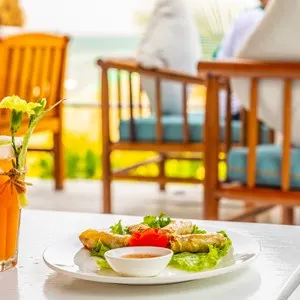
Hoi An is famous for its culinary delights. Be sure to try 'Cao Lau', a noodle dish unique to the city, 'Banh Mi', a Vietnamese sandwich, and 'White Rose Dumplings', a local specialty. The town is also known for its cooking classes, which offer a hands-on way to experience Vietnamese cuisine.
Hoi An is a small town best explored on foot or by bicycle. Many streets in the Ancient Town are pedestrian-only, making walking a convenient option. Renting a bicycle is also popular for exploring the surrounding countryside and nearby beaches.
Hoi An hosts a monthly Lantern Festival on the 14th day of each lunar month. During this event, the town turns off its electric lights, and colorful lanterns illuminate the streets, creating a magical atmosphere. The festival includes traditional music, dance performances, and food stalls.
There are several excellent day trips from Hoi An. The My Son Sanctuary, a UNESCO World Heritage site, offers a glimpse into the ancient Champa civilization. The Marble Mountains, with their caves and panoramic views, and the Cham Islands, known for snorkeling and diving, are also popular excursions.