

Details for Kaunas
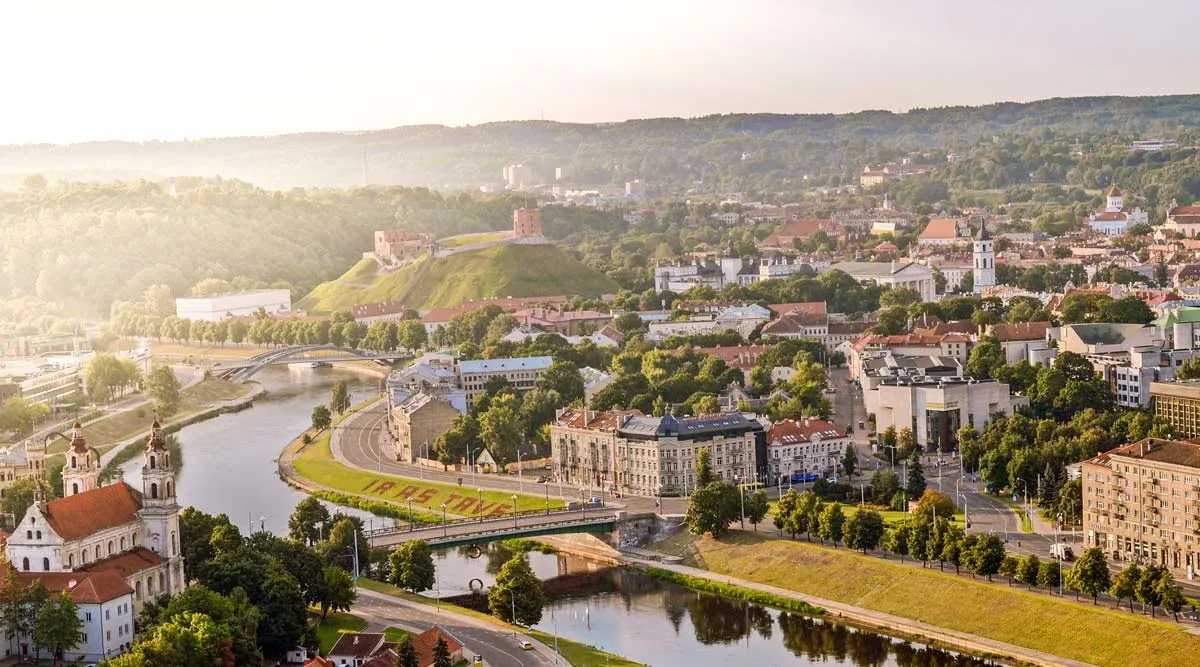


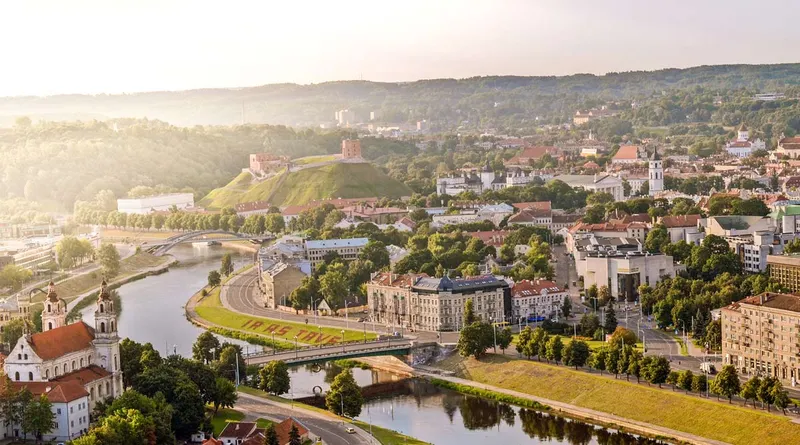
During its history, Kaunas was continuously regarded as one of the most important cities in what we call Lithuania today. Its brick castle, built in the 14th century, had earned the city an important position in the Grand Duchy of Lithuania, as well as internationally, in the Hanseatic League. In the 20th century, Kaunas served as the national capital while Vilnius was invaded by the Russian Empire between 1919 and 1939. This period played an important role in Kaunas becoming a culturally rich city, often regarded in these years as the Little Paris for its spectacular architecture and bustling social life. Sadly, Kaunas was not exempt from the tragic events of the past century, either. Given its significant Jewish community, it saw the killings of thousands of victims, and was heavily repressed by the Soviet rule, against which the June Uprising was organised here in 1941. Perhaps it's her troubled history that helped Kaunas build such a captivating character, which a visitor today can still experience by taking a walk in the cobblestoned historic Old Town of the city that is going to be 2022's European Capital of Culture.
304,210 (2024)
Euro (EUR) €1 = 100 cents
112
Business hours are usually from 8am to 3pm on weekdays. Major shopping malls are open until 10pm or later. As of January 2018, liquor store opening hours are shortened: Mon–Sat 10am–8pm, Sun 10am–3pm.

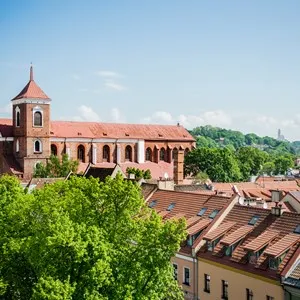
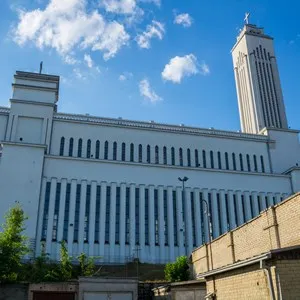
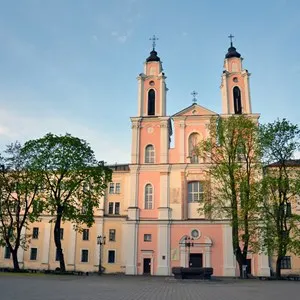
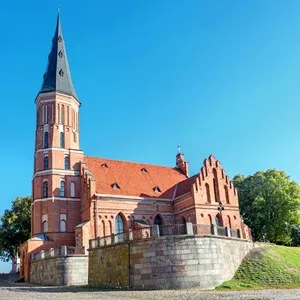
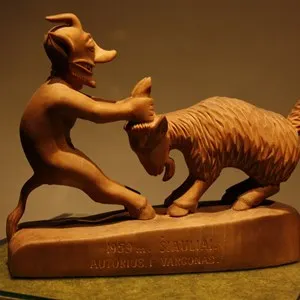
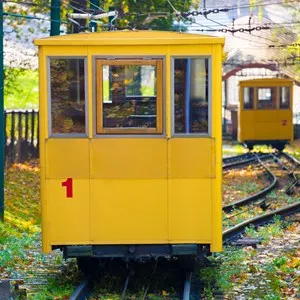





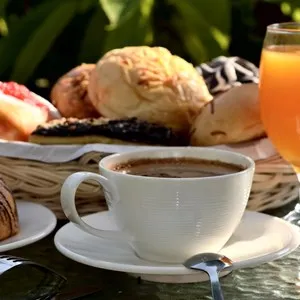

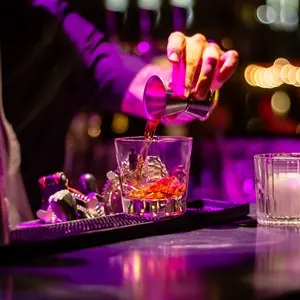



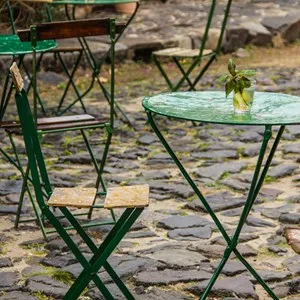












Kaunas Castle, a 14th-century fortress, is a must-see, along with the Ninth Fort, which is a poignant historical site. Don't miss the vibrant Laisvės Alėja, a pedestrian street lined with shops and cafes, and the unique Devil's Museum, which houses a collection of sculptures and carvings of devils from around the world.
The best time to visit Kaunas is from late spring to early autumn, typically May to September, when the weather is pleasant for exploring the city and enjoying outdoor activities.
Kaunas has an efficient public transportation system, including buses and trolleybuses. Taxis and ride-sharing services are also available, and the city center is quite walkable, making it easy to explore on foot.
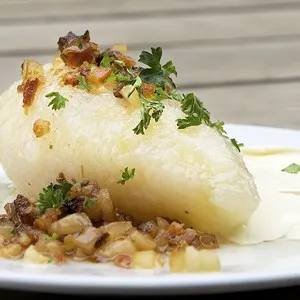
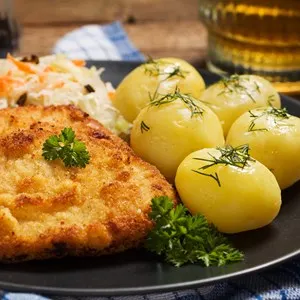
In Kaunas, try traditional Lithuanian dishes like cepelinai, which are potato dumplings filled with meat, and šaltibarščiai, a refreshing cold beet soup. Don't miss out on tasting kibinai, a savory pastry filled with meat or vegetables.
Spending two to three days in Kaunas is ideal to explore its main attractions, enjoy the local cuisine, and perhaps take a day trip to nearby destinations like the Pazaislis Monastery.
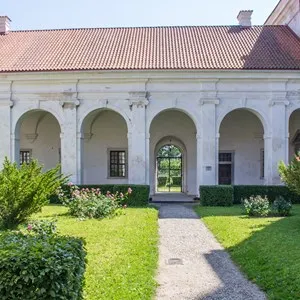
From Kaunas, you can visit the Pazaislis Monastery, a stunning baroque complex, or take a trip to the picturesque town of Trakai, known for its beautiful island castle.
Staying in the Old Town area is recommended for its proximity to major attractions, charming atmosphere, and a variety of dining and shopping options.