

Lithuania Travel & Vacation Guide








Cities & Region

Frequently Asked Questions
U.S. citizens can enter Lithuania for tourism or business purposes without a visa for stays of up to 90 days within a 180-day period. A valid U.S. passport is required and must remain valid for at least three months beyond the planned departure date from the Schengen Area. Ensure your passport has at least two blank pages for entry stamps. It is always advisable to check the latest entry requirements with the Lithuanian Embassy or Consulate before traveling.
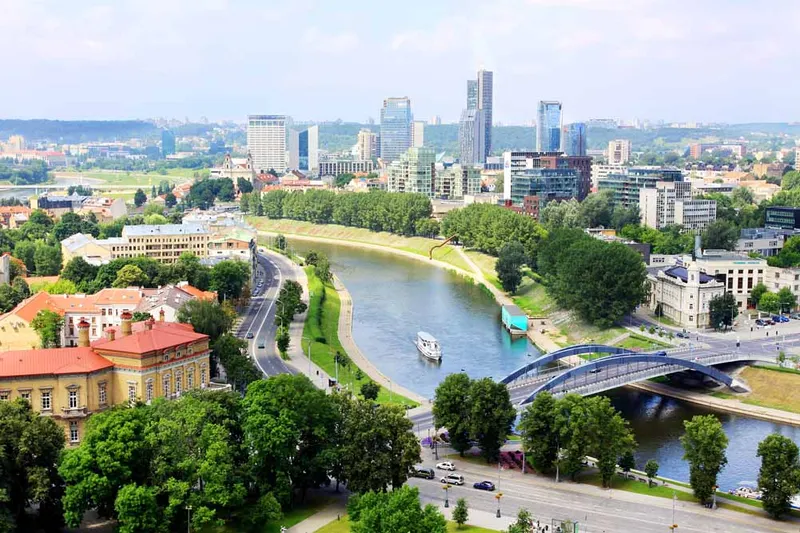
Lithuania uses the Euro (EUR) as its currency. Credit cards are widely accepted in most hotels, restaurants, and shops, especially in urban areas like Vilnius and Kaunas. However, it is advisable to carry some cash for smaller establishments, markets, or rural areas where card facilities might not be available. ATMs are readily accessible in cities for cash withdrawals.
The best time to visit Lithuania is during the late spring (May and June) and early autumn (September), when the weather is pleasant and the tourist crowds are smaller. Summers (July and August) are warm and ideal for exploring the countryside and coastal areas, but they can be busier. Winters are cold, with snow common from December to March, offering opportunities for winter sports.
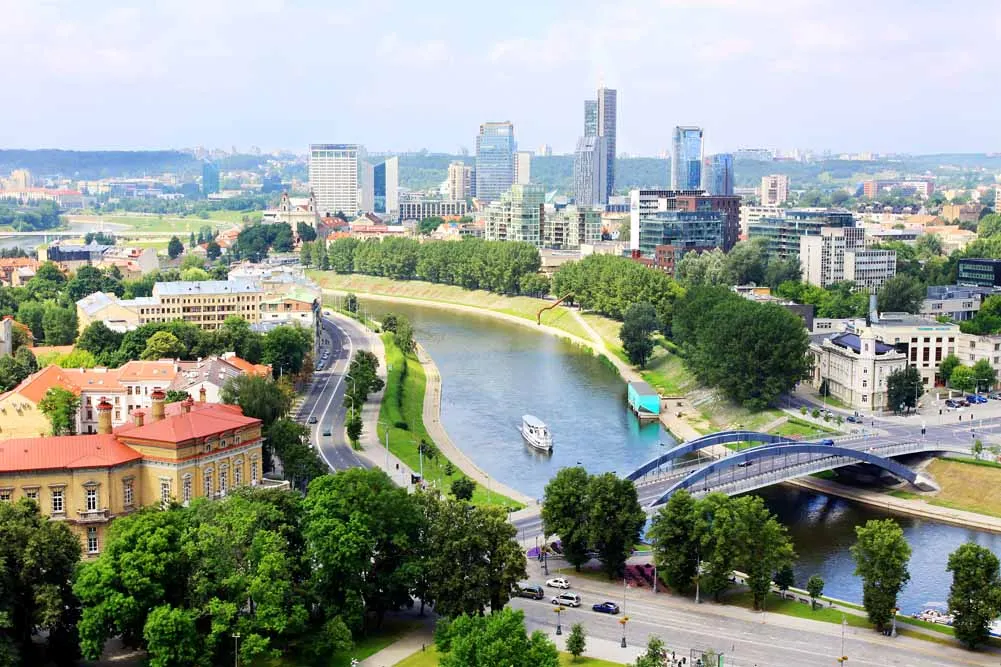
Lithuania offers a variety of attractions, including the UNESCO World Heritage Site of Vilnius Old Town, known for its baroque architecture. The Hill of Crosses near Šiauliai is a significant pilgrimage site. Trakai Castle, located on an island in Lake Galvė, is a picturesque medieval fortress. The Curonian Spit, a unique sand dune peninsula, offers stunning natural landscapes and beaches.
Lithuania has an efficient public transportation system, with buses and trains connecting major cities and towns. Buses are the most extensive and reliable option for intercity travel. Renting a car is also a convenient way to explore the country, especially for visiting rural areas and attractions like the Curonian Spit. In cities like Vilnius, public transport includes buses and trolleybuses.
Lithuanian cuisine is hearty and flavorful. Be sure to try cepelinai, potato dumplings filled with meat or cheese. Other traditional dishes include kugelis, a potato pudding, and šaltibarščiai, a cold beet soup perfect for summer. For dessert, try šakotis, a tree cake often served during celebrations. Lithuania also has a rich tradition of bread-making, so sampling local rye bread is a must.
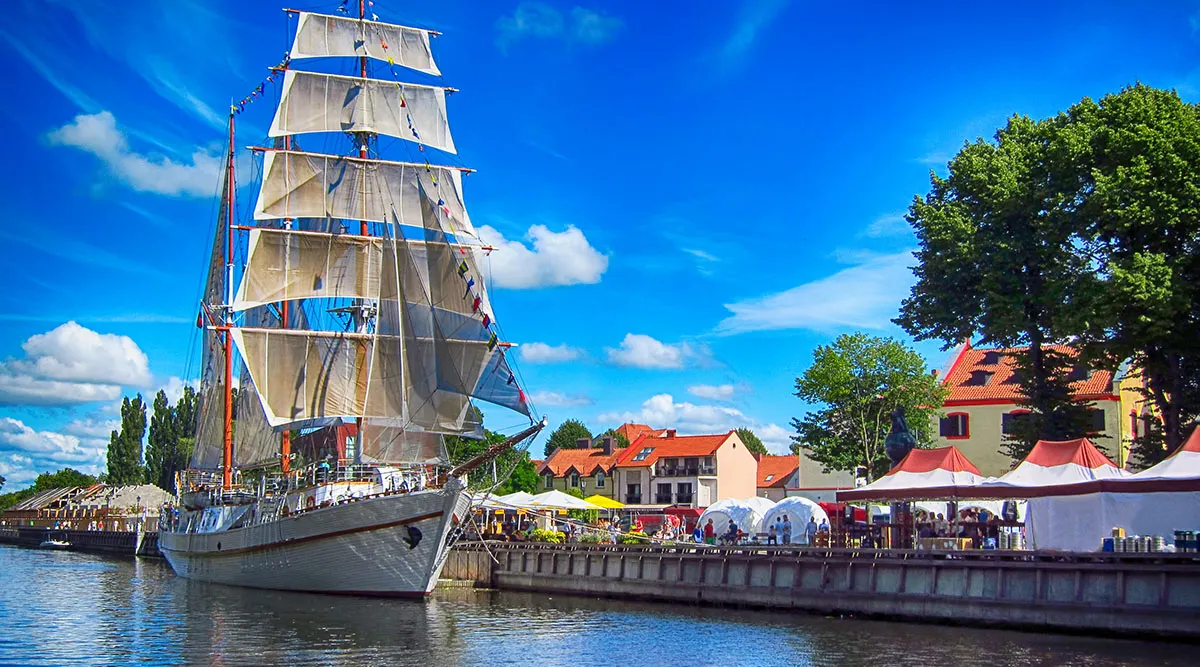
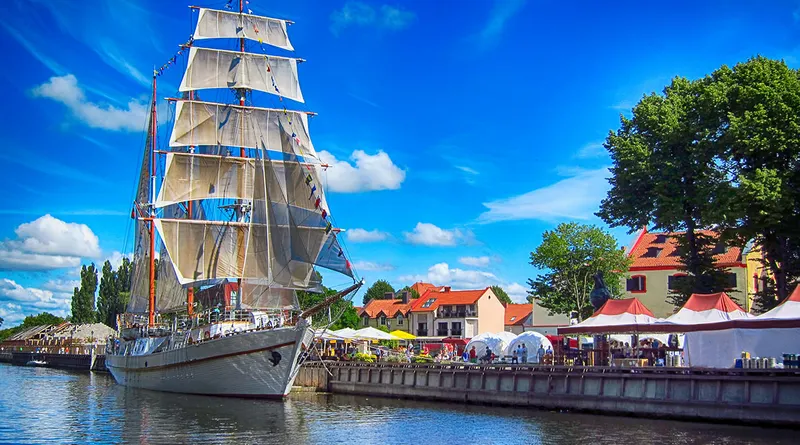
Lithuania hosts several unique cultural events throughout the year. The Vilnius International Film Festival in March is a major cultural event. The Joninės or Rasos Festival, celebrating the summer solstice in June, is a traditional event with music, dancing, and bonfires. The Klaipėda Sea Festival in July is a vibrant maritime celebration. Additionally, the Užgavėnės festival, held before Lent, features colorful masks and traditional foods.