

Details for Kotor Municipality
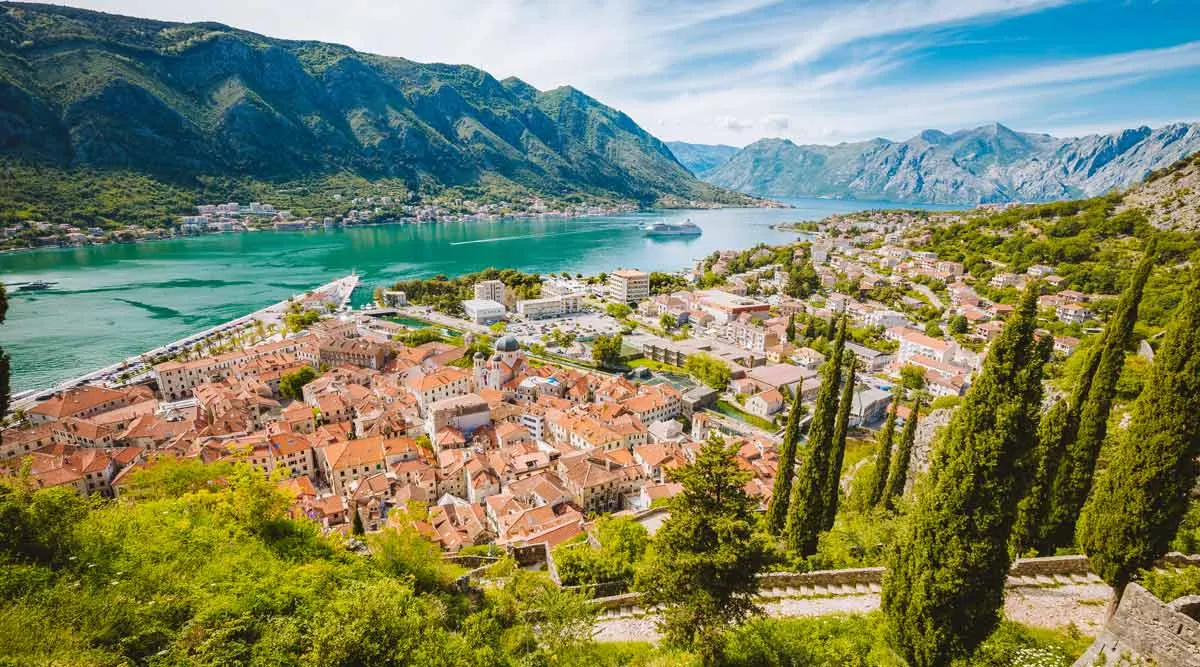

Kotor, Italian Cattaro, walled town, seaport, and resort at the south end of Kotor Bay, one of four bays of the Gulf of Kotor (Boka Kotorska), on the Adriatic coastline of Montenegro. Kotor has dropped an anchor between the grey mountains and the sea and veiled its life behind the high and wide ramparts. Its bulwarks seem to have been eternally growing rock tendrils along the hill, up to the old fortress that overlooks the town. It is a dramatic town where the present lives in the maze of medieval churches, cathedrals, Venetian palaces and pillars. Kotor is made up of contrasts – the old squares with modern cafes, the sounds of serenade and live music, the echo of the footsteps down the narrow cobblestone alleys and the lazy purr of cats lying under the balconies with wrought iron railings, decorated with petunias. Also, in 1979 Kotor was designated a UNESCO World Heritage site

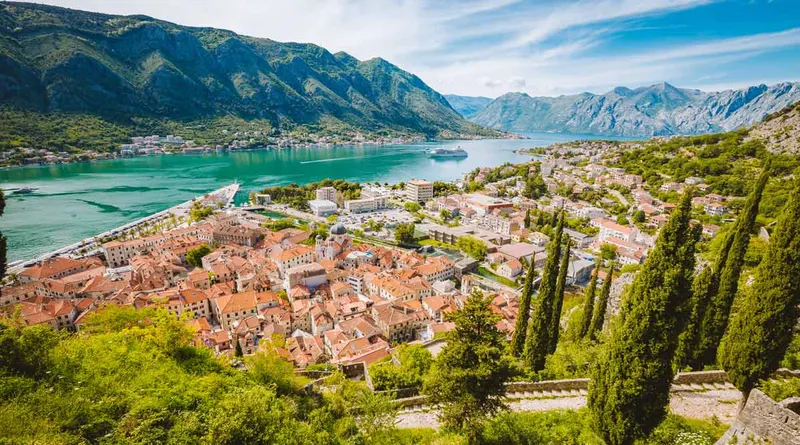
The best time to visit Kotor Municipality is during the late spring (May to June) and early fall (September to October). During these months, the weather is pleasantly warm, and the crowds are smaller compared to the peak summer season. This allows for a more enjoyable experience when exploring the historic sites and natural beauty of the area.
A stay of 2 to 3 days in Kotor Municipality is ideal to explore the main attractions. This timeframe allows you to wander through the Old Town, hike up to the San Giovanni Fortress for stunning views, and take a boat trip to the nearby islands of Our Lady of the Rocks and St. George. If you have more time, consider exploring the surrounding areas and taking day trips to nearby towns.
Kotor Municipality is rich in history and natural beauty. Key attractions include the UNESCO-listed Old Town with its medieval architecture, the San Giovanni Fortress offering panoramic views, and the Maritime Museum. Don't miss a boat trip to the Bay of Kotor's picturesque islands, such as Our Lady of the Rocks and St. George.
Walking is the best way to explore Kotor's compact Old Town. For destinations outside the town, consider renting a car or using local buses, which connect Kotor with nearby towns and attractions. Taxis are also available, but be sure to agree on a fare before starting your journey.
While in Kotor Municipality, try local specialties such as 'Njeguški pršut' (smoked ham), 'Buzara' (a seafood dish with shellfish), and 'Kacamak' (a dish made from potatoes and cornmeal). Pair these with local wines or 'Rakija', a traditional fruit brandy.
Kotor hosts several cultural events throughout the year, including the Kotor Carnival in February, showcasing parades and traditional costumes, and the KotorArt Festival in the summer, which features music, theater, and art performances. These events offer a glimpse into the local culture and traditions.
Popular day trips from Kotor Municipality include visiting the nearby town of Perast, known for its baroque architecture and island churches, and exploring the Lovćen National Park, which offers hiking trails and the Njegoš Mausoleum. Another option is a scenic drive along the Adriatic coast to the charming town of Budva.