
Details for Montenegro

U.S. citizens do not need a visa for stays in Montenegro of up to 90 days within a 180-day period. Travelers must have a valid passport with at least three months of validity beyond their planned departure date from Montenegro. It is advisable to check the latest entry requirements with the Montenegrin embassy or consulate before traveling, as regulations can change.
Montenegro uses the Euro (EUR) as its official currency. Credit cards are widely accepted in cities, hotels, and larger restaurants, but it's a good idea to carry some cash for smaller establishments and rural areas. ATMs are readily available in urban areas, making it convenient to withdraw cash as needed.
The best time to visit Montenegro is during the late spring (May to June) and early autumn (September to October) when the weather is pleasant, and the tourist crowds are smaller. These months offer ideal conditions for exploring the coastal areas, enjoying outdoor activities, and visiting historical sites without the peak summer heat and congestion.
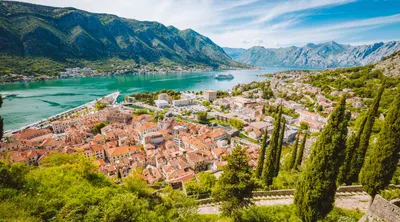
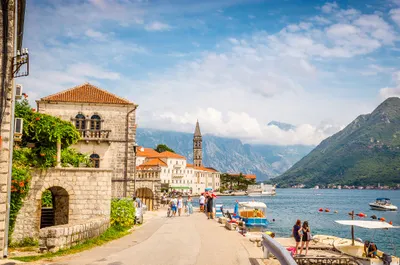
Montenegro boasts several must-see destinations, including the UNESCO-listed Bay of Kotor, known for its stunning fjord-like landscape and medieval towns. The Durmitor National Park offers breathtaking mountain scenery and outdoor activities like hiking and rafting. The historic city of Cetinje and the coastal town of Budva with its charming old town are also worth visiting.
Traveling around Montenegro is best done by car, as it allows flexibility to explore the scenic landscapes and remote areas. Car rentals are available in major cities and at airports. Alternatively, buses connect most towns and cities, offering an affordable way to travel, though schedules may be less frequent in rural areas.
Montenegrin cuisine is a delightful blend of Mediterranean and Balkan influences. Be sure to try Njeguški pršut, a smoked ham from the Njeguši region, and Ćevapi, small grilled meat sausages. Seafood is abundant along the coast, with dishes like buzara (mussels in wine sauce) being popular. Pair your meal with a glass of local Vranac wine for an authentic experience.
Montenegro hosts several cultural events and festivals throughout the year. The Kotor Carnival, held in February, features parades and traditional music. In August, the Sea Dance Festival in Budva attracts international music acts. The Lake Fest in Nikšić is another popular music festival, while the Mimosa Festival in Herceg Novi celebrates the arrival of spring with various cultural activities.