

Details for Krakow
:no_upscale()/LocalImage/Destinations/636064485395839491.jpg)






:no_upscale()/LocalImage/Destinations/636064485395839491.jpg)


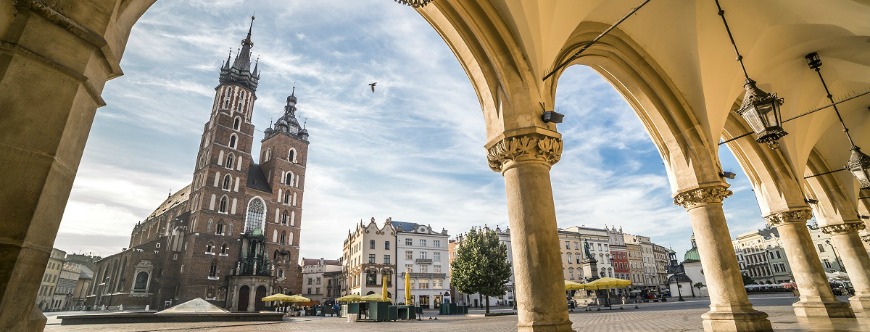
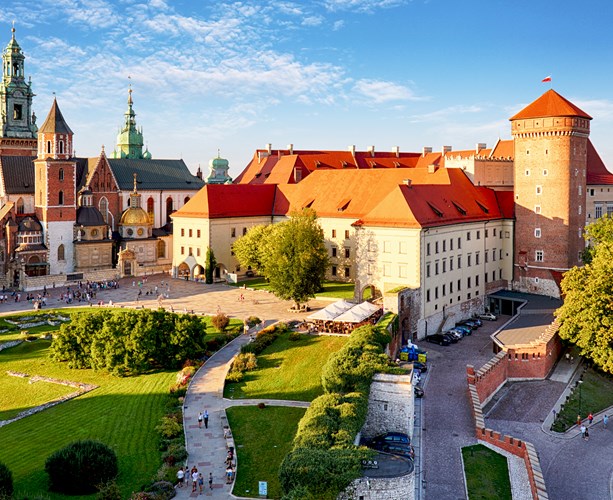
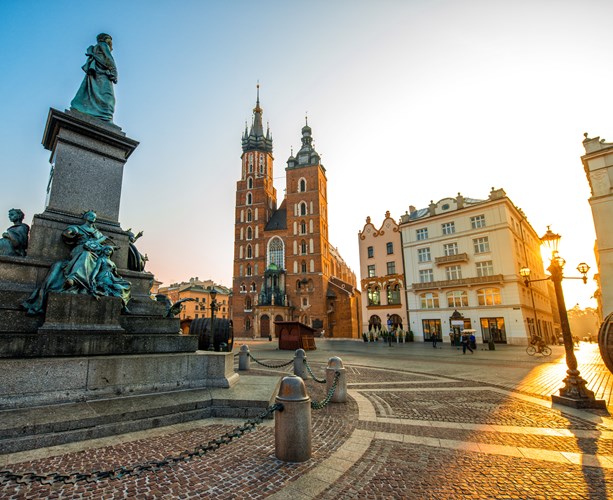
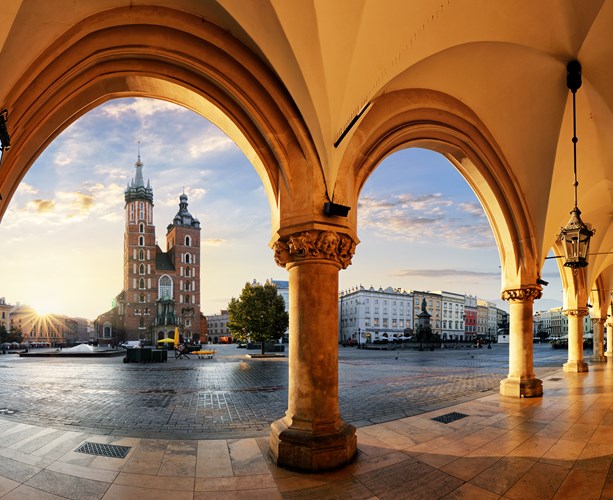
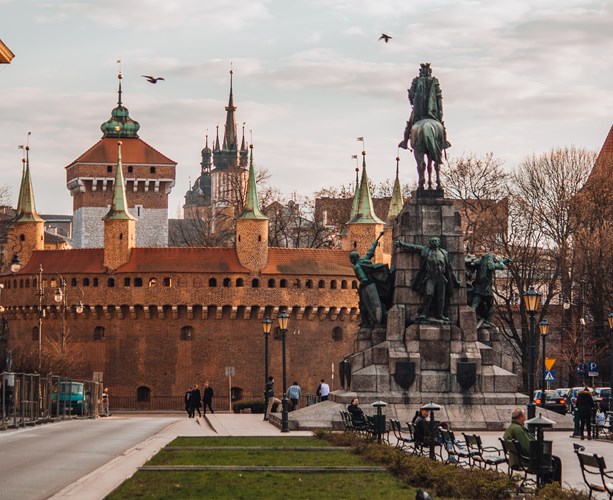
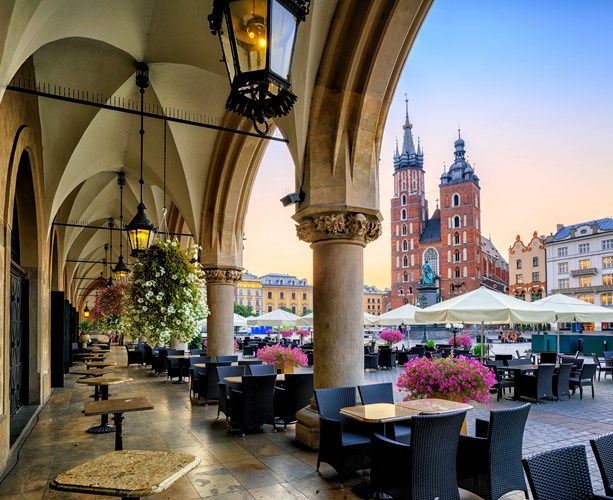
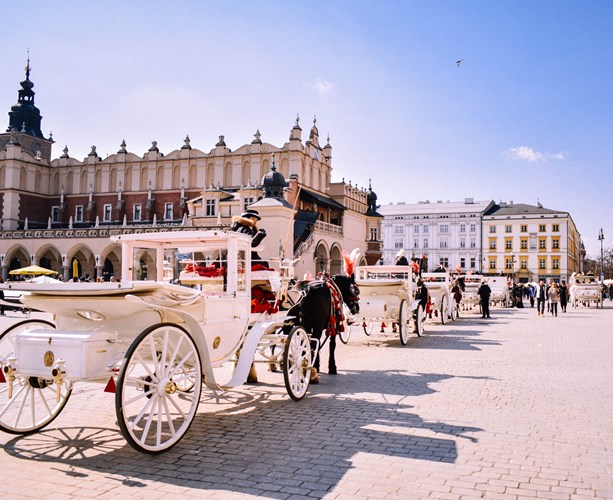
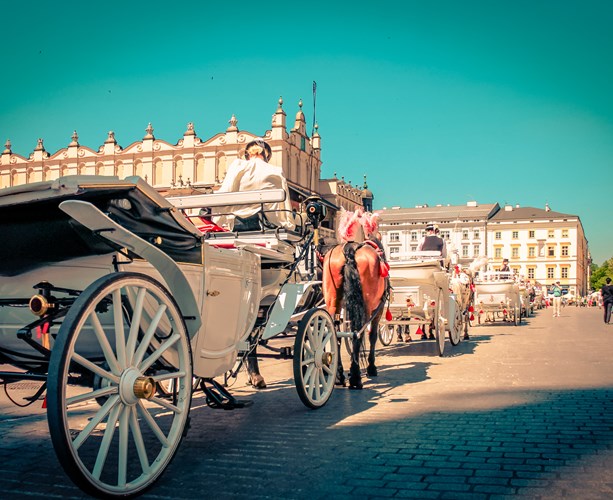
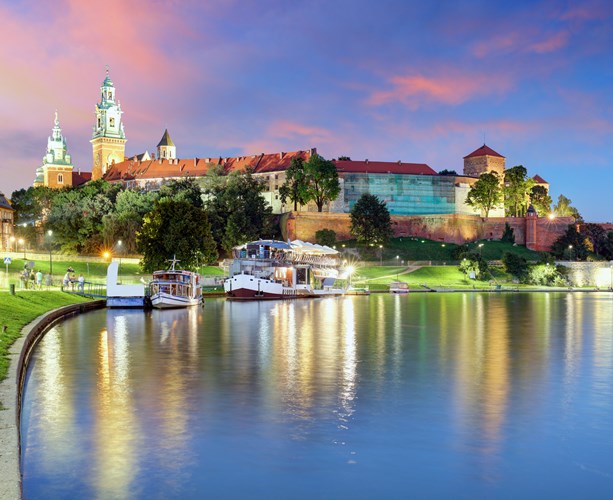
The medieval market square (Rynek Główny) and the Cloth Hall (Sukiennice) are the focal points for visitors to Krakow, forming the heart of the Old Town. Wander through the menagerie of stalls in the cloth hall, enjoy a coffee and visit the nearby medieval churches. The district of Kazimierz has developed an almost separate identity to the majestic Old Town. The Jewish quarter of the city consists of darker, winding streets full of intriguing cafes and shops. Krakow was featured in a number of scenes in the movie "Schindler’s list", and hides a dark past in which most of the quarter’s inhabitants were taken to the Auschwitz and Birkenau concentration camps during the Second World War. The area is now enjoying a renaissance with visitors eager to explore its numerous museums and cafes. Today, Krakow has emerged from a tumultuous past with a fantastic party-going spirit and visitors will find it hard to find a street without a liberal scattering of watering holes. Cafes and bars open early in the evening and don’t close until the early hours of the morning, with many offering live music or poetry readings, and others just keep it simple, providing good vodka and lots of it.
800,653 in central Krakow 1.5 million in the metropolitan area
1 Zloty (PLN) = 100 grosz
999: Ambulance
998: Fire Brigade
997: Police
986: Municipal Police
981: Road Assistance
112: General Emergency Number
Shops are generally open Monday to Friday from 10 am to 6 pm and Saturdays from 10 am 1 pm. A number of shopping centres are open seven days a week and a few shops open 24 hours a day.

Auschwitz-Birkenau Concentration Camps
Auschwitz-Birkenau Concentration Camps
This is a sobering sight for visiting tourists, but harrowing and essential for any visit to Krakow. You can catch a bus for a 90-minute journey to the former Nazi concentration camp, where millions of Jews were exterminated during the Second World War. Most travel agents organise day excursions to the camp. The Museum is about 2 km from the train station Oświęcim, and can be reached from there by local buses.

Botanical Garden
Botanical Garden
This is the oldest botanical garden in Poland, having been in operation since 1783. Here, you will find several greenhouse complexes, a tropical greenhouse with approximately 50 species of palms and a museum.

Church of St Adalbert
Church of St Adalbert
Church of St Adalbert, also known as the Church of St Wojciech, is located to the side of the Main Market Square in Old Town, and is one of the oldest stone churches in Poland. Its almost thousand-year old history goes back to the beginning of the Polish Romanesque architecture of the early Middle Ages.

Czartoryski Museum
Czartoryski Museum
The Czartoryski Museum houses a vast collection of ancient works of art from Greece and Egypt, but the key artworks here have to be Leonardo Da Vinci’s "Lady with an Ermine” and Rembrandt’s “Landscape with the Good Samaritan”.

Jagiellonian University & Collegium Maius
Jagiellonian University & Collegium Maius
Founded in 1364, this is one of the oldest universities in Europe, and it can boast names like Nicolaus Copernicus and Pope John Paul II among its alumni. To learn more about the history and campus life, you can take a guided tour. The building is centrally located, close to the Main Market Square.

Kazimierz
Kazimierz
Kazimierz is the old Jewish district where the city’s Jewish population have lived for over 500 years. It is an ideal place to experience some of Krakow’s Jewish culture and history. You will also find a range of cafes and restaurants, along with many museums, synagogues and cemeteries.

National Museum
National Museum
The National Museum provides a huge collection of objects, including almost 780,000 pieces, and visitors can admire artefacts from every period of history: the oldest date from prehistoric times. The museum also houses art works from different ages and countries, among which you will find Polish art, Western European works and an extremely valuable collection of oriental art, the most of which is Japanese.

Old Synagogue
Old Synagogue
This 15th-century Synagogue houses a permanent exhibition entitled "The Tradition and Culture of Jews in Krakow", as well as temporary exhibitions, in the historic Jewish quarter of Kazimierz. The area surrounding the synagogue has been highlighted in Steven Spielberg’s movie "Schindler’s List."

Chimera
Chimera
Chimera's salad bar is ideal for vegetarians, with over 40 kinds of salads, at least 50 vegetarian dishes and homemade cakes. Also worth a is the restaurant, with specialities served in a 14th-century cellar.

Corleone Kraków
Corleone Kraków
This is a long-standing eatery in Krakow, named after the Sicilian town from the Godfather trilogy. They offer high-standard Italian cuisine, and a garden to enjoy it in when the sun is out.

Cyrano de Bergerac
Cyrano de Bergerac
Cyrano de Bergerac is probably one of the best French restaurants in the city. The Polish owner has created a richly atmospheric cellar restaurant with a menu drawn from her time in France and her own Polish roots. You will be impressed by the quality of the dining food and the French wines and Champagne selection.

Edo Sushi Bar
Edo Sushi Bar
Edo Sushi Bar is located in the vibrant district of Kazimierz, a very popular area among tourists with lively nightlife. The menu offers excellent sushi, sashimi and other Japanese dishes.

Gruzińskie Chaczapuri
Gruzińskie Chaczapuri
At Gruzińskie Chaczapuri, a range of Georgian and Polish dishes are offered. Some of the specialities include Georgian cheese pie and Lavash — a thin blatbread stuffed with spicy chicken and salad. The wine list also includes vintages from Georgia.

Nova Resto Bar
Nova Resto Bar
Nova Resto is located in the heart of Kazimierz and is one of the biggest restaurants in Krakow. This modern restaurant has a very cosy and warm atmosphere and there is also a heated indoor garden where visitors can enjoy their delicious food. The menu offers fusion cuisine, a wide variety of steaks and salads, delightful desserts and seasonal dishes of the day.

Pimiento Argentino Grill
Pimiento Argentino Grill
This is a popular restaurant among both locals and tourists. To guarantee high quality food, beef is imported directly from Argentina to the kitchen. Pimiento is a very nice, classy restaurant with a welcoming staff and some of the best meat dishes in the city.

Restauracja Sasiedzi
Restauracja Sasiedzi
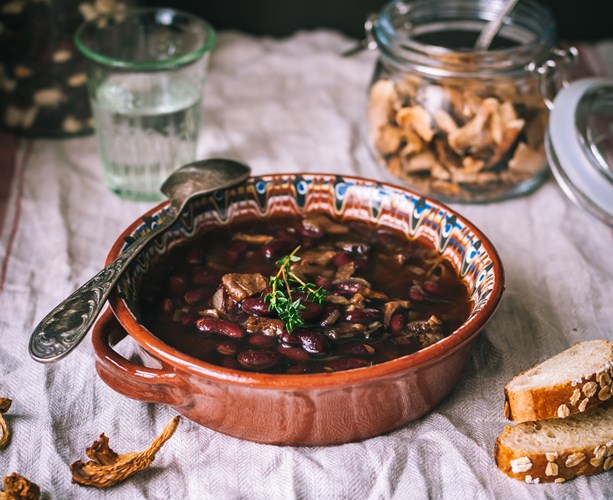
Restauracja Sasiedzi, in the Jewish Quarter, offers nutritious traditional Polish meals, including beef stews, potato pancakes, soup in a bread bowl and many more. The atmosphere is cosy and romantic, both in the subtly-lit dining room and in the garden.

Bunkier Cafe
Bunkier Cafe
Bunkier, one of Krakow's most interesting cafes, boasts a lovely garden terrace on the Planty Gardens, where visitors love enjoying a coffee, a beer, or a larger snack. It doubles as a small art gallery, showcasing work by local artists, as well as a bookshop.

Jama Michalika
Jama Michalika
Since its start in 1895, Jama Michalika has witnessed many legendary faces from Poland’s past: artists, actors and men of letters gathered here for coffee or an inspiring glass of absinthe at the turn of the century. Today, here you can enjoy a drink or a full Polish meal.

Kawa on Zwierzyniecka
Kawa on Zwierzyniecka
This tiny lovely cafe has become very popular among both locals and tourists thanks to its charming atmosphere, great coffee and freshly-baked pastries. Try one of the exotic coffee recipes that the owners propose every day, along with one of many cookie options.

Mleczarnia
Mleczarnia
This cosy cafe is said to serve the best cakes in Poland, but, if you'd rather come for an evening drink, you will also have the possibility to choose from a huge list of alcoholic drinks, such as vodka, whisky and wine. For a unique experience, enjoy the lovely atmosphere of its garden, open until midnight.

Wesoła Cafe
Wesoła Cafe
Enjoy the welcoming, relaxed atmosphere of this small cafe at any hour: help yourself to some superb breakfast food, home-made cake and great coffee, try a typical soup or another original recipe at lunch time, or choose this cafe to hang out with your friends, chatting and drinking some good wine in the evening.

Absynt
Absynt
For a taste of something really interesting, check out Absynt. The warm interior, a colourful array of drinks, including the mysterious "green faiy", as absinthe has been called, and a predilection for setting drinks on fire make this bar a must on any visit to Krakow.

Bill Hickman Bar
Bill Hickman Bar
Bill Hickman is another no-frills, minimalist bar, but that doesn't stop it from being one of the best nightlife spots in town. Frequent patrons cite the large selections of craft beers and craft vodka as its major draws.

Budda Drink & Garden Bar
Budda Drink & Garden Bar
The unusual decor and cool atmosphere of Budda Bar target a laid-back kind of party-goer. Try one of the best Irish coffee in the city, or some cocktails and shots which you can choose from an extensive selection.

C.K. Browar
C.K. Browar
In this cellar, a paradise for the beer-lovers, you can spend the whole night dining and dancing under vaulted arches. This vibrant pub serves their own locally brewed beer, along with typical Polish dishes.

Harris Piano Jazz Bar
Harris Piano Jazz Bar
Harris Piano Jazz Bar offers a relaxed and stylish atmosphere with concerts every weekend. Local jazz performers hang out here for the occasional jam session during the week, as well.

House of Beer
House of Beer
Considered by many as the best bar in Krakow, House of Beer offers a bewildering array of brews from all over the world. The knowledgeable staff will be delighted to guide you towards the best beer for you.

Klub Alternatywy
Klub Alternatywy
As the name might suggest, Klub Alternatywy is a more down-to-earth place than most others recommended here. It is very popular among a younger demographic for its cheap drinks and laid-back vibe, as well as for its somewhat retro music selection.

Mercy Brown
Mercy Brown
Mercy Brown is one of the favourite spots for a party night among the younger crowd for numerous reasons: skilled and friendly barmen, nice people, lovely jazz music, and excellent cocktails. Once you step inside this hidden gem, you will travel back to the twenties, one of the decade's underground speakeasy bars.

Andrzeja Mleczki Gallery
Andrzeja Mleczki Gallery
If you want to see the work of Poland's favourite cartoonists, you should visit the Andrzeja Mleczki Gallery. The things you will find here make great gifts to bring home, such as mugs, posters and t-shirts.

Bonarka City Center
Bonarka City Center
Just outside the city, you can find the Bonarka City Center. There are numerous shops here and, if you get hungry after all the shopping, you can also grab a bite to eat.

Cloth Hall
Cloth Hall
The Cloth Hall ("Sukiennice" in Polish ), built in the 14th century, was formerly Krakow's international trade centre. After a century, before being destroyed by a fire, the hall saw its glory days and sold a variety of exotic imports - such as leather, spices and silk - from the East. Located right in the middle of the Market Square, this icon of the city was remodelled in the Renaissance style and listed as a UNESCO World Heritage site in 1978. Nowadays, the Cloth Hall hosts a number of souvenirs and handicraft shops, on the ground floor, and the 19 Century Polish Art Gallery, on the first floor.

Idea Fix Concept Store
Idea Fix Concept Store
This 230 square metre concept store is all about promoting young Polish designers and their unique creations and outfits. Revel in trendy clothes, accessories, art and interior and, if you are lucky, you might attend one of their several events, such as fashion shows, sales and music shows.

Kacper Ryx Historical Shop
Kacper Ryx Historical Shop
The highly recommended Kacper Ryx Historical Shop sells stuff that you probably cannot find anywhere else in the city. This place is full of antiques, historical finds, interesting books and handmade items.
Kazimierz
Kazimierz
The beautiful Jewish quarter of Kazimierz has begun to attract a lot of arty boutiques, galleries and unique jewellery stores, making it a necessary visit for any tourist, not just because of its significance and sights, but its unique shopping possibilities.

Stary Kleparz Local Market
Stary Kleparz Local Market
Just north of the old town lies Stary Kleparz, a local produce market that has been in existence for over 800 years. The market offers all kind of fruit and vegetables, as well as meat products, cheeses, and even clothes and numerous random items. It constitutes a genuinely Polish shopping experience.

Vitkac
Vitkac
Vitkac is one of the most beautiful, elegant and interesting shopping arcades in the city. The original brick walls and arches are weaved into the elegant remodelled building, giving it a uniquely sophisticated look. The arcade houses designer boutiques, the Gothic cellar wine shop and Italian delis, among other shops.

Best Time to Visit
Best Time to Visit
Summer is a great time to visit Krakow, as it boasts the warmest weather, but crowds are understandably largest during that time. The post-summer shoulder season (from September to October) can still be quite pleasant and have far fewer tourists, but the best time to go is probably late spring, when the city is in bloom and the flocks of tourists have yet to arrive.

Passport/Visa
Passport/Visa
Poland can be visited visa-free for up to 90 days by citizens of Australia, New Zealand, Japan, South Korea, Taiwan, Malaysia, Israel, UAE and most countries in America. If you are unsure whether or not you need to apply for a visa, we recommend contacting the embassy or consulate in your country. International (non-Schengen) travellers need a passport that is valid for at least 3 months after the end of their intended trip in order to enter the Schengen zone. Citizens of the Schengen countries, instead, can travel without a passport, but must have a valid ID with them during their stay.

Kraków John Paul II International Airport (KRK)
Kraków John Paul II International Airport (KRK)
John Paul II International Airport, located about 15 kilometres from the city centre, is the main airport serving Krakow. A number of budget airlines run routes here. Winter travellers should be aware that frequent delays are common due to fog and ice. Once you arrive, you can catch a free shuttle bus from outside the terminal to the other terminals. Buses number 209 and 300, and the 902 night line regularly connect the airport to the city centre, and tickets can be purchased from the passenger terminal machine, at the bus stop, or directly on board. A new train station (operated by Koleje Małopolskie) is located near the passenger terminal. You can buy train tickets both at the airport terminal and on board.

Public Transport
Public Transport
The public transport services in Krakow are run by MPK. Besides walking, catching a tram or a bus is probably the easiest way to get around the city. Tickets for buses and trams are the same, and can be purchased in small kiosks, then jump on a bus and validate ticket with one of the orange boxes.

Taxi
Taxi
A good money-saving tip for hailing cabs is to avoid getting a taxi from the taxi rank. If you phone for one, it will cost you 30% less. Taxi Mega +48 12 444 67 67 www.megataxi.pl biuro@megataxi.pl Radio Taxi 919 +48 12 191 91 / +48 12 410 76 60 www.radiotaxi919.pl biuro@radiotaxi919.pl

Electricity
Electricity
230 V, 50 Hz / Plug types C and E

Pharmacy
Pharmacy
The pharmacies (in Polish "apteka") in Krakow are signed with a green cross and many of them open around the clock. Scattered in the city centre, you will find a number of pharmacies of the two main companies: Dr Max www.drmax.pl/en biuro@drmax.pl Dbam o Zdrowie (DOZ) www.doz.pl pomoc@doz.pl

Post
Post
Poczta Polska runs the postal service in Poland. There are several offices scattered around Krakow, and the main one is located at Lubicz 4.

Let’s plan your next vacation
Let us take care of all the details to create the perfect trip for you. With our expertise and personalized service, we will ensure that every moment of your trip is special and unforgettable. Get ready to embark on a dream adventure!