
Details for Malaga
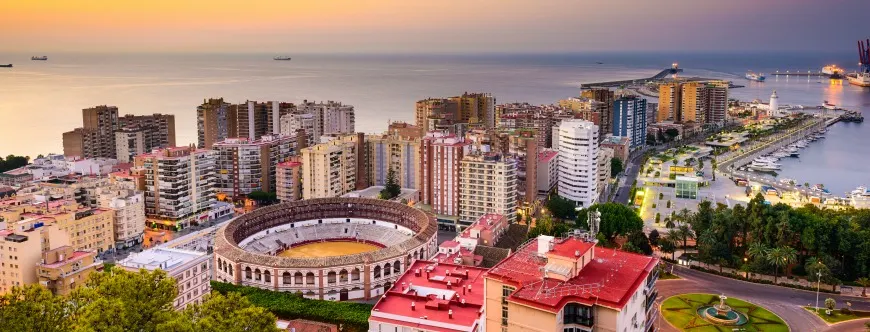


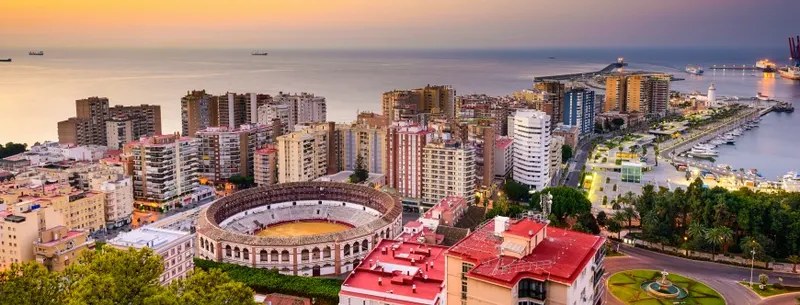
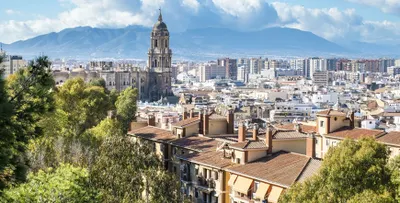
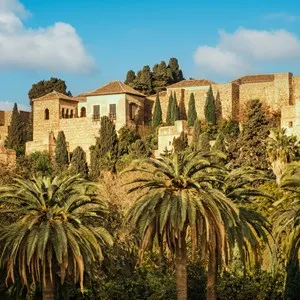
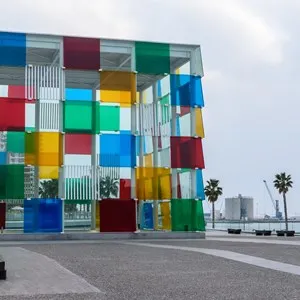
As you explore Malaga, the city’s rich history comes to life — from its founding around 900 B.C. by the Phoenicians to the layers left behind by Greeks, Carthaginians, Romans, Visigoths, and Arabs. Each chapter has left its mark, shaping the Malaga you see today. The legacy of the city’s most famous son, Pablo Picasso, is everywhere. His presence is felt in the streets, in the local pride, and most notably at the Museo Picasso, which opened in 2003 and helped spark a new wave of cultural revival. Not far from the museum, you’ll find some of the city’s most remarkable heritage sites: a Roman theatre, a Moorish fortress, and one of Spain’s oldest bullrings. Across the Old Town, the Contemporary Art Centre (CAC) presents cutting-edge international work, while nearby, Plaza del Obispo regularly hosts open-air exhibitions. Close to the Cathedral, Teatro Cervantes continues to bring music, theatre, and dance to locals and visitors alike — proof that Malaga’s creative spirit is still very much alive.
595,000 (2025)
Euro (€, EUR)
Emergency: 112
Fire Brigade: 080
National Police: 091




























The best time to visit Malaga is during the spring (March to May) and fall (September to November) when the weather is pleasantly warm, and there are fewer tourists. During these months, you can enjoy outdoor activities and explore the city comfortably without the summer crowds.
A stay of 3 to 4 days in Malaga is ideal to explore its main attractions, enjoy the beaches, and take a day trip to nearby destinations. This allows you to visit the Alcazaba, Picasso Museum, and Malaga Cathedral, as well as relax on the Costa del Sol.
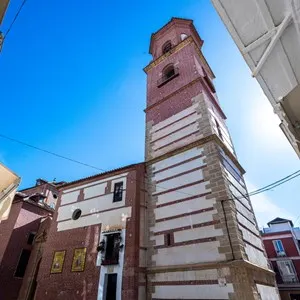
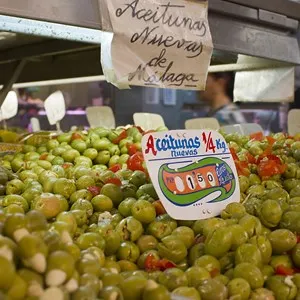
In Malaga, don't miss the Alcazaba, a stunning Moorish fortress, and the nearby Roman Theatre. Visit the Picasso Museum to appreciate works by the famous artist born here. The Malaga Cathedral and the vibrant Atarazanas Market are also must-sees for their architecture and local culture.
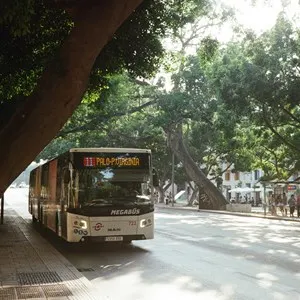
Malaga is a walkable city, especially in the historic center. For longer distances, the city has an efficient public transportation system, including buses and a metro. Taxis and ride-sharing services are also readily available for convenience.
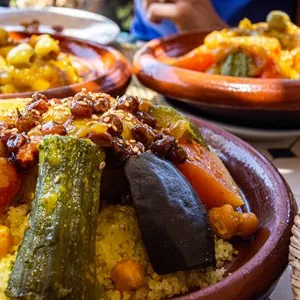
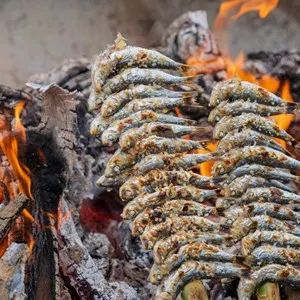
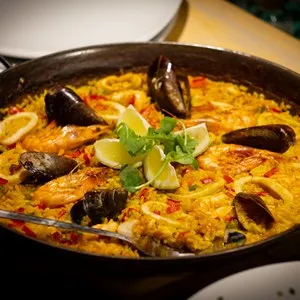
Yes, Malaga offers a variety of traditional dishes. Be sure to try 'espeto de sardinas' (grilled sardines), 'ajoblanco' (a cold almond soup), and 'porra antequerana' (a thicker version of gazpacho). Pair your meal with a glass of local sweet Malaga wine.
Malaga hosts several vibrant festivals, including the Malaga Fair in August, which features flamenco, music, and traditional costumes. Semana Santa (Holy Week) is another significant event with elaborate processions and religious ceremonies.
Yes, there are several excellent day trips from Malaga. Consider visiting the picturesque town of Ronda, the historic city of Granada with the Alhambra, or the charming white village of Mijas. Each offers unique cultural and scenic experiences.