
Details for Nuremberg
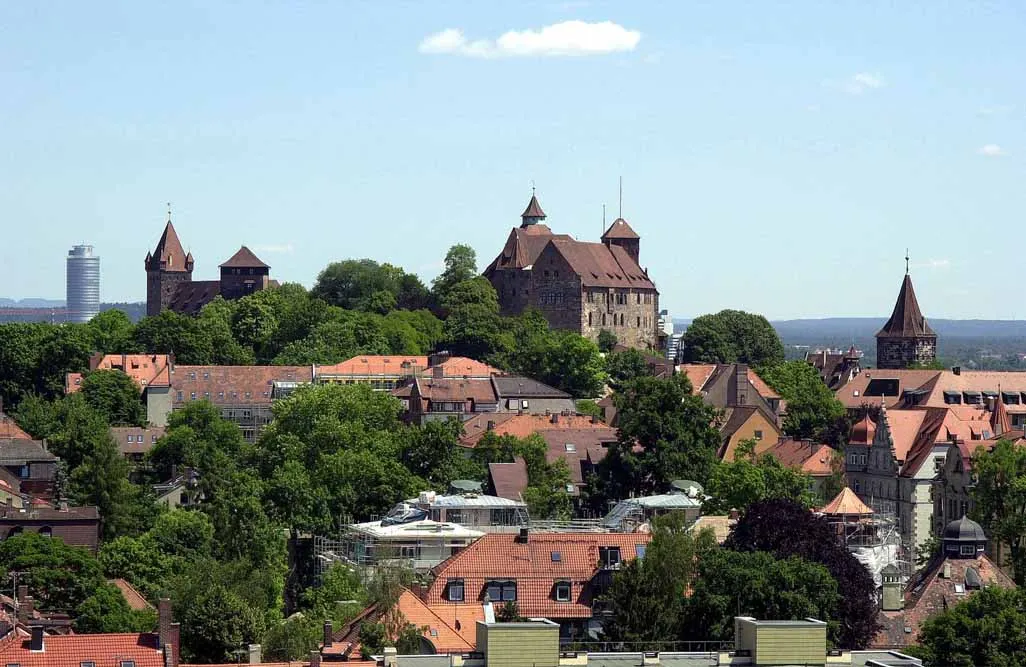
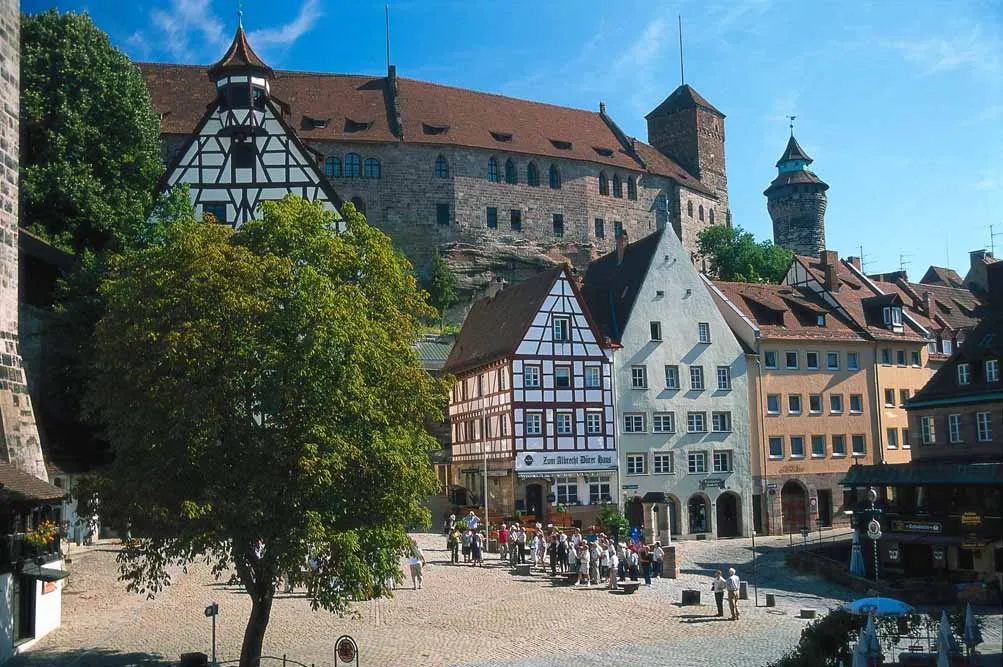
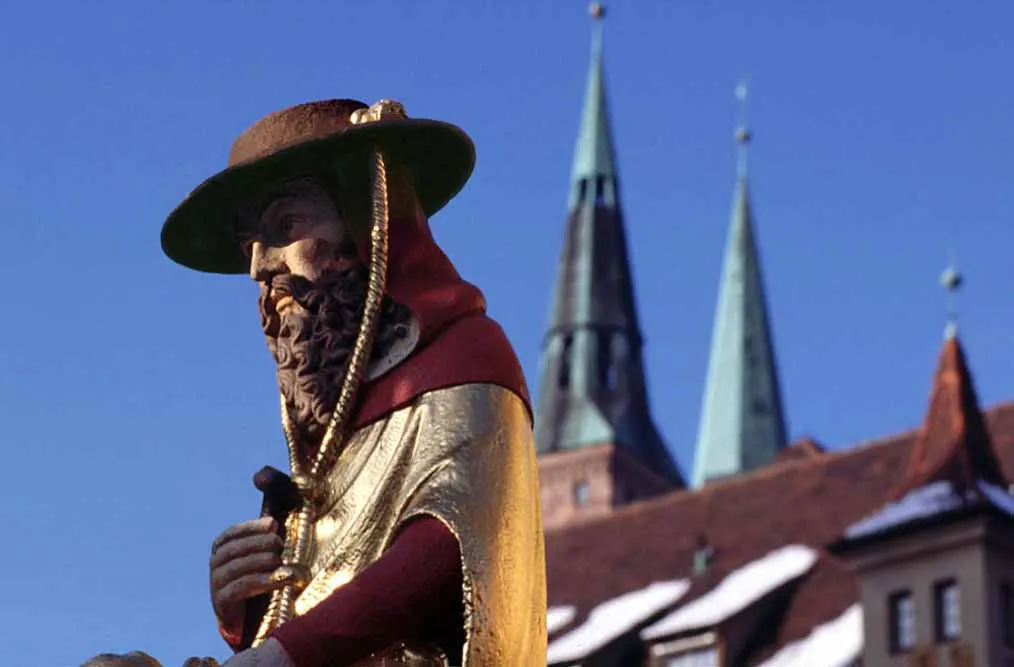
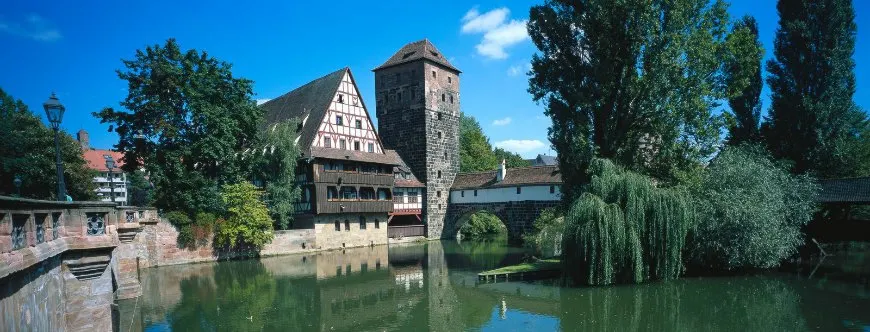

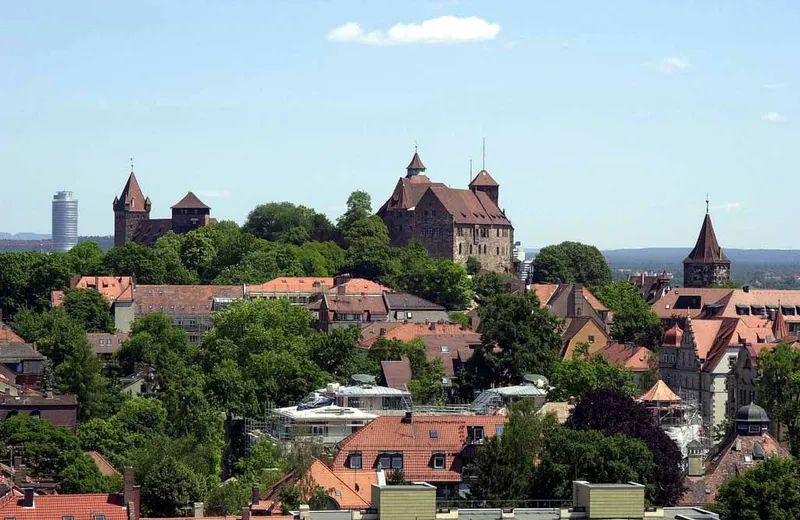
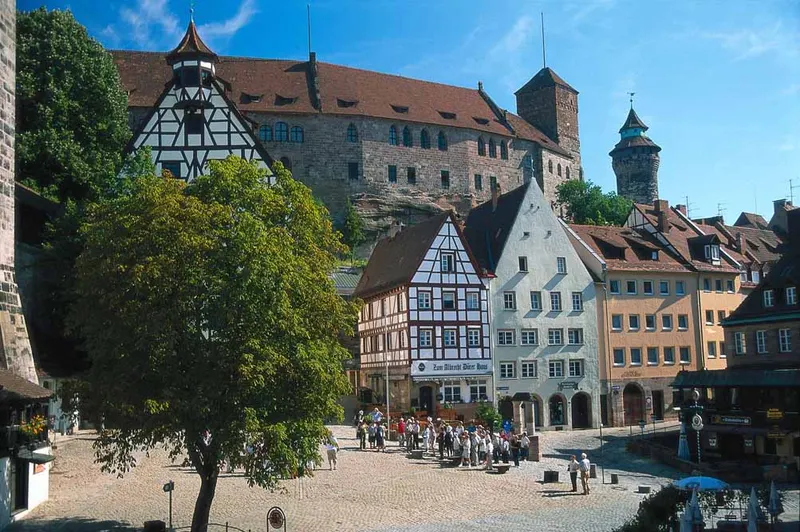
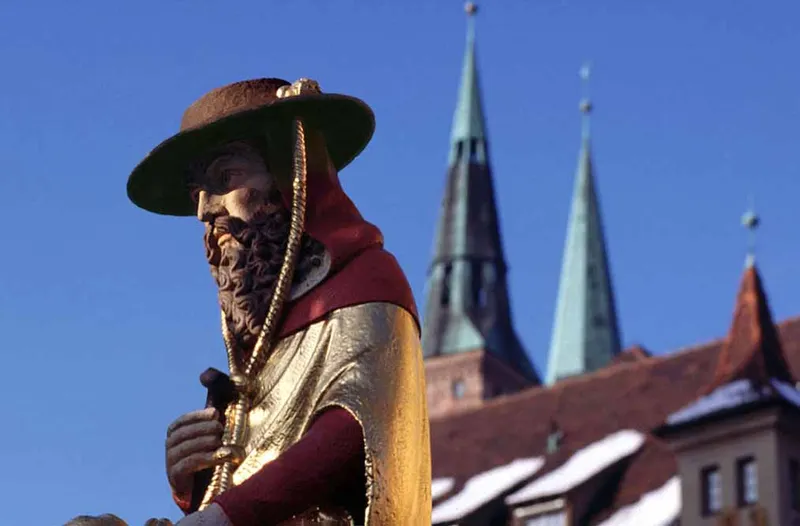
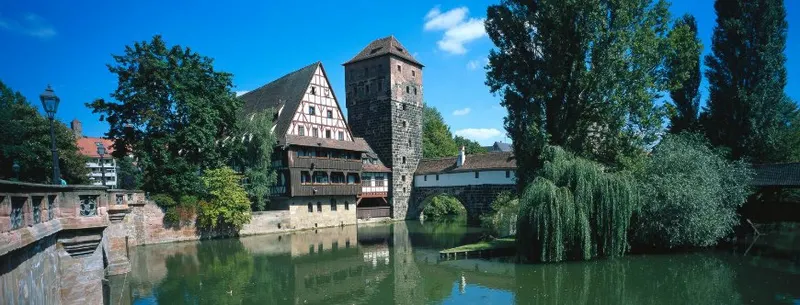
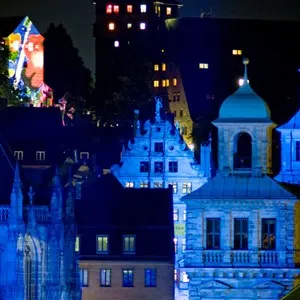
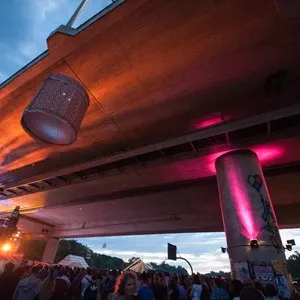
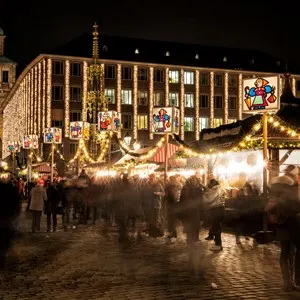
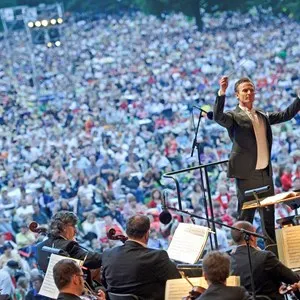
Welcome to Nuremberg! Nuremberg’s wealth of sights, delights and highlights means there’s always something for residents and visitors of all ages to discover. One of these is the Christkindlesmarkt, the city’s most famous event. Year after year, 2.3 million visitors visit one of the world’s most beautiful Christmas markets to experience its quaint atmosphere, taste the range of delicacies and listen to the Christmas Angel’s opening prologue. The famous Bardentreffen and Blaue Nacht events are well worth a visit too, as is Rock im Park, one of Germany’s largest rock festivals. The Sigena Urkunde, a deed published in 1050 by Emperor Henry III, contains the first documented reference to Nuremberg. The Kaiserburg, which was designed as a political and military hub and was one of the key imperial palaces of the Middle Ages, is still the city’s main landmark. Nuremberg’s appointment as an Imperial City put it under direct control of the Emperor and it enjoyed a number of privileges as a result. But the city also became known for its many scholars and artists, such as the painter Albrecht Dürer, one of the city’s most famous residents. Nuremberg’s unusual affinity with the crafts eventually made it one of the key trading towns in the Middle Ages. In more recent times, Nuremberg gained a less favourable reputation for itself during the National Socialist era. Even today, parts of the city are still home to gigantic ruins representing the Nazi regime’s deluded notion of grandeur. After the city was virtually razed to the ground in the Second World War, the decision was made to start rebuilding the historical Old Town to reflect its original glory. Along with neighbouring towns Fürth, Erlangen and Schwabach, the city today makes up the metropolitan area of Nuremburg. The city’s rambling shopping streets, vast green spaces, art and culture attract visitors to the city the whole year round.
530,000
1 euro/€ = 100 cents
Police 110, fire and rescue 112
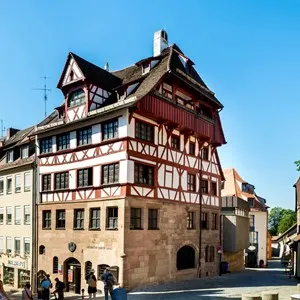
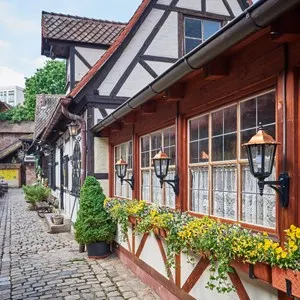
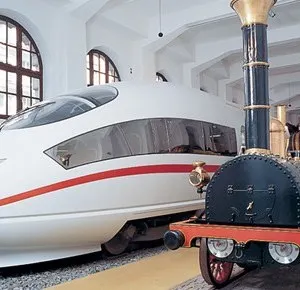
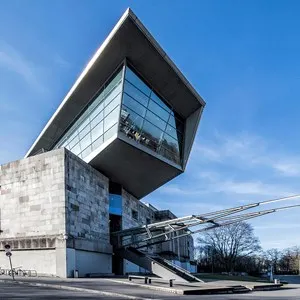
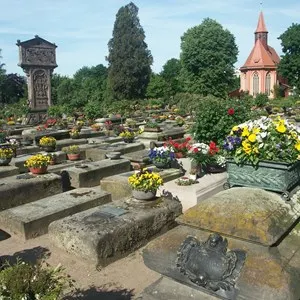
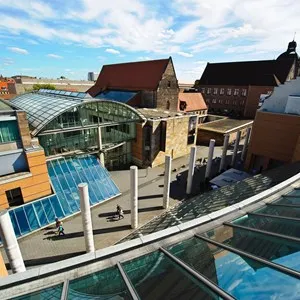
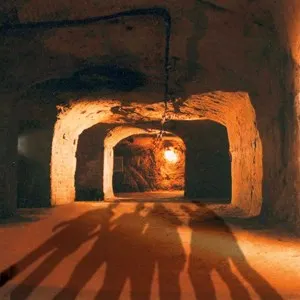
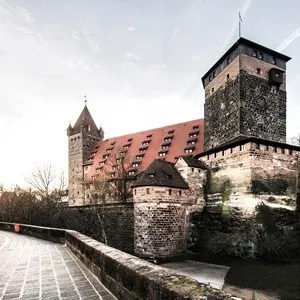
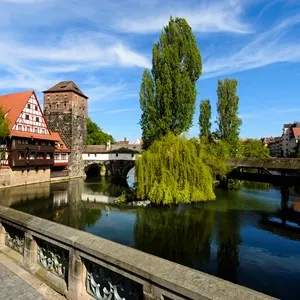
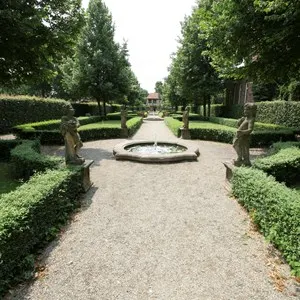
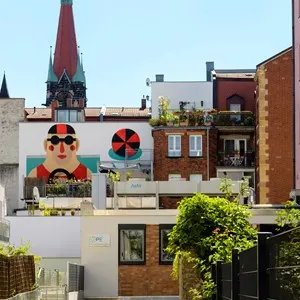
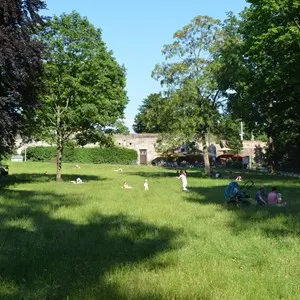
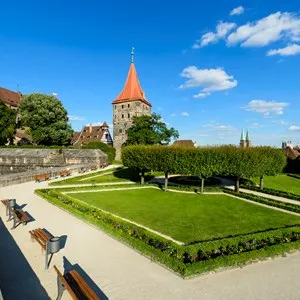
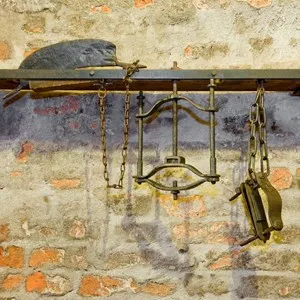
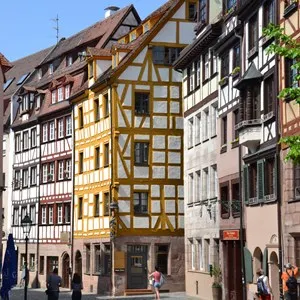
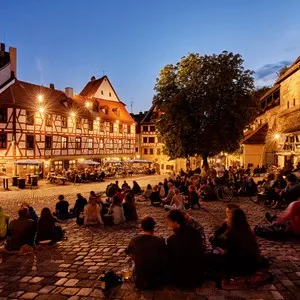
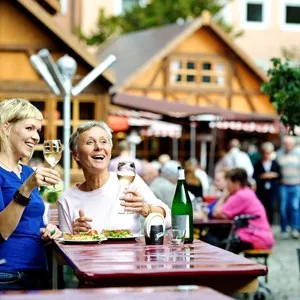
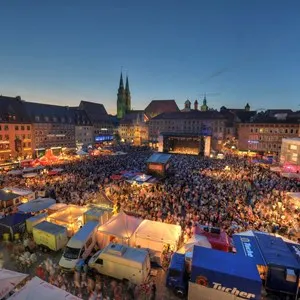


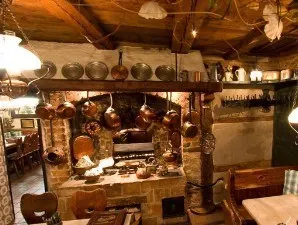
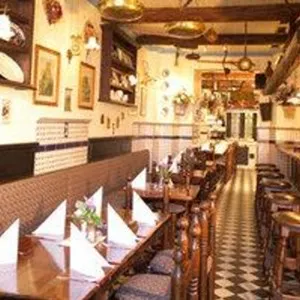
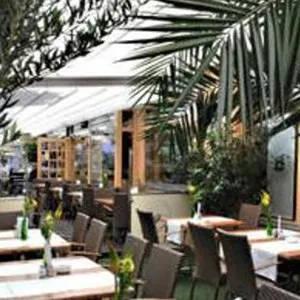
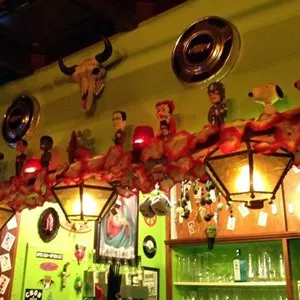
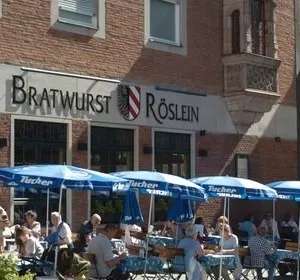
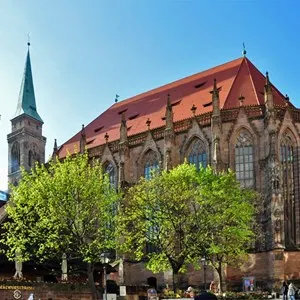
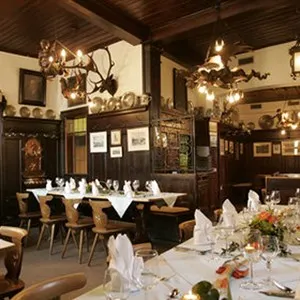

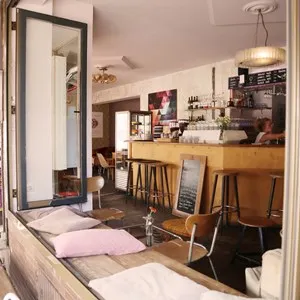
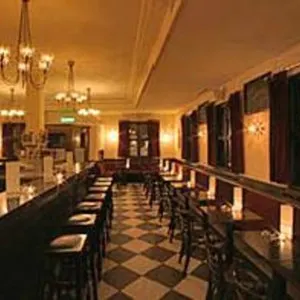
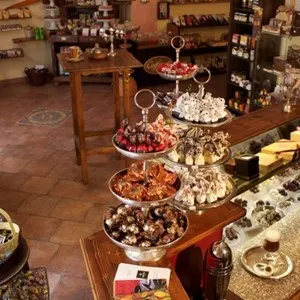


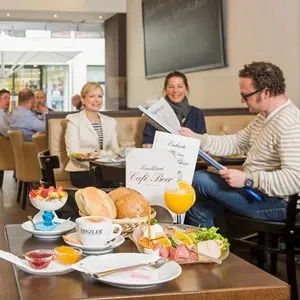
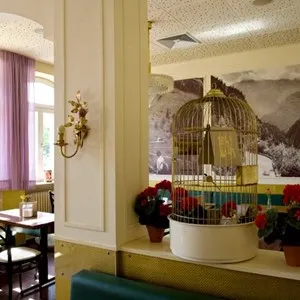



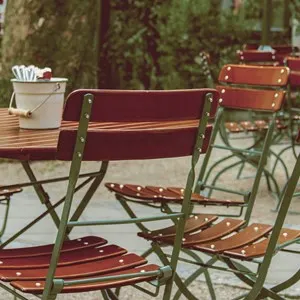



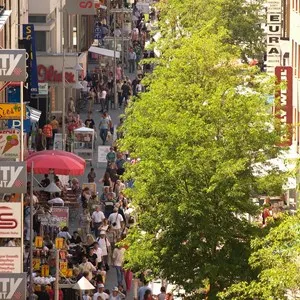


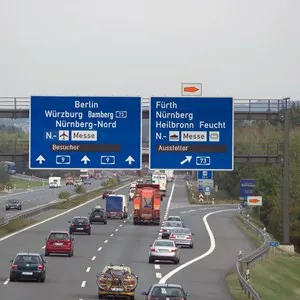
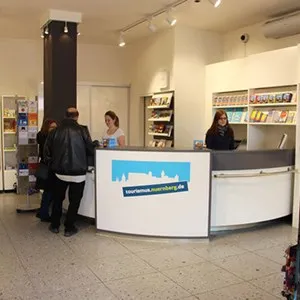


Nuremberg is rich in history and culture, with must-see attractions including the Nuremberg Castle, which offers panoramic views of the city, and the historic Old Town with its medieval architecture. The Documentation Center Nazi Party Rally Grounds provides a profound insight into the city's World War II history. Don't miss the Albrecht Dürer House, dedicated to the famous Renaissance artist, and the beautiful St. Lorenz Church.
A stay of two to three days in Nuremberg is ideal to explore its main attractions. This allows time to visit historical sites, enjoy local cuisine, and perhaps take a day trip to nearby destinations such as Bamberg or Rothenburg ob der Tauber.
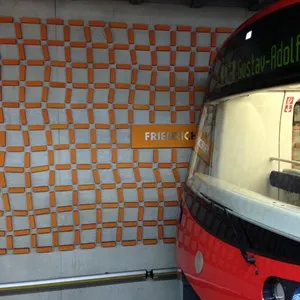
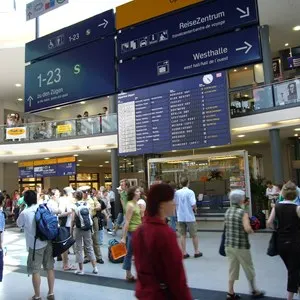
Nuremberg has an efficient public transportation system, including buses, trams, and the U-Bahn (subway), making it easy to navigate the city. The Old Town is best explored on foot due to its pedestrian-friendly streets. For those traveling further afield, renting a bicycle or using the extensive train network can be convenient options.
The best time to visit Nuremberg is during the spring (April to June) and fall (September to October) when the weather is mild and the city hosts various cultural events. The famous Nuremberg Christmas Market, held from late November to December, is also a magical time to experience the city.
Nuremberg is famous for its culinary specialties such as Nuremberg sausages (Nürnberger Rostbratwurst), which are small grilled sausages traditionally served with sauerkraut or potato salad. Another must-try is the Nuremberg gingerbread (Lebkuchen), especially popular during the Christmas season.
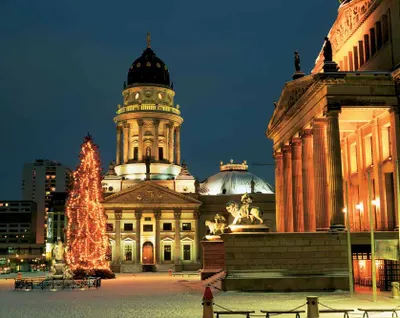
Nuremberg hosts several unique festivals, with the Nuremberg International Human Rights Film Festival and the Old Town Festival being notable highlights. The Nuremberg Christmas Market, one of the oldest and most famous in the world, attracts visitors with its festive atmosphere and traditional crafts.
Nuremberg is an excellent base for day trips to nearby attractions. Consider visiting Bamberg, a UNESCO World Heritage site known for its medieval architecture and smoked beer. Rothenburg ob der Tauber, with its well-preserved medieval town, is another popular destination. Both are easily accessible by train.