
Details for Oslo
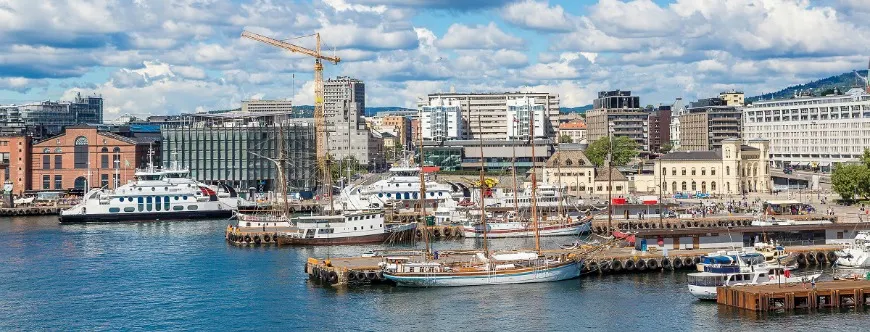


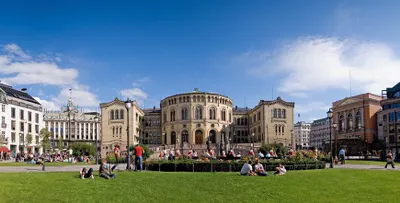
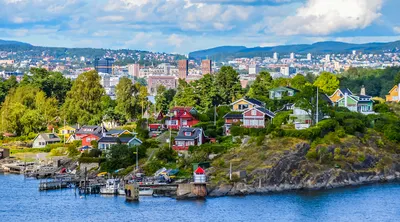
Nestled between the Oslofjord and the surrounding green hills, Oslo is a vibrant city which has evolved from its humble origins as a Viking settlement to become a thriving modern metropolis. Founded around the year 1000 AD by the Viking king Harald Hardrada, Oslo served as an important trading hub. Throughout the Middle Ages, the city experienced various power struggles and changed hands between Norwegian, Danish, and Swedish rulers. In 1624, a devastating fire razed much of the city to the ground. This catastrophe presented an opportunity for King Christian IV of Denmark-Norway to redesign Oslo, granting it city status and renaming it Christiania. The city flourished under Danish rule and later came under Swedish control during the Napoleonic era. Fast forward to 1905, when Norway gained independence from Sweden, and Christiania regained its original name, Oslo, as the capital of the newly established Norwegian state. The early 20th century witnessed significant urban development, with grand public buildings and cultural institutions shaping the city's skyline. In recent years, Oslo has become renowned for its sustainable practices and environmental initiatives, including its eco-friendly transportation. Parks and green spaces are integral to Oslo's urban fabric, providing residents and visitors with ample opportunities to connect with nature. Today, Oslo is a cosmopolitan city, blending a modern and innovative outlook with its historical charm. It is home to world-class museums, including the iconic Viking Ship Museum and the Munch Museum. The city's culinary scene is thriving, with a diverse range of international cuisines and a strong emphasis on locally sourced ingredients.
702,543 (2022)
Norwegian Kroner (NOK) 1 krone = 100 øre
Police: 112
Fire Brigade: 110
Ambulance: 113
Shops are normally open Mon–Fri 10am–6pm and Sat 10am–4pm. Department stores are open Mon–Fri 10am–8pm and Sat 9am–6pm.
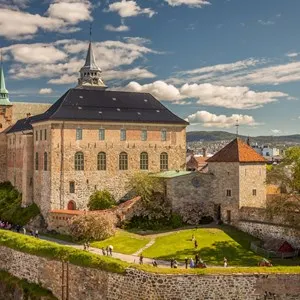
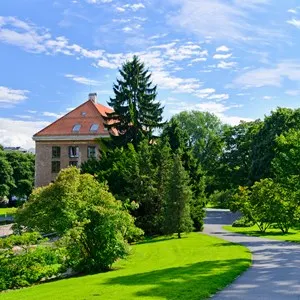

































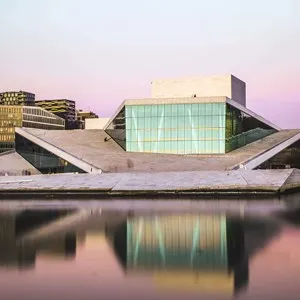





Oslo, the capital of Norway, boasts a variety of must-see attractions. The Vigeland Sculpture Park, with its over 200 sculptures by Gustav Vigeland, is a highlight. The Viking Ship Museum offers a glimpse into Norway's seafaring past with its well-preserved Viking ships. For art enthusiasts, the Munch Museum, dedicated to the works of Edvard Munch, is a must-visit. Don't miss the Oslo Opera House, where you can walk on the roof for panoramic views of the city.
Oslo has an efficient public transportation system that includes buses, trams, and the T-bane (metro). The Ruter app is handy for planning routes and purchasing tickets. For a more leisurely exploration, consider renting a bike; the city is very bike-friendly. Walking is also a great option, especially in the compact city center. Taxis are available but can be expensive.
The best time to visit Oslo is from May to September when the weather is mild and the days are long. During this period, you can enjoy outdoor activities and festivals, such as the Oslo Jazz Festival in August. Winter, from December to February, is ideal for those interested in winter sports and experiencing the magical Christmas markets.
In Oslo, be sure to try traditional Norwegian dishes such as 'rakfisk' (fermented fish) and 'klippfisk' (dried and salted cod). For a sweet treat, sample 'krumkake', a delicate waffle cookie. Oslo also has a vibrant seafood scene, so don't miss out on fresh salmon or shrimp from the fjords.
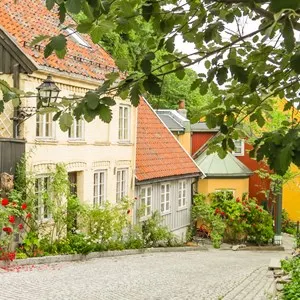
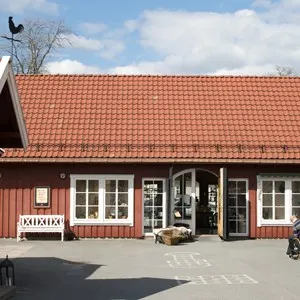
Yes, Oslo is a great base for several day trips. The picturesque town of Drøbak, known for its charming wooden houses and the Christmas House, is just an hour away. The Bygdøy Peninsula, home to several museums and beautiful beaches, is easily accessible by ferry. For nature lovers, a trip to the Nordmarka forest offers hiking and skiing opportunities.
Oslo hosts a variety of cultural events throughout the year. The Oslo International Film Festival in November showcases international films. The Holmenkollen Ski Festival in March is a major event for winter sports enthusiasts. Additionally, the Oslo Pride Festival in June is a vibrant celebration of diversity and inclusion.
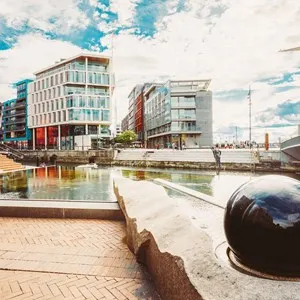
For first-time visitors, staying in the city center, particularly around Karl Johans gate, is ideal. This area offers easy access to major attractions, shops, and restaurants. The Aker Brygge and Tjuvholmen neighborhoods are also popular, offering waterfront views and a lively atmosphere. These areas are well-connected by public transport, making it convenient to explore the rest of Oslo.