
Details for Reykjavik
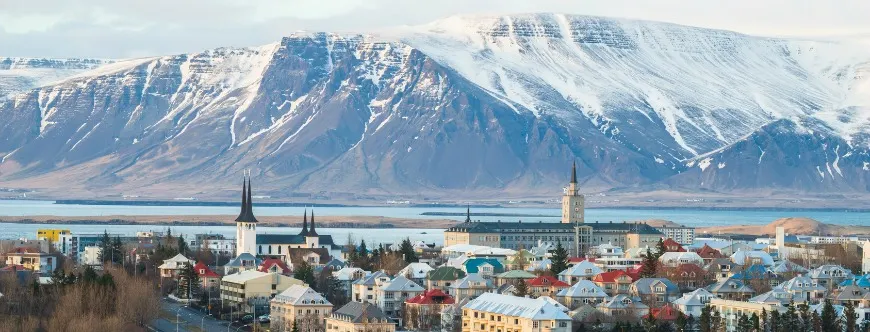
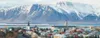
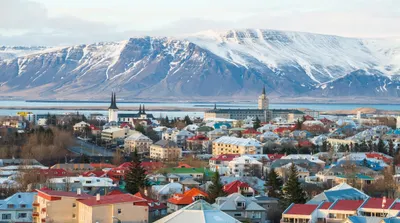
The most northern capital in the world, Reykjavik is known for its viking history, hot springs and impressive views of the illustrious Northern Lights. Reykjavik is also the largest city in Iceland and is among the cleanest, greenest and safest cities in the world. In recent years, Reykjavik has been growing in popularity, thanks to its unique history, ease of assessibility and safety, and world-renowned cuisine, nightlife, and views.

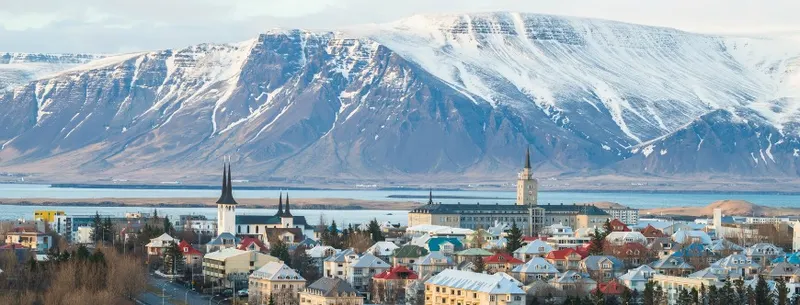
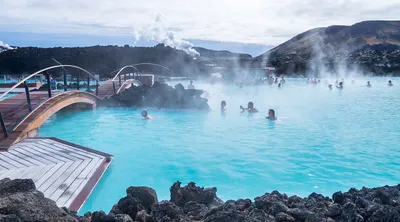
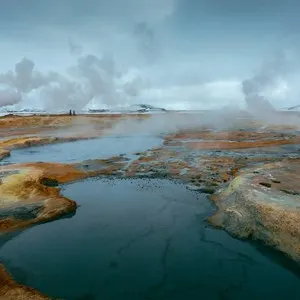
The city of Reykjavík has a fascinating history that stretches back over a thousand years. The site was first inhabited in the eighth century by a band of hardy Norsemen. Since then Vikings, monks, sailors, musicians, fishermen, politicians, writers, artists and all manner of folk have played their part in shaping the rich history and culture that makes Iceland’s capital such a vibrant and fascinating place. Visitors leave Reykjavík with a renewed sense of vigour that can be attributed to Iceland’s pristine air and unique energy, evident all around the city — from the geothermal vents steaming in the midnight sunshine to the great open spaces that adorn the area with stunning natural landscape. Many year-round activities and events can fill the diary of any interested traveller. Reykjavík is also home to the world’s oldest parliament — the Alþingi, which was founded in 930 AD. However, today the city is the epitome of a modern European capital with a world-class infrastructure, excellent transport links to Europe and North America, and 200,000 welcoming Icelanders helping you enjoy your stay. Reykjavík is renowned for an array of features: a big art scene, sightseeing and nightlife; annual film and music festivals; and numerous shops, museums and restaurants. There’s no other city like the world’s most Northerly capital, situated at a relatively short distance from the Arctic Circle. Iceland is a pretty isolated place, and that makes Reykjavík a fairly expensive place to hang out. The Economist magazine once put it as high as 14th place for its high cost of living. However, if you're coming from New York, Paris, Hong Kong or Tel Aviv — the pain of sticker shock won't bother you. Visitors from all around the globe also enjoy whale and wildlife watching, relaxing in one of the many thermal spas and pools (such as the famous Blue Lagoon), viewing spectacular sights such as the Imagine Peace Tower (a spectacular tribute to John Lennon) or the Hallgrímskirkja, and touring the amazing countryside — all with the beautiful snow-covered Mount Esja in the background. Reykjavík is home to some superb hotels, guest houses and other cosy kinds of accommodation for visitors. Information on tours, trips and things to do during your stay can be easily found in this brochure or at the Reykjavík Tourist Information Centre. However long you stay here, you won’t be short of things to do in Reykjavík.
Reykjavík: around 140,000 Greater Reykjavík: around 247,000
1 Icelandic Króna (ISK) = 100 Aurar
Single Emergency Number: 112
The opening hours of most businesses are from 9am until 5pm. Some companies and institutions change their work hours to 8am to 4pm in the summer months. Shopping hours are generally from 10am until 6pm weekdays (Monday to Friday). On Saturdays, most shops are open from 10am until 4pm, while some are closed on Saturdays in summer. Most shops are closed on Sundays, but both shopping centres are open daily. The following days are public holidays in Iceland. Most shops and businesses are closed on these days, but on many public holidays some food stores remain open. • New Year’s Day: 1 January • Maundy Thursday: the Thursday before Easter • Good Friday: the Friday before Easter • Easter Sunday • Easter Monday • May Day: 1 May • Ascension Day: the Thursday 40 days after Easter • Whit Sunday: the seventh Sunday after Easter • Whit Monday: the day after Whit Sunday • National Day: 17 June • Summer Bank Holiday: the first Monday in August • Christmas Eve: public holiday from noon • Christmas Day • Boxing Day: the day after Christmas • New Year’s Eve: public holiday from noon.
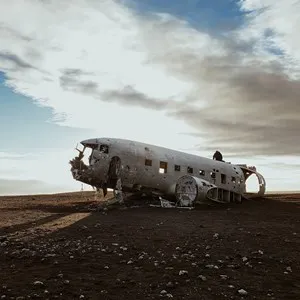
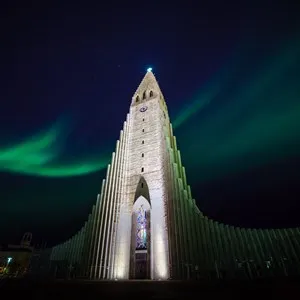
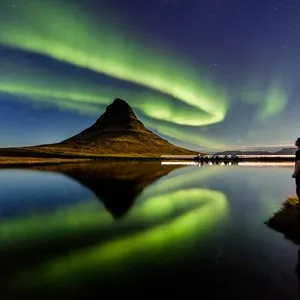
















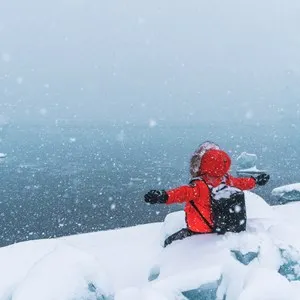



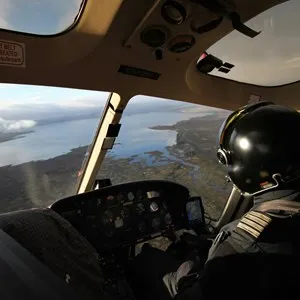
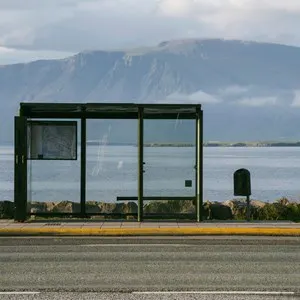


The best time to visit Reykjavik depends on your interests. For those eager to witness the Northern Lights, the dark winter months from October to March are ideal. However, if you prefer milder weather and longer daylight hours, consider visiting between June and August, when you can experience the Midnight Sun and enjoy various outdoor activities.
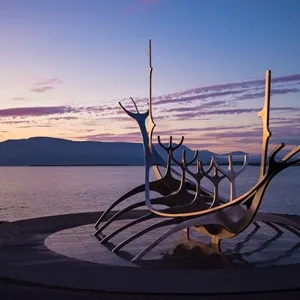
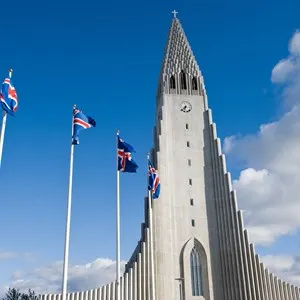
A stay of 3 to 4 days in Reykjavik is typically sufficient to explore the city's main attractions, such as the Hallgrímskirkja church, Harpa Concert Hall, and the Sun Voyager sculpture. This timeframe also allows for day trips to nearby natural wonders like the Golden Circle, Blue Lagoon, and Reykjanes Peninsula.
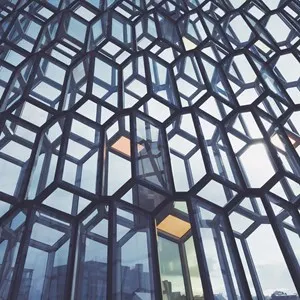
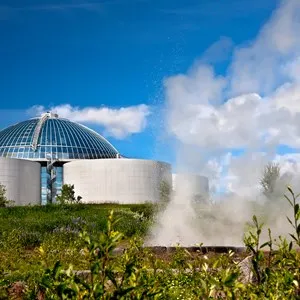
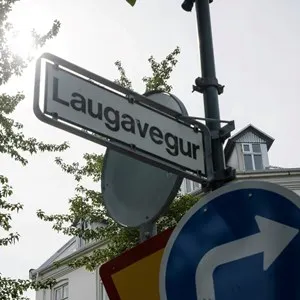
In Reykjavik, don't miss the iconic Hallgrímskirkja church with its panoramic views, the Harpa Concert Hall for its stunning architecture, and the National Museum of Iceland for cultural insights. The Perlan museum offers interactive exhibits and a chance to see the city from its observation deck. Additionally, stroll along Laugavegur street for shopping and dining.
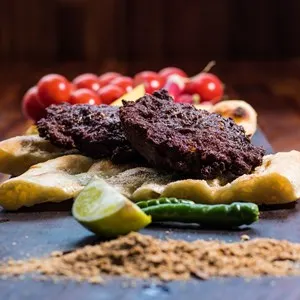
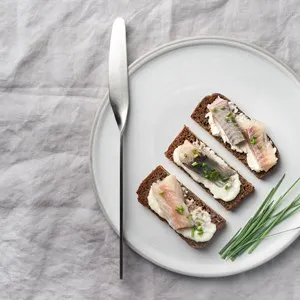
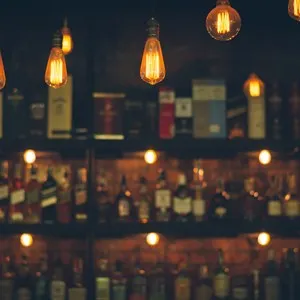
Reykjavik offers a variety of traditional Icelandic dishes. Be sure to try 'plokkfiskur' (a fish stew), 'harðfiskur' (dried fish), and 'skyr' (a yogurt-like dairy product). For the adventurous, 'hákarl' (fermented shark) is a unique experience. Pair your meal with local brews or 'brennivín', a traditional Icelandic schnapps.
Reykjavik is compact and walkable, making it easy to explore on foot. For longer distances, the city offers an efficient public bus system called Strætó. Taxis and rental cars are also available, though parking can be limited in the city center. Cycling is another popular option, with bike rentals widely available.
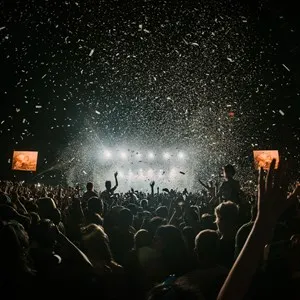
Reykjavik hosts several vibrant festivals throughout the year. The Reykjavik Arts Festival in May showcases local and international art. In August, the city comes alive with the Reykjavik Culture Night, featuring music, dance, and fireworks. The Iceland Airwaves music festival in November is a must for music enthusiasts, featuring both local and international acts.
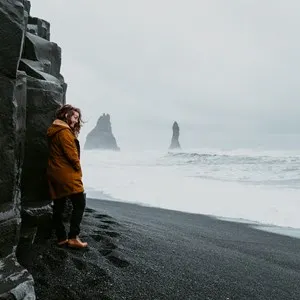
Reykjavik is a great base for day trips to Iceland's natural wonders. The Golden Circle route includes Þingvellir National Park, Geysir geothermal area, and Gullfoss waterfall. The Blue Lagoon, a geothermal spa, is a short drive away. For a unique experience, consider a tour to the South Coast to see black sand beaches and waterfalls like Seljalandsfoss and Skógafoss.