
Discover Iceland Through Reykjavik, Hot Springs and Natural Wonders
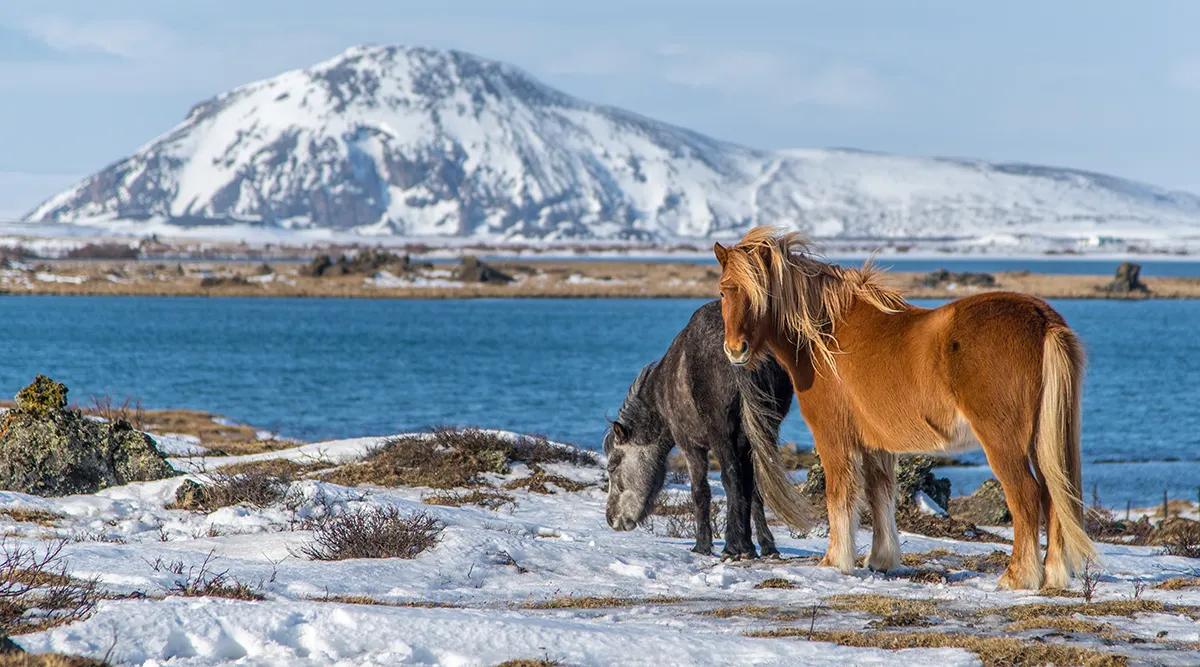
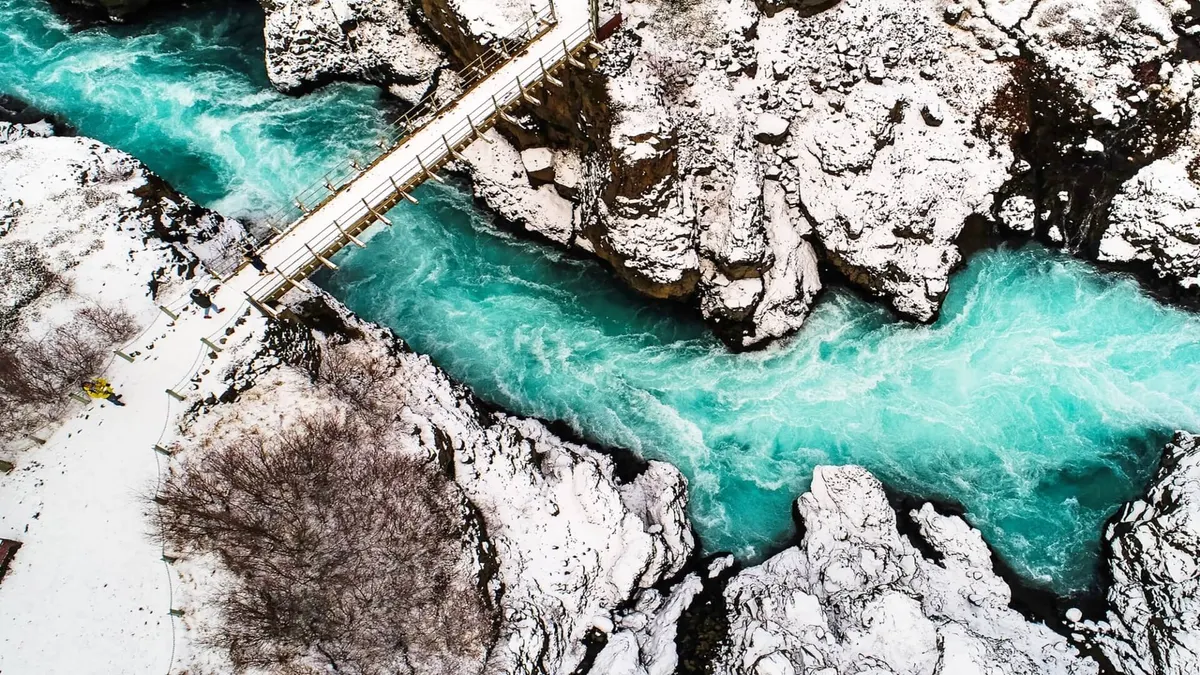
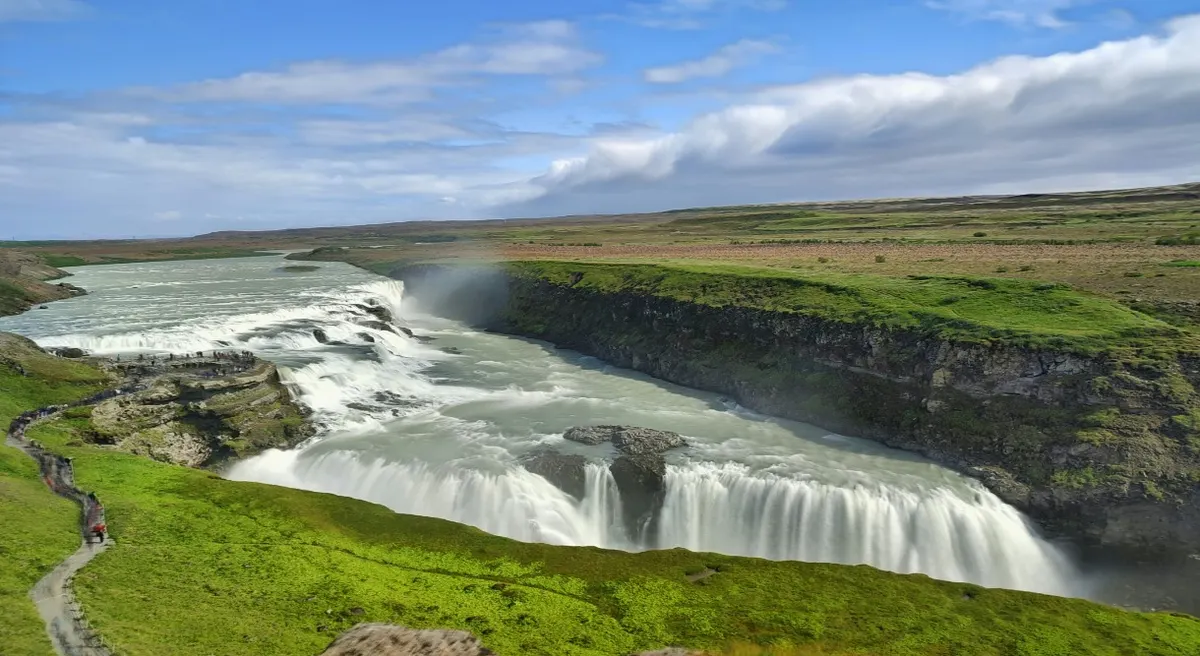
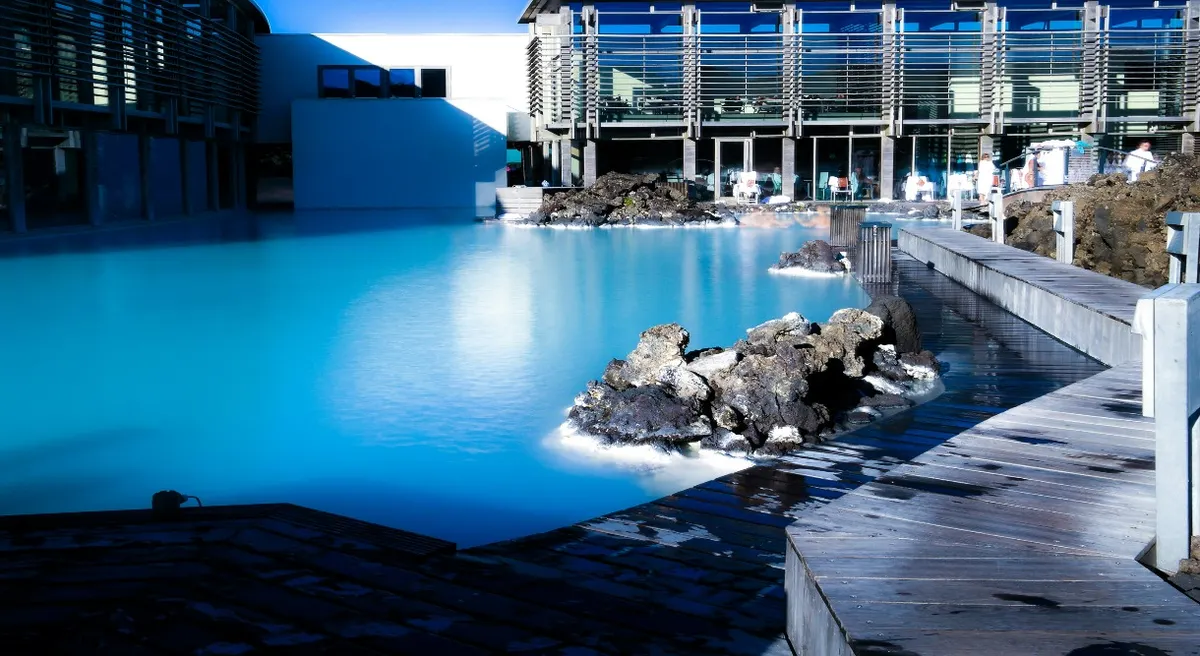
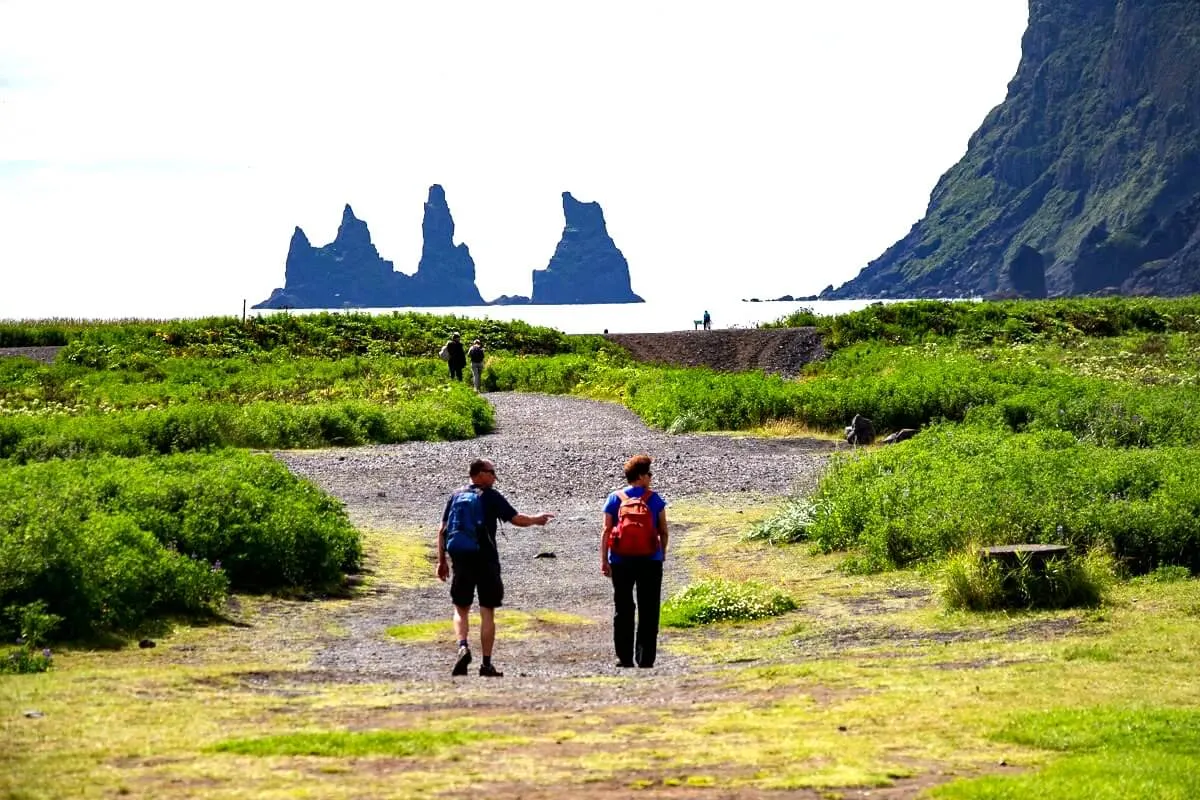
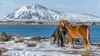


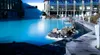
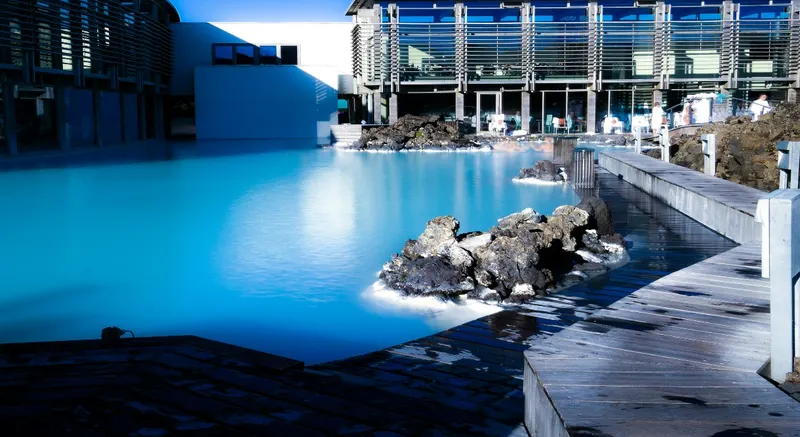
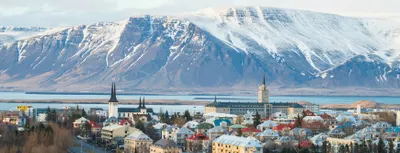
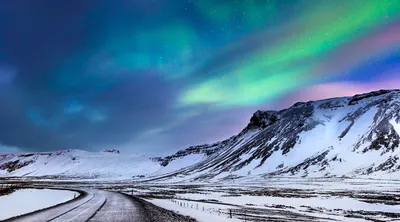
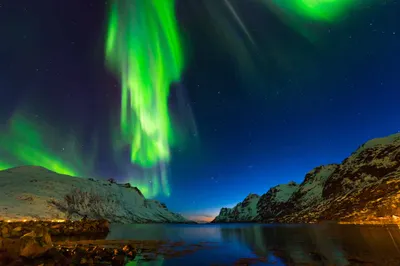
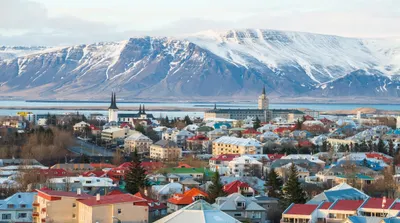
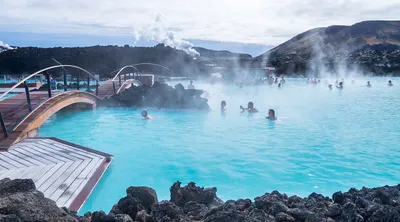
Volcanically active, Iceland is the most sparsely populated country in Europe. Iceland attracts travelers from around the world to its largest and capital city of Reykjavik famous for its nordic culture, hot springs and stunning views of the Northern Lights. One of the most popular attractions for travelers is the Blue Lagoon, filled with 98-102 degree fahrenheit mineral-rich water. It is known for its healing properties due to the natural active ingredients such as mineral salts, silica and blue green algae.
Cities & Region





Frequently Asked Questions
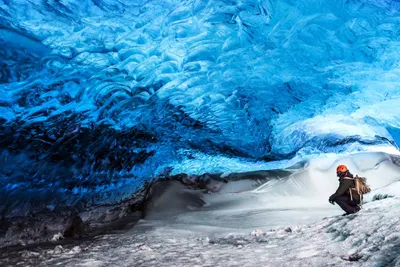
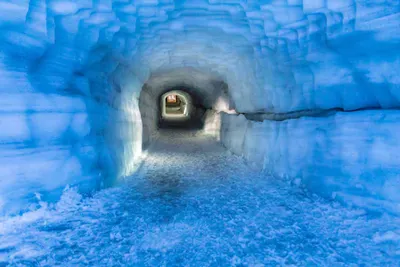
The best time to visit Iceland depends on what you want to experience. For the Northern Lights, visit between September and April. If you prefer milder weather and longer daylight hours, plan your trip between June and August. Summer is ideal for hiking and exploring the highlands, while winter offers unique ice cave tours.
U.S. citizens do not need a visa for stays in Iceland up to 90 days within a 180-day period for tourism or business purposes. However, a valid passport is required, and it must be valid for at least three months beyond your planned departure date from the Schengen Area. Always check the latest entry requirements before traveling.
Iceland uses the Icelandic króna (ISK). Credit cards are widely accepted throughout the country, including in small towns and rural areas. It's common to pay with cards for even small purchases. However, it's a good idea to carry some cash for emergencies or in case you encounter a place that doesn't accept cards.
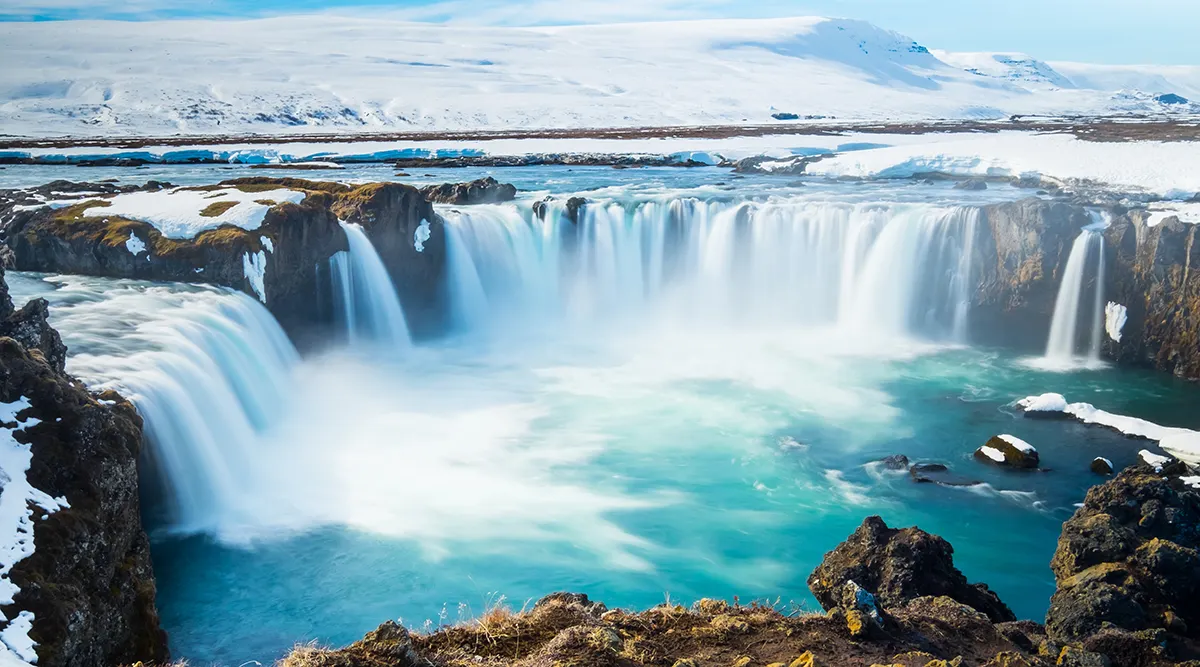
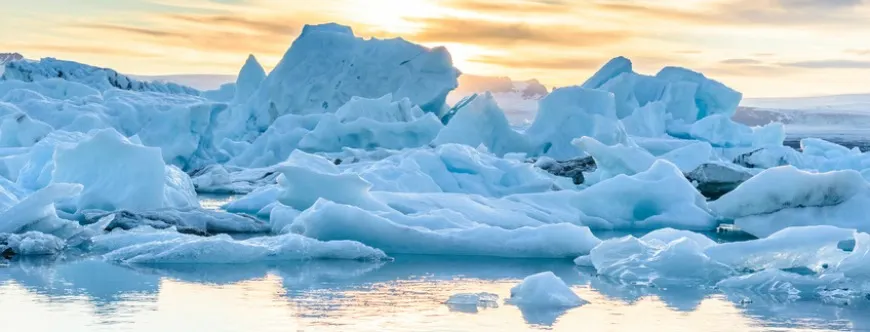
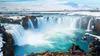
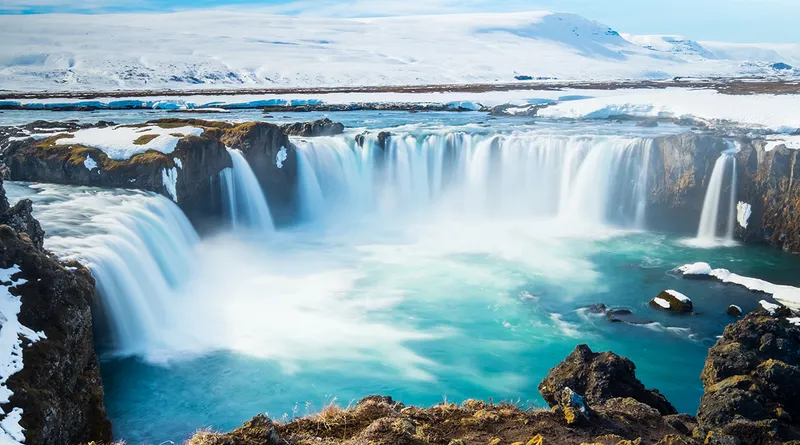
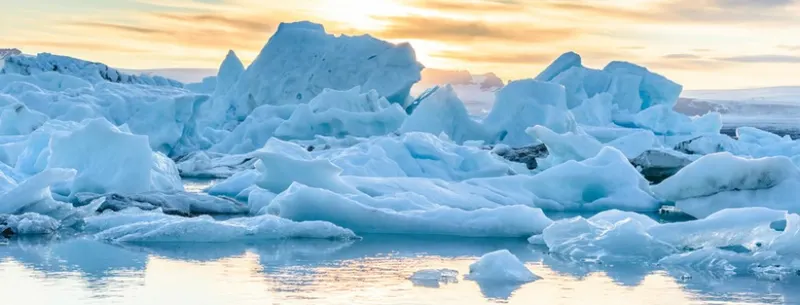
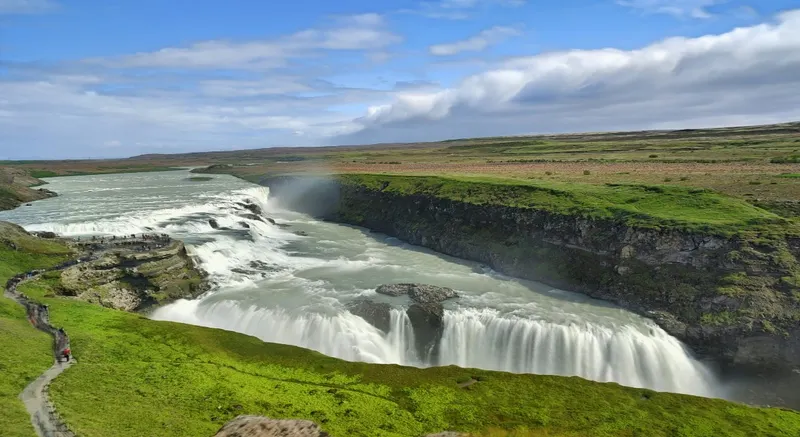
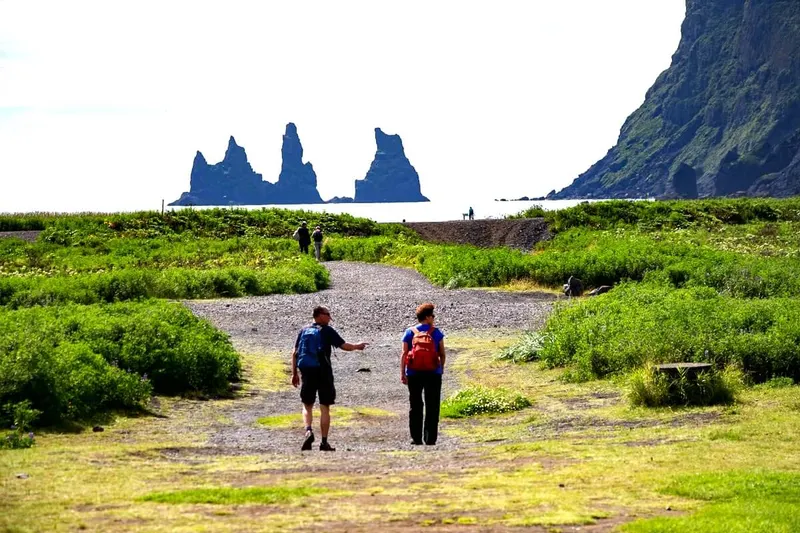
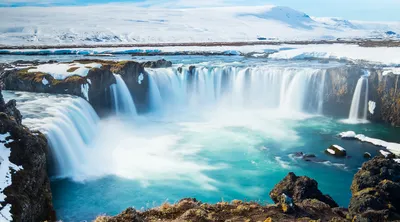
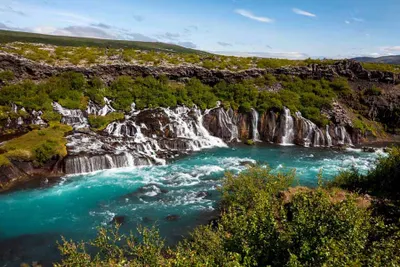
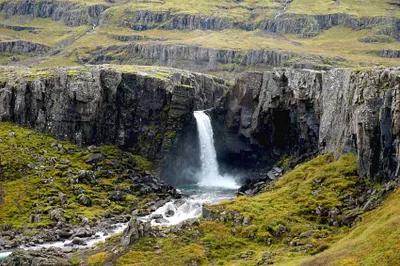
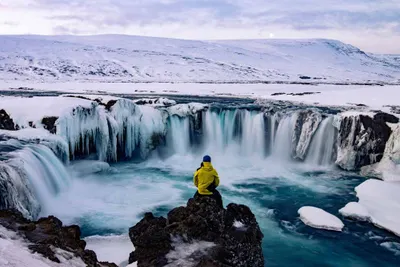
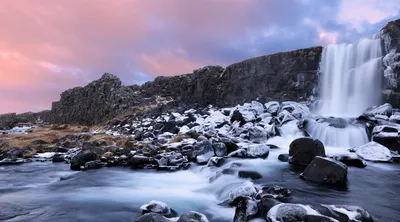
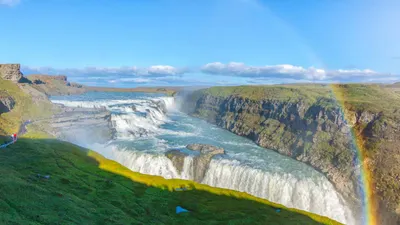
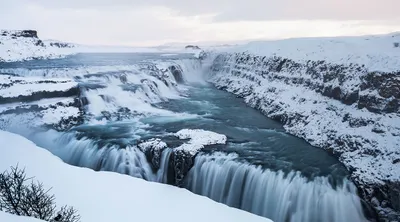
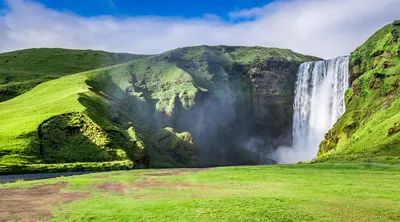
Iceland is renowned for its stunning natural attractions. Don't miss the Golden Circle, which includes Þingvellir National Park, Geysir geothermal area, and Gullfoss waterfall. The South Coast offers breathtaking sights like Seljalandsfoss and Skógafoss waterfalls, Reynisfjara black sand beach, and the Jökulsárlón glacier lagoon.
Renting a car is the most convenient way to explore Iceland, allowing you to travel at your own pace and reach remote areas. The Ring Road (Route 1) circles the island and connects most major sights. Alternatively, guided tours are available for those who prefer not to drive, and public buses can be used for travel between towns.
Icelandic cuisine is known for its fresh seafood and unique dishes. Try 'harðfiskur' (dried fish), 'skyr' (a yogurt-like dairy product), and 'lamb soup.' For the adventurous, 'hákarl' (fermented shark) is a traditional delicacy. Don't miss the chance to taste fresh Icelandic fish like cod or Arctic char.
Iceland hosts several unique festivals throughout the year. The Reykjavik Arts Festival in May showcases local and international art. The Iceland Airwaves music festival in November is a must for music lovers. Additionally, the Viking Festival in June offers a glimpse into Iceland's Viking heritage with reenactments and traditional crafts.