
Details for Santiago de Compostela
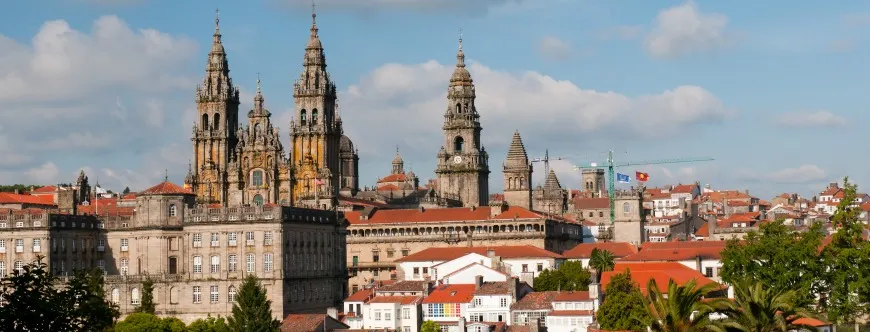

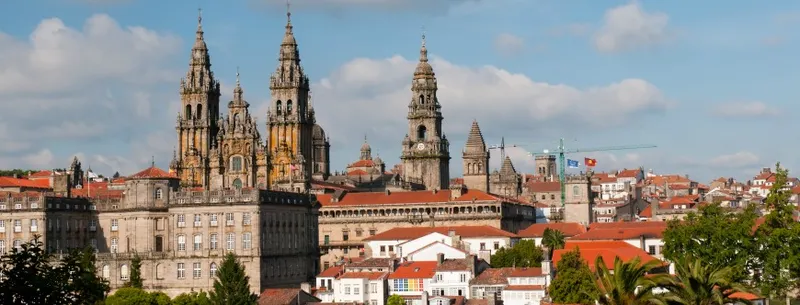
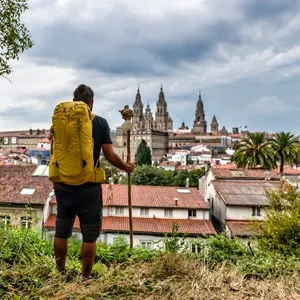
You don't have to be a pilgrim to enjoy the wonderful city of Santiago. Its historic centre is widely accepted as one of the most beautiful old towns in Spain, if not the world, and it is where visitors wish to spend most of their time. Wander through narrow streets among ancient stone buildings and be greeted by history at every turn. Santiago is considered to be one of the spiritual capitals of Christendom, on par almost with Jerusalem and the Vatican. The city has been shaped around the spot where the relics of the disciple James the Great (also known as Santiago) are said to be found in a field almost 1,000 years ago, sparking the religious pilgrimages in the Middle Ages. But Santiago has a modern side to it as well. It is home to over 40,000 students that breathe fresh life into the city, giving it lively nightlife and strong cultural and artistic tones. Add to that hip shopping and an innovative culinary scene, and you have one of northern Spain's most interesting and beautiful destinations.
96,000 (2026)
Euro (EUR) €1 = 100 cents
Emergency: 112
Police: 091
Ambulace: 061
Business hours are usually from 9:30/10am to 8/9pm, Monday to Saturday with a lunch break between 1pm and 2pm. Some shops do not close during lunch time and others, mainly in the city centre, are also open on Sundays and public holidays during the sales or the Christmas season. Bars, cafés and restaurants are open most of the day, and many restaurants still serve food after midnight.
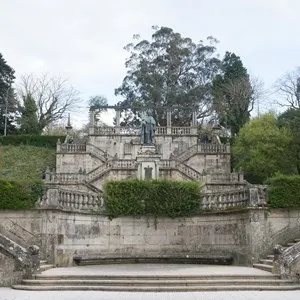

































The best time to visit Santiago de Compostela is during the late spring (May to June) and early fall (September to October) when the weather is mild and the city is less crowded. These months offer pleasant temperatures for exploring the historic sites and participating in outdoor activities, while avoiding the peak tourist season in July and August.
A stay of 2 to 3 days in Santiago de Compostela is ideal for first-time visitors. This allows you to explore the main attractions, such as the Cathedral of Santiago de Compostela, the historic Old Town, and the Alameda Park. Additionally, you can take a day trip to nearby destinations like the Rías Baixas or the town of Finisterre.
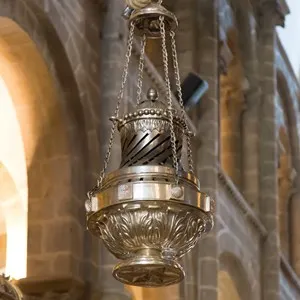
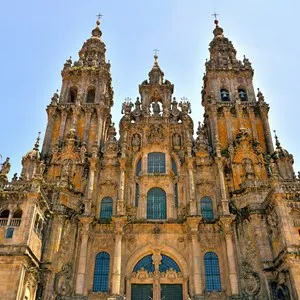
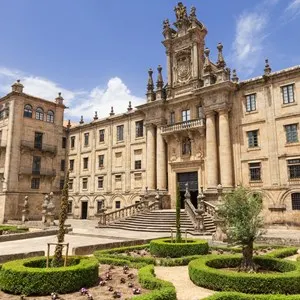
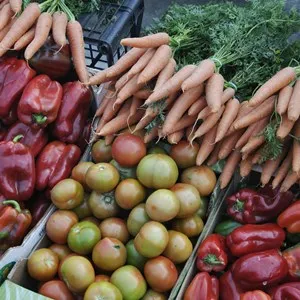
The must-see attractions in Santiago de Compostela include the iconic Cathedral of Santiago de Compostela, which is the reputed burial site of Saint James. Explore the historic Old Town, a UNESCO World Heritage site, and visit the Hostal dos Reis Católicos, one of the oldest hotels in the world. Don’t miss the vibrant Mercado de Abastos for a taste of local life and cuisine.
Santiago de Compostela is a compact city, and the best way to get around is on foot. The historic center is pedestrian-friendly, allowing you to easily explore its narrow streets and squares. For longer distances or if you prefer not to walk, the city offers a reliable bus network, and taxis are readily available.
One of the most significant events in Santiago de Compostela is the Feast of Saint James, celebrated on July 25th. This festival includes religious ceremonies, parades, concerts, and fireworks. Another notable event is the Festival Internacional de Cine, a film festival held in October, showcasing international cinema in various venues across the city.
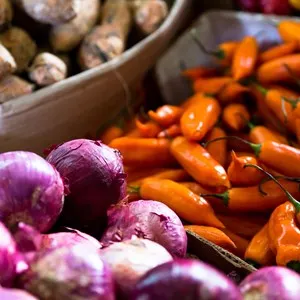
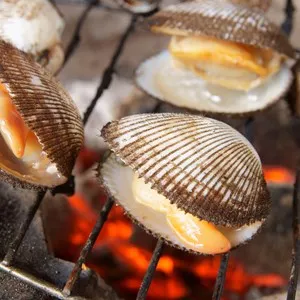
In Santiago de Compostela, be sure to try traditional Galician dishes such as pulpo a la gallega (Galician-style octopus), empanada gallega (savory pie), and pimientos de Padrón (small green peppers). For dessert, indulge in the famous Tarta de Santiago, an almond cake typically marked with the cross of Saint James.
Recommended day trips from Santiago de Compostela include visiting the coastal town of Finisterre, known as the "end of the world," and the Rías Baixas region, famous for its beautiful beaches and Albariño wine. The city of A Coruña, with its Roman lighthouse, the Tower of Hercules, is also a worthwhile excursion.