
:no_upscale()/LocalImage/PictureLibrary/Europe-Mediterranean/Germany/Cuisine/Germany,%20Bavarian%20Breakfast-01.jpg)
:no_upscale()/LocalImage/PictureLibrary/Europe-Mediterranean/Germany/People/Germany,%20Ruedesheim,%20Vineyard,%20People-01.jpg)
:no_upscale()/LocalImage/Destinations/636711603234734200.jpg)


:no_upscale()/LocalImage/PictureLibrary/Europe-Mediterranean/Germany/Cuisine/Germany,%20Bavarian%20Breakfast-01.jpg)
:no_upscale()/LocalImage/PictureLibrary/Europe-Mediterranean/Germany/People/Germany,%20Ruedesheim,%20Vineyard,%20People-01.jpg)
:no_upscale()/LocalImage/Destinations/636711603234734200.jpg)


Stuttgart lies in the heart of one of Germany's largest wine-growing regions, and its unique charm draws visitors from across the globe. As the state capital of Baden-Württemberg, the city offers a mix of stunning panoramas, lush gardens and parks, historic squares, and architecture ranging from medieval to modern. Its cultural diversity adds another layer of appeal, making it a vibrant city with something for everyone. Set in a basin-shaped valley opening out to the Neckar River, Stuttgart is surrounded by rolling vineyards to the east and south, with fertile plains to the north and west. While Cannstatt was already inhabited in Roman times, Stuttgart itself was founded in the 10th century as a stud farm, likely on the site of an earlier settlement. By 1219, it had officially gained city status under Hermann V of Baden. In the late 15th century, it became the seat of the duke, and in 1806, it was named the capital of the Kingdom of Württemberg. Today, Stuttgart stands as the cultural and political heart of Baden-Württemberg, but it’s also a key hub for industry, trade, and finance. The city draws visitors with iconic attractions like the Mercedes-Benz Museum and the Porsche Museum, where you can dive into the stories behind these world-famous brands. Stuttgart’s traditional festivals also attract crowds from all over, making it a city that's always ready to celebrate.
636,840 (2025)
Euro (EUR, €)
Police: 110
Fire brigade and Ambulance: 112
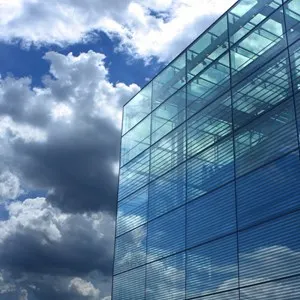
The Kunstmuseum Stuttgart is hard to miss—by day, it’s a sleek glass cube reflecting the city; by night, its illuminated limestone core glows from within. The museum holds around 5,000 square metres of exhibition space, much of it tucked beneath the square in repurposed tunnels. It’s home to the world’s largest collection of works by Otto Dix, including his famous triptych Großstadt. The collection also includes pieces by Adolf Hölzel, Willi Baumeister, and other key figures in modern and contemporary German art.

Höhenpark Killesberg is Stuttgart’s go-to green space when you want a break from the city buzz. It’s got a bit of everything: a 40-metre spiral tower with city views, a miniature train that loops through the park, and a petting zoo with goats, donkeys, and llamas. During the summer months, the outdoor pool and wave machine are a hit, and there’s plenty of space to picnic or wander through flower gardens.

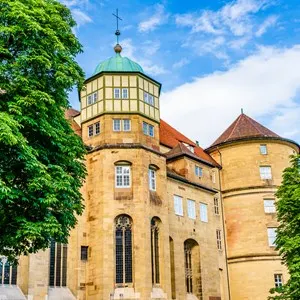
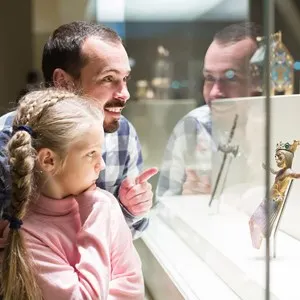
Housed in Stuttgart's Old Castle, the Landesmuseum Württemberg is the state's largest cultural history museum, with its origins tracing back to the 16th-century Kunstkammer of the Württemberg dukes. Officially founded in 1862 by King Wilhelm I, the museum's collections span over a million objects, covering archaeology, art, and cultural history from the Stone Age to the present day. Highlights include prehistoric artefacts, Roman relics, medieval art, the crown jewels of Württemberg, and one of the world's oldest preserved card games. The museum also features the 'Junges Schloss', a children's museum designed to make history accessible to younger visitors.

The Linden Museum in Stuttgart is one of Europe's leading ethnological museums, offering a comprehensive look at global cultures. Its collection spans approximately 160,000 objects from Africa, the Americas, Asia, and Oceania, including everyday items, artworks, and sacred objects. Permanent exhibitions cover regions such as the Islamic Orient, South and Southeast Asia, East Asia, Africa, and Oceania. Highlights include immersive displays like a Japanese teahouse, a Tibetan altar room, and a carved Māori meeting house.

The Mercedes-Benz Museum is worth a few hours, even if you're not big on cars. Spread over nine levels, it walks you through more than 130 years of automotive history—from the first motorised carriage to modern electric prototypes—with around 160 vehicles on display. The building itself is a bit of an architectural talking point, designed like a double helix. Exhibits are well laid out, easy to follow, and occasionally rotate.

Stuttgart has the second-largest mineral water reserves in Europe, just after Budapest. In Bad Cannstatt, 19 springs produce around 44 million litres of mineral water daily. Locals have been using these waters for centuries, and today, three public mineral spas keep the tradition alive: DAS LEUZE, Mineralbad Berg, and SoleBad Cannstatt. DAS LEUZE is the most modern of the three, with indoor and outdoor pools fed by natural mineral springs, a large sauna area, and a dedicated children’s section. It’s located right by the Neckar River and easily accessible via public transport.

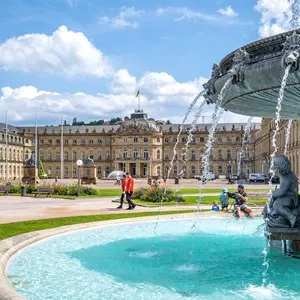
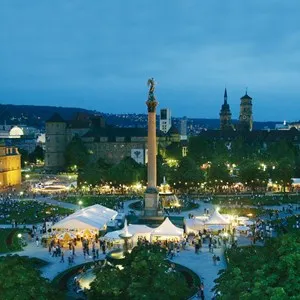
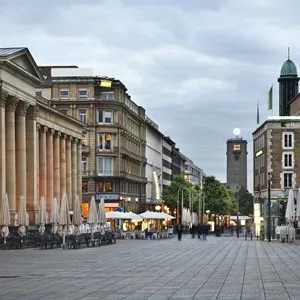
Palace Square (Schlossplatz) is Stuttgart’s central gathering spot, framed by the New Palace and the Königsbau. At its centre stands the Jubilee Column, topped by the goddess Concordia, commemorating King Wilhelm I’s 25th year of rule. Once a military parade ground, the square was opened to the public in the 19th century and now hosts open-air concerts, festivals, and parts of the Christmas market.

Located next to Porsche's headquarters in Zuffenhausen, the museum showcases around 80 vehicles and 200 smaller exhibits, all displayed within a striking 5,600-square-metre space. The building itself is an architectural highlight—a futuristic structure designed by Viennese firm Delugan Meissl Associated Architects, appearing to hover above the ground on just three supports. Inside, the exhibits are arranged chronologically, offering a comprehensive look at Porsche's evolution from its early days to the present. The museum also features a glass-walled workshop where visitors can observe vehicle restorations in progress.

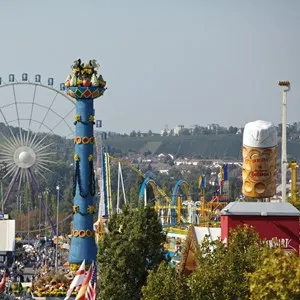
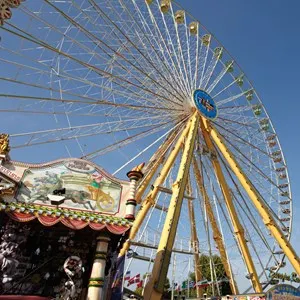
Also known as the Cannstatter Volksfest, this historic beer festival has been running since 1818 and is one of the largest in the world. Held at the Cannstatter Wasen fairground, it features massive beer tents, lively music, traditional food, and all kinds of fairground rides. A standout symbol is the 26-metre fruit column. While it’s similar in spirit to Munich's Oktoberfest, it tends to be more relaxed and local in feel.

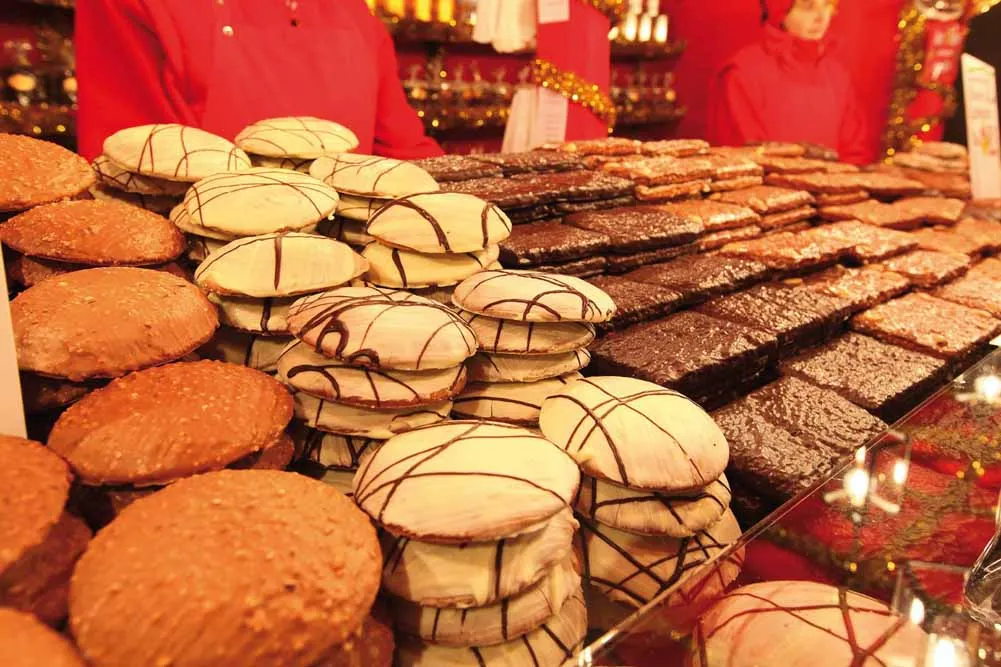
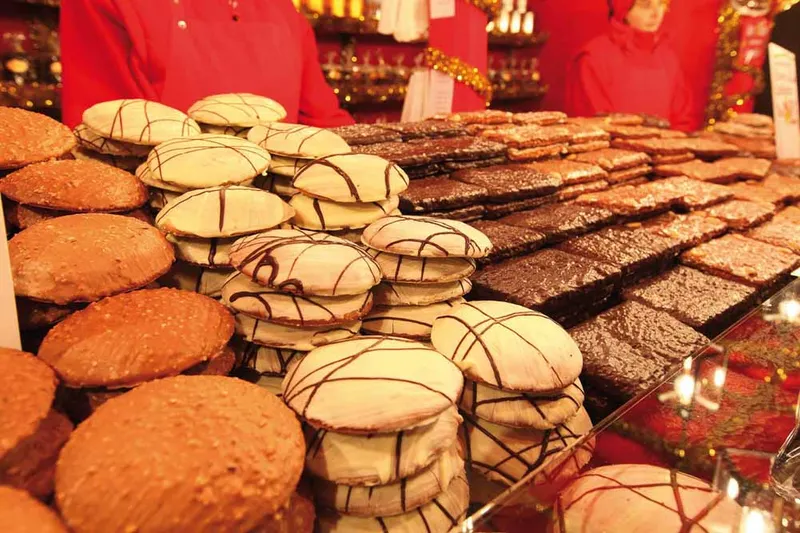
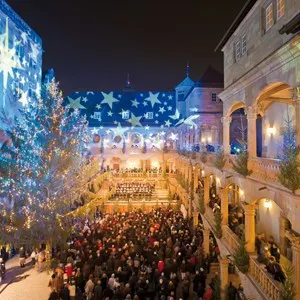
One of the oldest and largest in Europe, the Stuttgart Christmas Market fills the city centre with festive charm during Advent. Around 280 wooden stalls, decked out with twinkling lights and seasonal decorations, stretch from the New Palace to Schillerplatz and Karlsplatz. Visitors can shop for handcrafted gifts, sip mulled wine, and enjoy the scent of roasted almonds and sausages in the crisp winter air.

This lively fair takes over the Cannstatter Wasen each spring with beer tents, rides, food stalls and live music. It’s a cheerful way to welcome the warmer season, drawing both locals and visitors looking for a fun, festive atmosphere.

Held each August around Palace Square and the nearby gardens, the Stuttgart Summer Festival is all about open-air elegance. White tents, twinkling lights, and the backdrop of the New Palace set the scene for live music, dancing, and excellent food. It’s a relaxed, stylish way to soak up the summer atmosphere in the heart of the city.

Held in late summer, this popular open-air wine festival takes over the city centre with around 120 cosy wine stalls. You can sample hundreds of wines from Baden and Württemberg, often poured by the winemakers themselves, alongside classic Swabian dishes like Maultaschen and Kässpätzle.

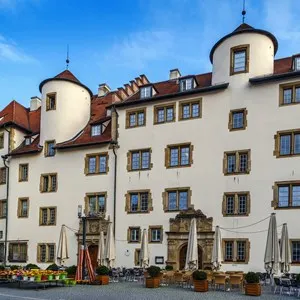
The Alte Kanzlei, located right on Palace Square, is set in a 16th-century building with a classic feel. The menu focuses on traditional Swabian dishes, from regional meat and fish plates to warming soups, all paired with local wines.

Carl’s Brauhaus is a big, lively spot right on Schlossplatz—hard to miss and easy to walk into after some sightseeing. They specialise in Swabian comfort food: schnitzels, sausages, roast pork, that kind of thing. The beer list leans local, and the portions are generous. It’s popular, so expect a bit of buzz, especially in the evenings or when the sun’s out and the terrace fills up. Great if you’re after a hearty meal with a view of the square.

Cube sits on the top floor of the Stuttgart Museum of Art, serving a unique mix of Asian and Mediterranean flavours. The food is modern and inventive, and with floor-to-ceiling windows, you get a fantastic view of the city as you dine.

Deli is tucked next to the Hans-im-Glück fountain and has a quiet outdoor terrace that’s ideal when the weather is nice. The menu covers everything from generous breakfasts and Maultaschen to salads, pasta, and cocktails. There’s also a daily menu built around whatever’s in season, making it a great stop any time of day.

Joe Peña’s is where you go in Stuttgart when you’re craving Tex-Mex—sizzling fajitas, tacos, nachos, and strong margaritas. It’s lively, a bit loud, and always busy in the evenings, especially on weekends. The portions are generous, the vibe is casual, and if you’re into frozen drinks and loaded plates, this place has you covered.

Markthalle Stuttgart is a busy spot housed in a beautiful Art Nouveau building from 1914. It’s the kind of place where you can grab a quick bite from one of the many stalls or sit down for a meal in one of the international eateries. From cheese and meat to global flavours, there's a lot to choose from—a great spot to get a taste of Stuttgart's diverse food scene.

Speisemeisterei is a fine dining restaurant tucked inside Hohenheim Castle, about 10 km outside the centre. It's been recognised in the Michelin Guide more than once, but you don’t need a special occasion to go—locals often drop in for the weekday business lunch. The food’s thoughtful, more international than traditional, and the setting’s something else. If you’ve got a bit of time and feel like splurging on a slower meal in a quieter part of town, it’s worth the detour.

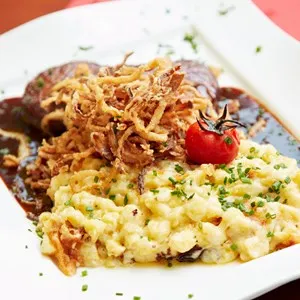
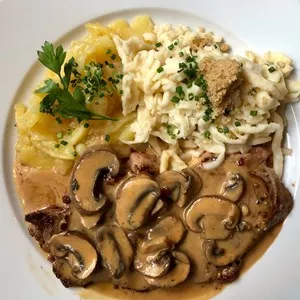
If you’re after traditional Swabian food done right, Stuttgarter Stäffele is a perfect choice. It’s got that old-school charm—wood panelling, checked tablecloths, the whole cosy setup. The menu sticks to the classics: Maultaschen (Swabian ravioli), roast beef with sauerkraut and spätzle, and the local favourite, meatballs with potato salad. Portions are generous, and there's a decent regional wine list if you feel like trying a glass with your meal.

Academie der Schönsten Künste is a quirky spot with checkered floors, offbeat art, and a lived-in charm. It feels more like an artist’s lounge than a café, with walls full of the owner’s personal collection and exhibitions that rotate now and then. Breakfast is the main draw, but if you stay long enough, you’ll probably end up ordering a slice of cheesecake too. The garden’s a quiet bonus when the sun’s out.

Café DA is all about wholesome, homemade food with plenty of vegan, gluten-free, and raw options. Whether you’re grabbing a light breakfast, a slice of cake, or something a little heartier, it’s a chill place to hang out. On sunny days, the shady terrace is the perfect spot to unwind.

Hüftengold is a go-to spot for a laid-back breakfast or lunch, with a brunch buffet every Sunday that’s always a hit. You can stick to the classics like scrambled eggs and pretzels, or give in to the tempting cakes on display. The modern vibe, open fireplace, and outdoor seating make it a nice place to relax for a while.

Misch Misch is a small café tucked just off Marienplatz, known for good coffee and a relaxed vibe. They serve specialty brews alongside homemade cakes and pastries, and there’s usually some local art on the walls.

Zimt und Zucker is a laid-back café with a soft spot for pancakes—stacked high and topped with everything from peanut butter and jelly to Froot Loops and cream. The place feels casual and a bit nostalgic, like breakfast at a friend’s flat. There are a few vegan and gluten-free options too, but really, it’s all about the sweet stuff.

Biddy Early's Irish Pub brings a slice of Ireland to Stuttgart. With its wooden fixtures and walls covered in Irish memorabilia, it’s the place to go for a pint of Guinness, a whisky, and a casual bite. Watch football, shoot some pool, or drop by on Wednesdays for karaoke night. On Saturdays, live music adds to the pub's lively atmosphere.

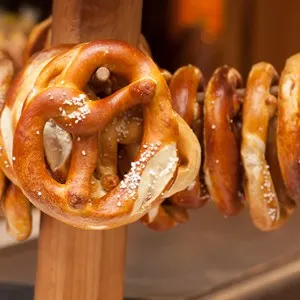
Biergarten im Schloßgarten is about as classic as it gets for a German summer evening—big tables under the trees, cold beer on tap, and pretzels the size of your head. Locals come here to unwind after work or meet friends at the weekend, and there’s often live music to set the mood. It’s casual, family-friendly, and a great way to get a taste of Stuttgart’s laid-back side.

Club Schocken is a multi-level venue in Stuttgart that blends live music and DJ sets across three floors. The atmosphere is casual, with a diverse lineup that spans indie, electronic, hip-hop, and more. It’s a go-to spot for those looking to dance without the fuss of a strict dress code. Entry policies can vary, so it's worth checking their schedule in advance to see what's on.

Im Weizemann hosts concerts, DJ sets, and other events in its two big halls. Check their website or Facebook page to see what's coming up: the variety of the offer will amaze you.

Kowalski is where the beats drop and the dancefloor stays busy into the early hours. This club’s mix of wood, concrete, and greenery gives it an industrial yet stylish vibe, while a colourful umbrella-filled patio adds a playful touch. Expect a solid lineup of guest DJs spinning electronica, making it the place to be if you're into a high-energy night out.

Platzhirsch sits in the heart of the city and draws a steady crowd with its generous terrace and no-fuss vibe. Beers flow easily, especially on weekends, and the menu covers the bases with pub classics and a few Swabian favourites like schnitzel and käsespätzle.

Schwarz Weiß Bar is one of those places you almost miss if you’re not looking for it—small, dimly lit, and all about the drinks. The vibe leans grown-up: jazz playing, low lights, no fuss. They’re serious about cocktails here, whether you want a textbook Old Fashioned or something more offbeat.

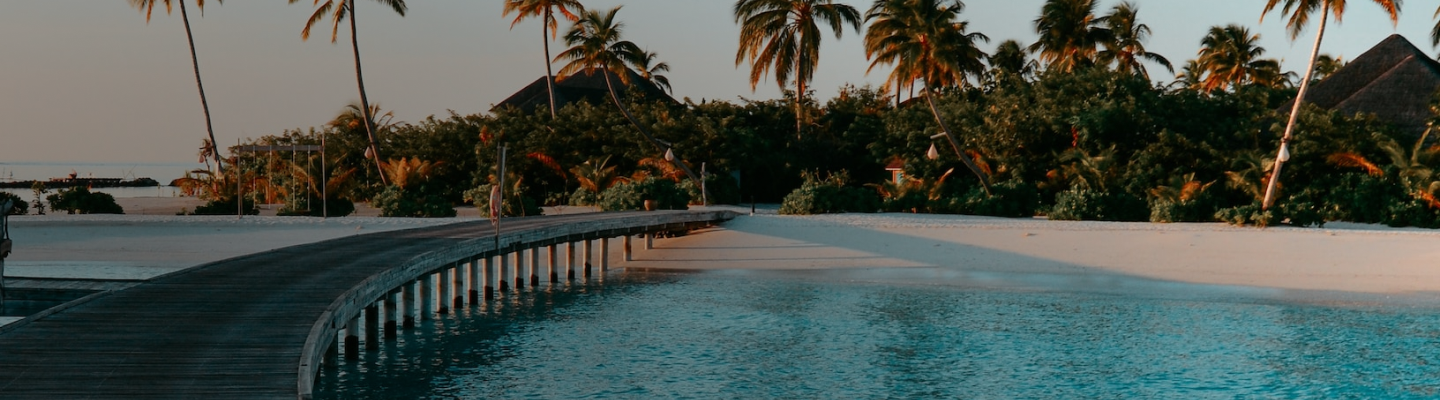
Sky Beach is Stuttgart’s answer to a summer getaway—minus the coastline. Perched on a rooftop in the city centre, it’s got white sand, palm trees, and deck chairs, all 25 metres up. The vibe is casual and a bit surreal: one minute you’re shopping, the next you’re sipping a cold drink with your feet in the sand and views over the rooftops. It’s only open in the warmer months, so time your visit.

Blutsgeschwister is Stuttgart’s own feel-good fashion label, known for bold colours, quirky prints and retro cuts. Their new flagship store on Tübinger Straße is full of clothes that blend tradition with urban style, always produced under fair-wear standards. If you’re after something playful and a bit different, it’s worth a stop.

Breuninger is Stuttgart’s go-to department store for fashion, with several floors of high-end and designer brands right by the Marktplatz. It’s a bit of a local institution, known for quality, variety, and a polished shopping experience. Whether you're after the latest trends or something more classic, you'll find it here, along with beauty products, shoes, and accessories.

Das Gerber is a sleek, multi-level shopping centre in the heart of Stuttgart, just a short walk from the main shopping street. With around 85 shops, cafés and restaurants spread over 25,000 square metres, it’s a bit more compact than some of the city’s other malls, but well curated. You’ll find fashion, beauty, lifestyle brands, a supermarket and even a brewpub—all under one roof.

Feinkost Böhm is a long-standing favourite for fine food in Stuttgart. It’s part deli, part restaurant, and part upscale grocery, offering everything from regional cheeses and sausages to handmade chocolates, preserves, and local wines. Whether you're picking up a gift or stopping in for a bite, it's worth a visit.

Every Saturday, Karlsplatz turns into a treasure hunt. The weekly flea market is where locals and collectors come to rummage through everything from vintage vinyl and old books to quirky antiques and second-hand clothes. Even if you're not buying, it’s a fun place to wander and soak up the local atmosphere.

Greenality is a bright, modern boutique near Stuttgart’s city centre, focused on fair-trade, organic and sustainable fashion. Since 2015, it’s been a go-to spot for shoppers who care about ethics as much as style. You’ll find a mix of clothes, shoes and accessories for men and women, with a clean, minimal aesthetic and an emphasis on transparency.

Königsbau Passagen is a modern shopping centre tucked into a historic building right on Schlossplatz. It’s got several floors of shops selling everything from skincare and jewellery to fashion and homeware, plus a few cafés and food spots if you need a break.

Königstraße is Stuttgart’s main shopping street and one of the longest pedestrianised retail stretches in Germany. It runs for over a kilometre from the main train station through the city centre, lined with everything from big-name brands and department stores to smaller shops and cafés. Great for a stroll, even if you’re not planning to buy anything.

The best time to visit Stuttgart is summer, when the weather is warm and most events are in full swing—but expect crowds. Spring and autumn are quieter, with milder weather and plenty of festivals, making them a great time for sightseeing. Winters can be cold, but if you don’t mind bundling up, the snow and Christmas markets give the city a cosy, festive feel.

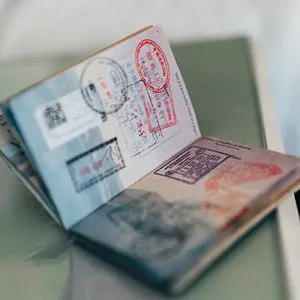
Citizens of the European Union (EU) and European Economic Area (EEA) countries do not need a visa to enter Germany, only a valid ID. Many other countries, including the United Kingdom, the United States, Canada, the United Arab Emirates, Australia, and New Zealand, benefit from visa-free entry for short stays of up to 90 days within a 180-day period. Visitors from visa-exempt countries must hold a valid passport and, starting in late 2025, will need to apply for an ETIAS (European Travel Information and Authorisation System) authorisation online before travelling. For those requiring a visa, such as travellers from some Middle Eastern, African or Asian nations, a Schengen visa must be obtained prior to arrival. All travellers should ensure their passport is valid for at least three months beyond their intended stay.

Stuttgart Airport (STR) is about 13 km south of the city centre and is well connected by public transport. The S-Bahn lines S2 and S3 run regularly from the airport to Stuttgart Hauptbahnhof, taking just under 30 minutes. Taxis are also available and take around 20 minutes, depending on traffic. Long-distance and regional buses depart from the Stuttgart Airport Bus Terminal (SAB), located next to the terminal building.

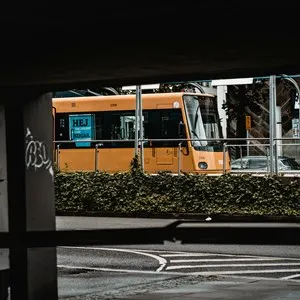
Stuttgart boasts an efficient and extensive public transport system operated by the Verkehrs und Tarifverbund Stuttgart (VVS), encompassing S-Bahn (commuter trains), U-Bahn (light rail), buses, and even unique modes like the rack railway (Zahnradbahn) and funicular (Standseilbahn). The network is well-integrated, making it one of the most convenient ways for tourists to navigate the city and its surroundings. For visitors planning multiple journeys, the VVS offers various ticket options, including Day Tickets and Group Day Tickets, which allow unlimited travel within selected fare zones until 7am the following day. Additionally, the StuttCard PLUS provides unlimited access to public transport across zones 1–5, along with free or discounted entry to numerous attractions, making it a valuable option for travellers aiming to explore the region extensively.

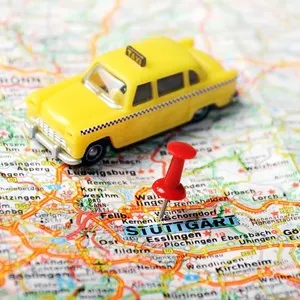
Taxis are readily available throughout Stuttgart, with ranks at key locations like the main train station, the airport, and major squares. You can also hail one on the street or book via apps such as the Stuttgart Taxi App, SIXT ride, or Uber.

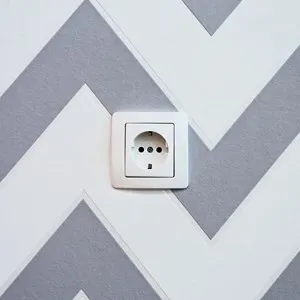
In Germany, the electrical system operates on a voltage of 230 volts with a frequency of 50 hertz. The country uses plug types C and F, both of which have two round pins. Type F also includes two earth clips on the side for grounding.

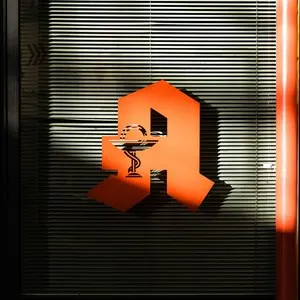
In Stuttgart, pharmacies are easily identifiable by the red 'Apotheke' sign and are widely available across the city. While Germany does not have large pharmacy chains like in some other countries, many pharmacies are independently owned and operated. Notable examples in Stuttgart include Westend Apotheke and Apotheke Stadtmitte, both known for their comprehensive services and central locations.

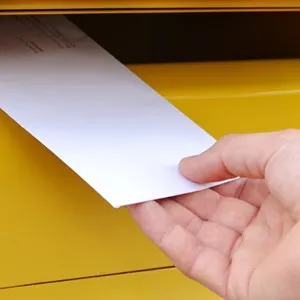
Post offices in Stuttgart are typically open Monday to Friday from 9am to 6pm, and on Saturdays from 9am to noon, though hours may vary by location. Services include sending and receiving letters and parcels, purchasing stamps and packaging, and accessing financial services through Postbank branches. The most convenient branch for travellers is located inside Stuttgart Hauptbahnhof, offering easy access for those arriving by train or staying in the city centre. For 24/7 parcel collection and drop-off, DHL Packstation lockers are available throughout the city.
Stuttgart offers a rich mix of sightseeing, guided tours, and local activities. On Keytours you can browse the most popular tours and experiences in Stuttgart and book them instantly.
The ideal time to visit Stuttgart depends on the experience you're after. Check the current weather and seasonal information on this page to plan your trip around the best conditions.
You can arrange private airport transfers and local transport for Stuttgart directly through Keytours, ensuring a comfortable arrival and easy travel throughout your stay.
Stuttgart has accommodation for every style, from boutique city stays to seaside resorts. Explore our handpicked hotels in Stuttgart to find the right base for your trip.
Yes. With Keytours you can combine tours, activities, hotels, and transfers for Stuttgart in a single booking, making it easy to plan your entire trip in one place.
Simply choose your preferred tours, hotels, or activities in Stuttgart on this page, select your dates, and complete your secure booking online. Our team is available to help at any step.

Let us take care of all the details to create the perfect trip for you. With our expertise and personalized service, we will ensure that every moment of your trip is special and unforgettable. Get ready to embark on a dream adventure!