
Discover Vilnius, Lithuania’s Historic Capital

Current Weather

Description
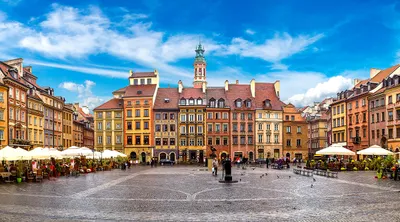
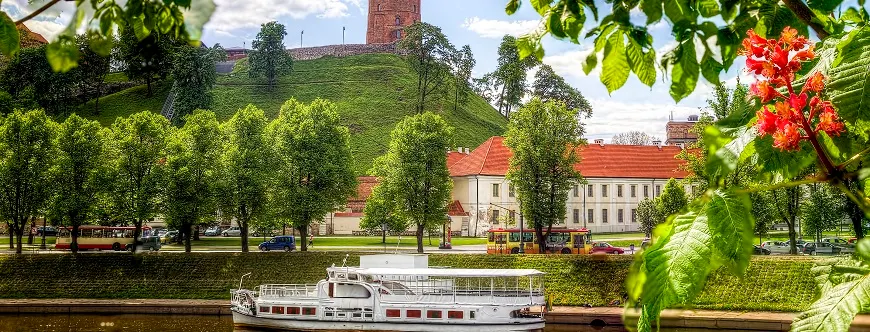
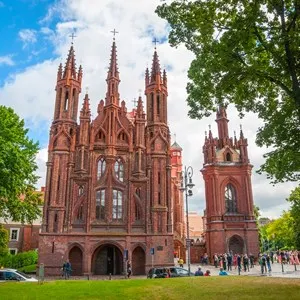
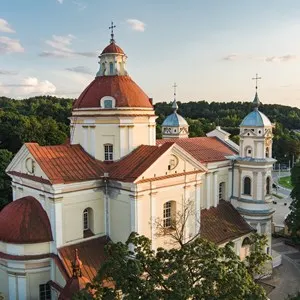
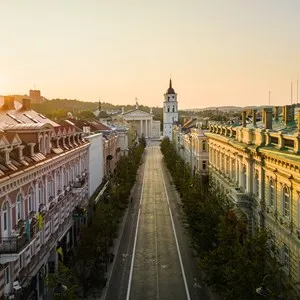
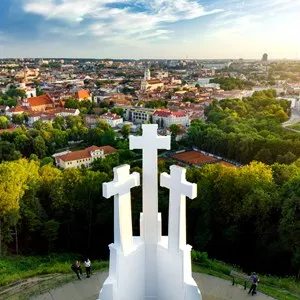
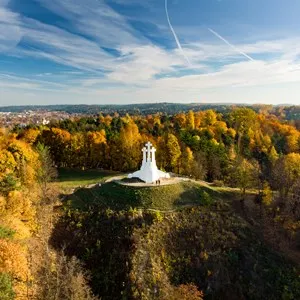
Vilnius, a UNESCO World Heritage Site, wears its history with quiet pride. The city’s seamless blend of architectural eras seems improbable given its turbulent past, yet here it stands, firmly reclaimed as one of Europe’s most captivating capitals. What makes Vilnius irresistible? It’s large enough to feel vibrant, small enough to explore without becoming overwhelmed. The streets, many retaining their medieval layout, combine old Baroque masterpieces, Gothic brickwork, Art Nouveau details and Classical facades, particularly along Gedimino Avenue. Look closely, and you’ll spot whimsical touches: carved masks, grinning gargoyles and other architectural surprises. Most of the buildings in Vilnius were constructed in the periods immediately after the great fires of 1610, 1737, 1748 and 1749, when the city’s wooden buildings were done away with. Amazingly, however, the Old Town’s street structure is virtually unchanged since medieval times. Beyond the Old Town, Vilnius unfolds in green parks and hilltop vistas. The Neris River curves through the city, its banks offering a striking contrast: the spires of the historic centre on one side, the glass-and-steel New District on the other. The best way to experience it all is to walk the cobblestone lanes, or cycle the well-marked paths that connect nearly every major sight. Vilnius rewards slow exploration, since every corner holds another layer of its story.
Useful information
607,667
Euro (EUR) €1 = 100 cents
Emergency: 112
Business hours are from Monday to Friday between 8am and 5pm. Shops are normally open from 10am to 6-7pm on weekdays and until 3-4pm on Saturdays.
Do & See

Dining








Bars & Nightlife








Shopping






Tourist Information






Frequently Asked Questions
The best time to visit Vilnius is during the late spring and early fall, particularly from May to September. During these months, the weather is mild and pleasant, making it ideal for exploring the city's historic sites and enjoying outdoor activities. Summer months also bring various festivals and events, adding to the vibrant atmosphere of the city.
A stay of three to four days is ideal for exploring Vilnius. This allows you to visit the main attractions such as the UNESCO-listed Old Town, Gediminas' Tower, and the Vilnius Cathedral. You can also take time to enjoy the local cuisine, explore the bohemian Užupis district, and perhaps take a day trip to nearby Trakai Castle.
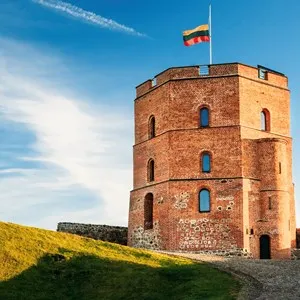
Vilnius offers a rich array of attractions, including: - The Old Town: A UNESCO World Heritage site with cobblestone streets and historic architecture. - Gediminas' Tower: Offers panoramic views of the city. - Vilnius Cathedral and its Bell Tower: A landmark of the city. - The Gates of Dawn: One of the most important religious and historical monuments. - The bohemian district of Užupis: Known for its artistic community and unique atmosphere.
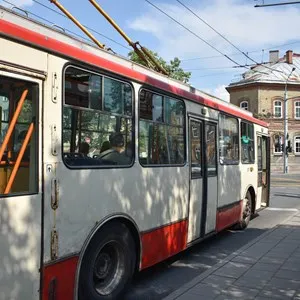
Vilnius is a compact city, making it easy to explore on foot, especially the Old Town. For longer distances, the city has an efficient public transportation system, including buses and trolleybuses. Taxis and ride-sharing services are also widely available. Renting a bicycle is another popular option for getting around, especially during the warmer months.
Vilnius offers a variety of traditional Lithuanian dishes to try. Be sure to sample: - Cepelinai: Potato dumplings filled with meat or cheese. - Šaltibarščiai: A refreshing cold beet soup, perfect for summer. - Kibinai: Pastries filled with meat or vegetables, originally from the nearby town of Trakai. - Lithuanian rye bread: A staple often served with meals. - Local honey and mead: Popular traditional products.
Vilnius hosts several cultural events and festivals throughout the year. Some highlights include: - Vilnius International Film Festival in March: Showcasing films from around the world. - Street Music Day in May: A city-wide celebration of music with performances in public spaces. - Vilnius Festival in June: Featuring classical music performances by renowned artists. - The Vilnius Jazz Festival in October: A must for jazz enthusiasts.
Several worthwhile day trips can be taken from Vilnius, including: - Trakai: Known for its picturesque island castle and beautiful lakes. - Kernavė: An archaeological site and UNESCO World Heritage site with ancient hill forts. - The Hill of Crosses near Šiauliai: A significant pilgrimage site with thousands of crosses. - Druskininkai: A spa town offering relaxation and wellness options.