
Details for Buenos Aires
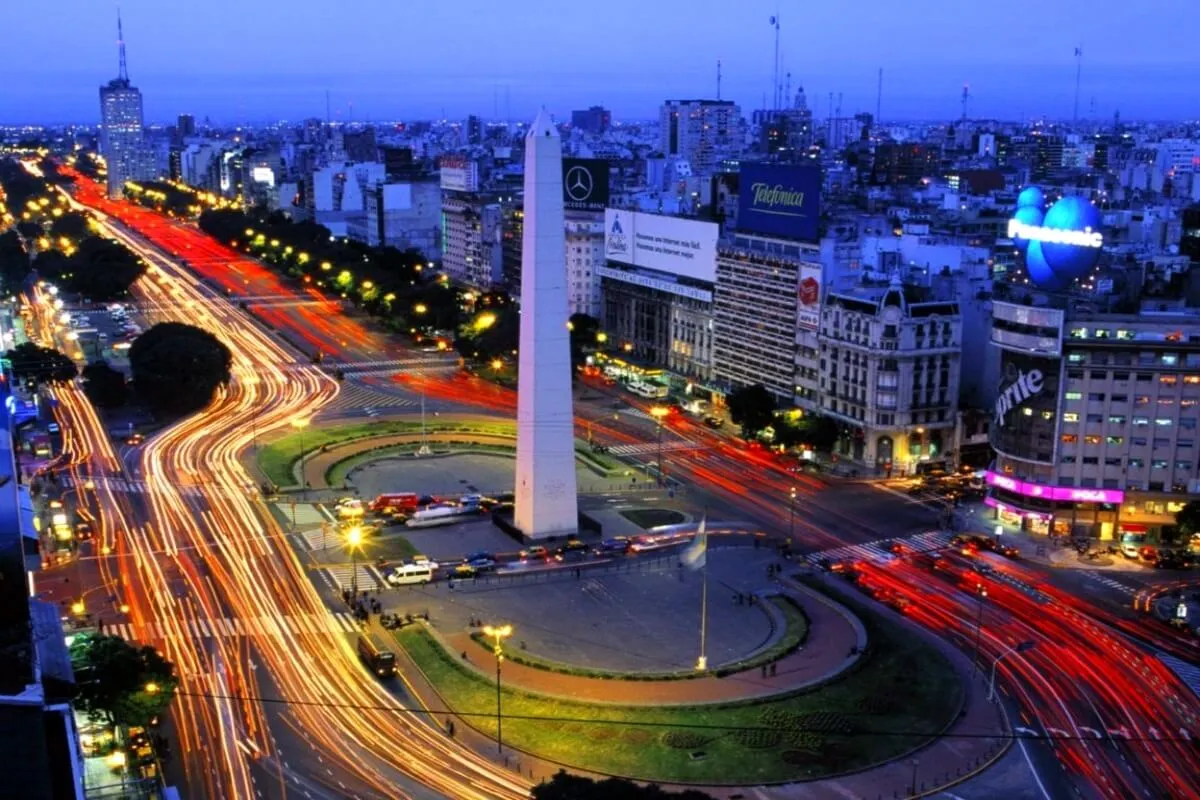
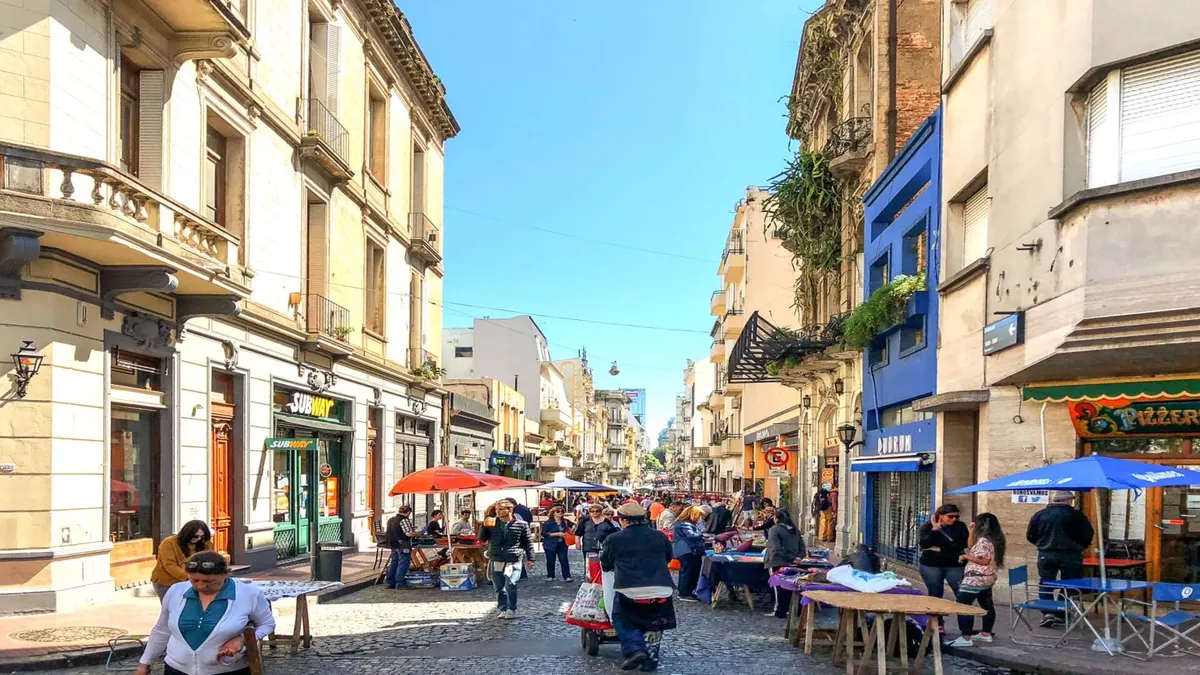
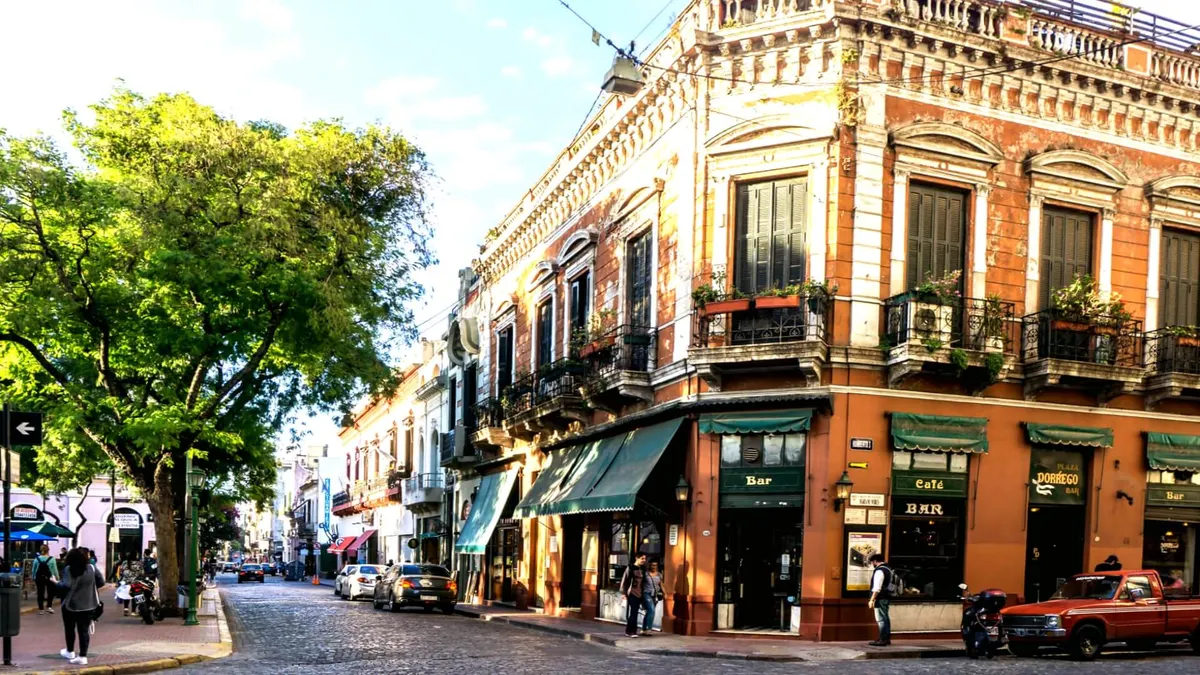
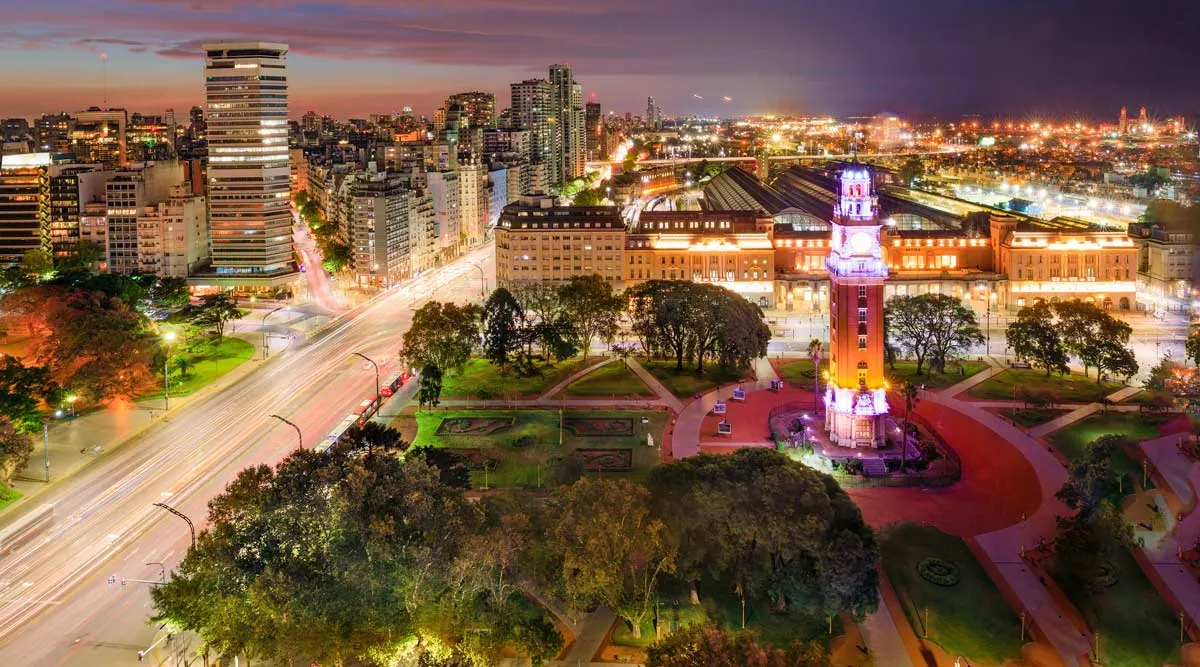
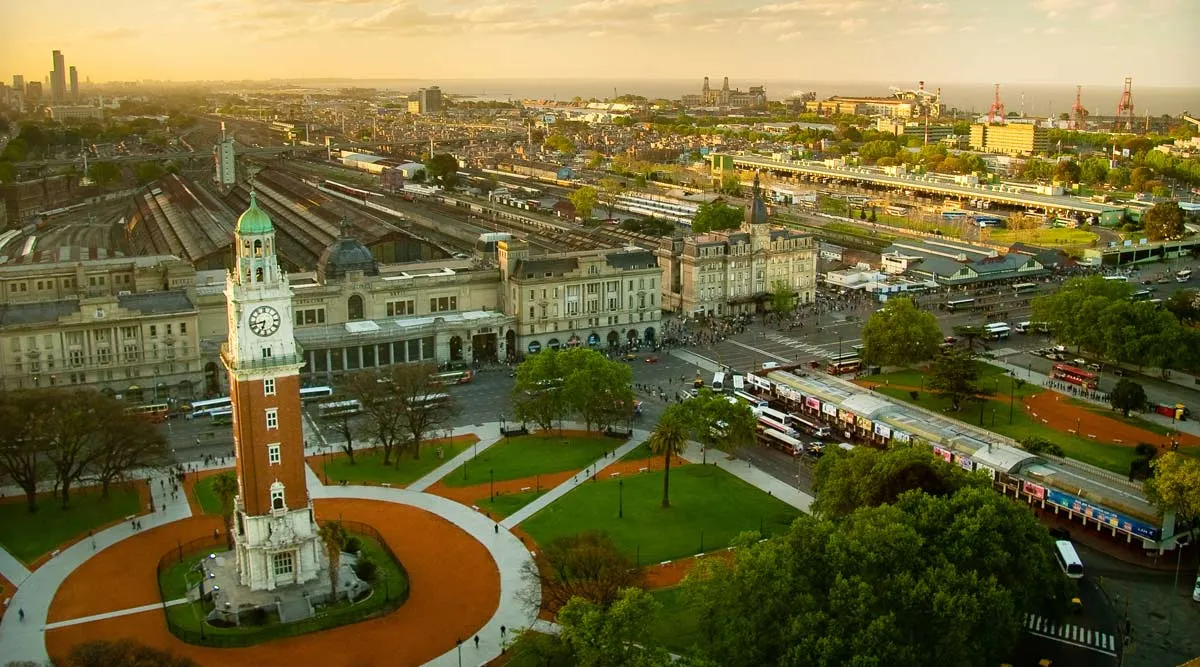
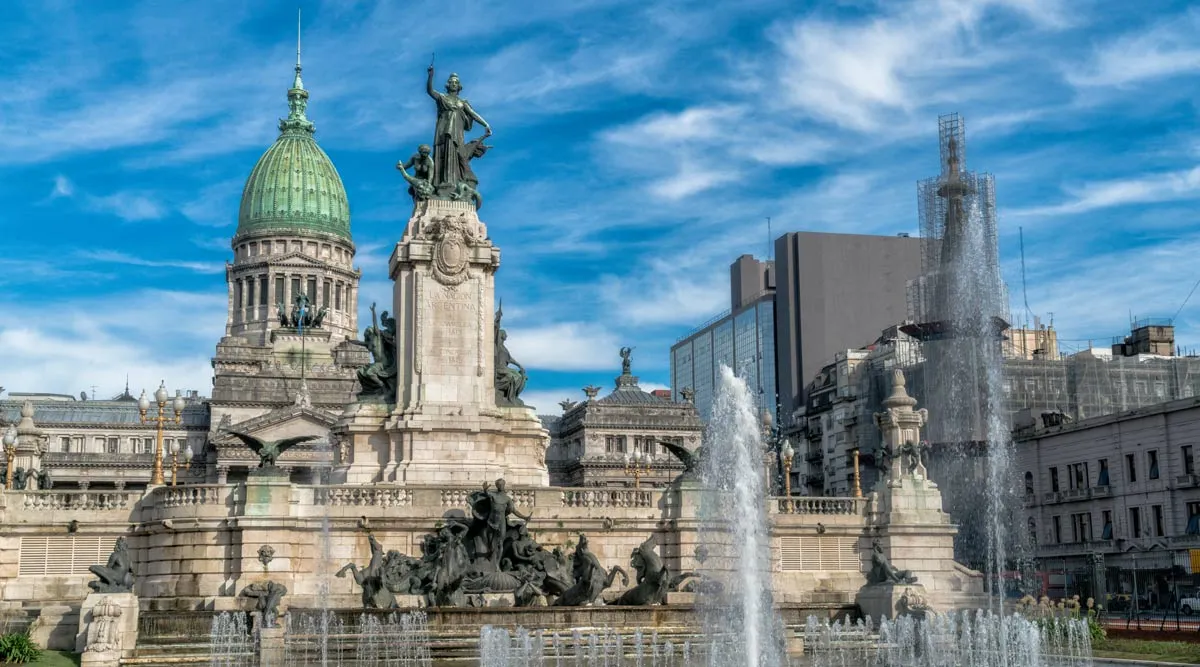
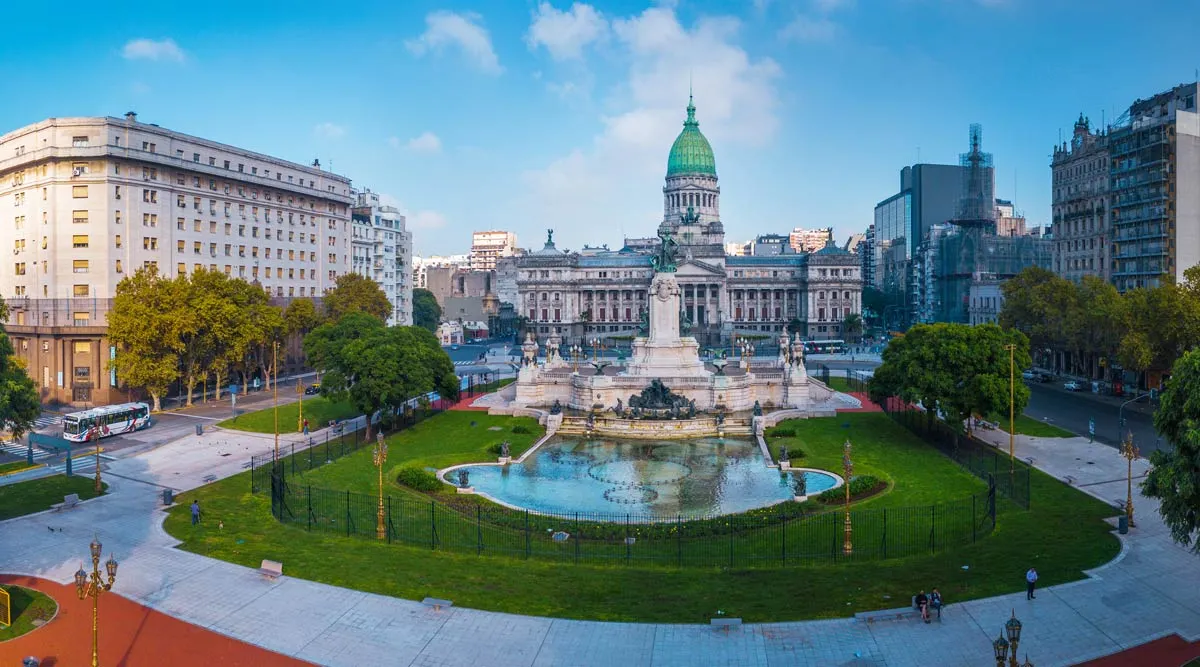

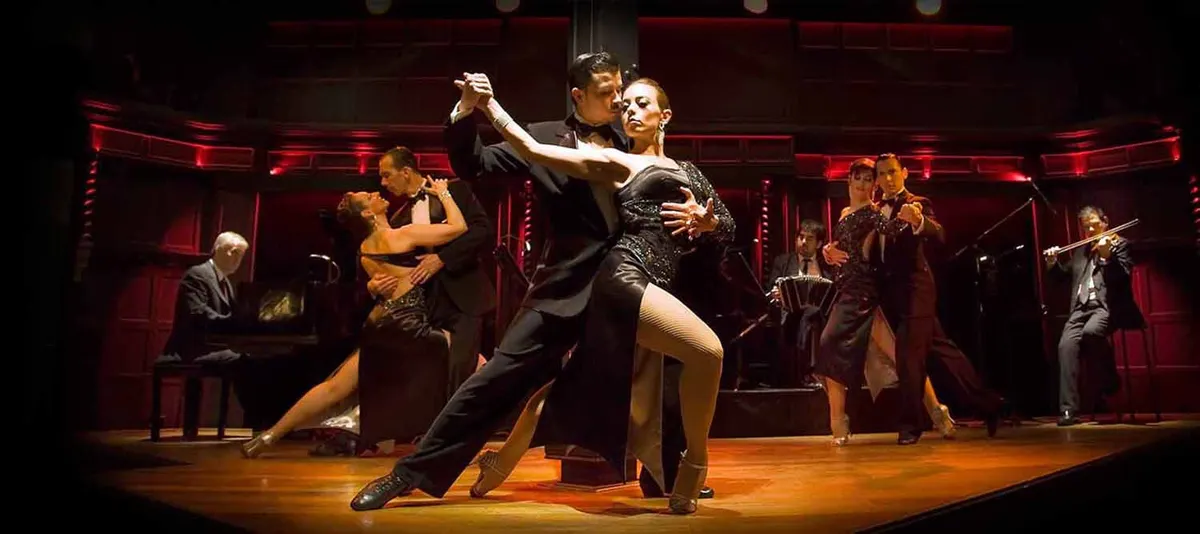
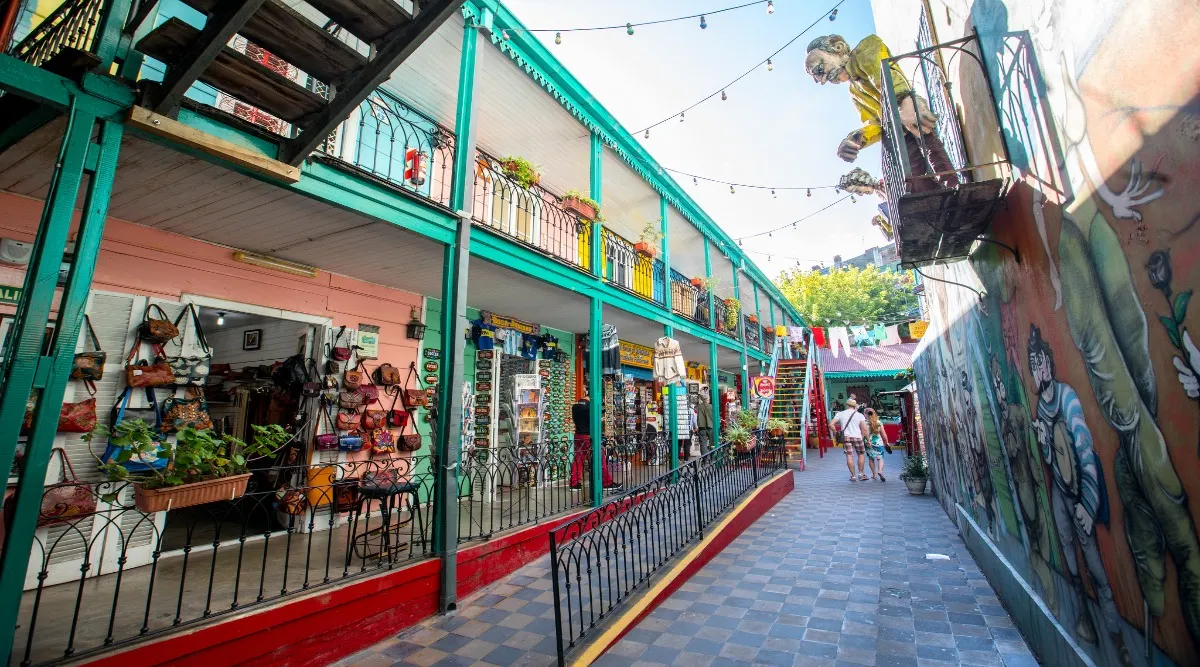
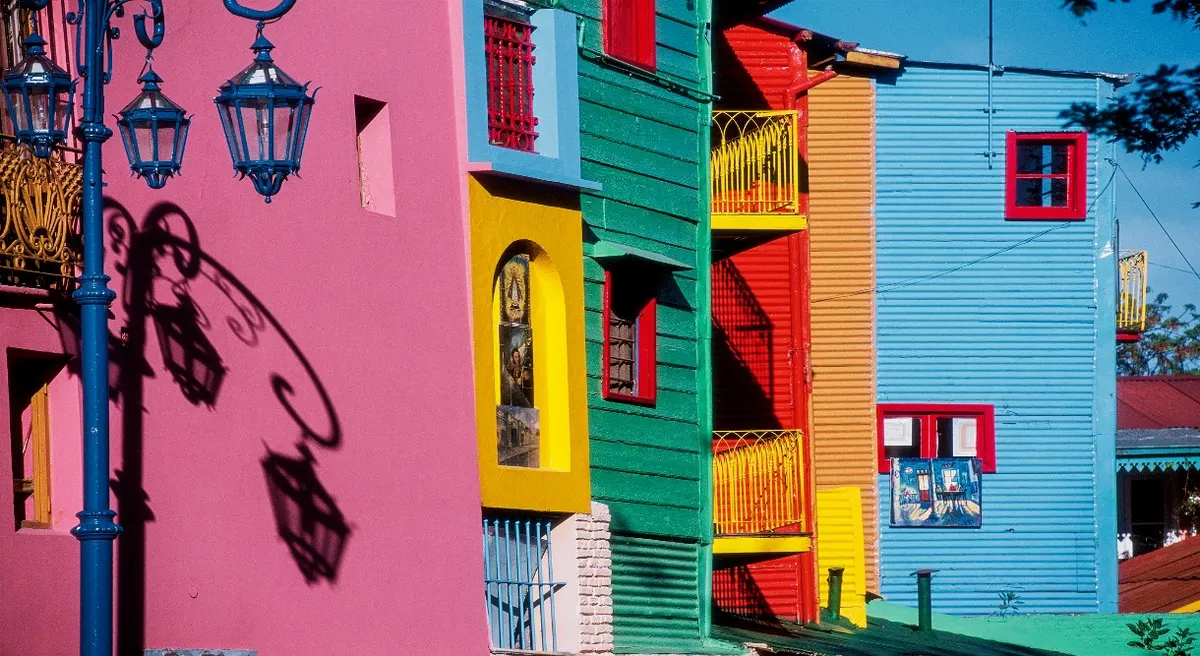
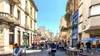
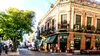







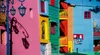

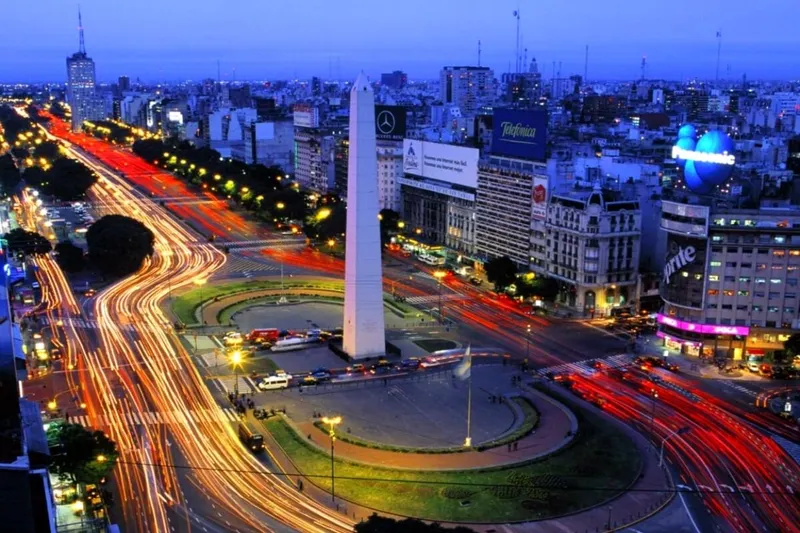
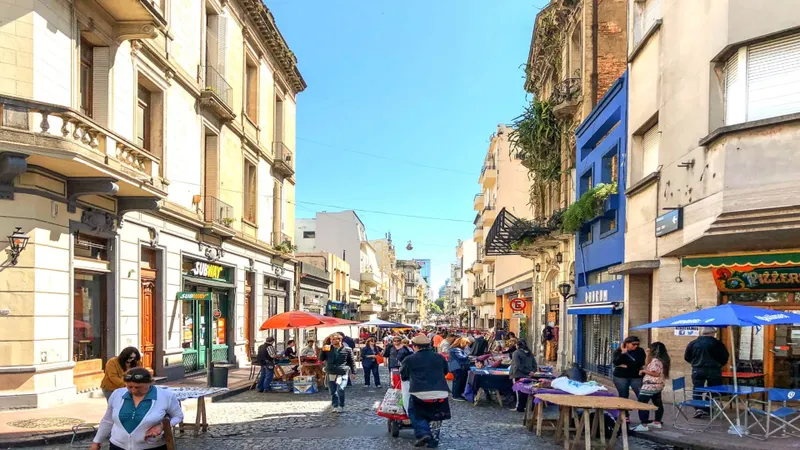
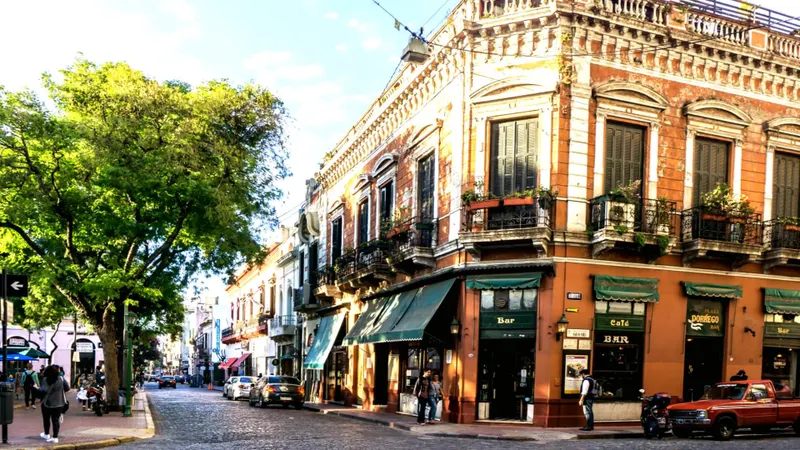
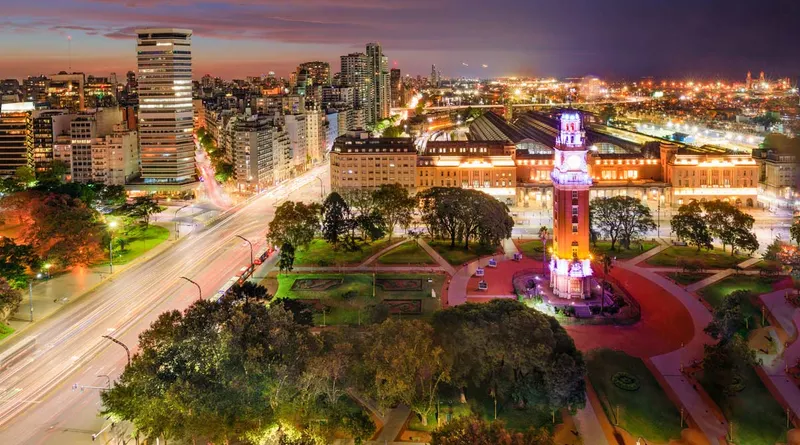
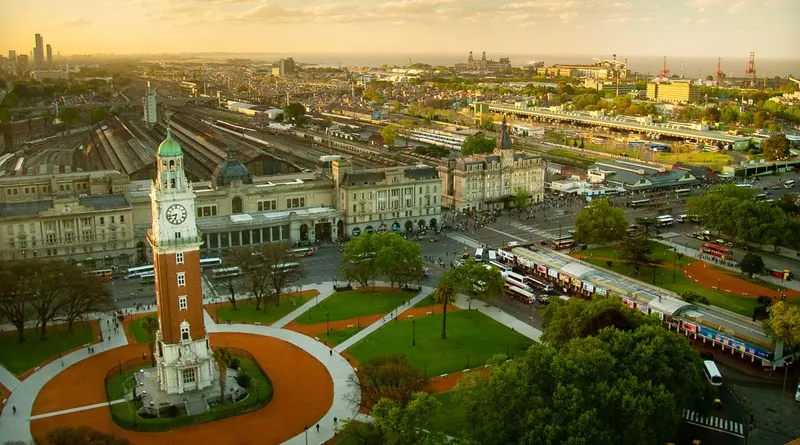
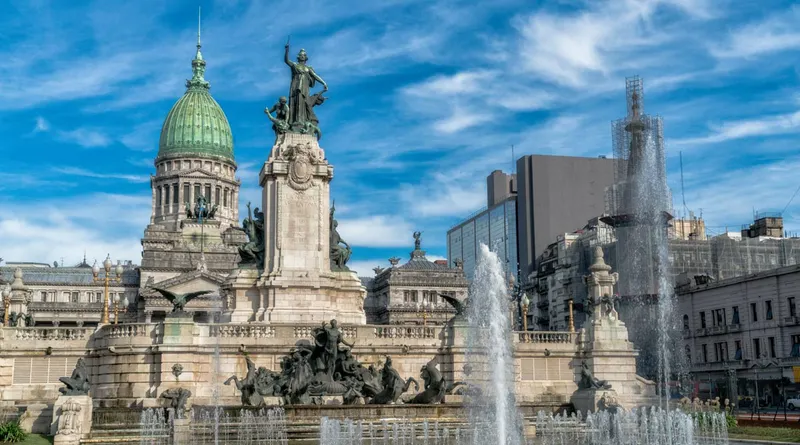
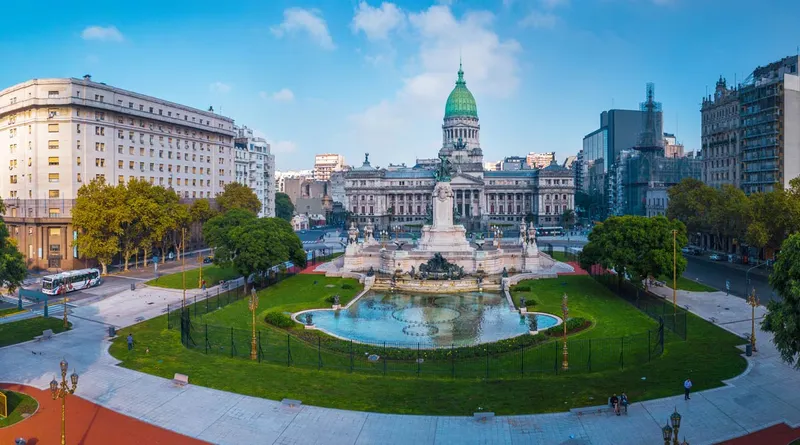

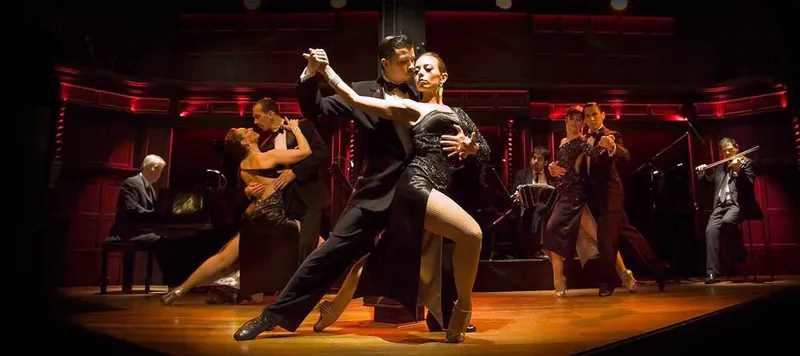
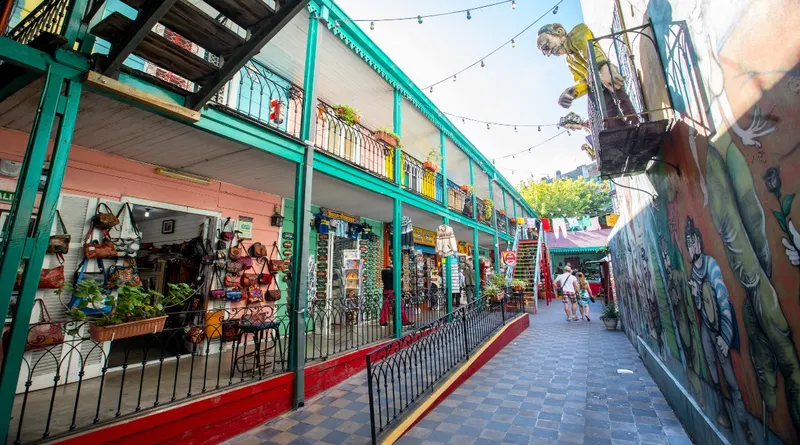
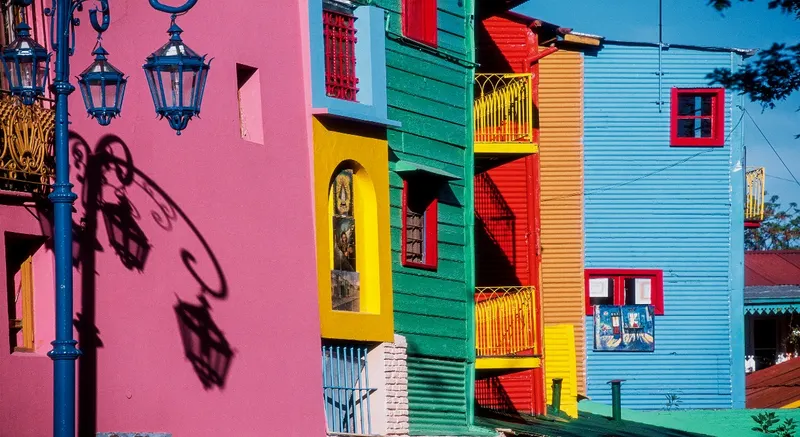
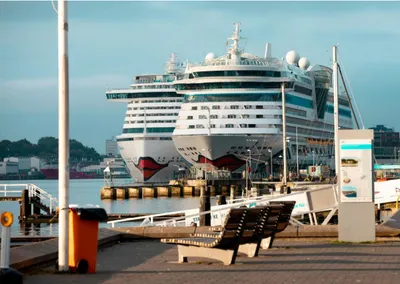
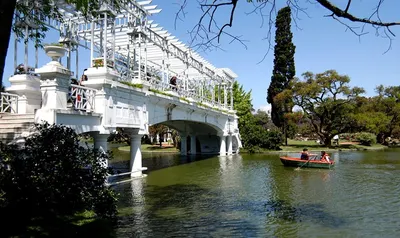
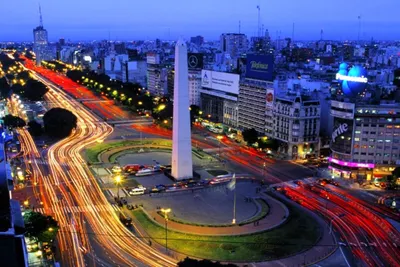
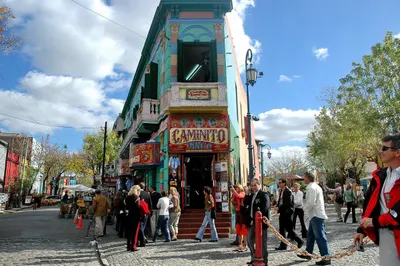
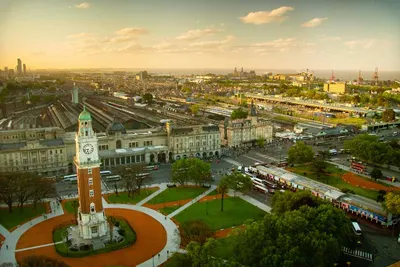
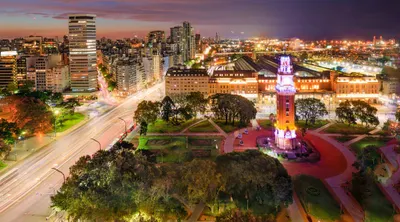
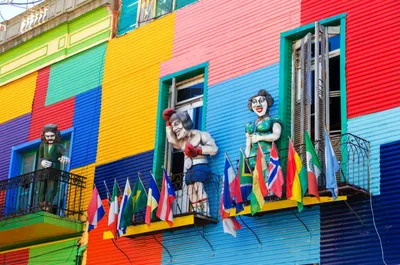
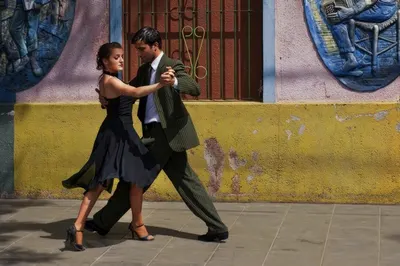
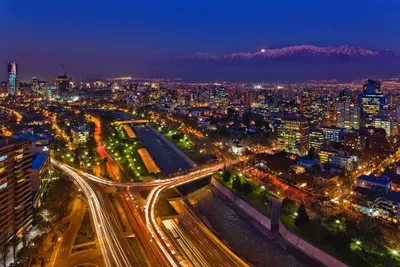
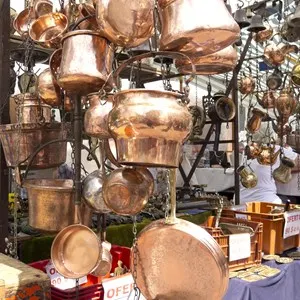
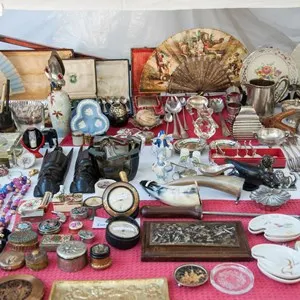
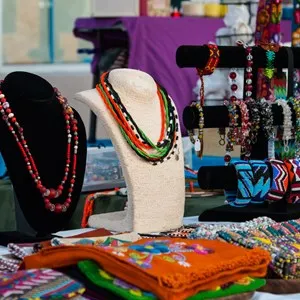
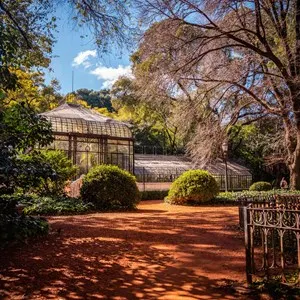
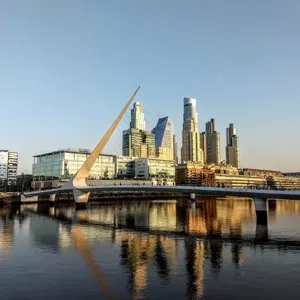
Buenos Aires is an extensive city, and every area has something different to offer. Recoleta and Palermo are widely considered the trendiest neighbourhoods, the former being a more cultured area with fashionable boutiques and galleries as well as high-end hotels lining its broad tree-lined avenues. The latter being a greener, more peaceful area, whose parks and lakes attract weekend crowds for fun and relaxation. Puerto Madero, once a harbour area, has been thoroughly refurbished, turning old brick warehouses into hip bars and nightclubs. Those seeking a more bohemian vibe will prefer to visit San Telmo and La Boca. As one of the oldest neighbourhoods in the city, San Telmo is considered a national monument. Characterised by narrow cobblestone streets and colonial-style buildings, it is loved by both locals and tourists who flock here on weekends to browse its antique boutiques and markets. La Boca, once a middle-class neighbourhood, is also known as one of the historic areas of the city. During weekends, many people visit the district in the hope of coming across a sensual tango show or simply to admire the colourful steel shacks that were once the dwellings of migrant workers. Las Cañitas is Buenos Aires' gastronomic hub, old aristocratic Retiro boasts some of the city's most beautiful architecture, residential Belgrano mixes mansions with skyscrapers, and of course, the downtown area is home to most of the city's monuments and important national buildings. Those who take the time to really explore the city will marvel at the sheer amount and diversity of things to see and do, and will surely feel that one visit is not nearly enough to take it all in.
City: 3 million porteños (2021 estimate) Metropolitan Area: 15.6 million
Peso Argentino 1 ARS = 100 centavos
Emergency: 911
Police: 101
Fire: 100
Medical Emergencies: 107
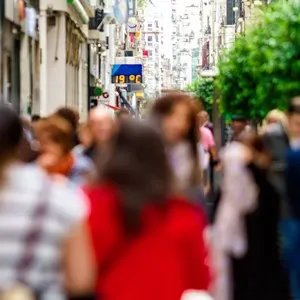
Most shops open Mon–Fri 9am–8pm and Sat 9am–noon. Some shops also open on Sundays. Malls generally open daily 10am–10pm. Restaurants and bars stay open very late, opening at about 8pm and serving until well after midnight.
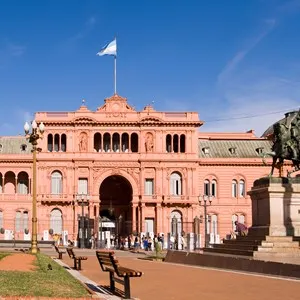
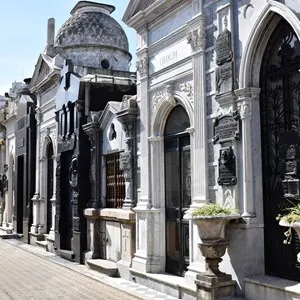
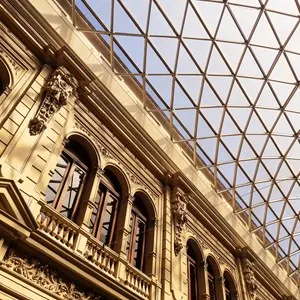
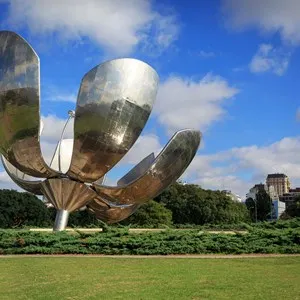
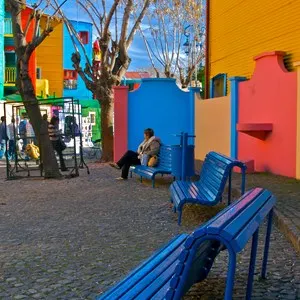
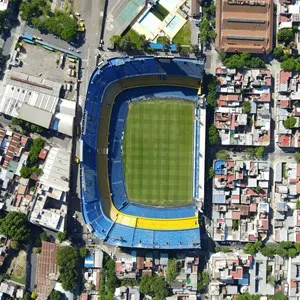
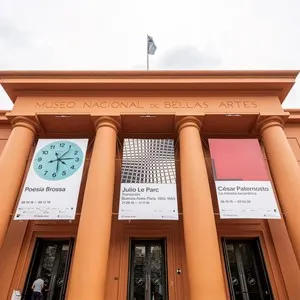







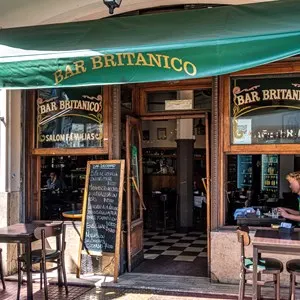

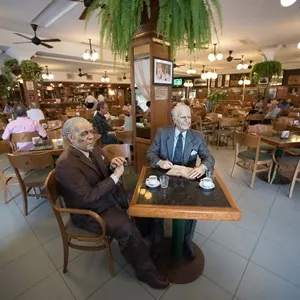

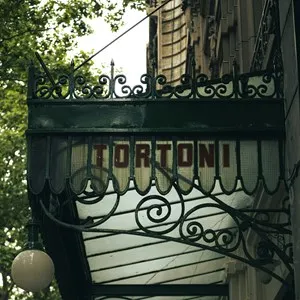


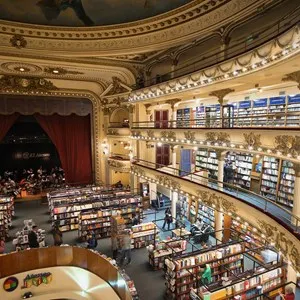












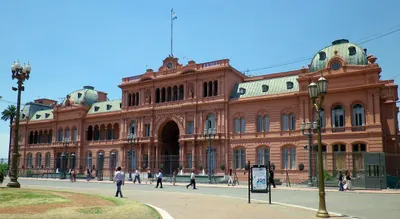
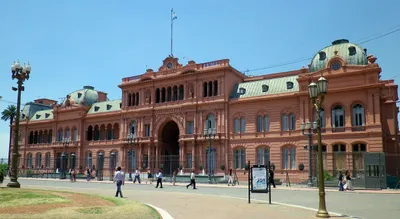
Buenos Aires is known for its vibrant culture and architecture. Don't miss the colorful neighborhood of La Boca, the historic Recoleta Cemetery, and the elegant Teatro Colón. The Plaza de Mayo is also a key site, surrounded by important buildings like the Casa Rosada.
The best time to visit Buenos Aires is during the spring (September to November) and fall (March to May) when the weather is mild and the city is less crowded.
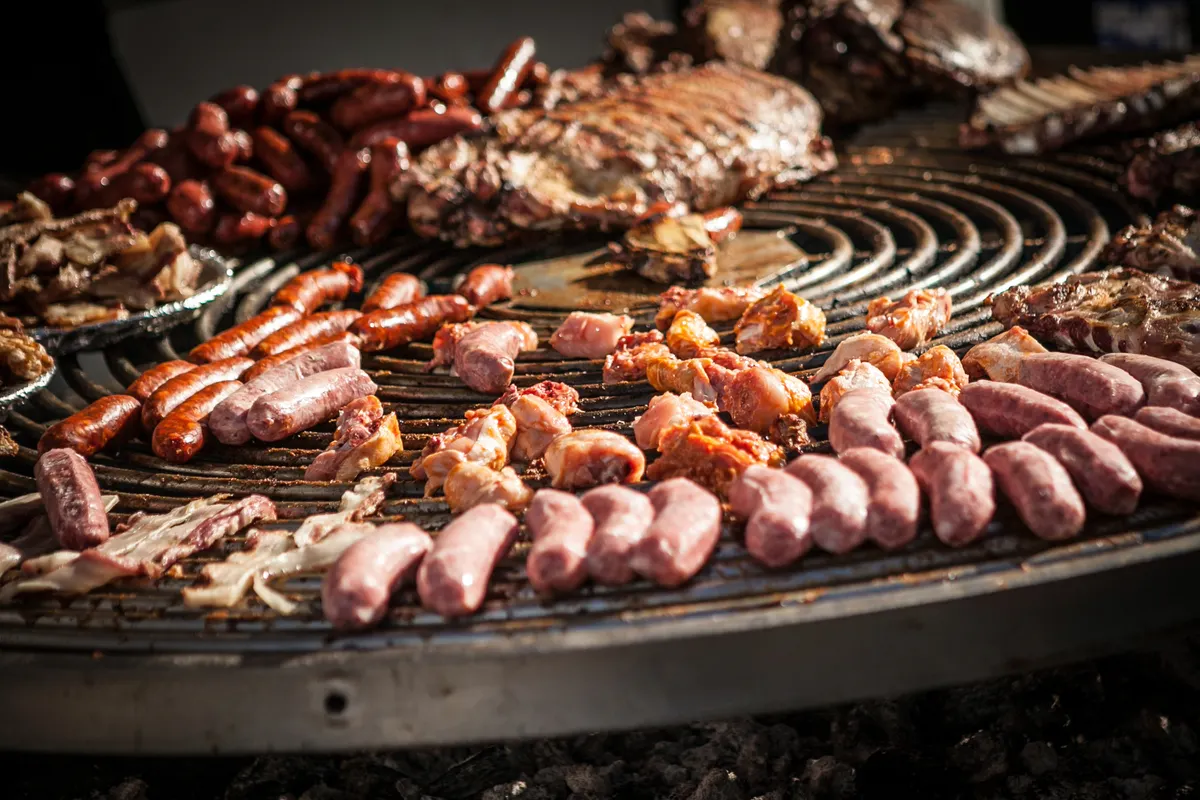
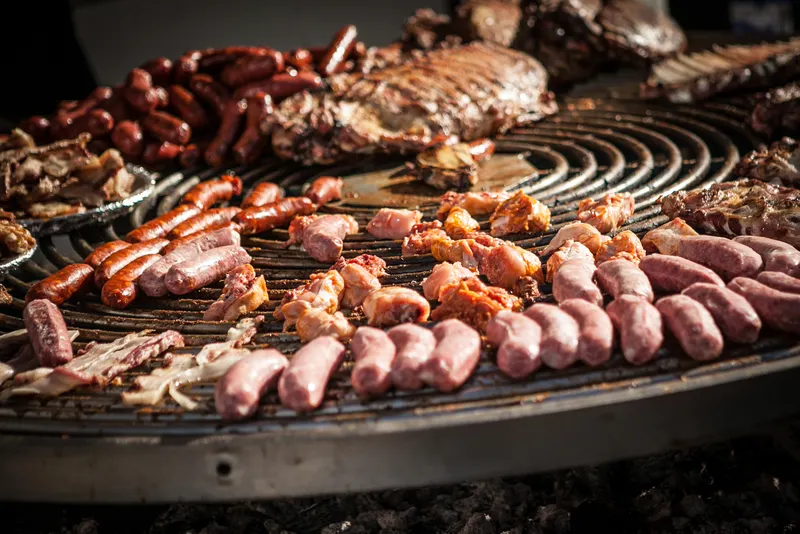
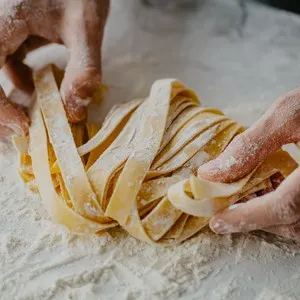
In Buenos Aires, you must try the famous Argentine steak, empanadas, and milanesa. For dessert, indulge in dulce de leche or alfajores, a popular sweet treat.
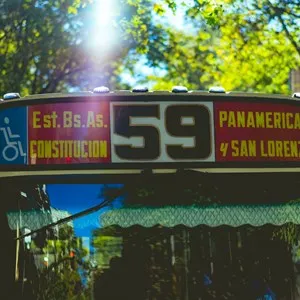
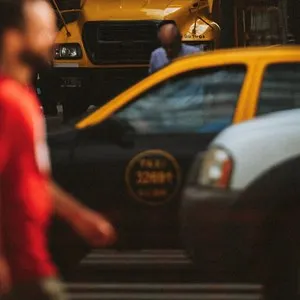
Buenos Aires has a comprehensive public transport system including buses and the Subte (subway). Taxis and ride-sharing services are also widely available and convenient.
The local currency in Buenos Aires is the Argentine peso. It's advisable to carry some cash for small purchases, though credit cards are widely accepted.
To fully experience Buenos Aires, plan to spend at least 3 to 4 days. This allows time to explore its neighborhoods, enjoy its cuisine, and visit key attractions.
Yes, popular day trips from Buenos Aires include visiting the Tigre Delta for a boat tour or exploring the historic town of San Antonio de Areco, known for its gaucho culture.