
Keytours Vacations logo
trustpilot-logo

Details for Buenos Aires

Home / Argentina / Buenos Aires
Discover Buenos Aires's Wonders
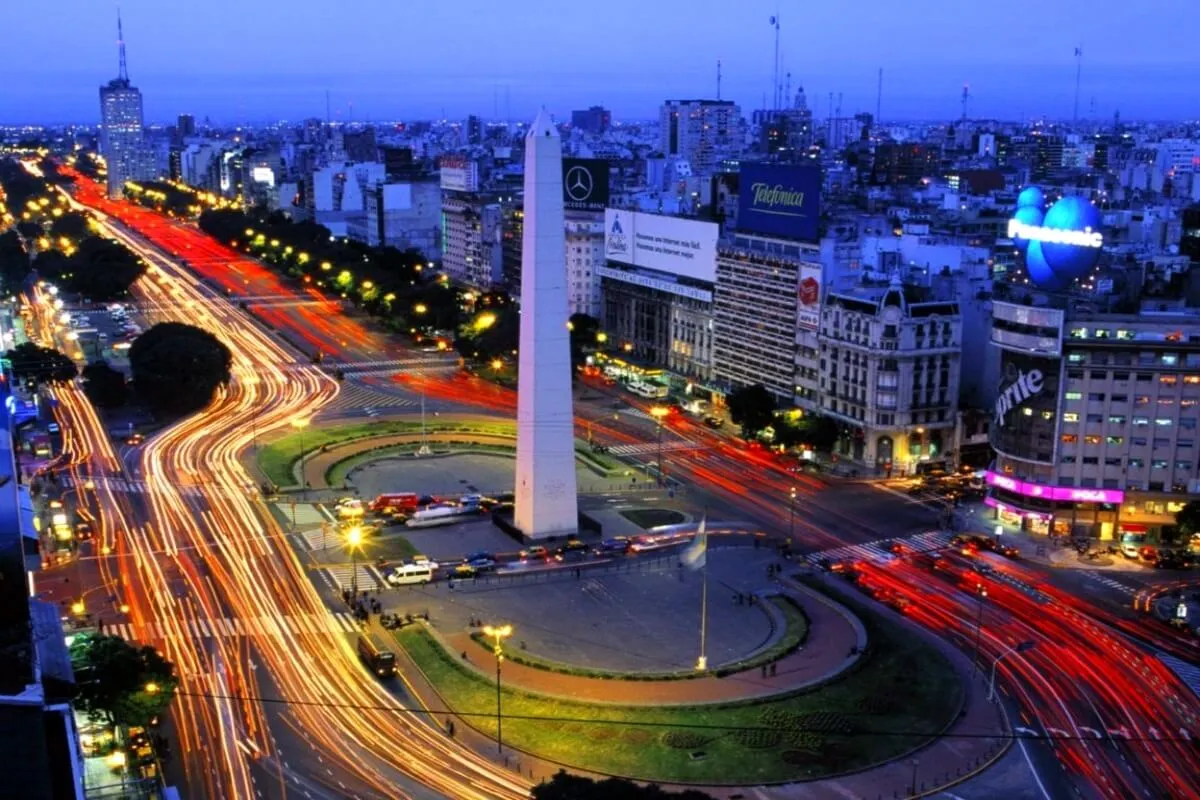
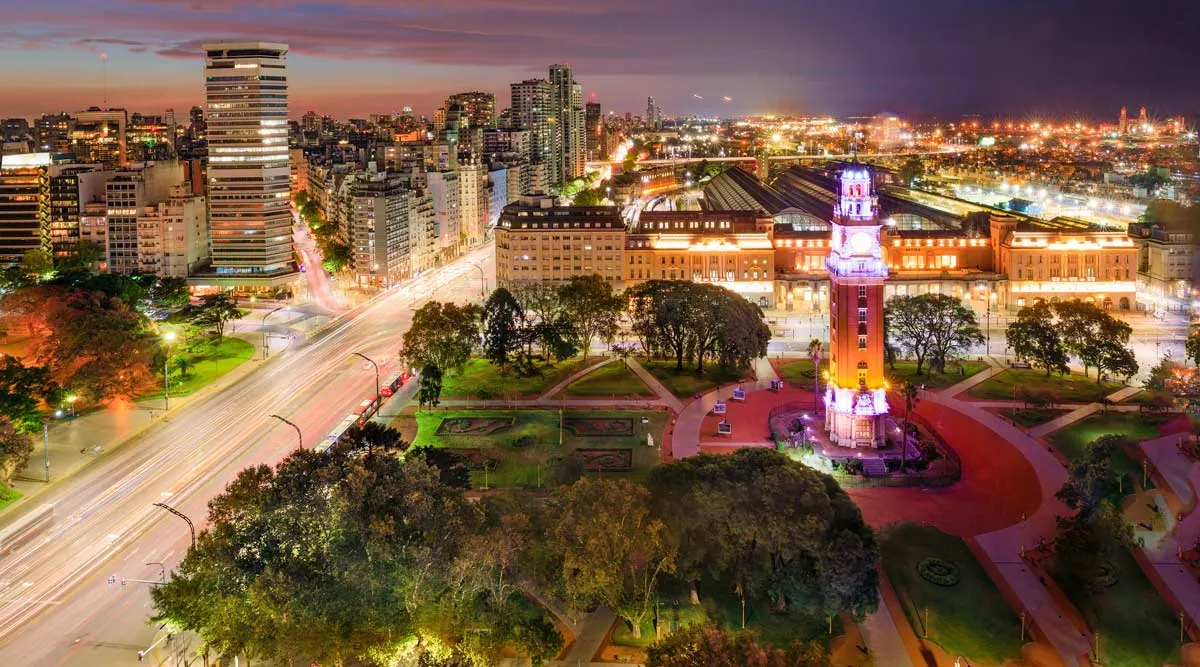
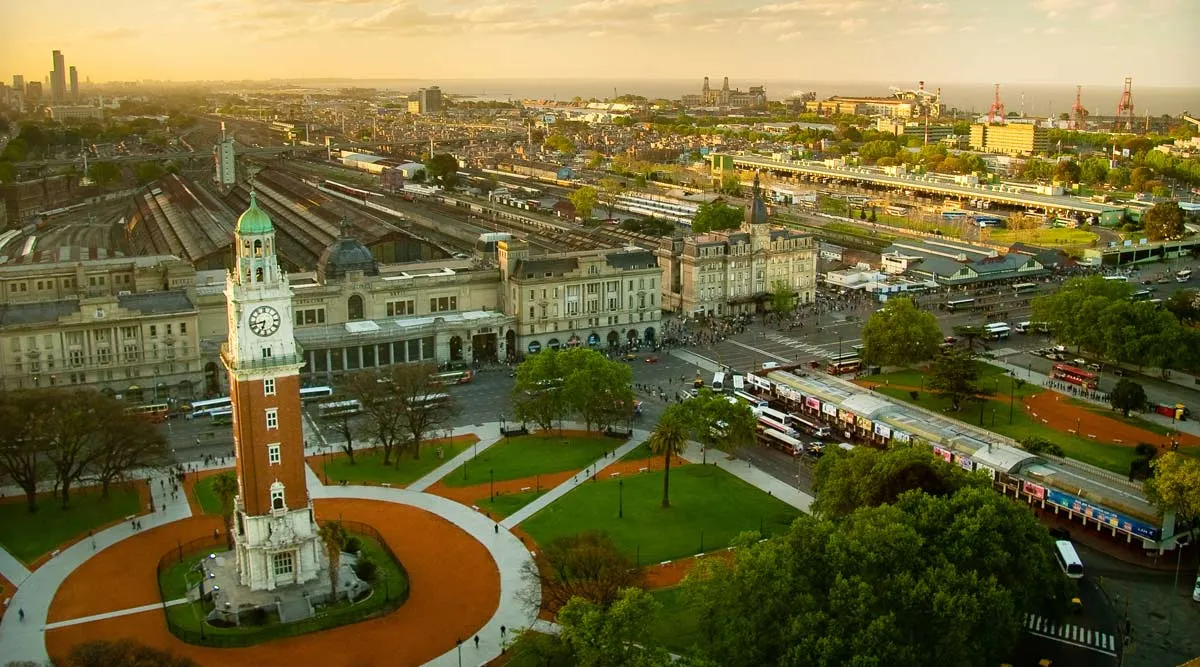
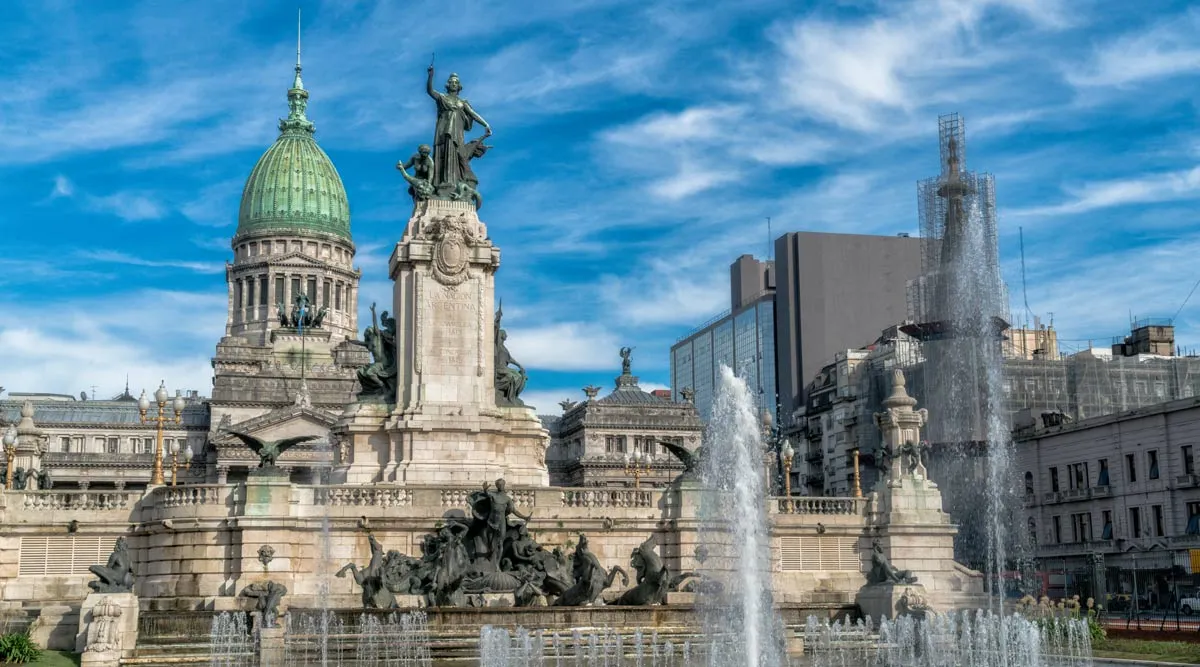
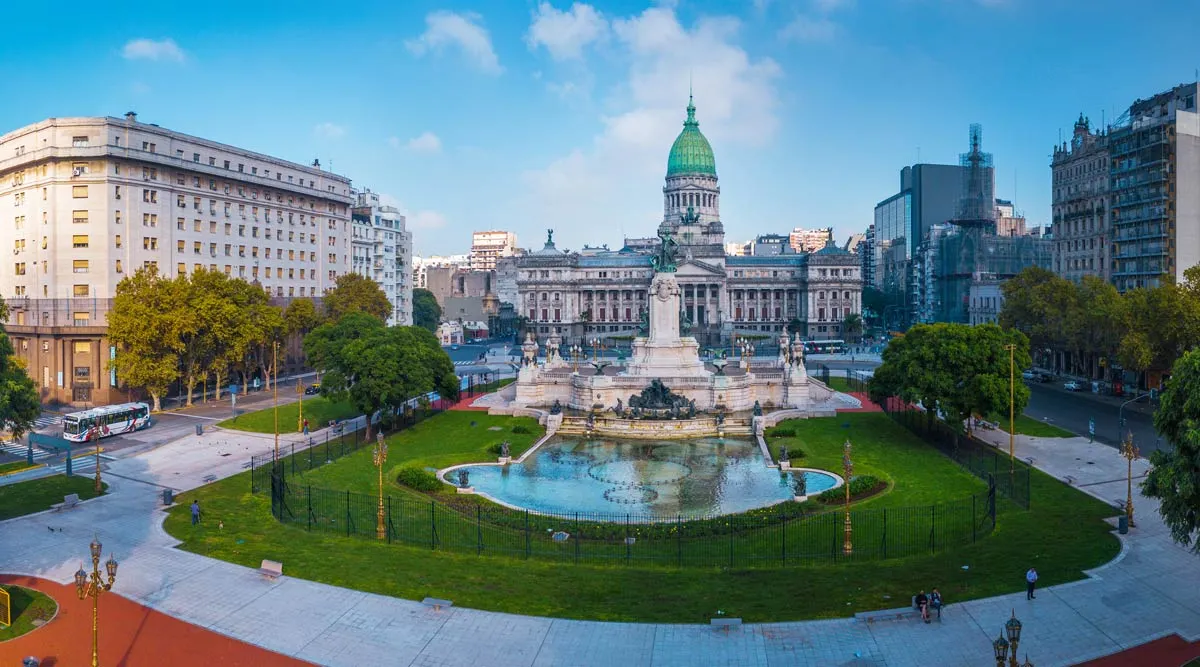
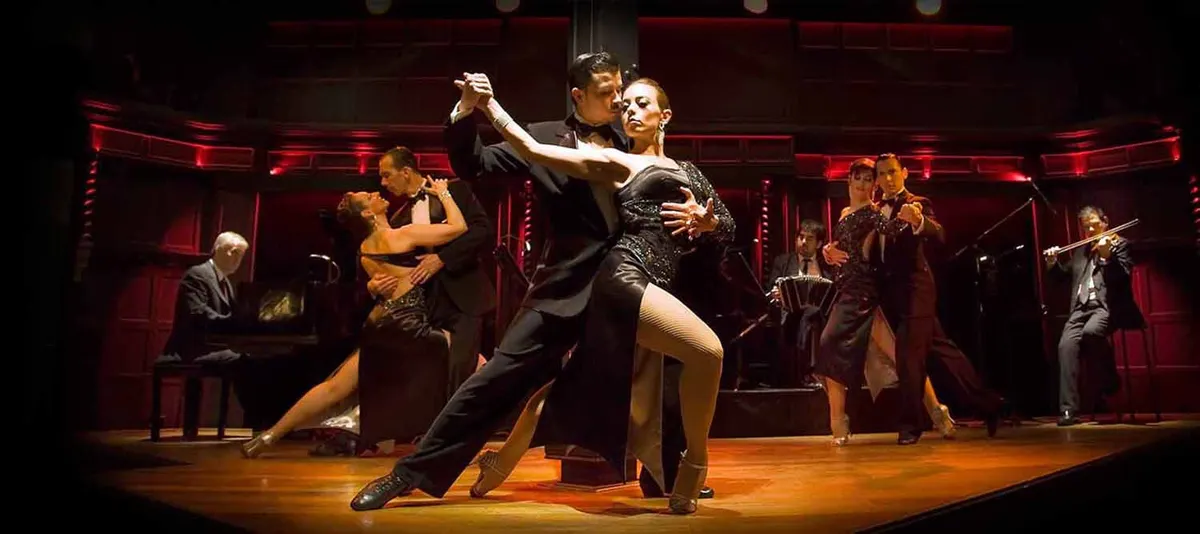
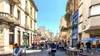
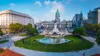
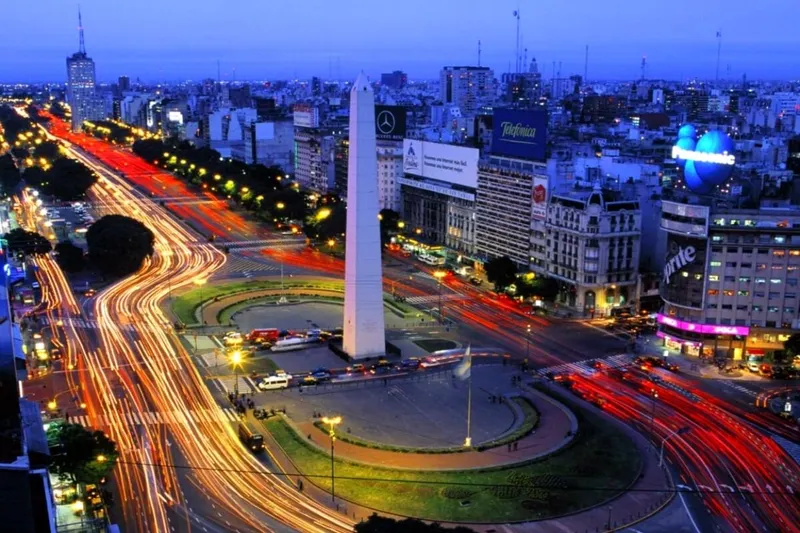
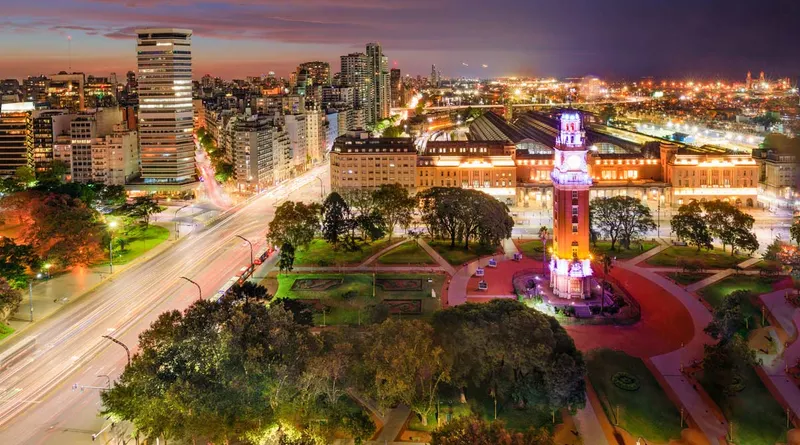
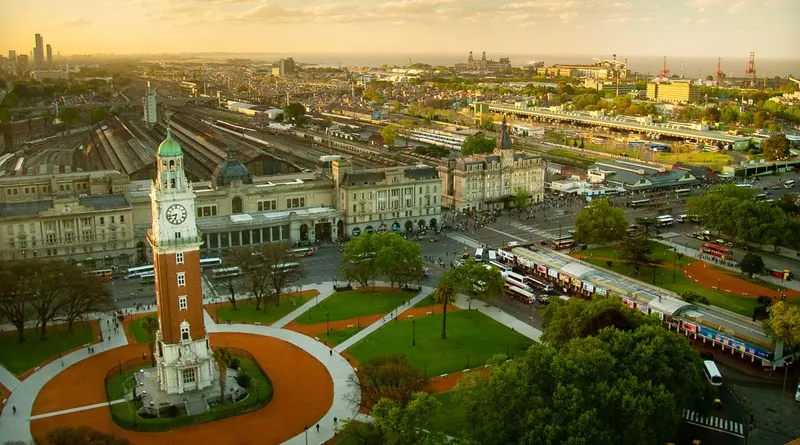
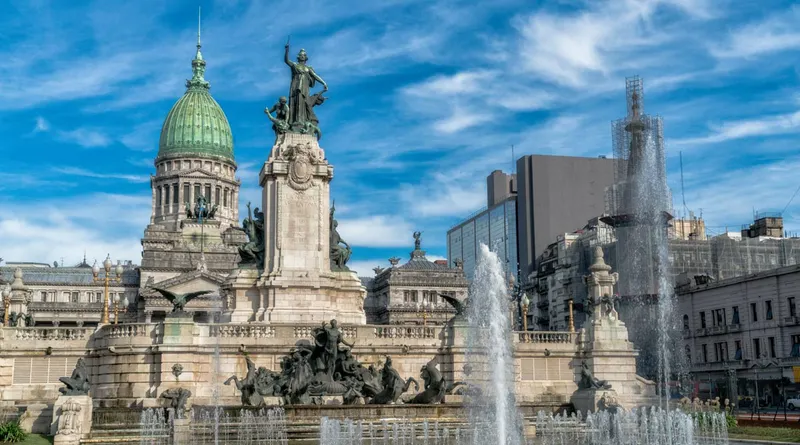
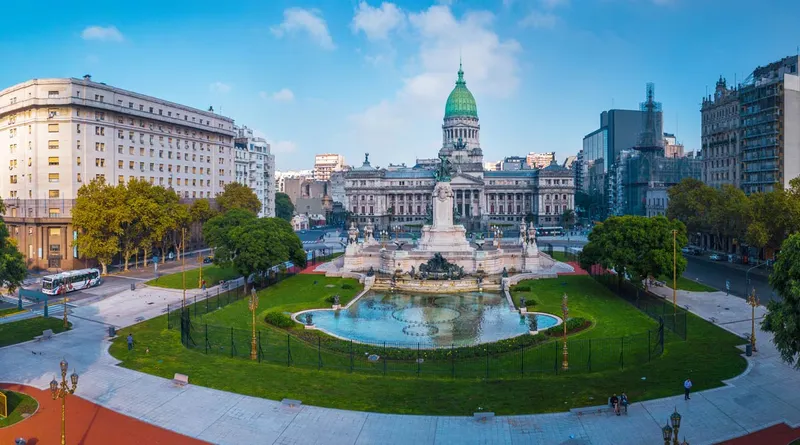
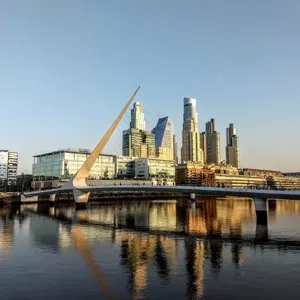
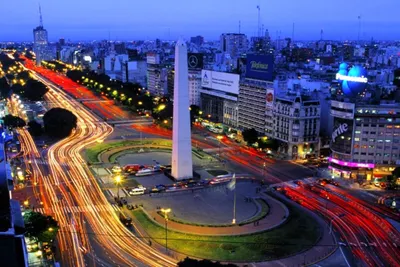
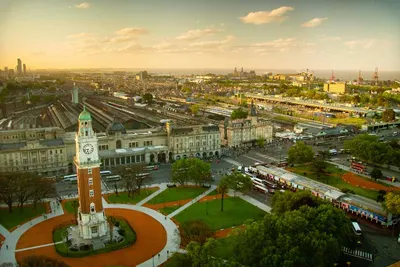
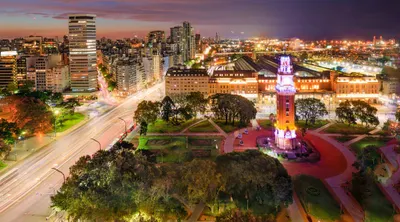
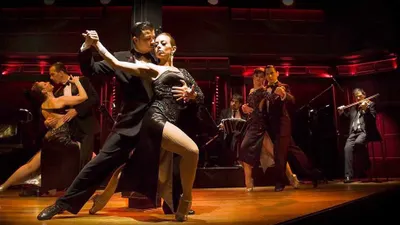
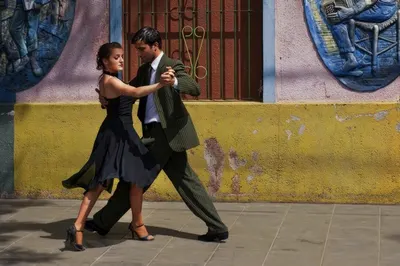
Buenos Aires, the vibrant capital of Argentina, is a city that blends European elegance with Latin American passion. Known for its rich culture, Buenos Aires is the birthplace of tango and home to a thriving arts scene, renowned museums, and stunning architecture. Neighborhoods like Palermo, San Telmo, and Recoleta offer diverse experiences, from historic charm to trendy nightlife. The city’s lively cafes, world-class restaurants, and bustling markets make it a dynamic hub, while iconic landmarks like the Obelisk and La Boca showcase its unique spirit. 
Current Weather

64.29 °F - Clouds Min/Max: 63.86 °F / 64.87 °FFeels: 63.63 °F Humidity: 68%5 Day Forecast

Trips

Hotels

Activities

Transfers

Description

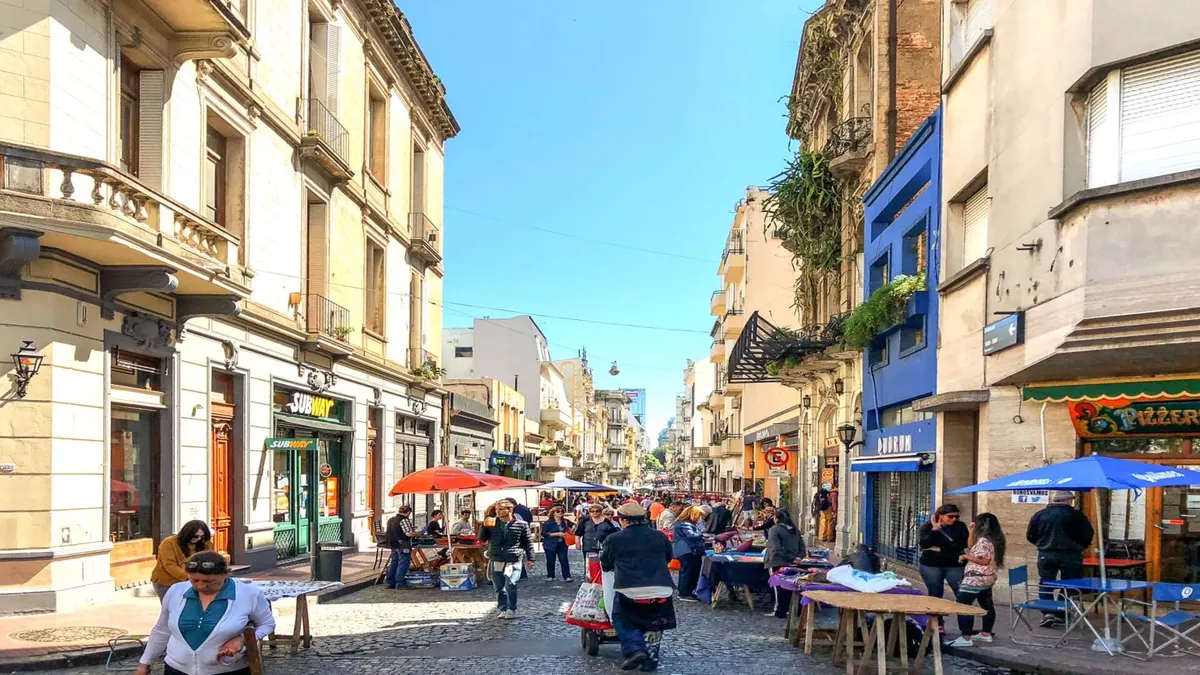
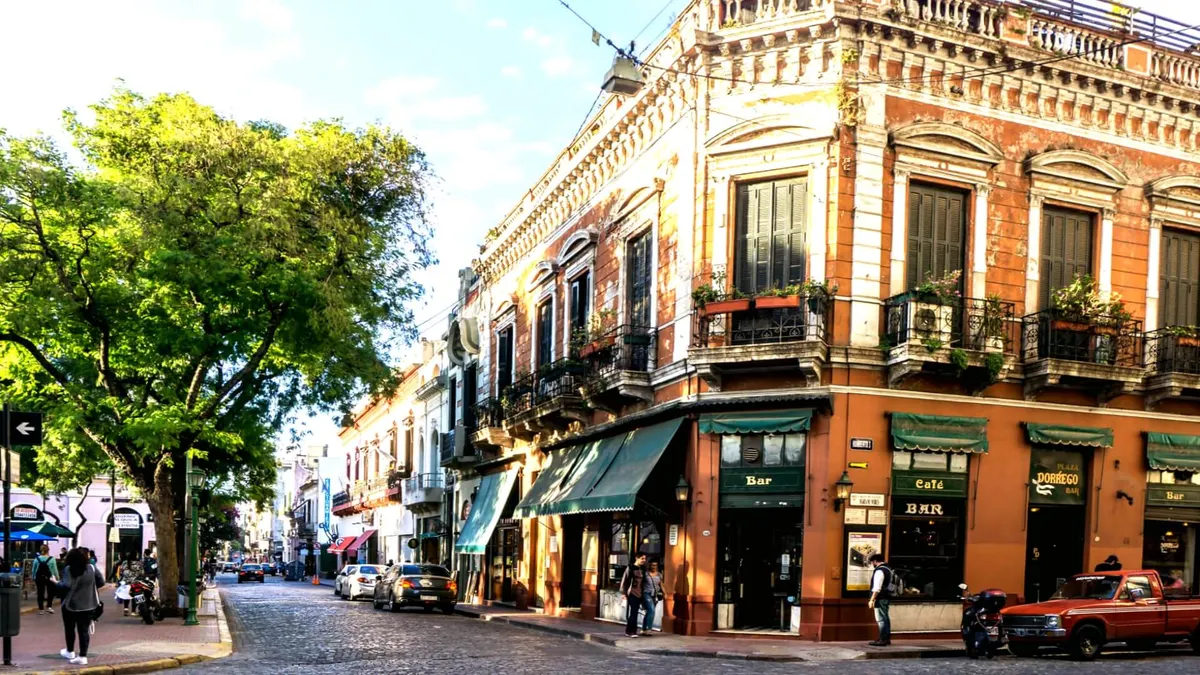
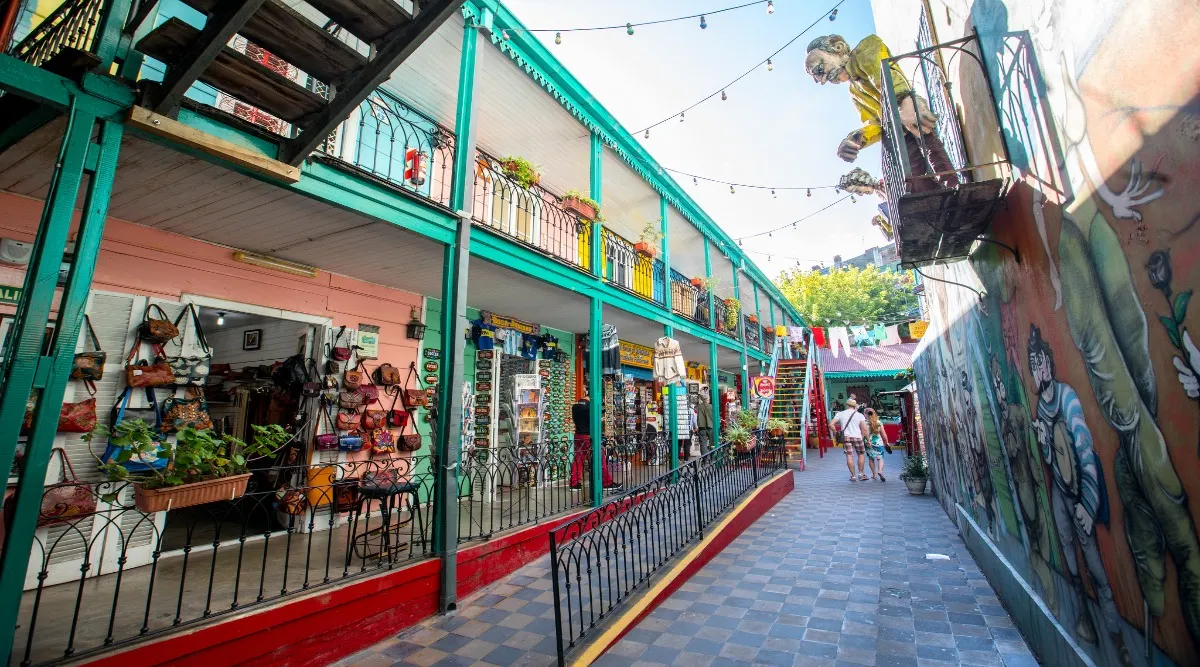
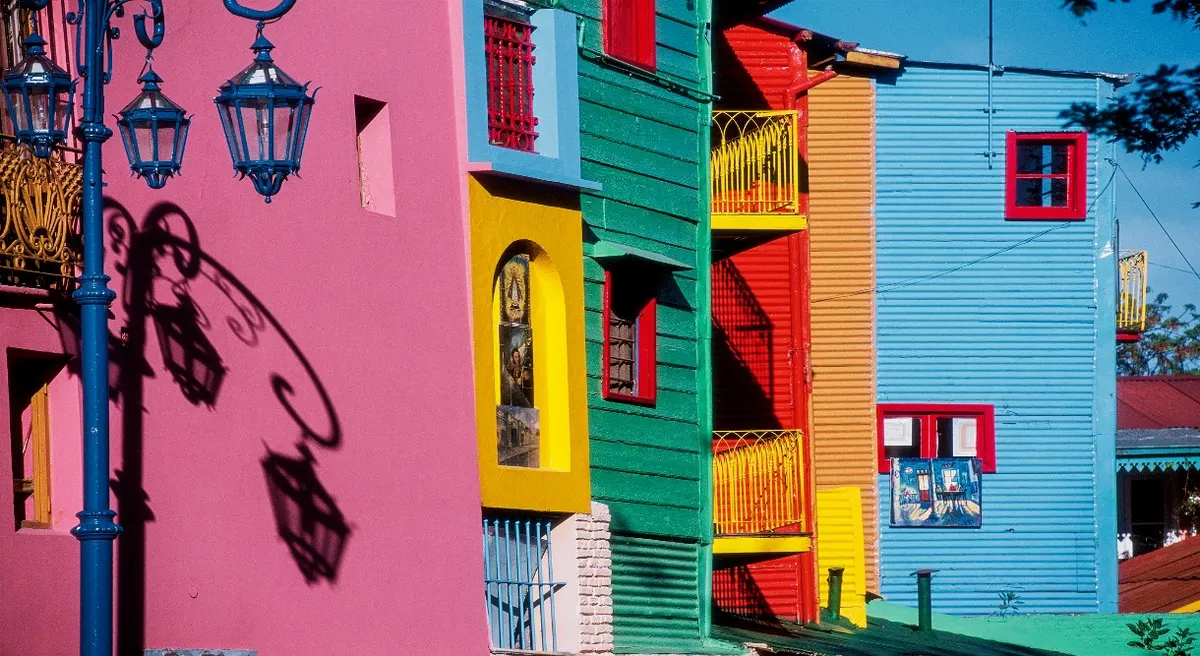
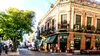
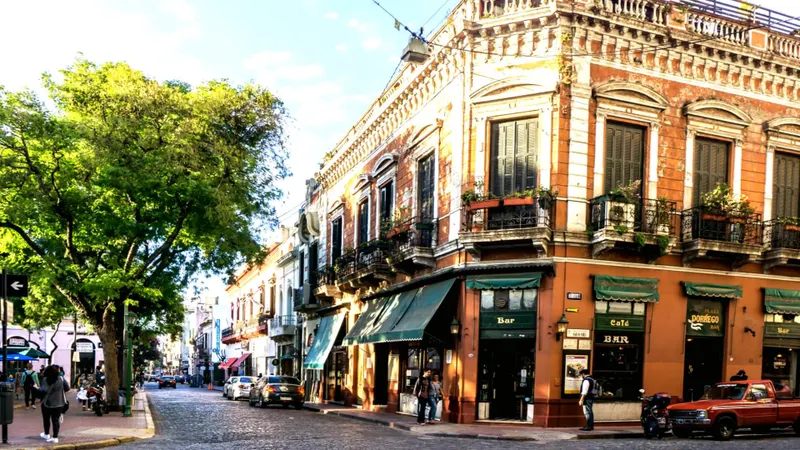
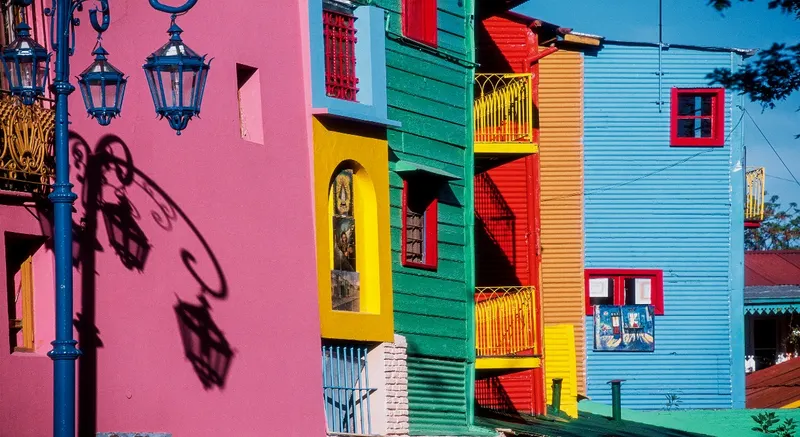
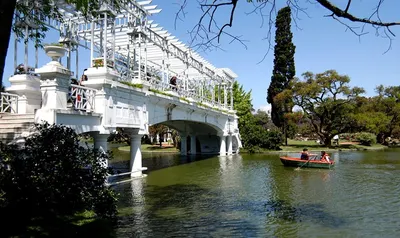
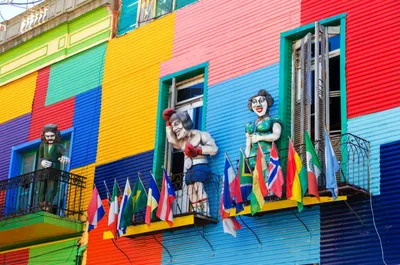
Buenos Aires is an extensive city, and every area has something different to offer. Recoleta and Palermo are widely considered the trendiest neighbourhoods, the former being a more cultured area with fashionable boutiques and galleries as well as high-end hotels lining its broad tree-lined avenues. The latter being a greener, more peaceful area, whose parks and lakes attract weekend crowds for fun and relaxation. Puerto Madero, once a harbour area, has been thoroughly refurbished, turning old brick warehouses into hip bars and nightclubs. Those seeking a more bohemian vibe will prefer to visit San Telmo and La Boca. As one of the oldest neighbourhoods in the city, San Telmo is considered a national monument. Characterised by narrow cobblestone streets and colonial-style buildings, it is loved by both locals and tourists who flock here on weekends to browse its antique boutiques and markets. La Boca, once a middle-class neighbourhood, is also known as one of the historic areas of the city. During weekends, many people visit the district in the hope of coming across a sensual tango show or simply to admire the colourful steel shacks that were once the dwellings of migrant workers. Las Cañitas is Buenos Aires' gastronomic hub, old aristocratic Retiro boasts some of the city's most beautiful architecture, residential Belgrano mixes mansions with skyscrapers, and of course, the downtown area is home to most of the city's monuments and important national buildings. Those who take the time to really explore the city will marvel at the sheer amount and diversity of things to see and do, and will surely feel that one visit is not nearly enough to take it all in.

Useful information
Population:

City: 3 million porteños (2021 estimate) Metropolitan Area: 15.6 million

Currency:

Peso Argentino 1 ARS = 100 centavos

Emergency Info:

Emergency: 911
Police: 101
Fire: 100
Medical Emergencies: 107

Opening Hours:

Most shops open Mon–Fri 9am–8pm and Sat 9am–noon. Some shops also open on Sundays. Malls generally open daily 10am–10pm. Restaurants and bars stay open very late, opening at about 8pm and serving until well after midnight.

Do & See
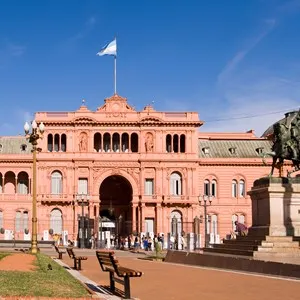
Casa Rosada

Casa Rosada

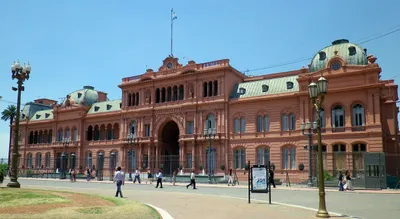
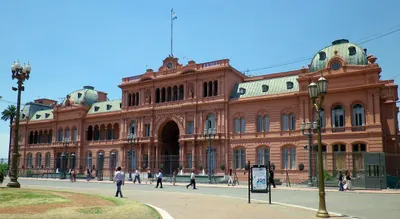
Centrally located on the Plaza de Mayo, the Casa Rosada (The Pink House) contains federal offices and was once the president's residence. The famous balcony where Eva Perón would speak is visible on the facade, but the interior can also be explored during free half-hour tours on weekends.

Cementerio de la Recoleta

Cementerio de la Recoleta

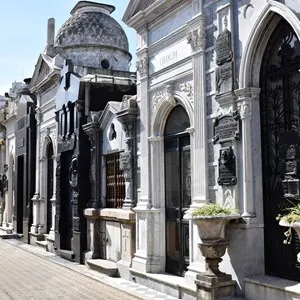
Everyone who is anyone in Argentina's history is likely to be found buried in Cementerio de la Recoleta. The seemingly endless rows of tombs and small mausoleums are the final resting places of former presidents, generals and historic figures, including the much beloved Eva Perón.

Centro Cultural Borges

Centro Cultural Borges

This cultural centre, named after one of the country's best and most beloved authors, Jorge Luis Borges, hosts an astonishing variety of performances and exhibitions. From ballet and tango to experimental theatre and orchestras, indie films, photography and art expos, you are sure to find something interesting during your visit.

Feria de San Pedro Telmo

Feria de San Pedro Telmo

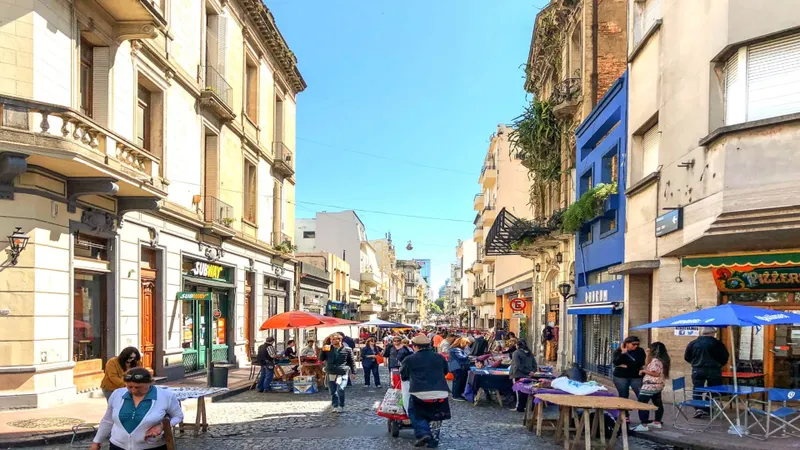
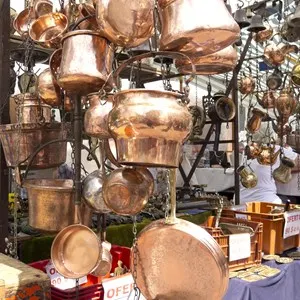
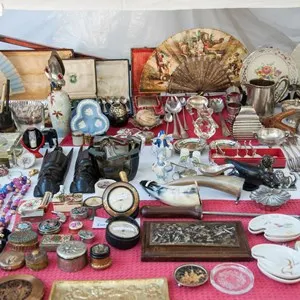
Every Sunday at Feria de San Pedro Telmo, in the heart of the San Telmo neighbourhood, a fascinating market takes place that covers the square and surrounding cobblestone streets with antiques and handicrafts, and the whole area bustles with life and music and eager shoppers searching for that rare find.

Floralis Genérica

Floralis Genérica

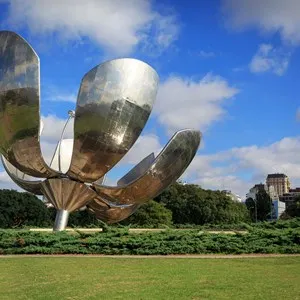
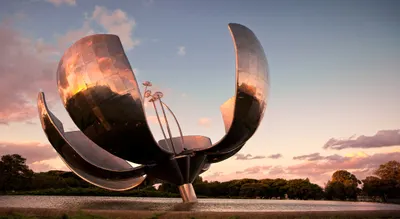
What appears as a satellite dish or a radio telescope at first sight is actually a sculpture resembling a gigantic flower. Floralis Genérica has become a landmark in Buenos Aires' Plaza de las Naciones Unidas and was created and donated by Eduardo Catalano in 2002. Every morning, the 23 meters high petals open - moved by an electrical system. Supposedly, Floralis Genérica was the world's first mobile sculpture controlled by such a system. At sunset, the petals then close again, emitting a red glow from inside.

La Boca

La Boca

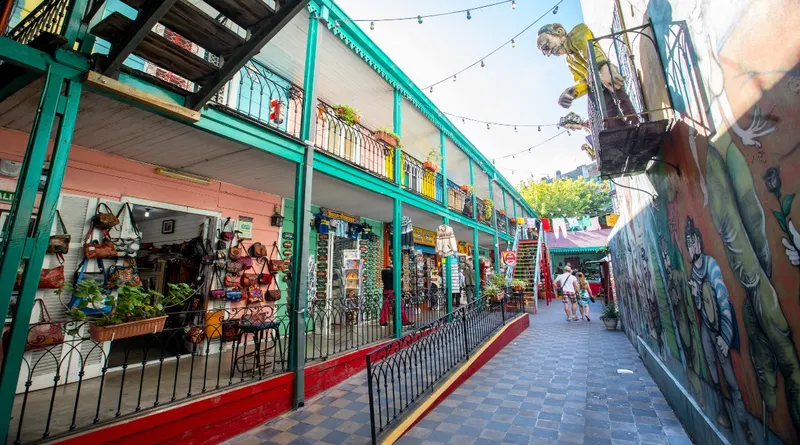
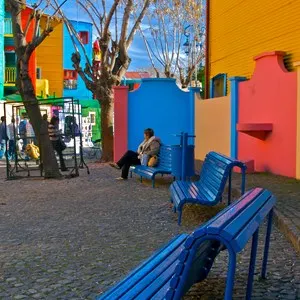
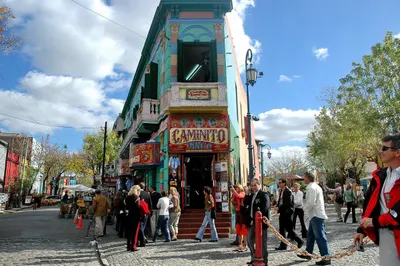
Though it was once a busy shipyard where European immigrants settled after coming in search of work, this colourful and vibrant neighbourhood has developed into a fashionable centre for trendy galleries and boutiques. Tourists flock here to snap a shot of the colourful Caminito, where painted metal shacks reflect the area's past, and to pay a visit to one of football's most legendary stadiums.

La Bombonera Stadium

La Bombonera Stadium

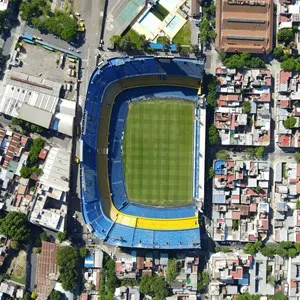
The Bombonera Stadium is home to the Boca Junios football team, former club of the legendary Diego Armando Maradona, which boasts what is perhaps one of most passionate fan-bases in all of football. You can explore the club's history at the Museo de la Pasión Boquense, and if you're lucky enough, you might even be able to score some tickets to see the action live.

Museo Nacional de Bellas Artes

Museo Nacional de Bellas Artes

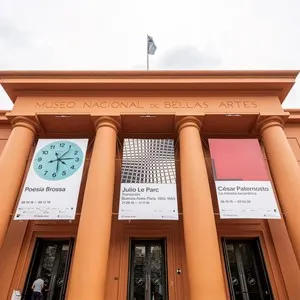
Argentina's best and most important art museum houses impressive collections from some of the most celebrated names in both national and international art, including Cézanne, Solar, Picasso, Van Gogh, Degas and Rembrandt. The museum itself is beautiful and surrounded by the lovely greenery of the museum district.

Dining

Aramburu Restó

Aramburu Restó

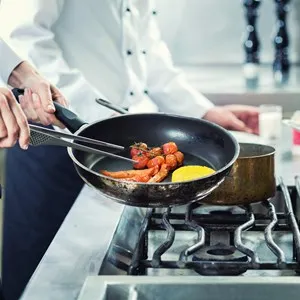
Another restaurant listed among Latin America's top 50, Aramburu Restó showcases the culinary talents of Gonzalo Aramburu in an unassuming location that you might miss entirely if you're not looking for it. The extensive sampling menu consists of up to 19 small courses, each one a work of art, naturally paired with the perfect accompanying wine.

El Cuartito

El Cuartito

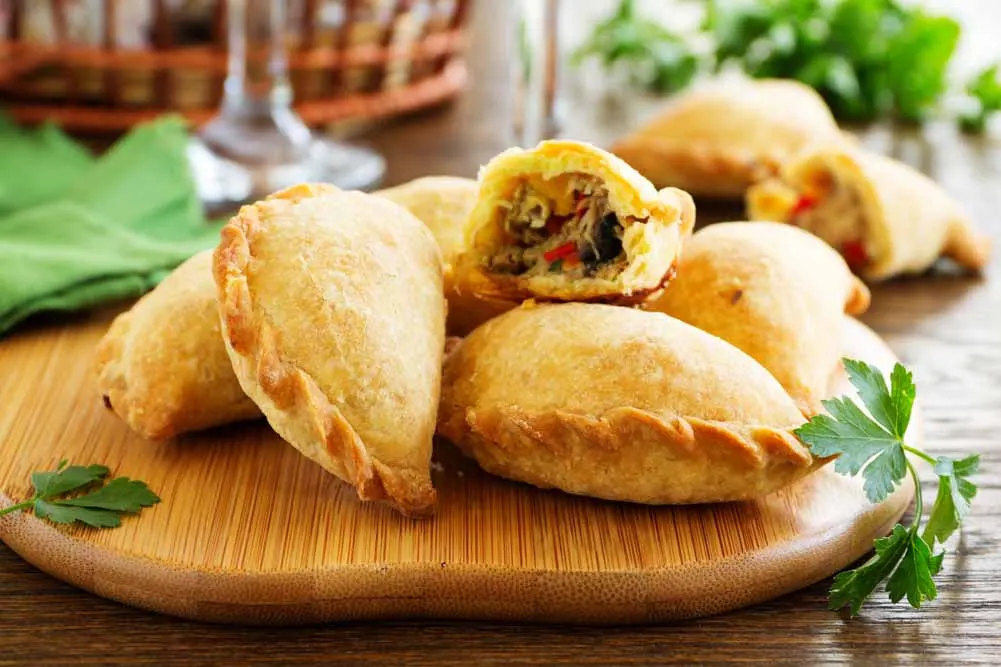
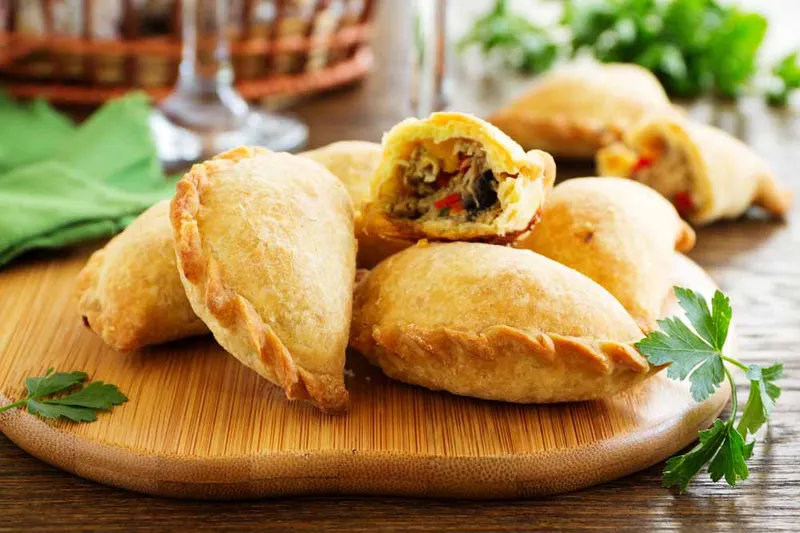
One of the oldest pizzerias in Buenos Aires, El Cuartito is a local institution. Inside, images of Argentinian football players and team relics adorn the walls, creating an air of authenticity and a distinct culinary identity that survived mass tourism. The restaurant offers its own version of pizza, thick and extremely cheesy, the typical empanadas and a few varieties of beer.

El Gran Paraiso

El Gran Paraiso

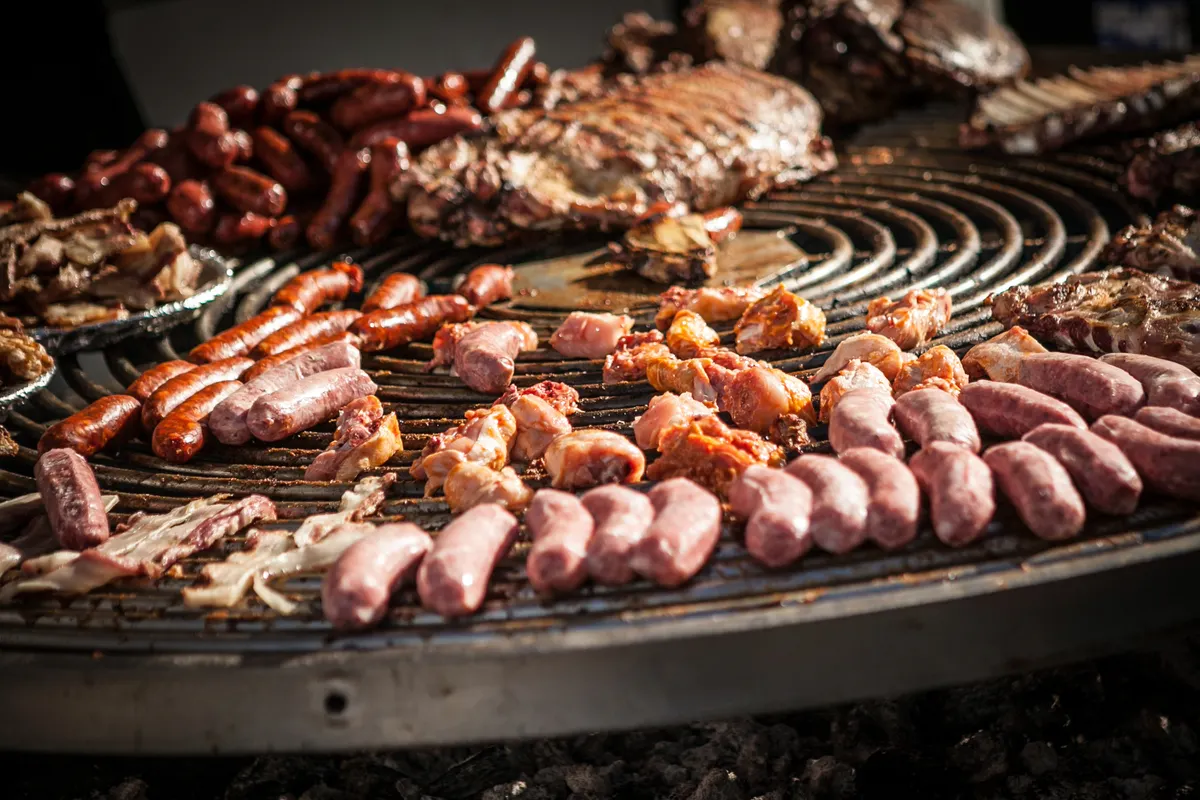
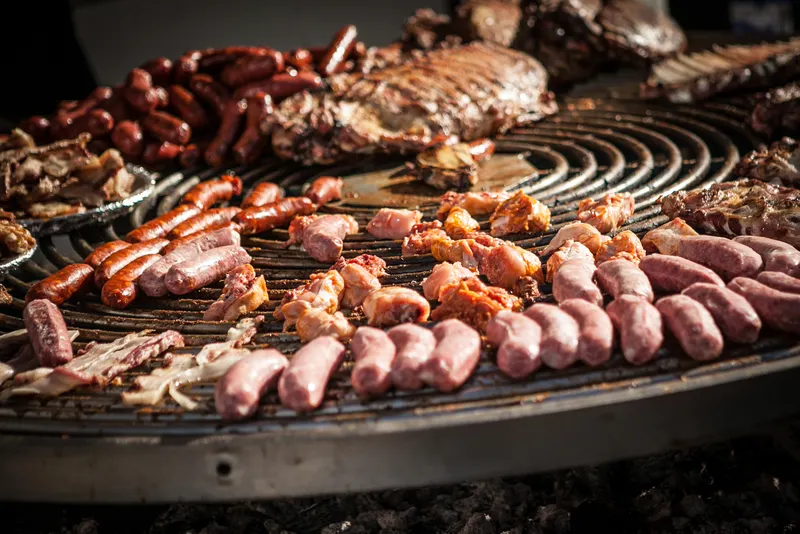
Away from the crowded tourist streets of Buenos Aires, this hidden restaurant attracts the lucky visitors with the smoke and smell coming from its grill. El Gran Paraiso offers a culinary experience with juicy steaks and the unique Argentinian atmosphere of its colourful, romantic courtyard.

Il Matterello

Il Matterello

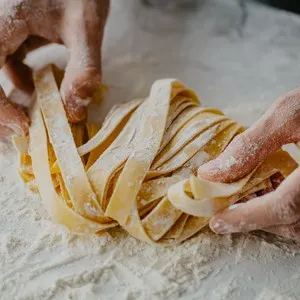
Located in the dynamic neighbourhood of La Boca, Il Matterello perfectly blends the Latin vibes of the city with its pronounced Italian identity. The menu offered by this Modena native family provides an authentic Italian culinary experience: Italian appetisers, fish and meat based dishes, an heterogeneous offer of homemade pasta and to put the icing on the cake, the restaurant's very own tiramisu.

La Mar

La Mar

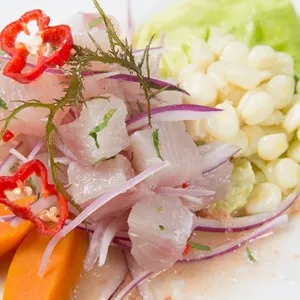
La Mar offers a Peruvian culinary experience like few others in Buenos Aires. This fancy but informal restaurant, located in the Palermo neighbourhood, strives to turn a simple meal into a celebration of Peru's lifestyle, culture and gastronomy. Specialty of the house: el Cebiche.

Niño Gordo

Niño Gordo

Niño Gordo is a hip culinary hotspot that combines Asian grill with flavours of Buenos Aires. Have a unique gastronomic experience in an environment that combines intimacy and mystery with the playful spirit of pop culture.

Osaka

Osaka

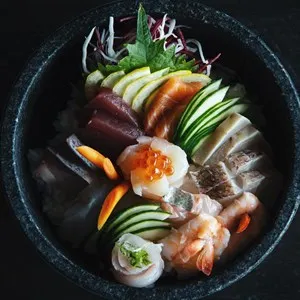
With locations all over Latin America, including Lima, Sao Paulo and Santiago de Chile, it is safe to say that this Japanese chain restaurant has become a South American empire. The seafood is incredibly fresh and delicious. Try their ceviche sampler and pomelo shrimp, together with the Oriental Lemonade which comes with ginger, mint and lemon blends.

Saigón Noodle Bar

Saigón Noodle Bar

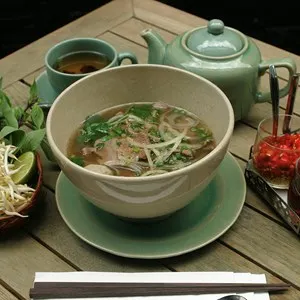
Vietnamese noodle dishes might not be the first thing that comes to mind when you think about dining out in the Argentine capital, but you are certainly going to miss out if you don't visit one of the Saigón Noodle Bars. The charming rustic atmosphere transports you (and your tastebuds) far away to the other side of the world. To stay faithful to Argentina, pick a dish with beef. The cocktails are amazing, too.

Cafes

Bar Británico

Bar Británico

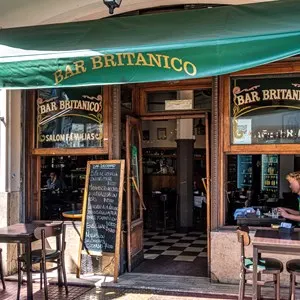
Sitting right in front of Lezama Park is Bar Británico, one of Buenos Aires' historical bars that opened in 1928, featuring wooden interiors that seemingly haven't changed from that era. Here you can have a coffee and pastries, but also more filling meals like empanadas, meat or vegetable-filled turnovers, fried calamari and salads coupled with a glass of wine.

Birkin

Birkin

As the name suggests, Birkin is fashionable and classy. Wear something nice but not flashy, bring a book and enjoy breakfast, brunch or lunch with friends. The menu has great vegan and vegetarian options, as well as excellent coffee and desserts. Definitely a place to see and be seen.

Café La Biela

Café La Biela

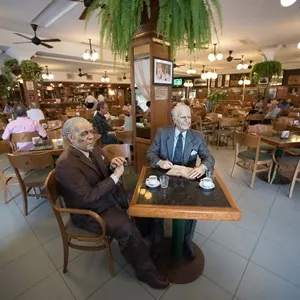
Recently declared a Place of Cultural Interest by the city, this is yet another historically important cafe, known among other things for being the old hangout of some legendary Argentinian icons, such as writers Jorge Luis Borges and Adolfo Bioy Casares, whose photographs can be seen hanging behind the bar.

Cafe Rivas

Cafe Rivas

Located in the dynamic neighbourhood of San Telmo, this cozy Argentinian cafe is characterised by its wooden interior and offers a well-rounded experience comprised of appetising food, refreshing drinks and live jazz concerts.

Café Tortoni

Café Tortoni

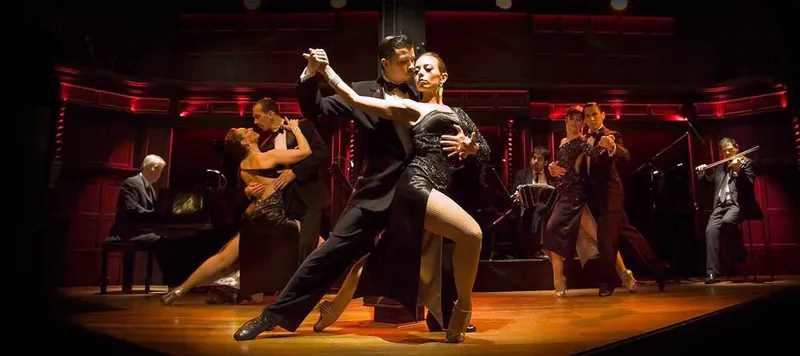
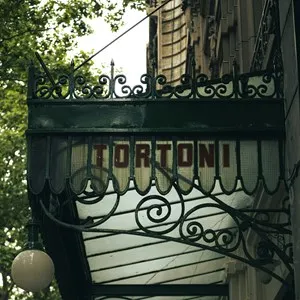
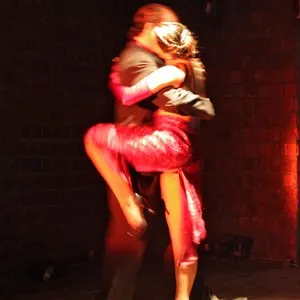
The historic Café Tortoni opened its doors for the first time in 1858, and it is one of the best places in the city to experience traditional tango. Once a favourite haunt of artists, writers and musicians, it really brings to life the bohemian side of Buenos Aires, and it keeps the tradition alive with riveting and intimate tango performances.

Cocu Boulangerie

Cocu Boulangerie

Cocu is not just a cafe. It is a tale of bravery, initiative and a hint of recklessness. It is the story of three young french entrepreneurs who decided to change their lives and translate the French culinary experience into a nice Buenos Aires boulangerie, using local ingredients only.

Confitería Las Violetas

Confitería Las Violetas

Another Buenos Aires institution, Las Violetas has been in operation for about 130 years, and it still retains that classical feel about it, from the decor to the place settings, to the immaculately presented wait staff. Everything about Las Violetas just screams with class, and the excellent coffee and pastries make it impossible to resist.

El Ateneo Grand Splendid

El Ateneo Grand Splendid

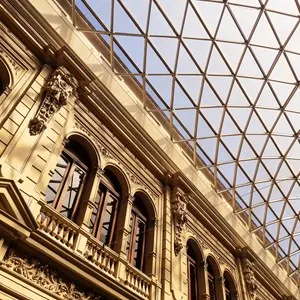
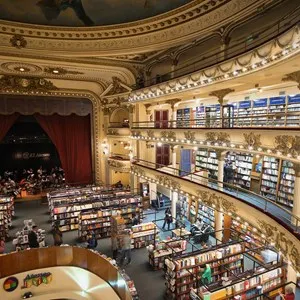
Buenos Aires is one of the world's great literary cities, and there is no better place to browse shelf after shelf in search of a hidden gem than El Ateneo Grand Splendid. Housed in a former grand theatre, the setting alone is worth a visit, and book-lovers will want to spend entire days admiring the volumes that extend wall-to-wall. Not only is it a great place to shop for books, but the local cafe (located on what used to be the stage of the theatre) invites shoppers to linger a bit longer and enjoy their new purchases over a cup of hot coffee.

Bars & Nightlife

Culture at Centro Cultural Borges

Culture at Centro Cultural Borges

This cultural centre, named after one of the country's best and most beloved authors, Jorge Luis Borges, hosts an astonishing variety of performances and exhibitions. From ballet and tango to experimental theatre and orchestras, indie films, photography and art expos, you are sure to find something interesting during your visit.

El Boticario

El Boticario

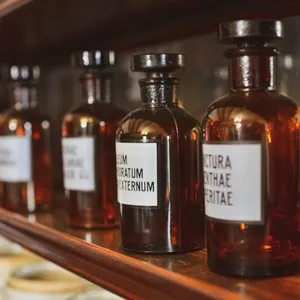
Legend has it that in the early XX century an Argentinian pharmacist named Salvador Cortez, owner of a pharmacy in Palermo neighbourhood, would create syrups and meds right in front of the clients, mixing ingredients over the counter. Today, after almost a century, El Boticario invites you to travel back in time and to try its artisanal cocktails prepared and displayed as the good old Cortez would have.

Éter Club

Éter Club

Far from the nightlife neighbourhoods of Buenos Aires, at the first floor of an apartment building in Villa del Parque, there is a hidden club famous for the quality of its cocktails and live music concerts. Let the notes of Jazz, Blues and Rock turn your night into a daydream.

Floreria Atlantico

Floreria Atlantico

Disguised as a lovely flower shop in the Retiro neighbourhood, the Floreria Atlantico is actually an intimate and evocative speakeasy hidden beneath a floral cover. The menu features drinks and dishes from various European and American countries, as an homage to the many people who emigrated to Argentina in the past centuries.

Hache Almacén

Hache Almacén

Hache's wine bar is a relaxing, casual, rustic place, where to taste good wine and local food in a lively atmosphere. The place also offers takeaway, giving the opportunity to taste its wine comfortably at home.

La Fuerza

La Fuerza

Founded by four friends wanting to expand the culture of Vermouth in Buenos Aires, La Fuerza is the operating base of their promotion efforts. Their signature La Fuerza vermouth comes in two forms, Rojo and Blanco, made with Malbec and Torrontés grapes respectively. You can couple it with their food offering, featuring "chistorra" (a local kind of sausage) and tortillas.

Tango at Cafe Tortoni

Tango at Cafe Tortoni

The historic Café Tortoni opened its doors for the first time in 1858, and it is one of the best places in the city to experience traditional tango. Once a favourite haunt of artists, writers and musicians, it really brings to life the bohemian side of Buenos Aires, and it keeps the tradition alive with riveting and intimate tango performances.

Theatres on Avenida Corrientes

Theatres on Avenida Corrientes

Buenos Aires can boast of being an important centre for many things, among them, theatre. Avenida Corrientes, besides being famed as the birthplace of tango, is home to a huge array of world-renowned theatres that offer top-notch performances and concerts year-round.

Shopping

Calle Florida

Calle Florida

The grand Florida Avenue is the city's main pedestrian thoroughfare, running North to South through the city center. It showcases all manner of shops and boutiques, and the streets are lined with street vendors and performers, money changers, and some of Argentina's famous leather works.

Feria Artesanal Plaza Francia

Feria Artesanal Plaza Francia

Another wonderful street market, this time in the city's trendy Recoleta neighbourhood, the Feria de Artesanos at Plaza Francia showcases some of the city's best craftsmen in wood, metal, leather, textiles and more. It is the perfect place to pick up great gifts to take back home with you.

Feria de Mataderos

Feria de Mataderos

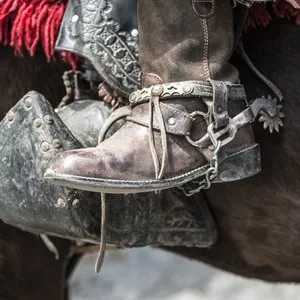
The Mataderos fair revolves around one of Argentina's most fascinating national symbols: los gauchos, brave and lawless cowboys who occupy an important spot in the country's culture. The fair offers the opportunity to experience Argentina's culture in its purest form, whether by tasting the local meat, buying typical gauchos' handicrafts or dancing to tango beats.

Feria de San Pedro Telmo

Feria de San Pedro Telmo

Every Sunday at Feria de San Pedro Telmo, in the heart of the San Telmo neighbourhood, a fascinating market takes place that covers the square and surrounding cobblestone streets with antiques and handicrafts, and the whole area bustles with life and music and eager shoppers searching for that rare find.

Feria Plaza Serrano

Feria Plaza Serrano

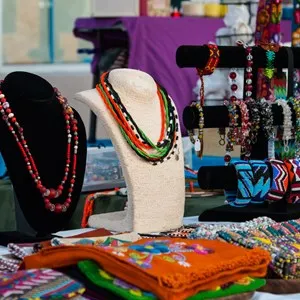
A typical Argentinian crafts fair offering handcrafted jewellery, clothes, bags and many other colourful accessories. Compared to other Buenos Aires' fairs it is slightly smaller but very easy to access, as well as close to Palermo neighbourhood and therefore to the many bars and restaurants of the area.

Recoleta Mall

Recoleta Mall

Recoleta Mall is one of Buenos Aires' great modern malls, located right in the heart of one of the city's trendiest neighbourhoods. It offers everything one might expect from a contemporary shopping centre, from upscale shops and specialty boutiques to fast food restaurants and a large cinema.

Tourist Information

Best Time to Visit

Best Time to Visit

The best time to visit Buenos Aires is in the fall, from April to June or in the spring, from September to December. At these times of the year the city is usually less crowded, the weather milder and hotel prices lower. It is not recommended to visit Buenos Aires during the peak season (South American summer) from January to February, given that it is characterised by high temperatures and a higher inflow of tourists. On the other end, winter isn't usually magnanimous with visitors, who normally experience cold and rainy days lasting from June to August. Some interesting events throughout the year are: February: Carnaval Porteño March: Opening of Opera and Ballet season April: International Horse Riding Exhibition; Buenos Aires Book Fair May: May Revolution Day (25th); International Decorative Art Fair July 9: Independence Day August: Fashion Week; Tango Festival and World Championship November: Gay Pride; International Buenos Aires Jazz Festival; Creamfields

Passport & Visa

Passport & Visa

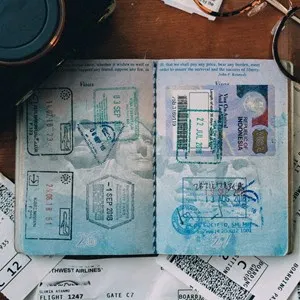
Argentina can be visited visa-free for up to 90 days by citizens of most European countries, Australia, New Zealand, Japan, South Korea, Israel, UAE and most countries in America. Visitors coming from Jamaica, Kazakhstan and Malaysia can enter the country without a VISA for a stay of up to 30 days. Whereas those coming from Kosovo, Nauru, Taiwan, Tonga and Tuvalu must use a Travel Certificate issued by Argentina instead of a VISA. If you are unsure whether or not you need to apply for a visa, we recommend contacting the embassy or consulate in your country.

Ministro Pistarini International Airport, Ezeiza (EZE)

Ministro Pistarini International Airport, Ezeiza (EZE)

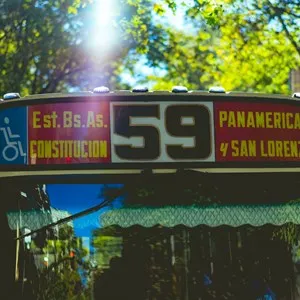
Ministro Pistarini International Airport (EZE), more commonly referred to as simply Ezeiza International Airport, is located about 22 kilometres outside of Buenos Aires. It is the largest airport in Argentina, handling about 85% of the country's international air traffic, and is the hub for Aerolíneas Argentinas and LAN Argentina. The easiest way to get to the city from the airport is by taking one of the authorised taxis from the stalls just outside the terminals. The ride should take about 30 minutes. There are also minibus and shuttle services that are cheaper, but only have services to each company's terminal, so travellers must switch to local transportation for the rest of the journey. Some public buses run to central areas of the city. Bus 51 goes to Constitución and number 86 goes to Plaza de Mayo.

Public Transport

Public Transport

Public Transport in Buenos Aires is efficient and affordable and by far the best way to get around. There are two types of buses (regular 'colectivos' and Metrobus), as well as Latin America's oldest subway system, or 'Subte'. All public transport in the city is paid using the rechargeable SUBE card, which can be purchased at post offices and corner shops. Bus stops are ubiquitous. Be sure to stand in line at the bus stop, as they are strictly respected. Tell the driver where you're going and he'll let you know how much the fare is, as it varies depending on how far you are traveling. Colectivos run 24 hours, though less frequently at night. Metrobuses have dedicated lanes along major roads to speed across the city, and many stations have free WiFi. The Subte is clean, reliable and both the fastest and cheapest way to get around. Trains run often, every 3-10 minutes, Mon-Fri 5am–10:30pm, Sun 8am–10pm. Several lines run parallel East to West, while line C crosses them going North to South.

Taxis

Taxis

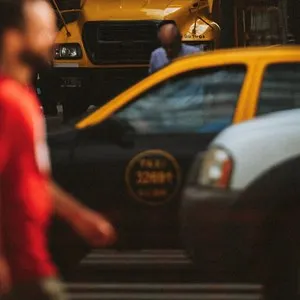
Buenos Aires' black and yellow taxis are ubiquitous and can be flagged down anywhere. Rides are metered, and fares go up 20% at night. You can order a taxi through the official BA Taxi mobile application. Onda Verde: +54 11 4867 0000 Premium: +54 11 4374 6666, +54 11 5238 0000 Didi and Uber rideshare apps are available in Buenos Aires.

Buenos Aires Cruise Port

Buenos Aires Cruise Port

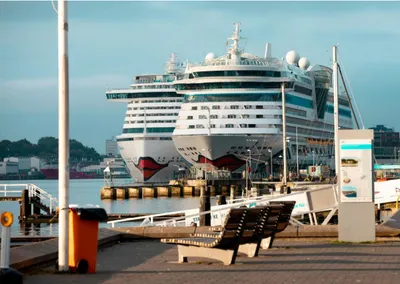
The Cruise Terminal in Buenos Aires, called Terminal de Cruceros Benito Quinquela Martín. The Buenos Aires port is located about 2 km from the downtown. It might look close on the map, but the area is quite deserted — you will be better off taking a shuttle buses or a taxi. Taxis are always available at the terminal. The Buenos Aires port has a yacht berth called Puerto Madero, which is a modern re-developed area popular with locals.

Electricity

Electricity

In Argentina the power plugs and sockets are of type C (also known as the standard "Euro" plug) and I. Type I is mainly used in Australia, New Zealand, China and the South Pacific, and comes with two flat prongs at an angle and an optional ground pin. The standard voltage is 220–240 V and the frequency is 50 Hz.

Pharmacy

Pharmacy

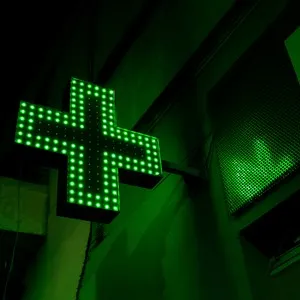
Argentina has an outstanding pharmaceutical industry. If you have a regular prescription, be sure to have your doctor write down the name of the drug, not just the brand name. You can easily spot pharmacies by their green-and-white crosses. The largest and most common pharmacy chain is called Farmacity. Their stores will often be open around the clock.

Frequently Asked Questions

Buenos Aires offers a rich mix of sightseeing, guided tours, and local activities. On Keytours you can browse the most popular tours and experiences in Buenos Aires and book them instantly.

The ideal time to visit Buenos Aires depends on the experience you're after. Check the current weather and seasonal information on this page to plan your trip around the best conditions.

You can arrange private airport transfers and local transport for Buenos Aires directly through Keytours, ensuring a comfortable arrival and easy travel throughout your stay.

Buenos Aires has accommodation for every style, from boutique city stays to seaside resorts. Explore our handpicked hotels in Buenos Aires to find the right base for your trip.

Yes. With Keytours you can combine tours, activities, hotels, and transfers for Buenos Aires in a single booking, making it easy to plan your entire trip in one place.

Simply choose your preferred tours, hotels, or activities in Buenos Aires on this page, select your dates, and complete your secure booking online. Our team is available to help at any step.

Trips