
Details for Naples
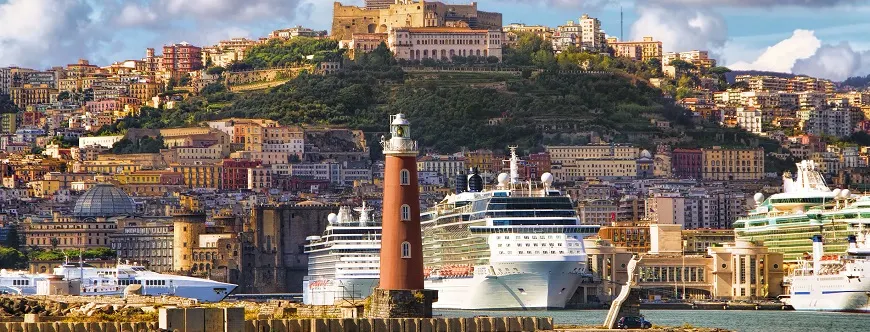

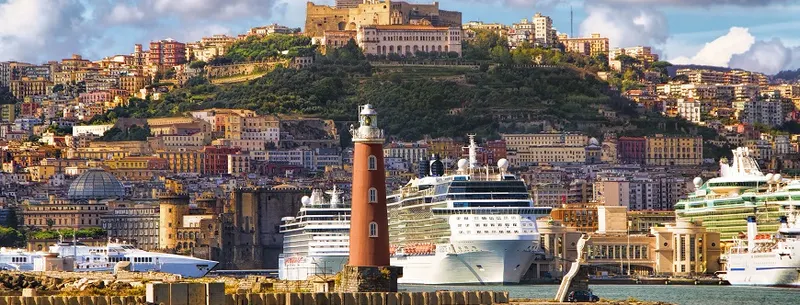
The historic city of Naples was founded about 3,000 years ago as Partenope by Greek merchants. Later, the settlement took the name of Palepolis, the old city, and in 475 BC it became Neapolis, the new city. Under various phases of foreign rule, the city developed continuously, until it became the capital of the most important of the pre-unification states, the Kingdom of the Two Sicilies. The rulers of that Kingdom, the Bourbons, constructed a magnificent palace in nearby Caserta and filled the city with historic structures of all kinds.
The city: 909,048 (2022) Metro area: 2,179,000 (2023)
Euro, €1 = 100 cents
Emergency: 112
Police (Carabinieri): 113
Fire Brigade (Vigili del fuoco): 115
Ambulance (Ambulanza): 118
Shops are usually open from 10am to 1:30pm and then from 4:30pm to 8pm. Larger shops are normally open continuously during the day. Shops can be open on Sundays at their own discretion.
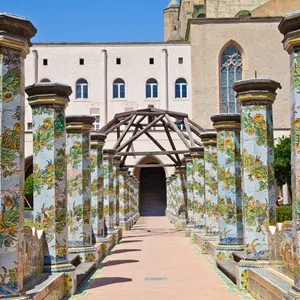
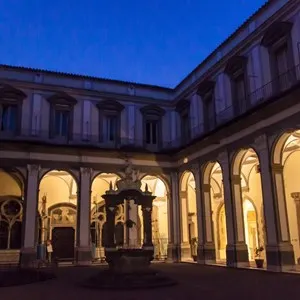

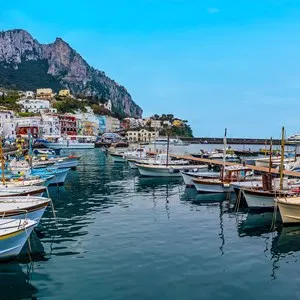

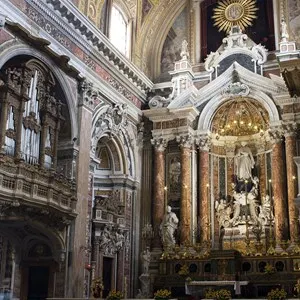
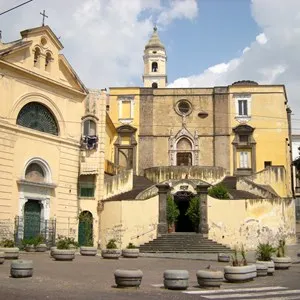
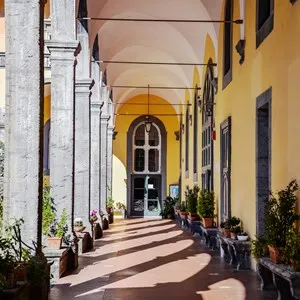



































The best time to visit Naples is during the spring (April to June) and fall (September to October) when the weather is pleasant and the tourist crowds are smaller. These months offer mild temperatures and a chance to explore the city's historic sites and nearby attractions without the summer heat or winter rain.
A stay of 3 to 4 days in Naples is ideal to explore the city's main attractions. This allows time to visit the historic center, the National Archaeological Museum, and the nearby ruins of Pompeii and Herculaneum. You can also take a day trip to the Amalfi Coast or the island of Capri.
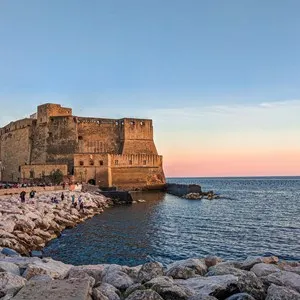
Must-see landmarks in Naples include the historic center, a UNESCO World Heritage Site, the Royal Palace, and Castel dell'Ovo. Don't miss the National Archaeological Museum, which houses artifacts from Pompeii. Experience the local culture by visiting the vibrant Spaccanapoli street and sampling authentic Neapolitan pizza.
The best way to get around Naples is by using public transportation, including buses, trams, and the metro, which are efficient and relatively inexpensive. Walking is also a great way to explore the historic center. For trips to nearby sites like Pompeii, trains from Napoli Centrale station are convenient.
Naples is famous for its pizza, particularly the Margherita and Marinara varieties. Other local dishes to try include sfogliatella (a shell-shaped pastry), ragù Napoletano (a slow-cooked meat sauce), and seafood specialties like spaghetti alle vongole (spaghetti with clams). Don't forget to sample limoncello, a lemon liqueur from the nearby Amalfi Coast.
Naples hosts several cultural events and festivals throughout the year. The Feast of San Gennaro, held in September, is a major event celebrating the city's patron saint with a religious procession and street festivities. The Maggio dei Monumenti, in May, offers special access to historical sites and cultural performances.
Worthwhile day trips from Naples include visiting the ancient ruins of Pompeii and Herculaneum, both easily accessible by train. The stunning Amalfi Coast, with its picturesque towns like Positano and Amalfi, is a short drive away. You can also take a ferry to the island of Capri to explore its natural beauty and luxury boutiques.